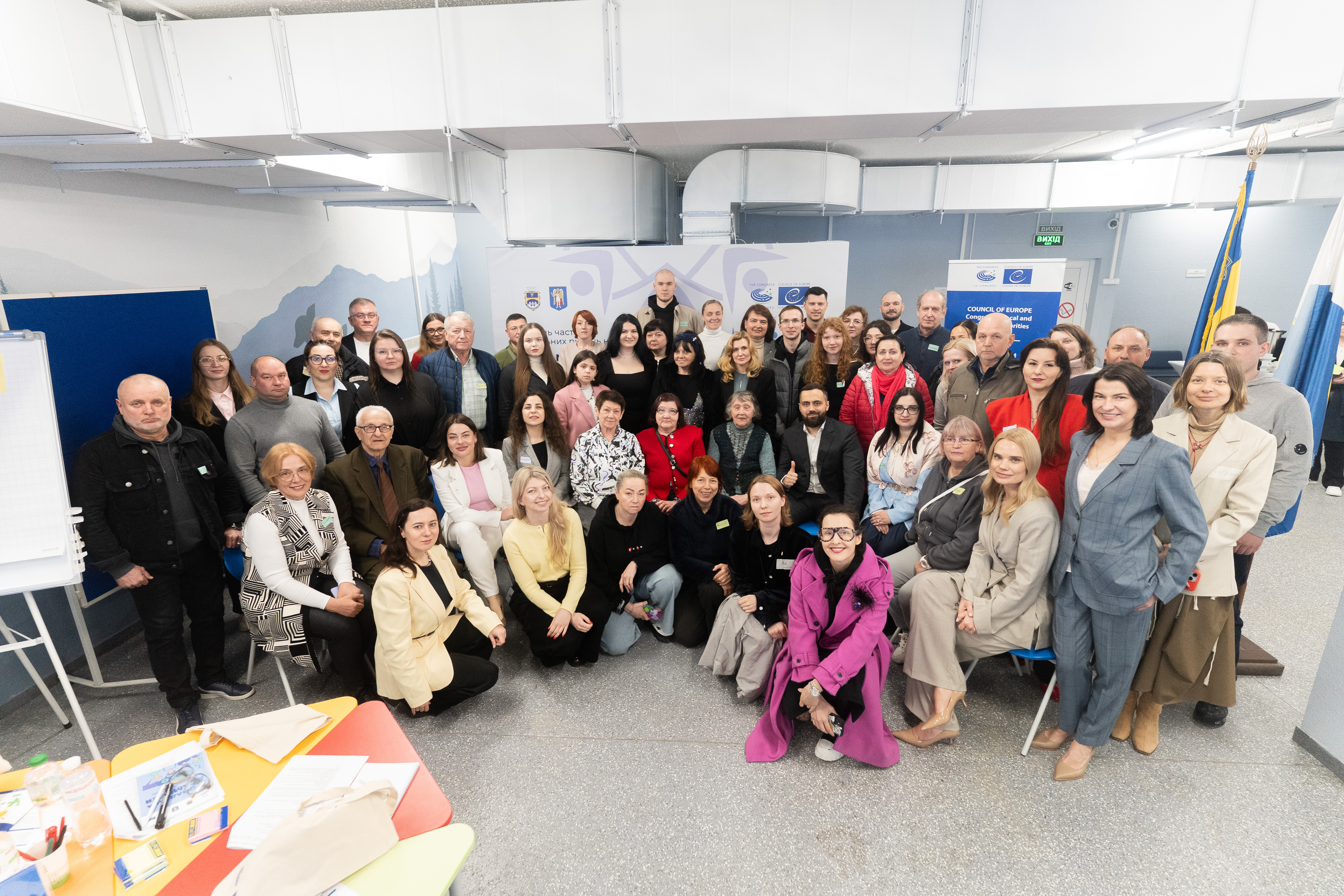
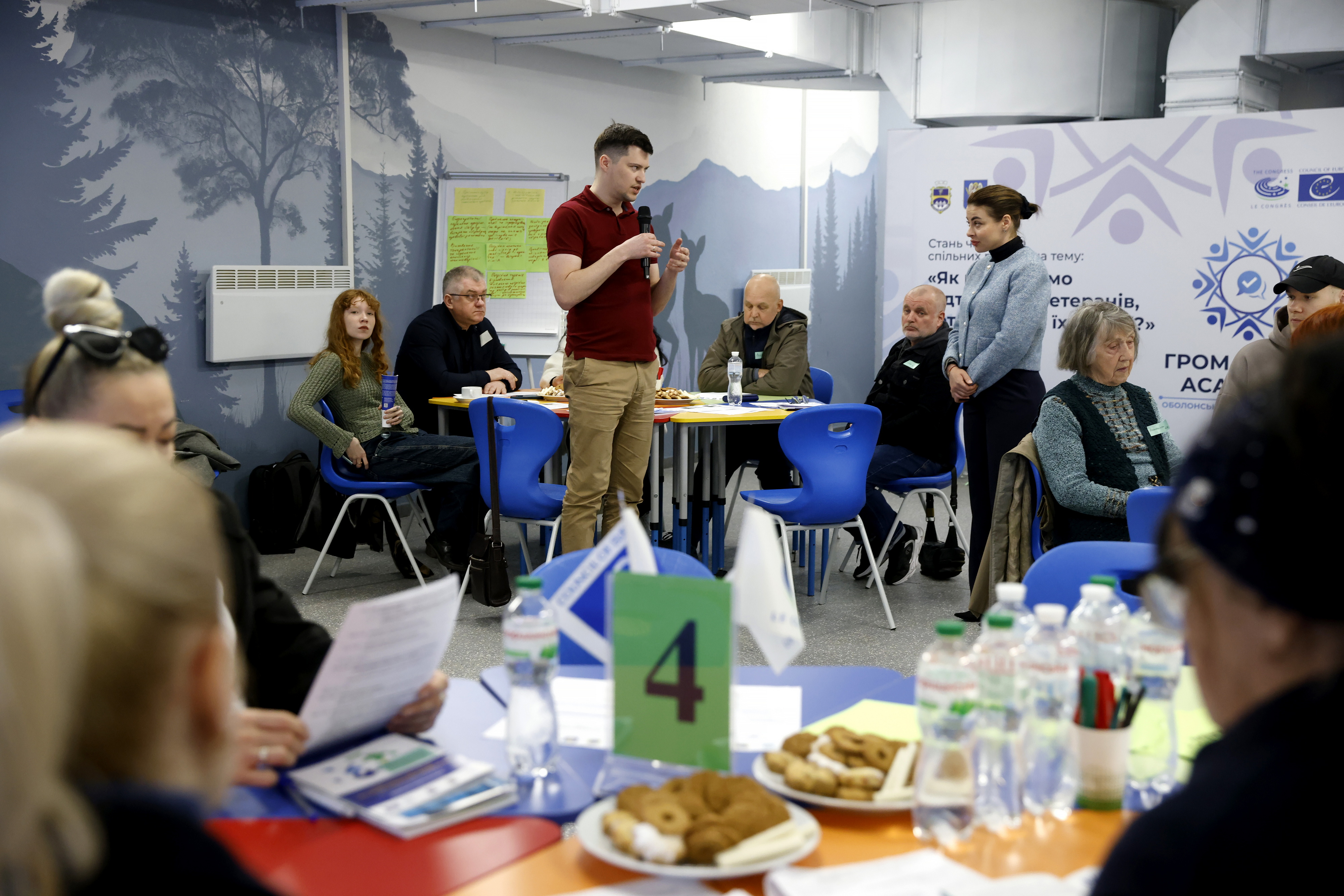
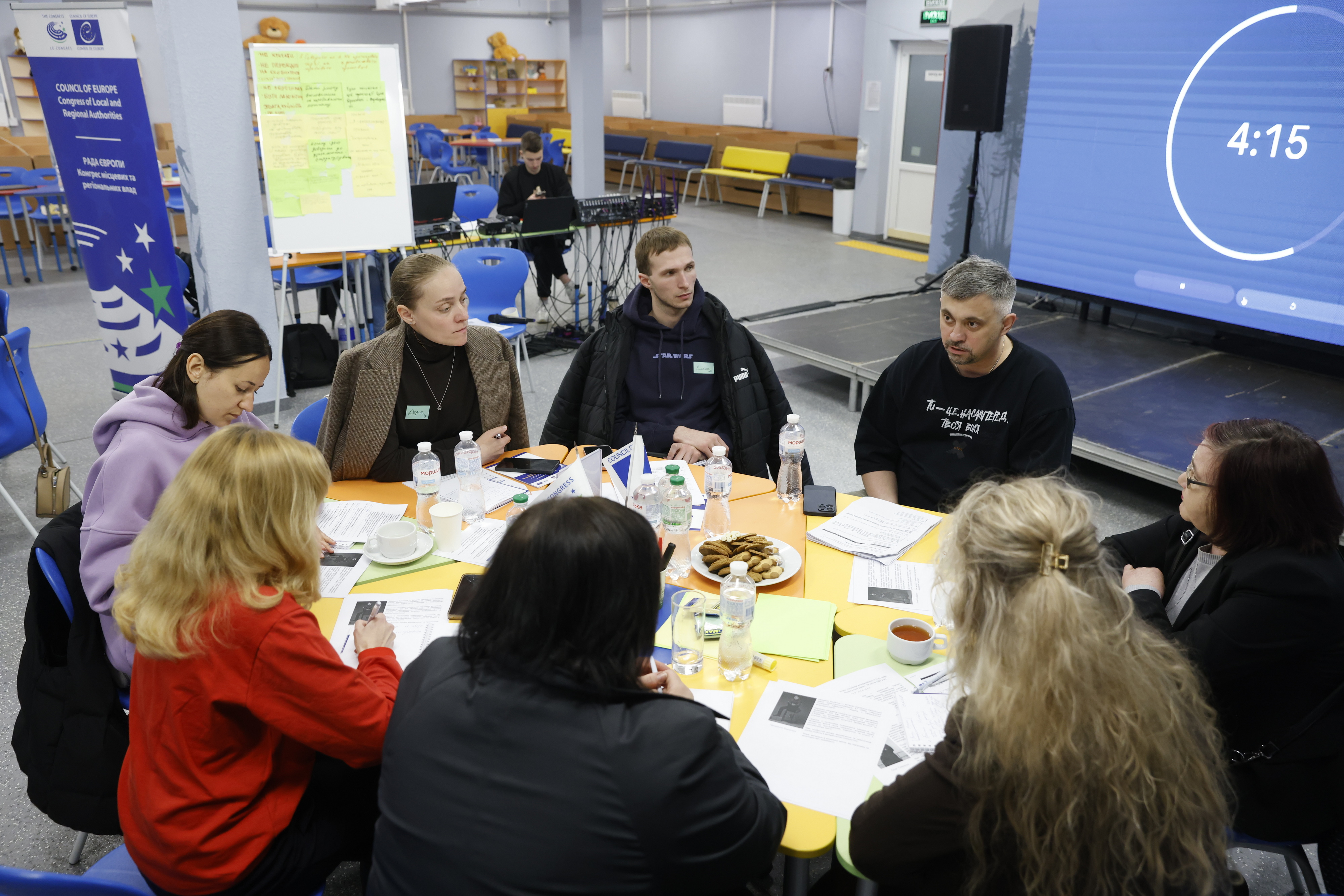
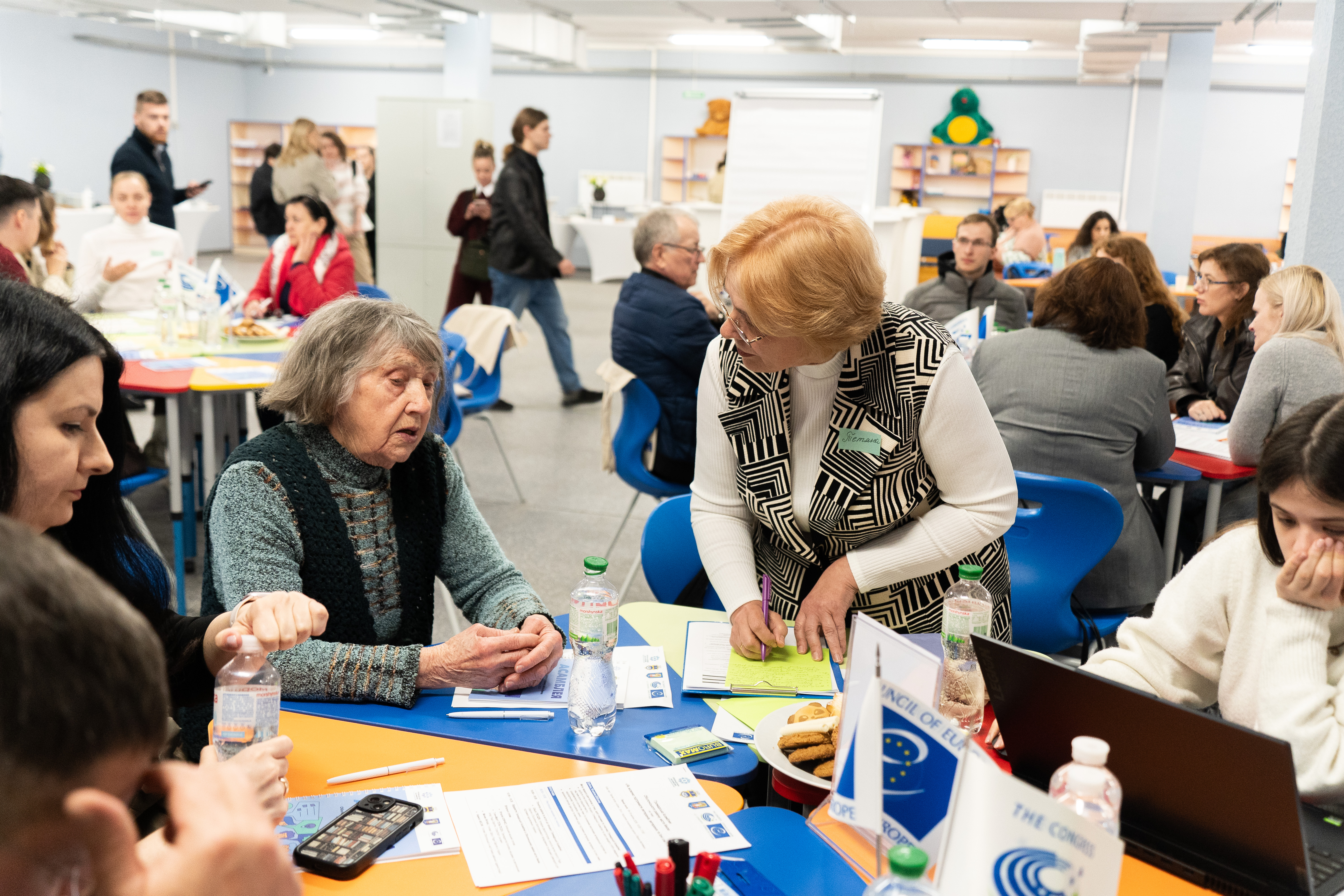
45 residents of Kyiv’s Obolon district are working together to develop recommendations for local authorities on how to support veterans, veteran women, and their families.
On 18–19 April 2026, the first session of the Citizens’ Assembly took place in Kyiv’s Obolon district, organised with comprehensive support from the Council of Europe project “Strengthening multilevel governance and local democracy to support Ukraine's recovery”.
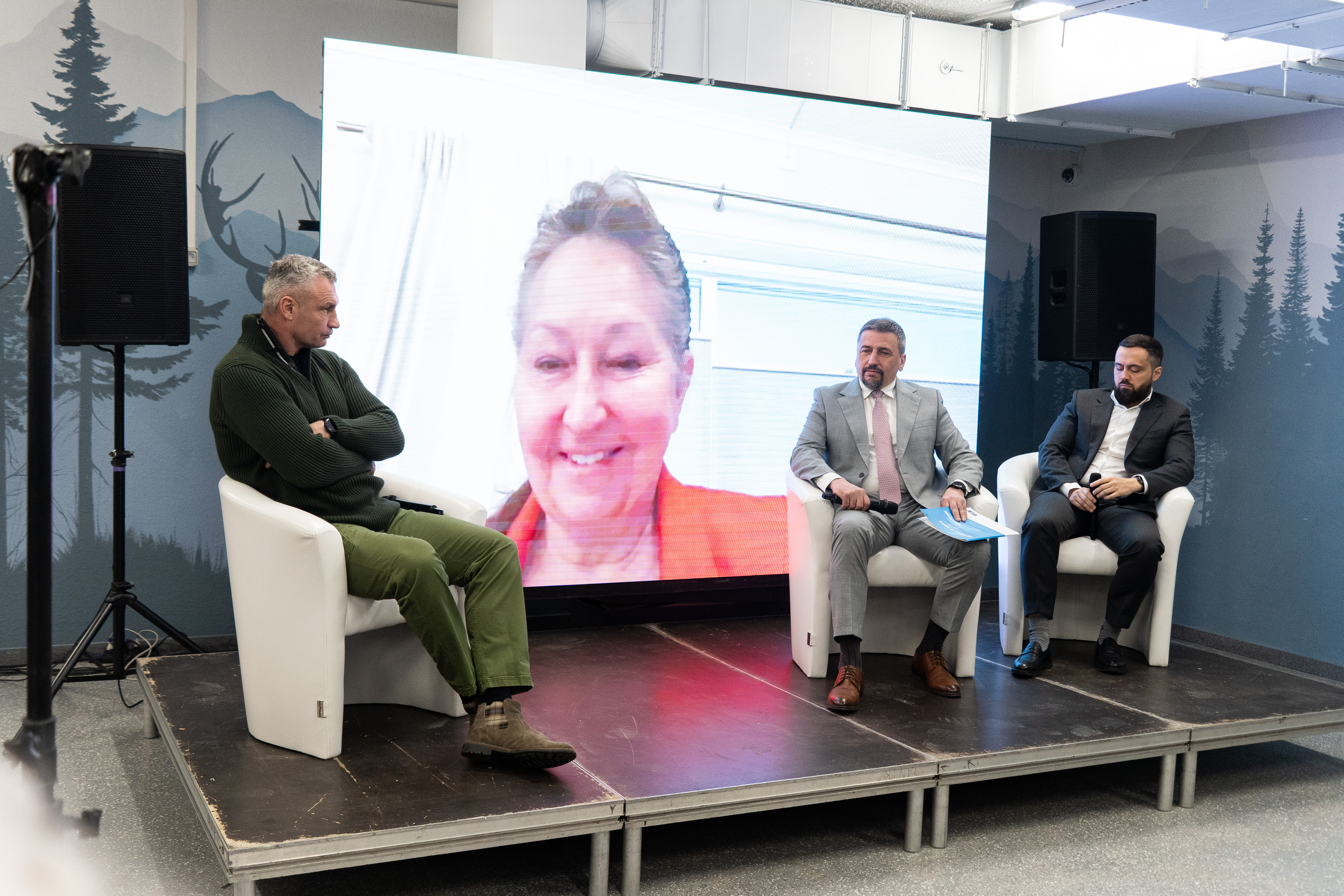
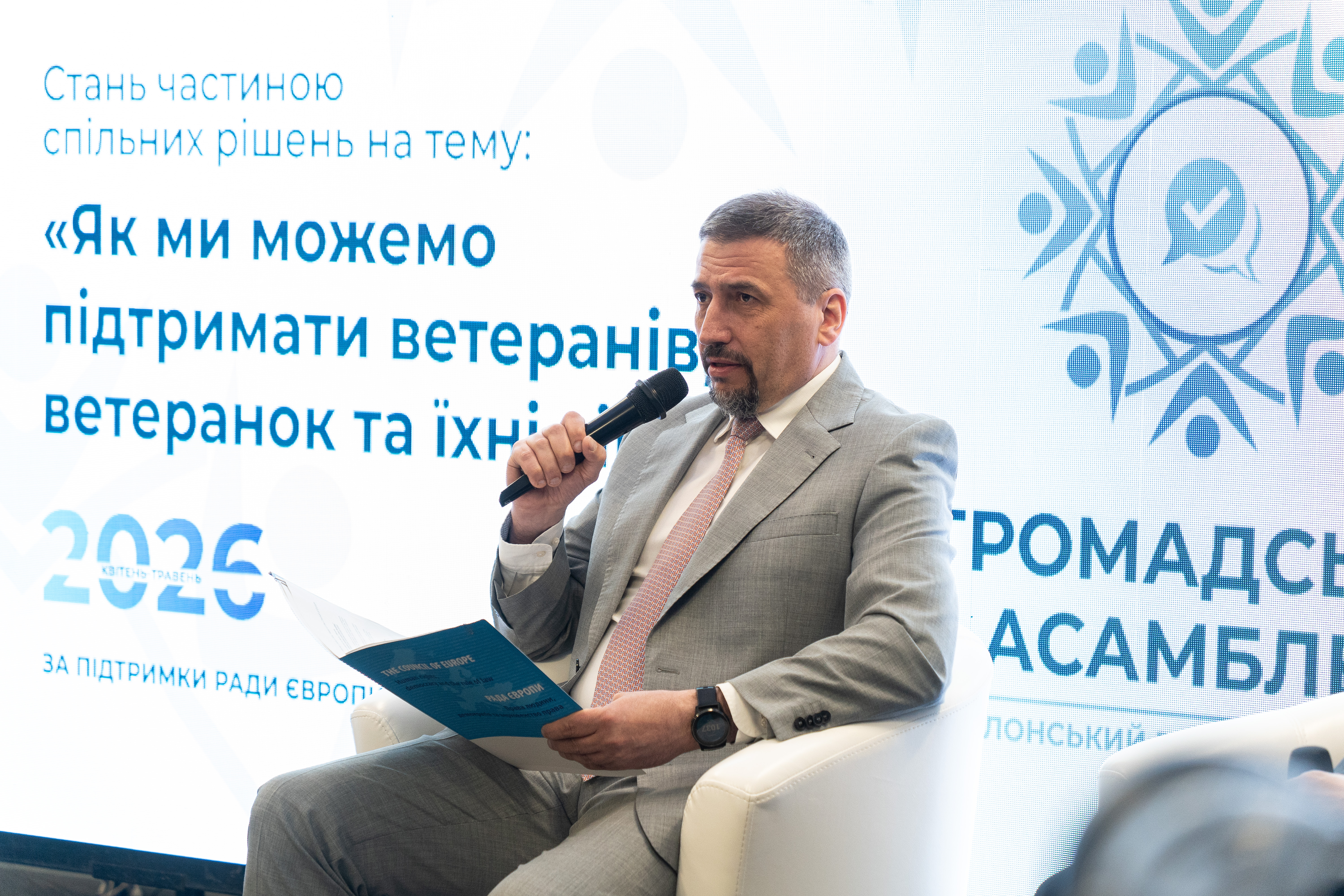
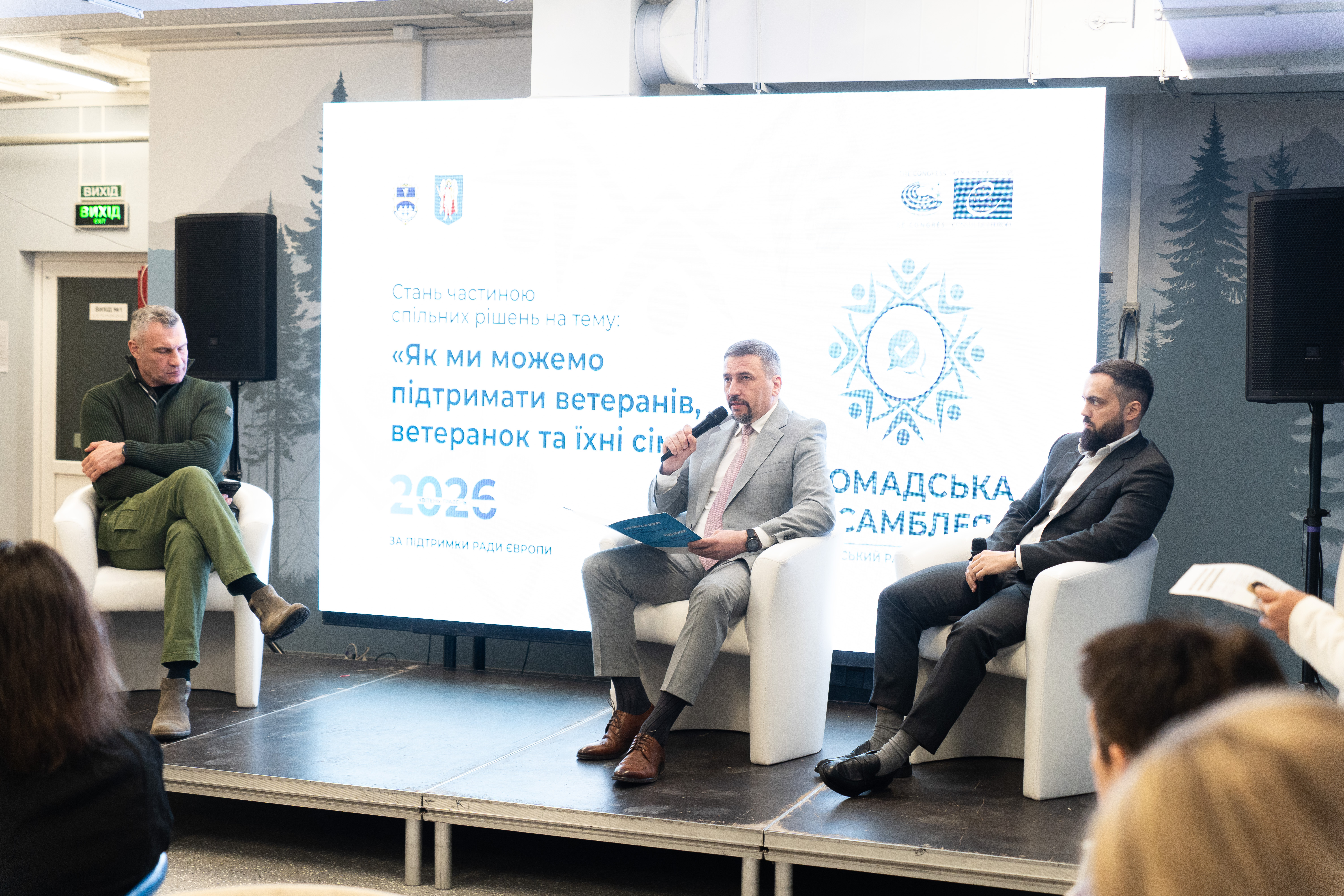
The session was opened by Gunn Marit Helgesen, President of the Congress of Local and Regional Authorities (online), Vitalii Klitschko, Mayor of Kyiv, Maciej Janczak, Head of the Council of Europe Office in Ukraine, and Kyrylo Fesyk, Head of the Obolon District State Administration, who highlighted the importance of citizen participation in shaping inclusive and responsive local policies, particularly in the context of supporting veterans and their families.
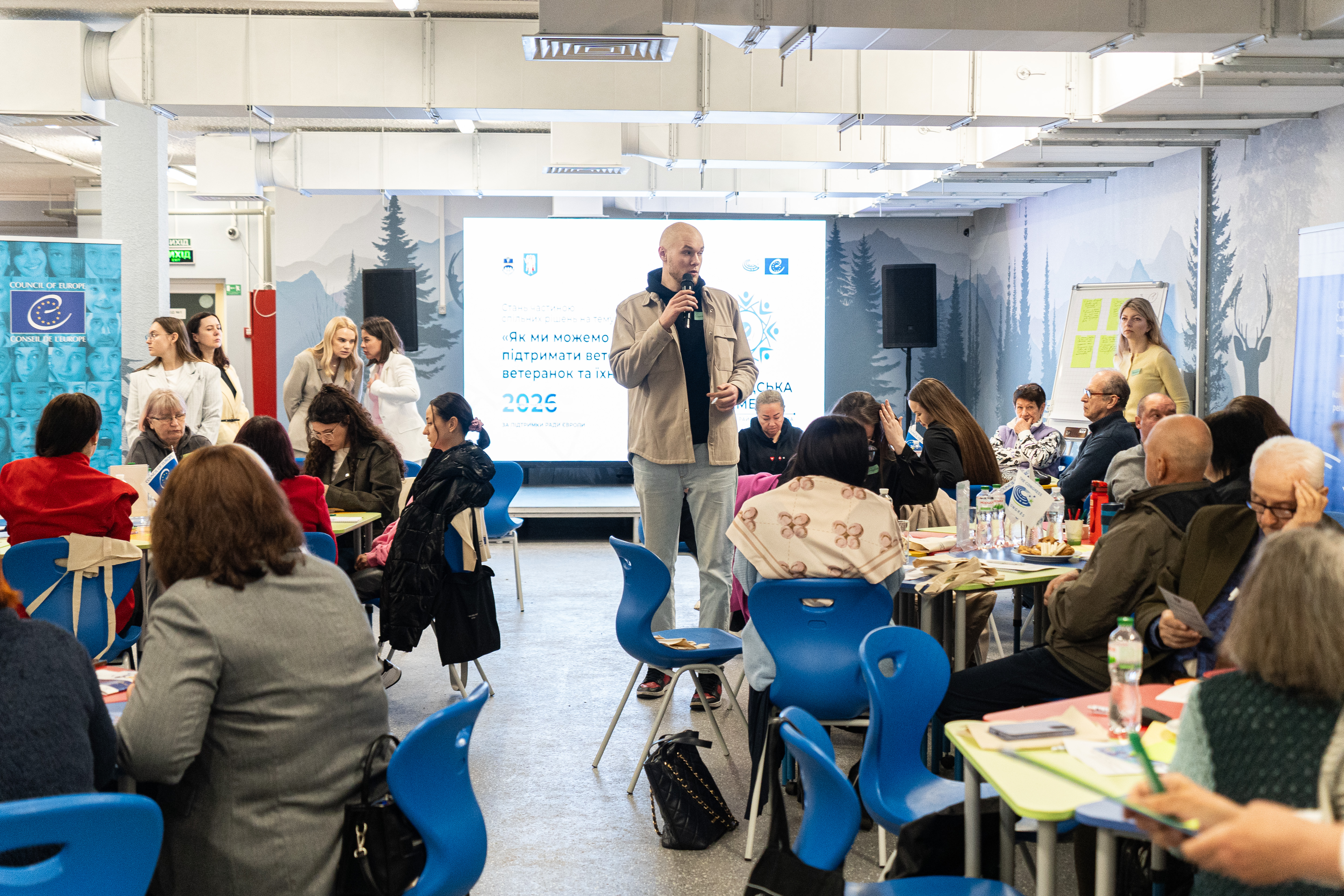
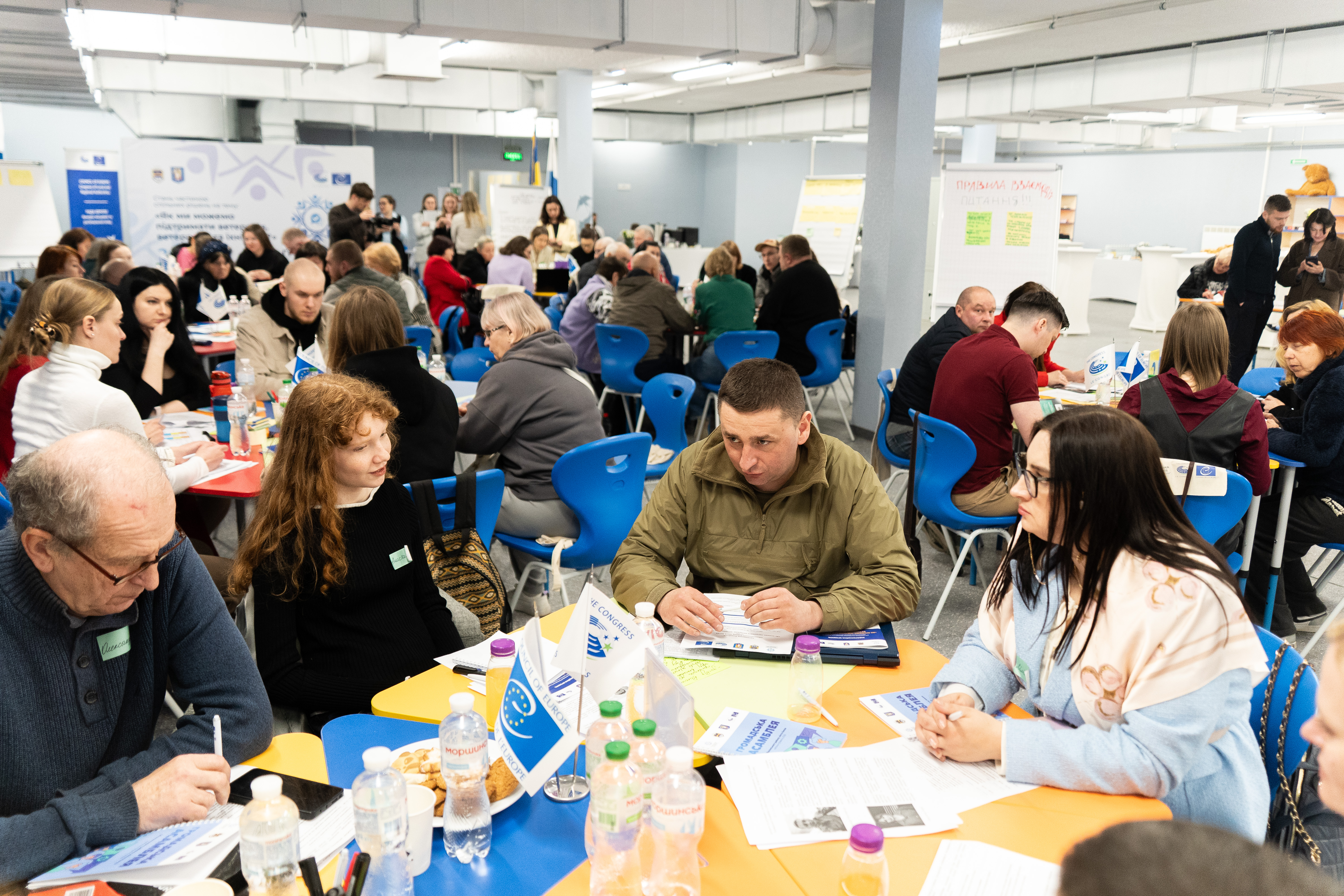
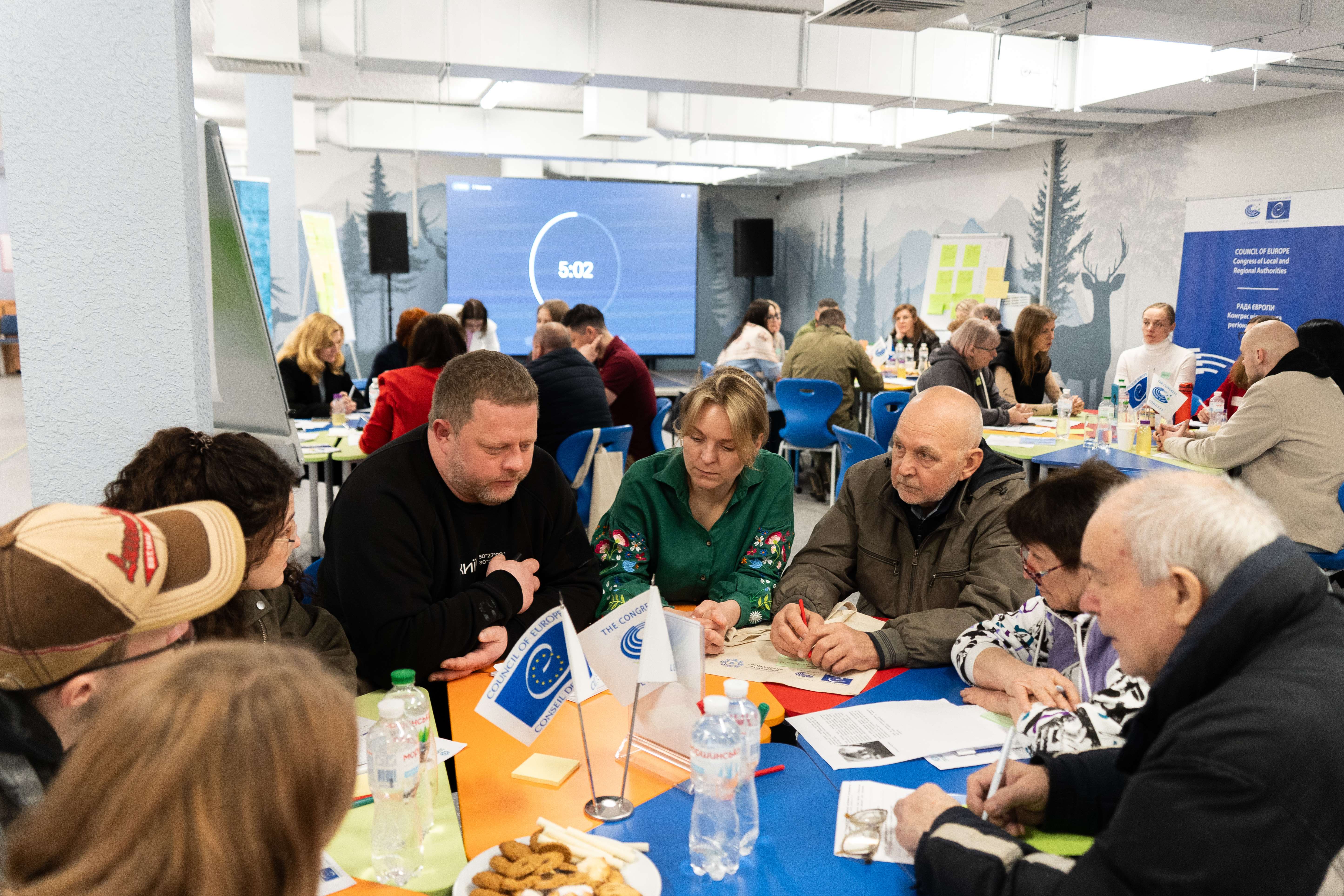
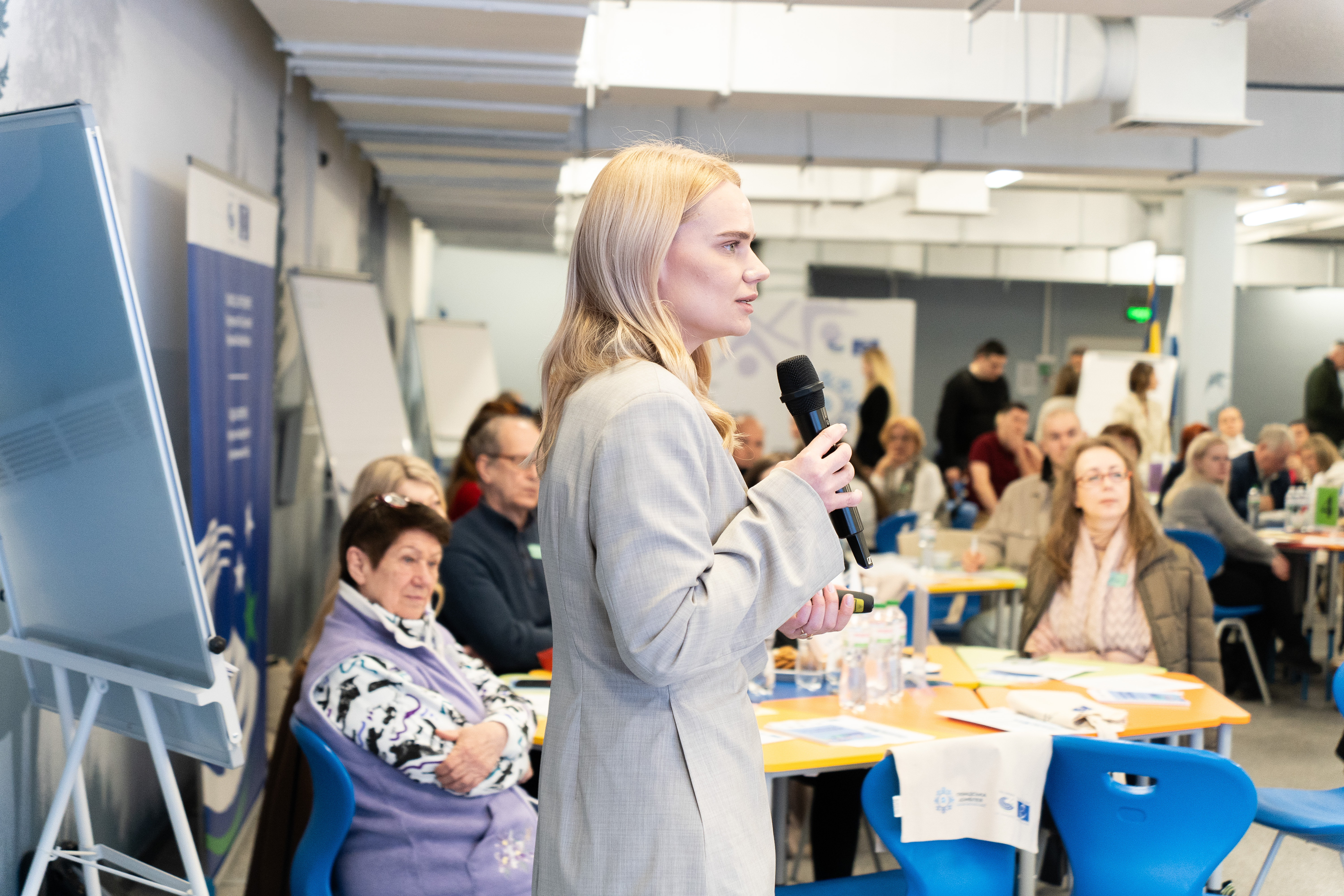
According to the methodology of Citizens’ Assemblies, the participants were randomly selected to reflect the district’s population in terms of age, gender, level of education, and place of residence. Together, they began work on the question: “How can we support veterans, veteran women, and their families?” They are being supported throughout the process by independent experts and professional facilitators.
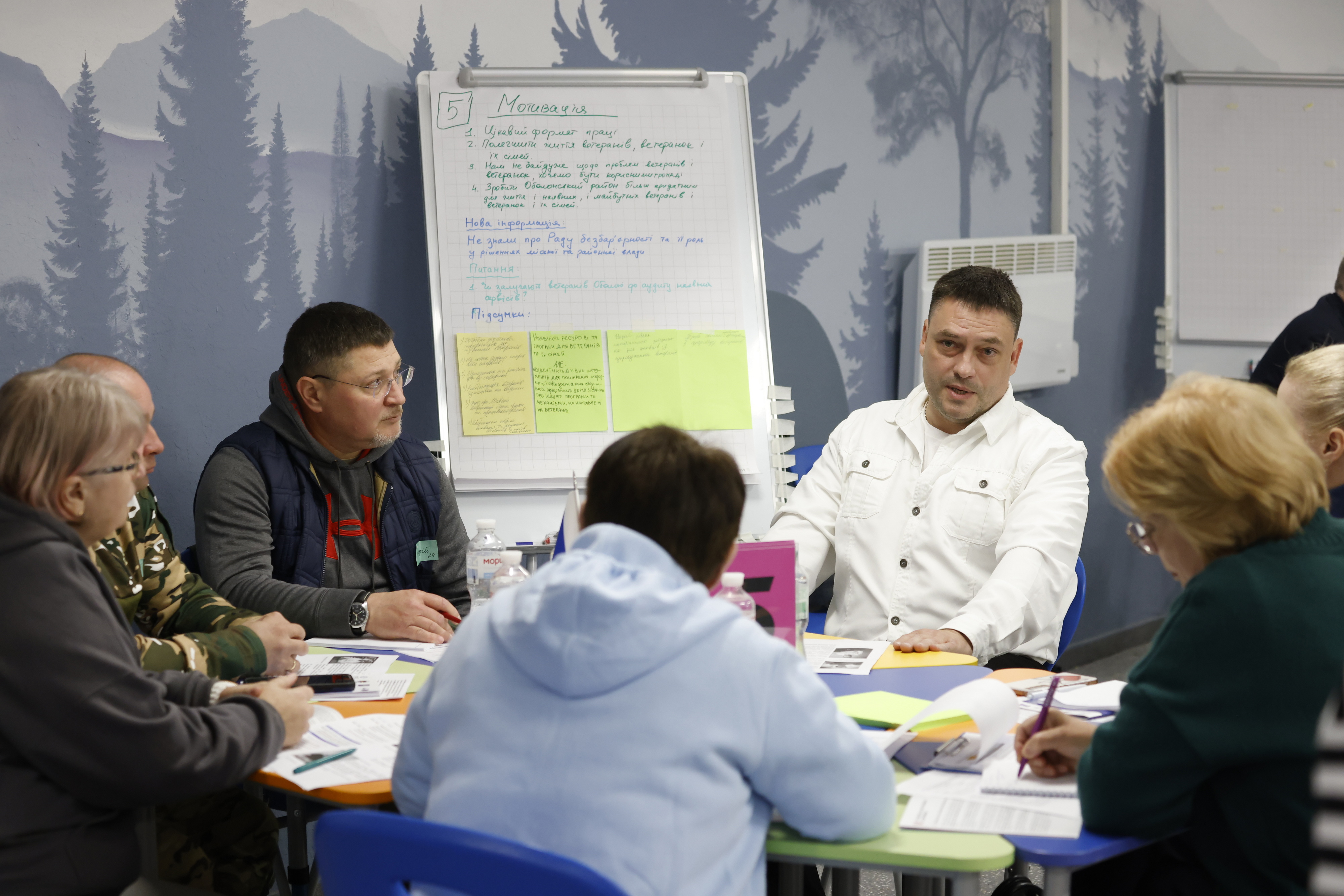
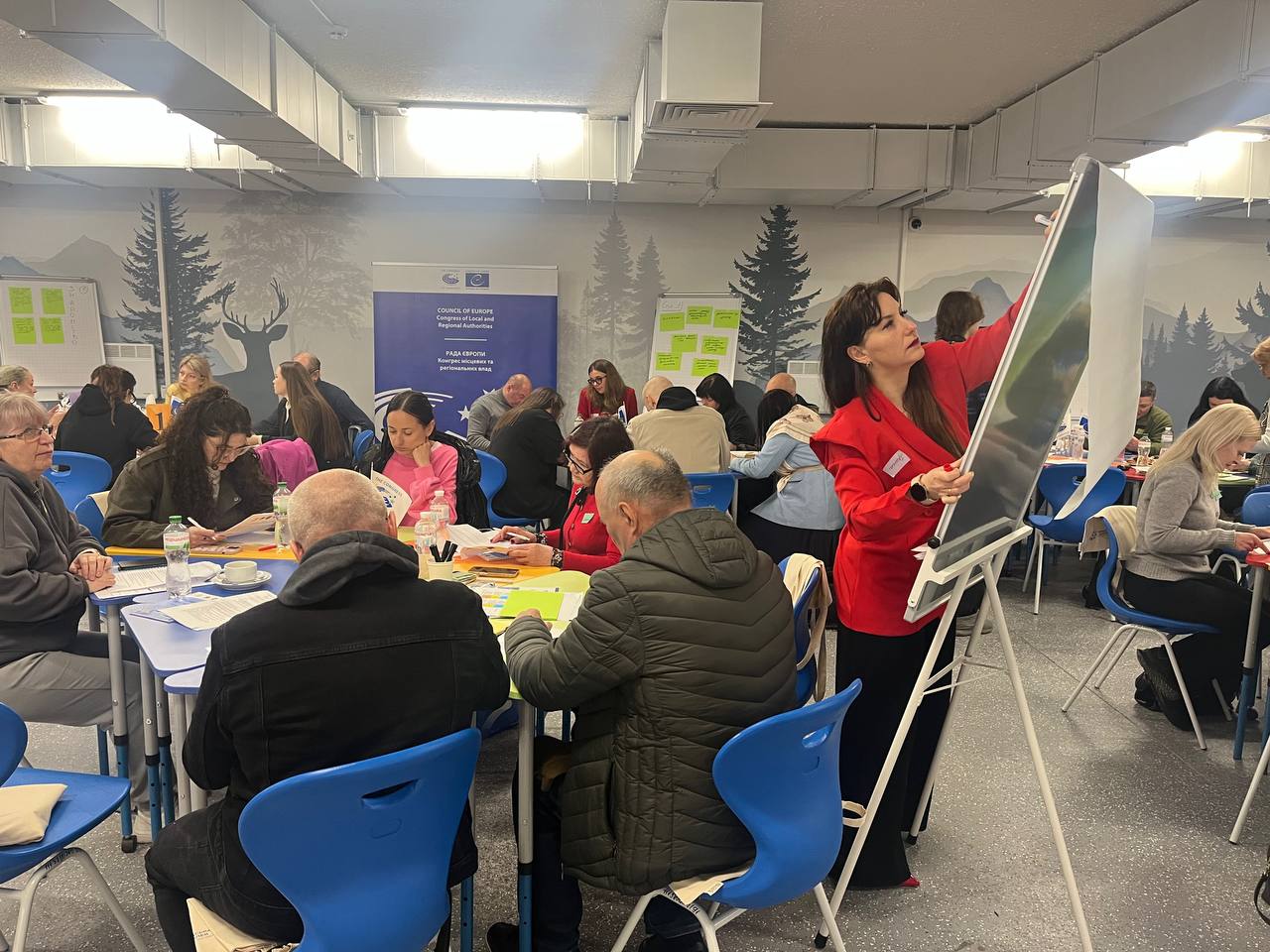
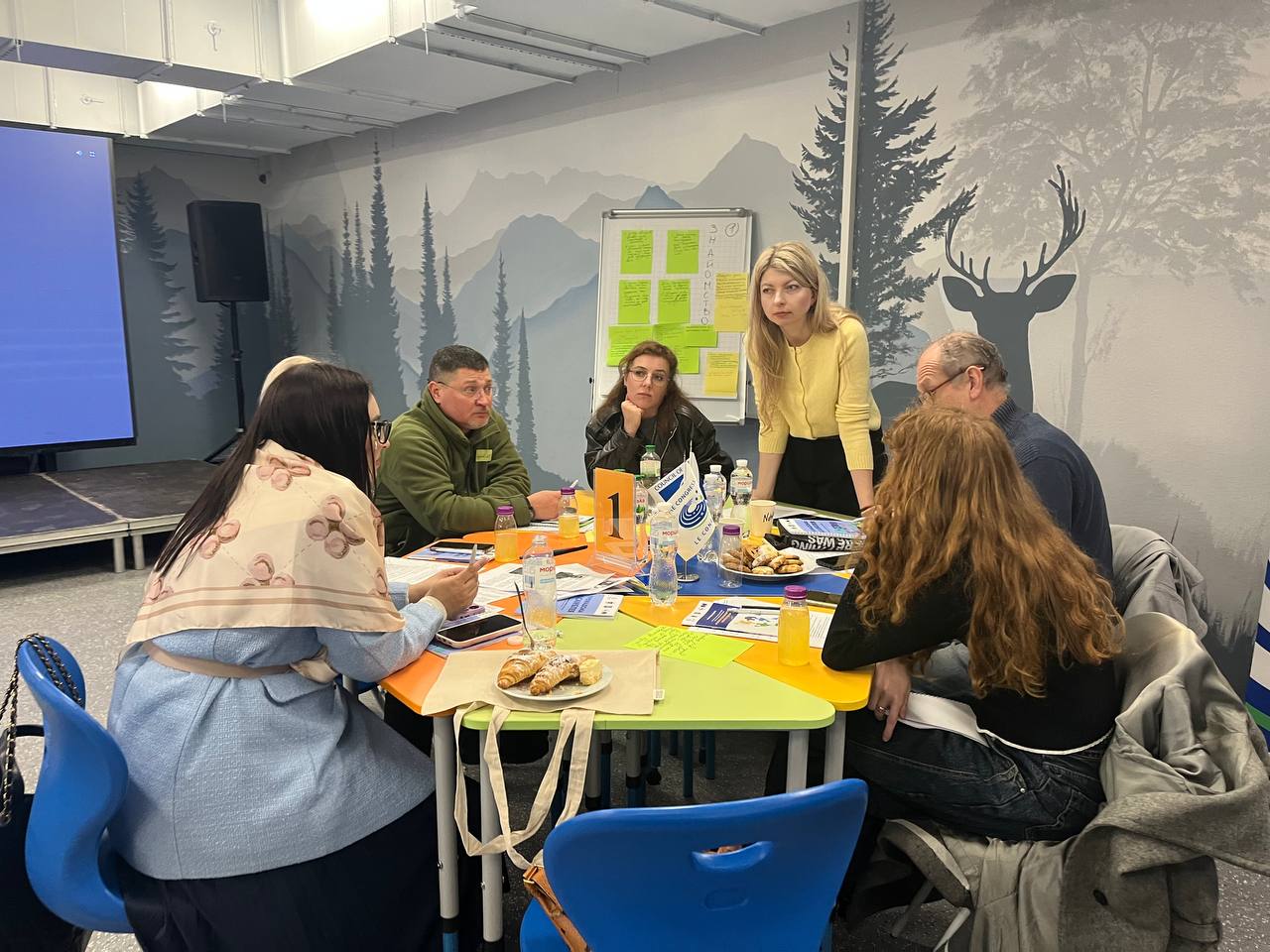
During the first session, participants explored the main challenges of veterans’ policy at both national and local levels, gained a deeper understanding of the needs of veterans and their families, and discussed the difficulties they face in different areas of life. Together, assembly members created a shared map of key problems and challenges, which will serve as the basis for developing solutions during the next sessions.
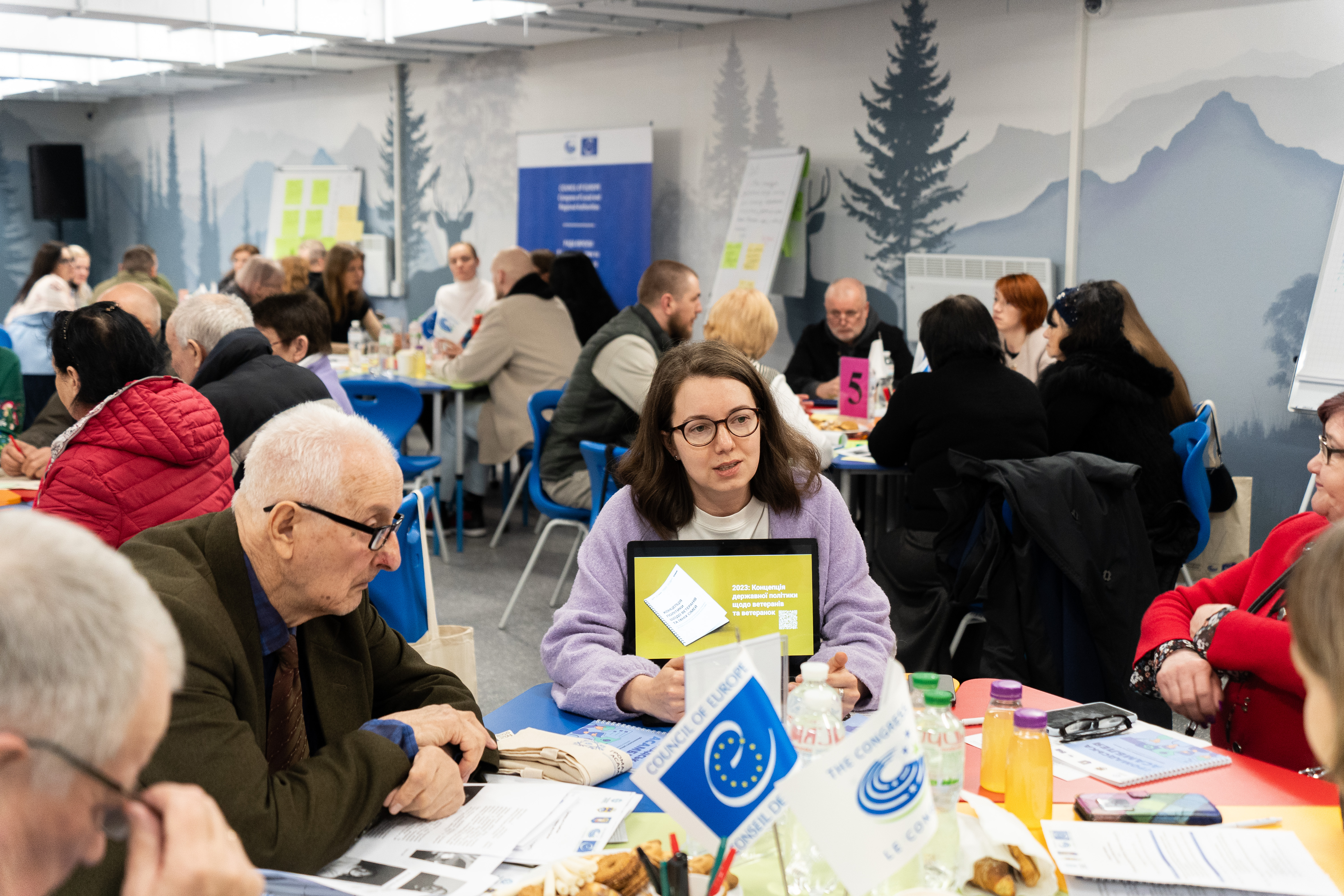
Invited experts included representatives of the city and district authorities, civil society organisations, human rights advocates, as well as veterans and veteran women themselves. In the “speed dialogues” format, they moved from table to table, sharing their personal experiences, answering questions, offering practical examples, and speaking about the real needs and barriers they face after military service.
All the information gathered during the learning phase will help participants prepare meaningful recommendations for local authorities. In turn, the authorities have committed to considering the proposals developed by the Assembly.
The planning and preparation for the citizens’ assembly lasted for more than five months. Its planning, preparation, and execution fully adhere to the Recommendation CM/Rec(2023)6 of the Committee of Ministers of the Council of Europe on deliberative democracy, as well as international standards for participatory democracy. The next sessions of the Citizens’ Assembly in Kyiv’s Obolon district will take place on 2–3 May and 16–17 May 2026.
The Council of Europe project “Strengthening multilevel governance and local democracy to support Ukraine’s recovery” provides comprehensive expert and methodological support for the organisation and implementation of citizens’ assemblies in the Rivne community, the Obolon District of Kyiv, and the Lviv Agglomeration in 2026. In October 2025, the respective Memorandums of Understanding were signed in Strasbourg.
The preparation and implementation of the citizens’ assembly take place within the Council of Europe Action Plan for Ukraine “Resilience, Recovery and Reconstruction” for 2023-2026 and the project “Strengthening multilevel governance and local democracy to support Ukraine’s recovery”, implemented by the Council of Europe Centre of Expertise for Multilevel Governance at the Congress of Local and Regional Authorities.