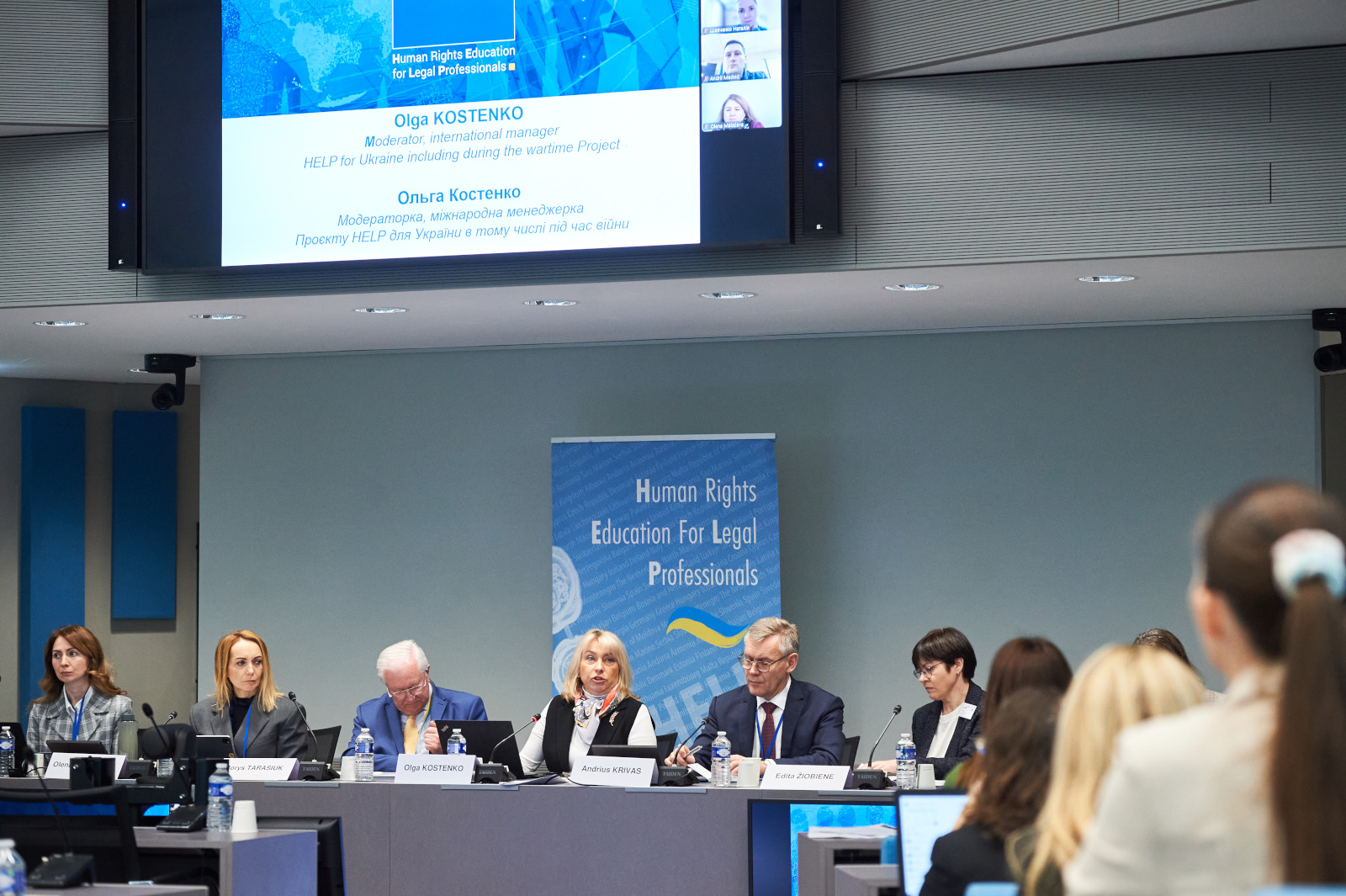
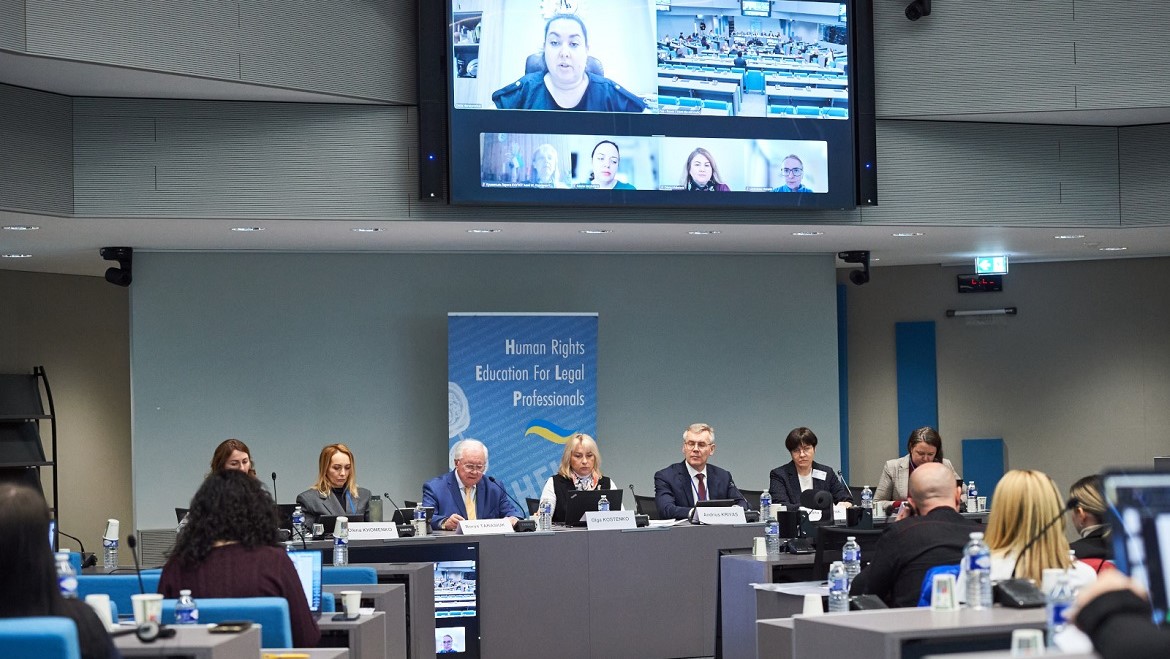
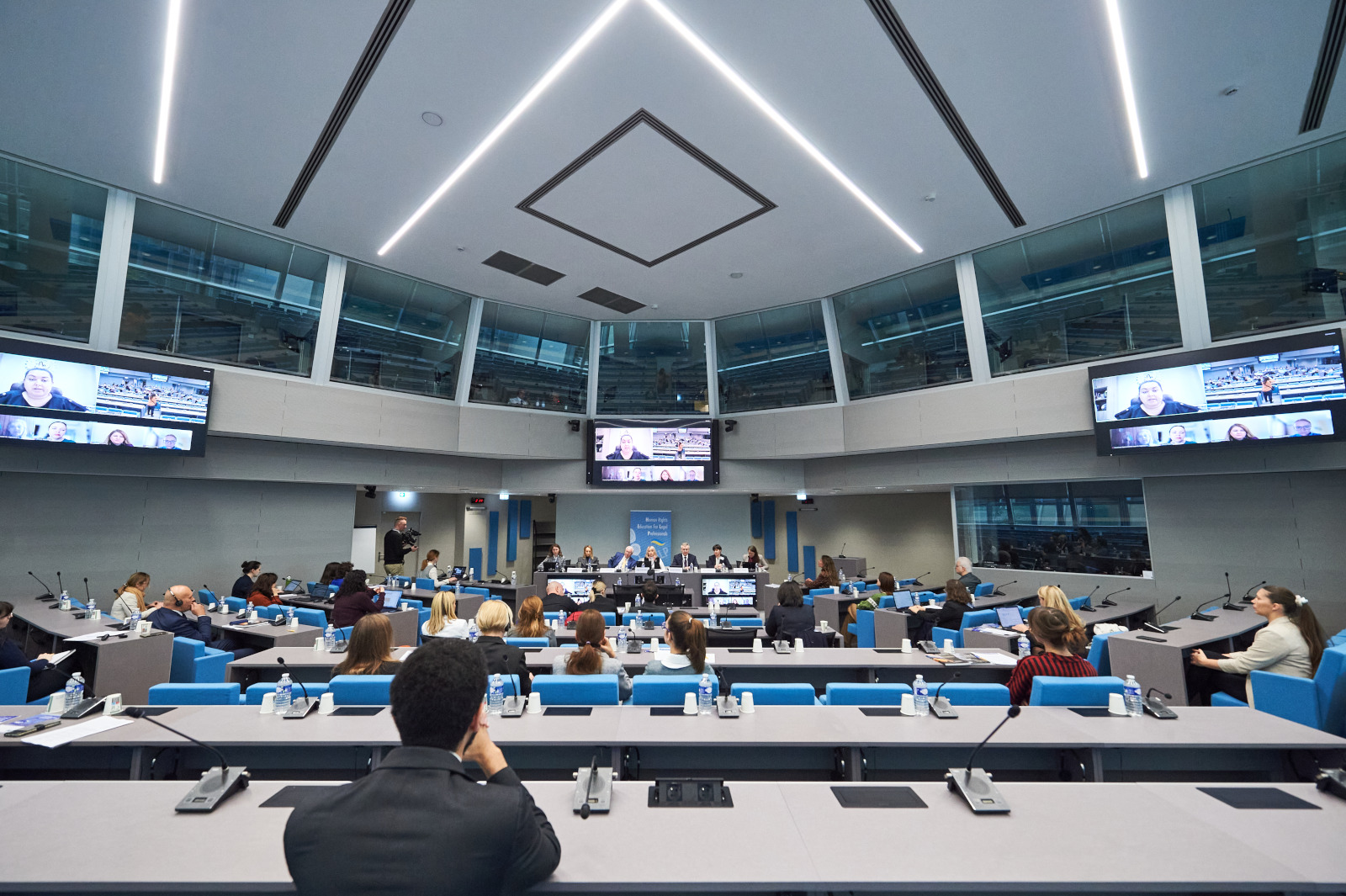
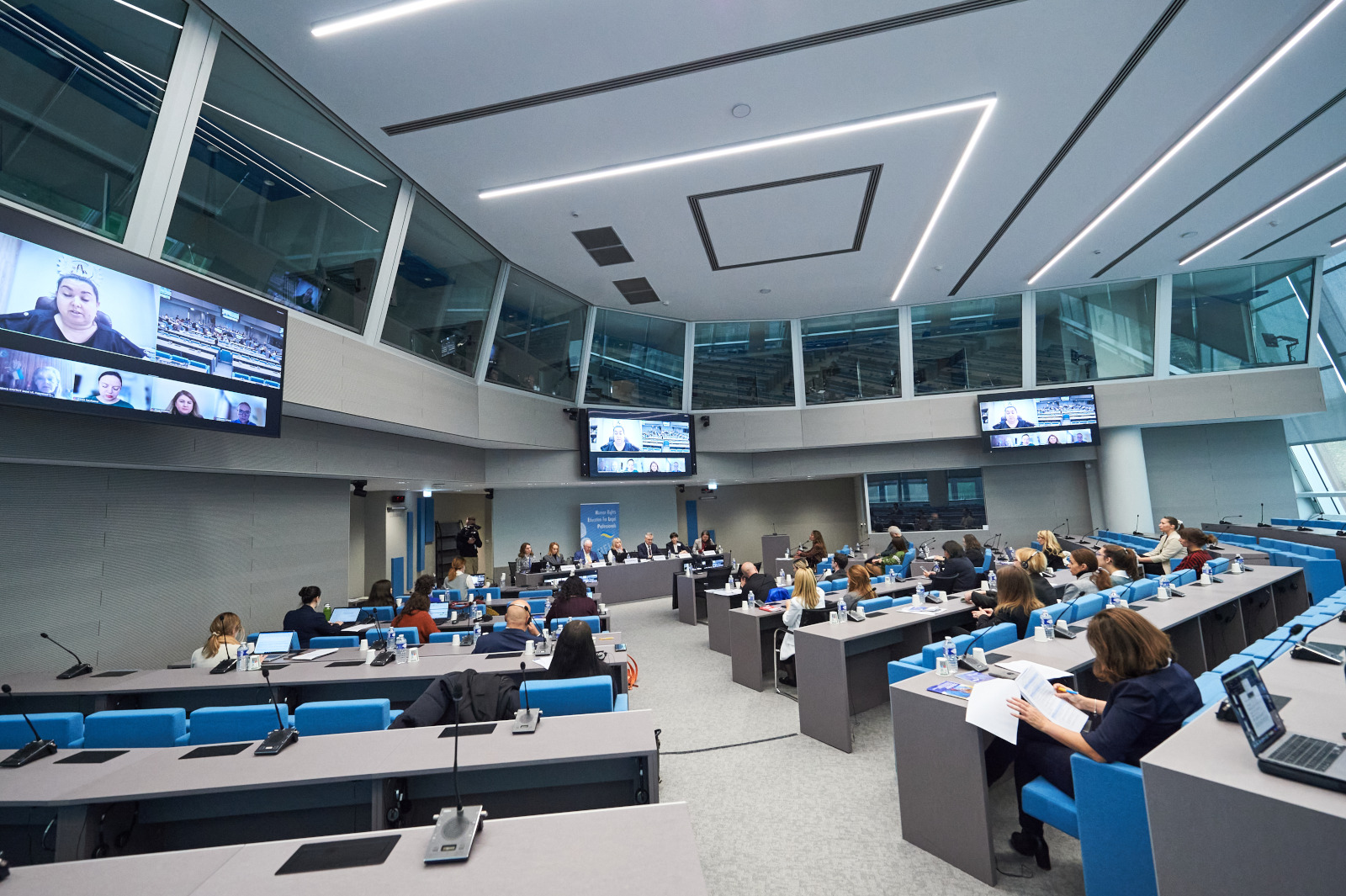
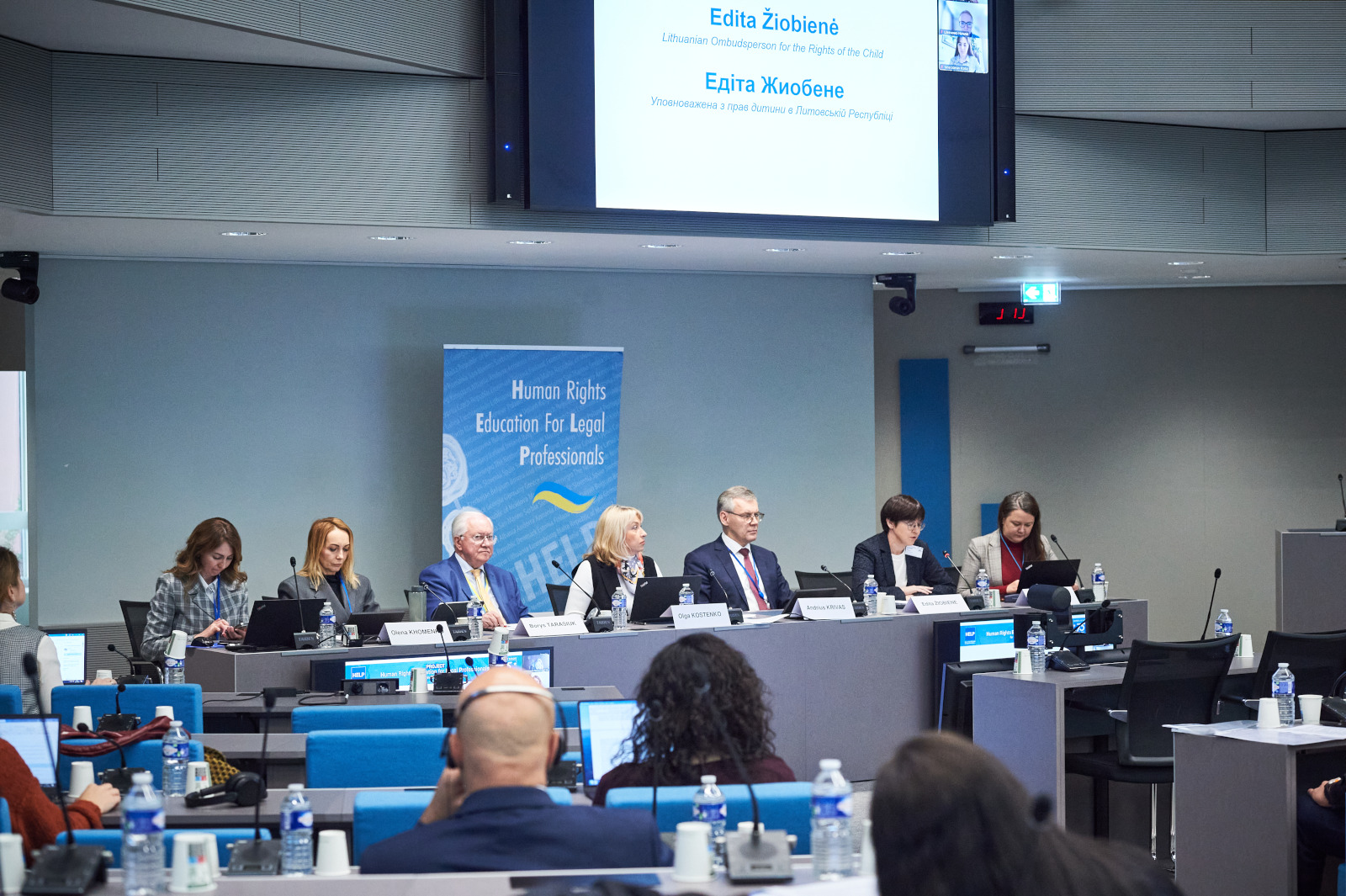
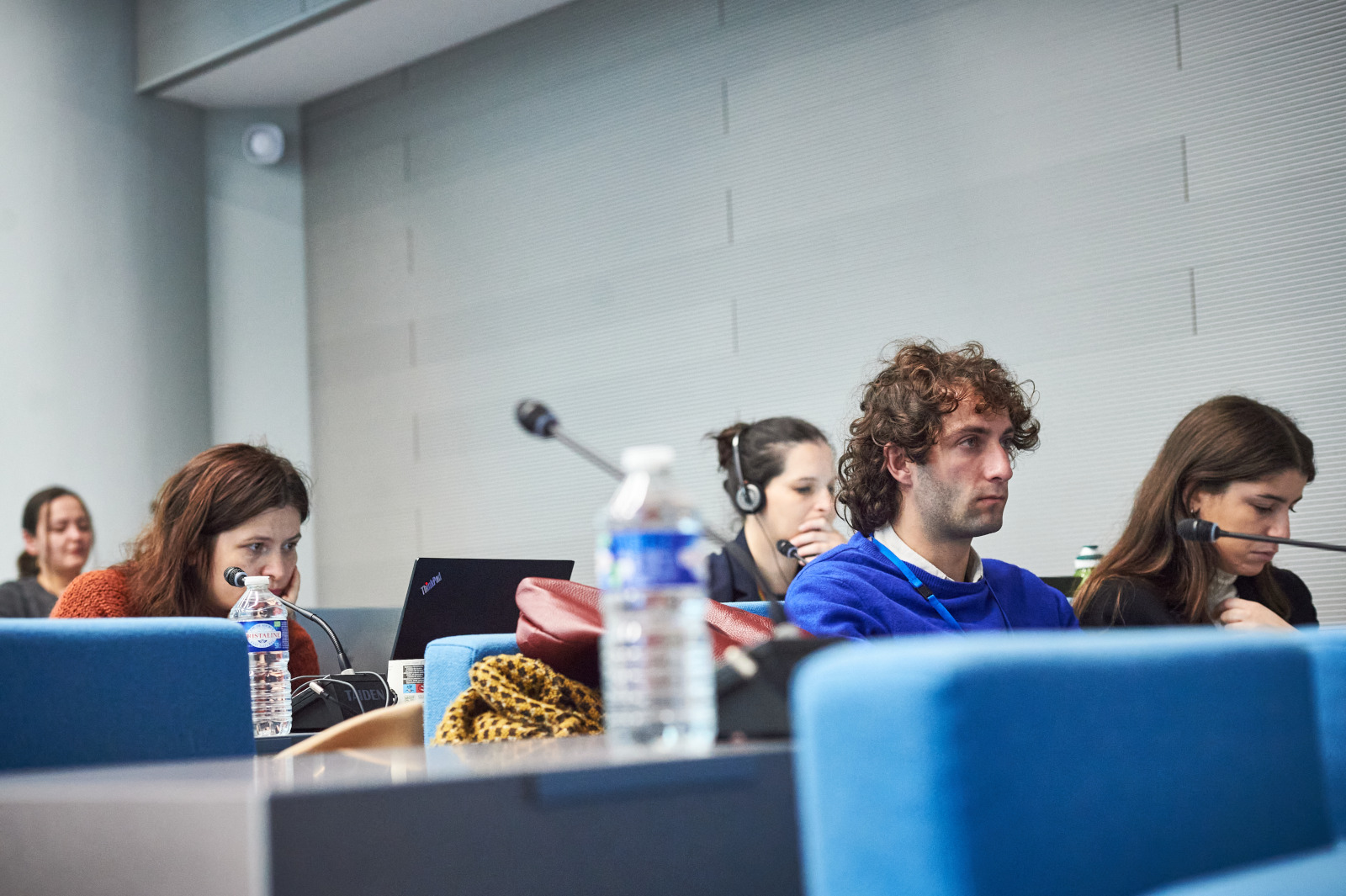
On November 4, 2024, the Council of Europe HELP Programme held a conference in Strasbourg addressing the deportation of children during armed conflicts, to mark the publication of a new HELP online course on the topic. The event, organised under the project “HELP in Ukraine, including during wartime”, underscored the urgent need for specialised training to confront child deportation and introduced the new course to the audience, which aims to equip legal professionals with essential knowledge and tools to address the complexities of child deportation in war zones.
The opening remarks emphasised the importance of legal education in combating child deportation. Daria Herasymchuk, Advisor and Commissioner to the President of Ukraine on the Child`s Rights and Children Rehabilitation stressed the impact of deportations on Ukrainian children and shared the information about the Bring Kids Back UA Presidential initiative aimed to respond to these horrific acts. Lithuanian Ombudsperson Edita Žiobienė and PACE Vice-President Olena Khomenko highlighted the legislative needs for protecting children. Ambassador Andrius Krivas, representing Lithuania’s Presidency in the Committee of Ministers, underscored international support, while Ana-Maria Telbis, Head of the Justice and Human Rights Training Division, emphasised the Council’s dedication to training legal professionals to safeguard vulnerable children.
Central to the conference was the HELP course developed and tailored for those addressing child deportation. Patrycja Grzebyk, a Council of Europe expert and course co-author, provided an overview, stressing the importance of educating legal professionals on the illegality of child deportation under international law. Co-author Olga Poiedynok clarified the course's explanation of the provisions of international law prohibiting the deportation of children during armed conflict, as well as the rules governing the treatment of displaced children.
The first panel, “The Problem of Deportation of Children in International Humanitarian Law,” delved into the legal frameworks governing child protection in conflicts. Judge Mykola Gnatovskyy of the European Court of Human Rights emphasised the importance of understanding international standards, while Oleksandra Matviichuk, the leader of the Nobel laureate Centre for Civil Liberties underscored the necessity of trained legal professionals in enforcing children’s rights.
A session dedicated to Ukraine followed, examining the deportation crisis Ukrainian children face. Deputy Prosecutor General Victoria Litvinova outlined investigations into crimes against children, while Andriy Pasternak, Head of the Joint Centre for Coordination of Search and Release of Prisoners of War and Illegally Deprived of Liberty as a Result of Aggression against Ukraine at the Security Service of Ukraine, discussed the challenges in securing the return of abducted children. LtCol/Dr. Inna Zavorotko from Ukraine’s Ministry of Defence explained the Ministry’s legal initiatives to safeguard children’s rights, underscoring the importance of skilled legal support. Iryna Suslova, Representative of the Ombudsperson on Children`s Rights informed about the scope of deportation and the existing challenges in returning Ukrainian children.
The afternoon session, “Return and Rehabilitation of Ukrainian Children after Deportation” shifted the focus to recovery and reintegration. Following a screening of Deported and Displaced by Russia: Ukraine’s Disabled Children, Ibrahim Olabi from the Reckoning Project discussed the risks of indoctrination for deported children and emphasized accountability. Mariam Lambert, Co-Founder of the Emile Foundation, stressed the need for a robust framework to support children, many of whom are returned to frontline villages. Olena Rozvadovska, CEO of Voices of Children, highlighted the critical need for trauma care frameworks, while Olha Yerokhina from Save Ukraine stressed the ongoing threats to children, reinforcing the need for continuous legal training.
The final panel, “Role of the Council of Europe in Preventing Deportation, Facilitating Return, and Supporting Rehabilitation,” reflected on the commitment by different bodies of the Council to providing resources for training and international collaboration. Olena Khomenko shared insights on the role of the Parliamentary Assembly (PACE) in legislative support, while Cecilia Dalman Eek, President of the Chamber of Regions of the Congress of Local and Regional Authorities, and Jennifer Schuetze-Reymann of the Council of Europe’s Children’s Rights Division closed by highlighting the work carried out on psychological support and trauma-informed care to relevant professionals working directly with children of Ukraine affected by war, including through the development of a Manual and HELP course.
The conference concluded with the emphasis that targeted training, as provided by the HELP course, is essential to combating child deportation. By empowering legal professionals with the necessary knowledge and skills, the Council of Europe aims to build a foundation of justice and protection for children impacted by conflict, marking a significant step toward addressing this humanitarian crisis.
The HELP online course on Deportation of Children during Armed Conflicts is available on the CoE HELP eLearning platform in self-learning format (free access, self-paced, certified) at this link.

Recording of the Conference available via the links:
First part
Second part