
via Council of Europe main portal
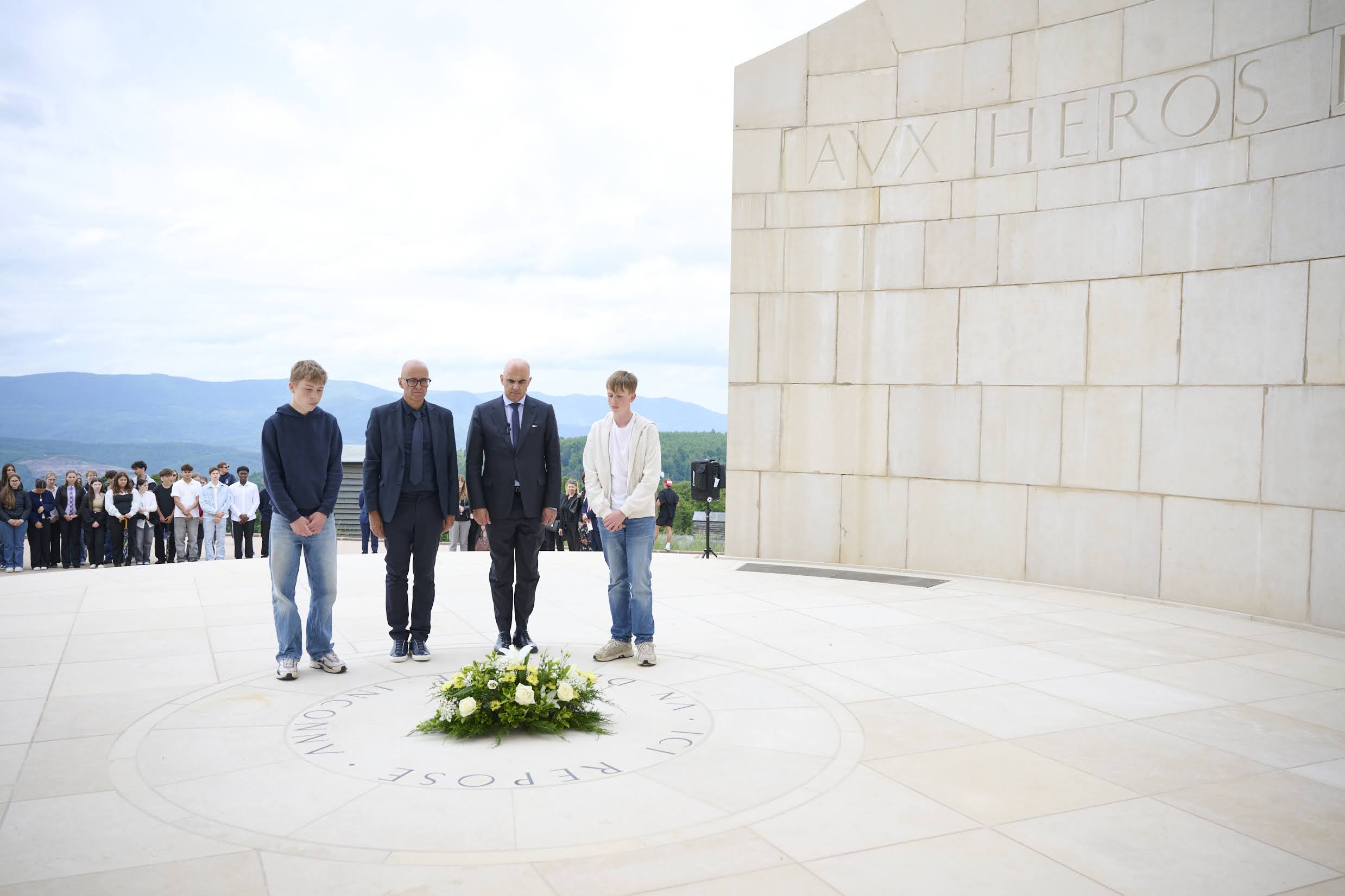
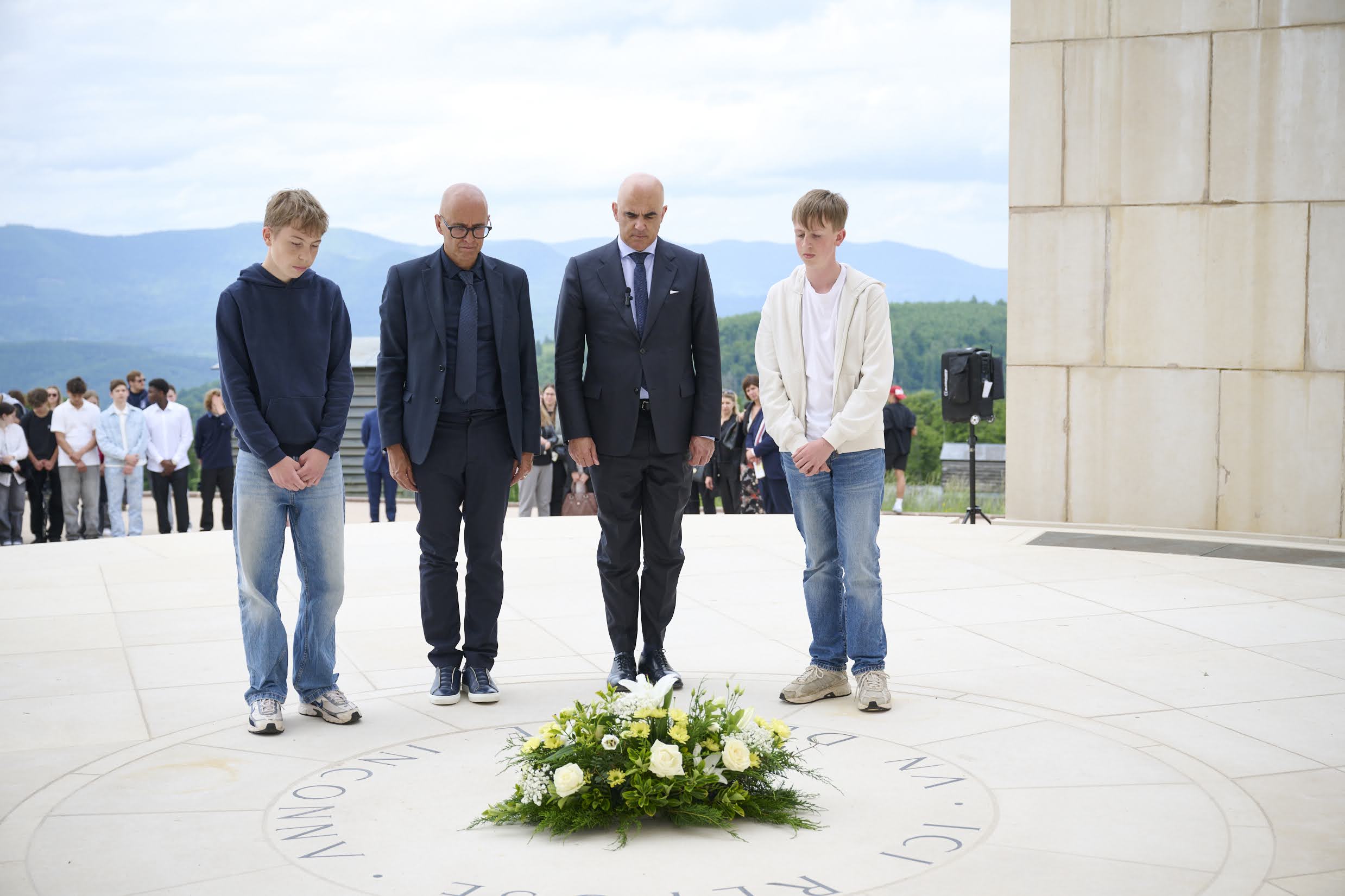
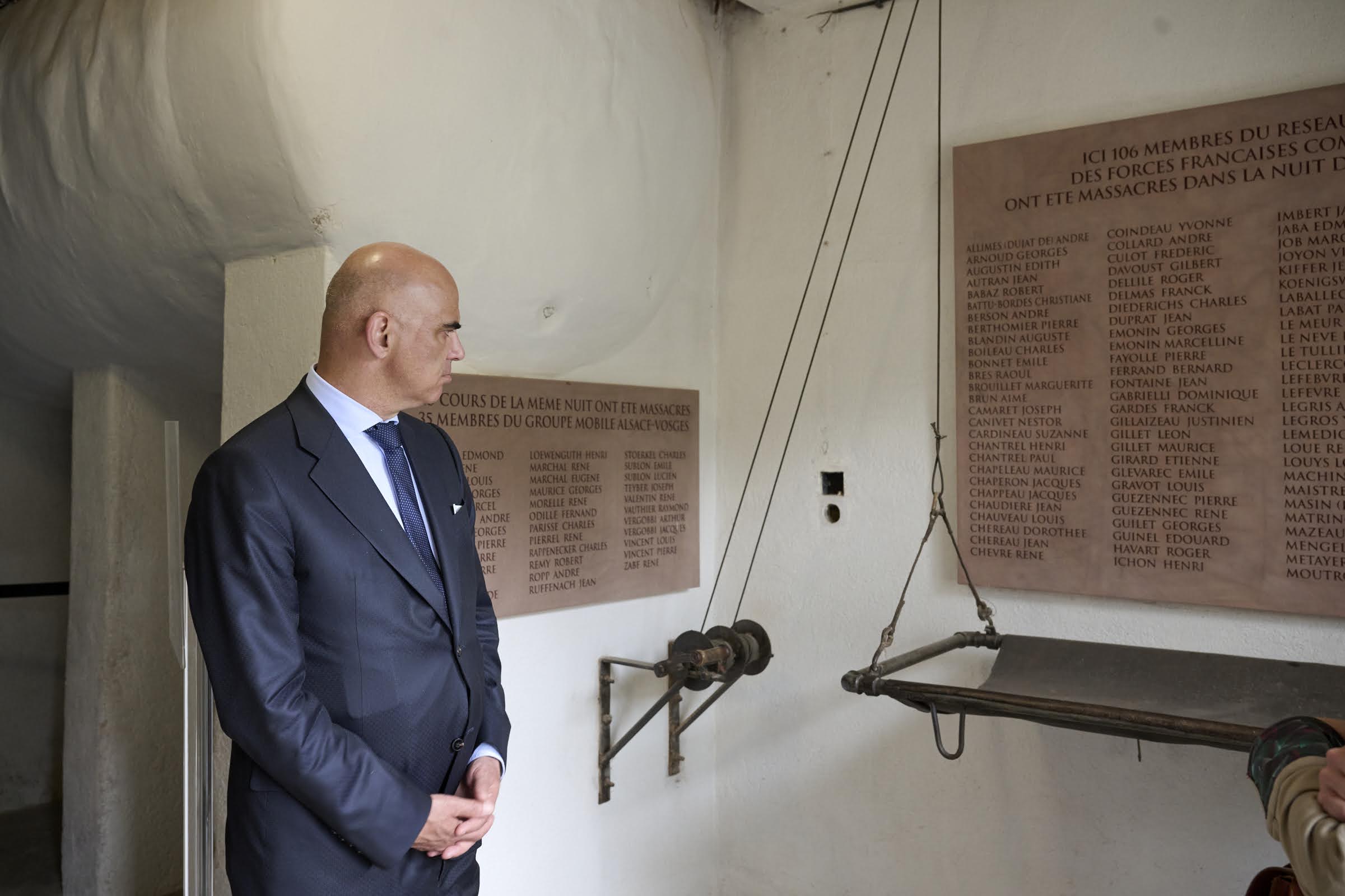
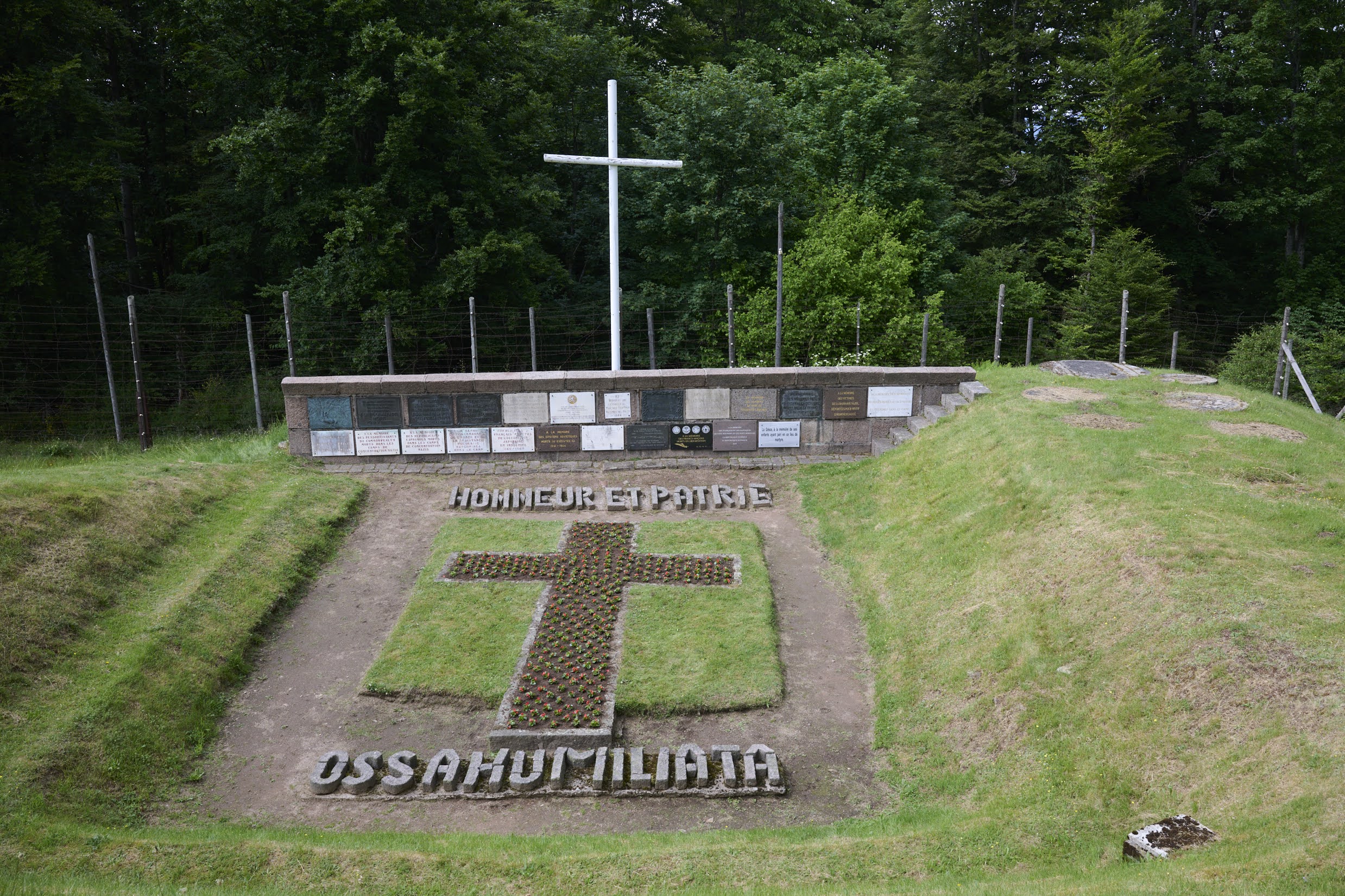
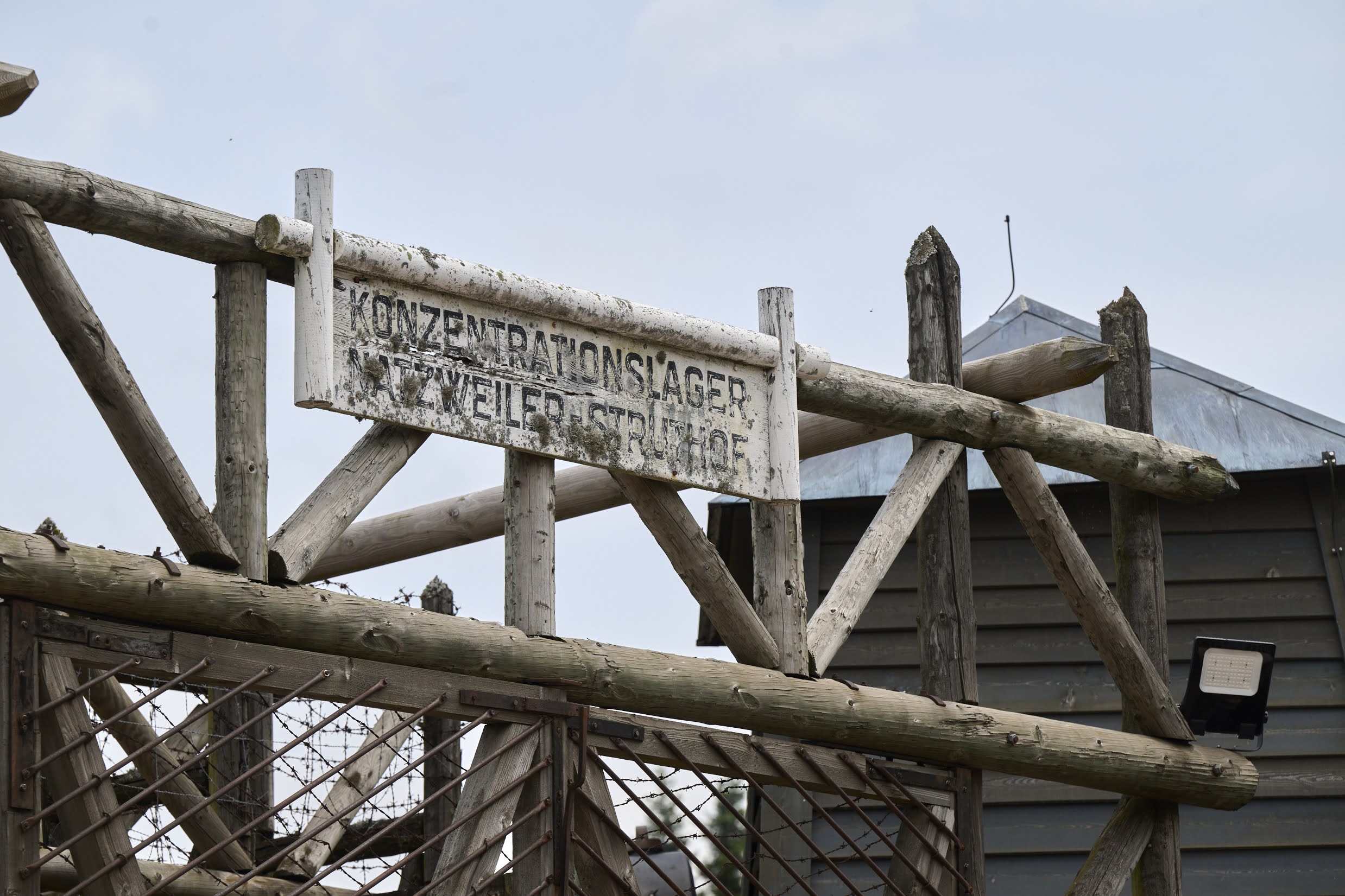
On 3 June Secretary General Alain Berset visited the former concentration camp at Natzweiler-Struthof (Alsace), an iconic memorial site, to reaffirm the importance of history teaching and remembrance of the Holocaust for younger generations.
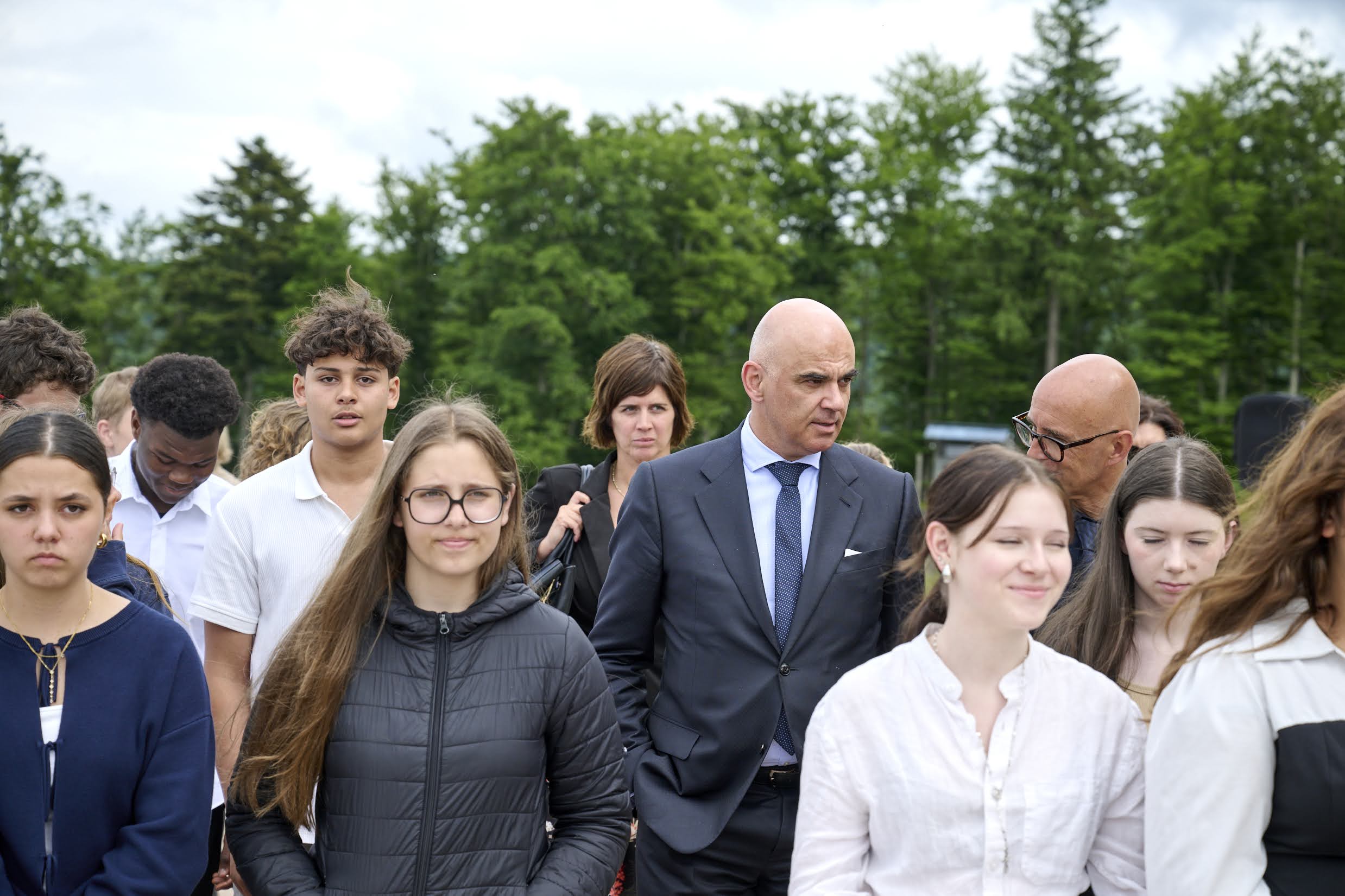
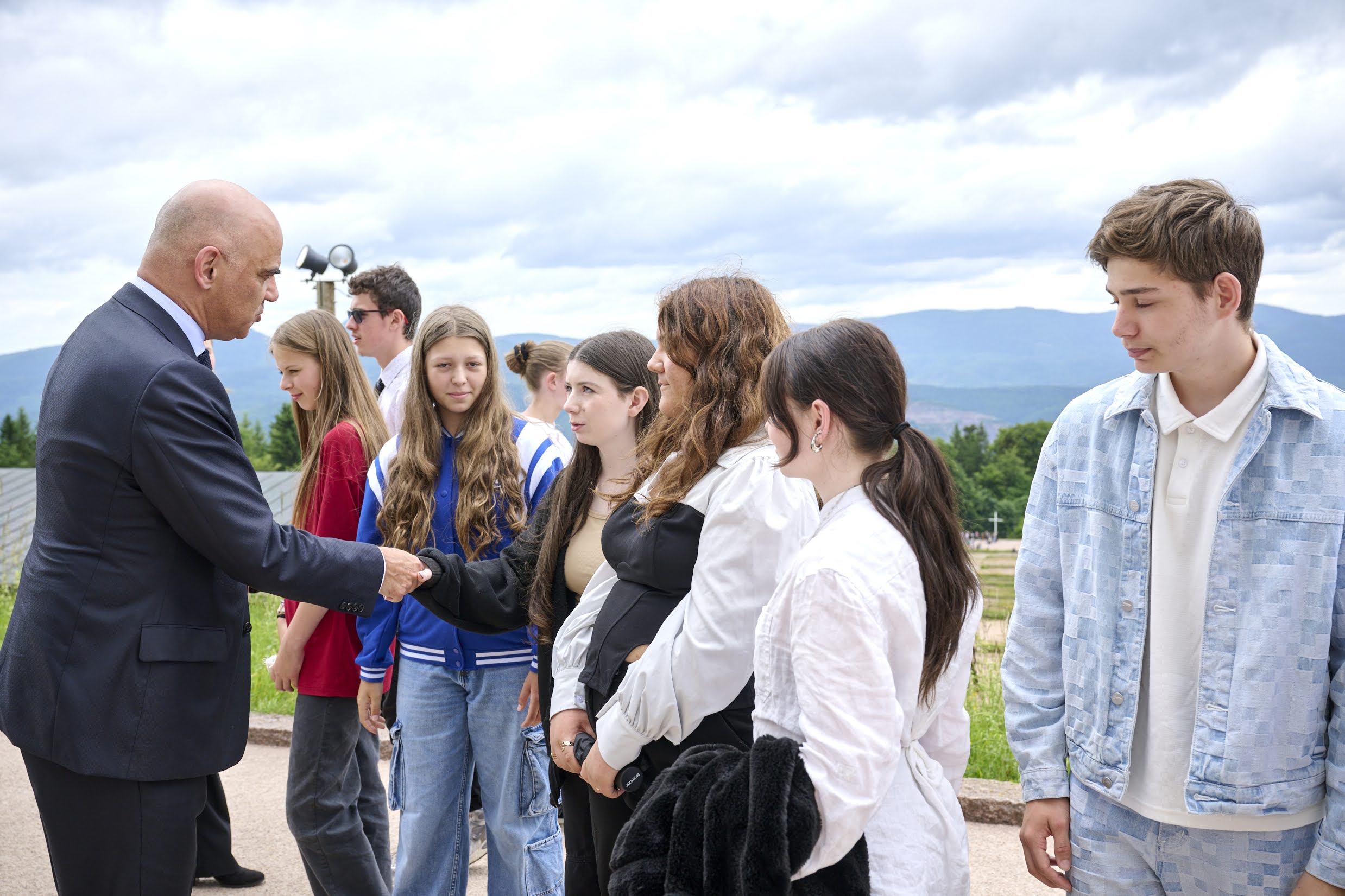
After a moment of quiet reflection, the Secretary General and the President of the European Territorial Authority of Alsace (CEA), Frédéric Bierry, addressed secondary school pupils.
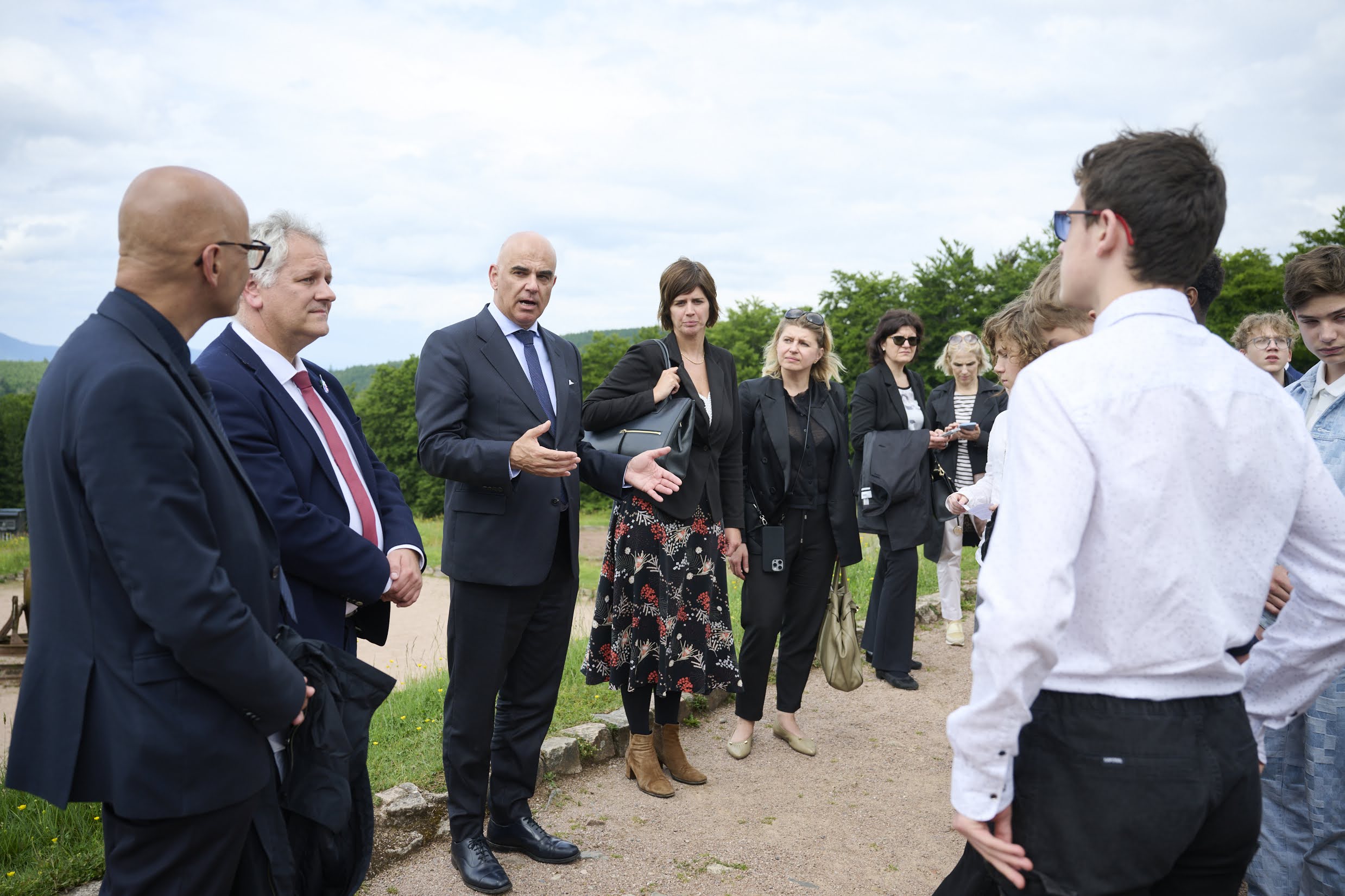
“Younger generations need to know what happened here. How it was possible to reach such a degree of inhumanity,” said the Secretary General. “We must also engage the younger generation in a New Democratic Pact, offer them perspectives, arm them against disinformation, against the manipulation of history, against everything that made Struthof possible,” he added.
During the visit, they exchanged views with the pupils about the importance of sites of remembrance in transmitting and teaching the region’s very specific history and the role of young people.
2025, a key year for commemorating the end of the Second World War
In 2025, commemoration ceremonies marking the end of the Second World War and the disclosure of the Nazi concentration camp system are taking on particular significance.
Places of remembrance play a vital part in passing on history to younger generations, in particular because our memories of the past are fading.
With its Observatory on History Teaching in Europe, the Council of Europe seeks to promote quality education in order to enhance the understanding of democratic culture. Through the Remembrance of the Holocaust and Prevention of Crimes against Humanity programme, it also strives to promote shared remembrance.
The Collectivité européenne d’Alsace is committed to helping secondary school pupils discover places of remembrance, with the aim of ensuring that every pupil has the opportunity to visit at least one memorial site during their time at secondary school.
Find us with #HistoryAtHeart on:
|
|
|
|




.jpg/bfaf2b2c-522a-1679-66b9-3298b33ff041?version=1.0)