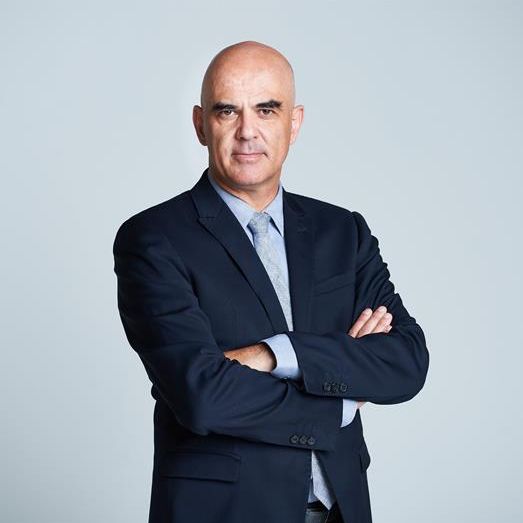
We are speaking up for those who don’t have anyone listening to them, for those who can’t talk about it just yet, and for those who will never speak again.
Emma González, Advocate for gun control
Child participation as a human right
Child participation means that children and young people under the age of 18, individually and in a group, have the right, the means, the space, the opportunity and, where necessary, the support to freely express their views, to be heard and to contribute to decision making on matters affecting them, while their views are given due weight in accordance with their age and maturity.1 The rights of children and young people to participate applies without discrimination on any grounds including race, ethnicity, colour, sex, language, religion, political or other opinion, national or social origin, property, disability, birth, sexual orientation or other status.
Article 12 of the UN Convention on the Rights of the Child (CRC) guarantees the participation of children by declaring the right to be heard. This right should be exercised on two levels: on the level of individual decision making – including judicial and administrative procedures – and through involvement in public decision making regarding all matters affecting children. The “matters” should be interpreted broadly, to include not only the issues covered by the CRC, but in accordance with the clause “affecting the child”, in order to make sure the process is relevant for the life of the children.
The child has the right “to express those views freely”, without manipulation, influence or pressure. Every child, who is capable of forming their views should be heard: this is not a limitation but an obligation on the state to assess this capacity on a case-by-case basis instead of imposing age limits.
The views of the children must be “given due weight in accordance with the age and maturity of the child” and they should be informed about the outcome of any process and told how their views have been considered. At the same time, consideration needs to be given to the notion of the evolving capacities of the child, and to direction and guidance from parents.
Participation should not be limited to a one-off event, but should be an ongoing process which contributes to building a culture of participation throughout the whole of a child’s environment – in the family, at school, in caring institutions, in the healthcare system, in the community and society as a whole. For both adults and children, the development of such a culture of participation can be a very powerful exercise in democracy.
The most important precondition for meaningful participation of children and young people is that adults respect their ability to take part in decisions, and recognise them as partners. A democratic partnership will be the result, taking the place of traditional relationships built on adults’ power and control over children. Without respect for the children’s abilities, participation is likely to be tokenistic: children may give their opinions, but will have no influence on the result.
Models of participation
Between tokenism and full involvement and influence, there are various degrees of participation. These are well illustrated by the eight-stage ‘Ladder of participation’, developed by Roger Hart2. The first three stages are manipulation, decoration and tokenism, regarded as false forms of participation.
Genuine forms of participation include the ‘Assigned and informed’ stage, in which specific roles are given to children, and the ‘Consultation and informed’ stage in which children give advice on programmes run by adults and they understand how their opinion will affect the outcome. The most advanced stages are ‘Adult-initiated’ participation, a shared decision-making process with children, and ‘Child-initiated and directed’ projects in which adults appear only in a supportive, advisory role. This last stage provides children with an opportunity for joint decision making, co-management and shared responsibility, with adults and children accessing each other’s information and learning from each other’s life experiences.
Ireland’s National Strategy on Children and Young People’s Participation in Decision-Making3 translated Article 12 of the CRC into a model composed of four distinct and interrelated elements in a chronological order:
Space: Children must be given safe, inclusive opportunities to form and express their view
Voice: Children must be facilitated to express their view
Audience: The view must be listened to
Influence: The view must be acted upon, as appropriate.4
I know how to use the computer better than my mother. My mother should have restricted access.
A child participating in the drafting of the Council of Europe Recommendation to member states on Guidelines to respect, protect and fulfil the rights of the child in the digital environment, 2017
Children in the digital age
Media today plays a central role in the lives of children, but they are more likely to be found online than in front of the television. Information and communication technology has virtually reached into all corners of people’s lives. Children are going online at younger ages and they are more likely to use their own personal devices. Research has shown that children mostly use their devices to visit social networking sites or use instant messaging, watch videos, search for schoolwork or play with other people. They are less likely to create content, read news or participate online.1 Information and communication technologies are shaping children’s lives in many ways, resulting in new opportunities for and risks to their well-being and rights. Consequently, we need to secure the exercise of the full range of children’s rights in the digital environment.
Children’s rights in the digital environment
Every child, as an individual rights-holder, should be able to exercise their human rights and fundamental freedoms online as well as offline. The Council of Europe adopted Guidelines for member states to respect, protect and fulfil the rights of the child in the digital environment with the aim to support a comprehensive, strategic approach in dealing with the complex world of the digital environment. The ‘digital environment’ is understood “as encompassing information and communication technologies (ICTs), including the Internet, mobile and associated technologies and devices, as well as digital networks, databases, content and services”.2
The primary obligation to promote and protect children’s rights in the digital environment lies with the state, but business enterprises, especially the ones providing services on a global scale, have to be engaged, too. This is of particular importance in the case of violation of children’s rights: children and their parents should have access to child-friendly avenues to submit complaints and seek remedies in both judicial and non-judicial procedures. To that end, children should be provided with gender and culture sensitive information about remedies available in a manner adapted to their age and maturity, and in a language which they can understand.
Where and how would you go first to place a complaint if the right to privacy of a child is violated in a social media network?
Access to digital environment
In 2017, children were consulted on the draft Council of Europe Guidelines for member states to respect, protect and fulfil the rights of the child in the digital environment in several European countries.3 At the consultations, children agreed that everyone should have access to the Internet without discrimination, and many of them mentioned that access should be available free of charge, anywhere or at least in public places. Internet access is important for children for various reasons: to learn, to play, to socialise and to express themselves. The Guidelines acknowledge that where children do not have access to the digital environment or where this access is limited as a result of poor connectivity, their ability to fully exercise their human rights may be affected. Therefore, access to the digital environment should be provided in schools and care settings and with specific measures in place for children in vulnerable situations, such as children with disabilities, children in alternative care, children deprived of liberty and children in the context of international migration. A child friendly version of the Recommendation on Guidelines to respect, protect and fulfil the rights of the child in the digital environment is also available.
Do children have access to the Internet in your school / institution / setting?
Are children allowed to use their smart devices at school in your country?
Right to freedom of expression and information
The digital environment has considerable potential to support the realisation of children’s right to freedom of expression, including to seek, receive and impart information and ideas of all kinds. The CRC states that children should have access to information and material from a diversity of national
and international sources, especially those aimed at the promotion of their social, spiritual and moral well-being and physical and mental health (Article 17). Children, as creators and distributors of information in the digital environment, should be made aware of how to exercise their right to freedom of expression while respecting the rights and dignity of others, including other children.
Can you think of examples of children practising freedom of expression online?
Where do children look for information when they want to know more about something?
Participation, right to engage in play and right to assembly and association
The digital environment provides distinctive opportunities for the rights of the child to participate, to engage in play, and the right to peaceful assembly and association, including through online communication, gaming, networking and entertainment. Interactive and play-based tools can stimulate skills such as creativity, teamwork and problem solving if they are appropriate to their evolving capacities and the needs of children in vulnerable situations. The right to play is naturally important for children, even if there are tensions with the time spent online and its consequences on physical and mental health. There are also concerns about safety, including the effect of violent games and the risks of meeting strangers online.
Participation in the digital environment includes the opportunity for children to take part effectively in local, national and global political debates. Online and offline activities can be combined and support each other, for example, in case of the #FridaysForFuture campaign that mobilised millions of children around the world via social media to demonstrate on the street and do other projects to raise attention to the climate crisis. Nevertheless, any monitoring or surveillance that interferes with the exercise of their rights to peaceful assembly and association should be prescribed by a law which is accessible, precise, clear and foreseeable, which pursues a legitimate aim, necessary in a democratic society and proportionate to the legitimate aim pursued, and allows for effective remedies.
Privacy and data protection
Children have a right to private and family life in the digital environment, and this includes the protection of their personal data and respect for the confidentiality of their correspondence and private communications. Threats to children’s privacy may arise from their own activities in the digital environment, as well as from the activities of others, including family, friends or strangers, for example, when parents share the photos or other information of their children online. Data collection and processing by public institutions, profiling of businesses and criminal activities such as hacking or identity theft can also pose a risk to the child’s privacy.
Children’s personal data should be processed fairly, lawfully, accurately and securely, for specific purposes and with the free, explicit, informed and unambiguous consent of the children and/or their parents. In order to be able to form the consent, children should have accessible, meaningful, child friendly and age-appropriate information about privacy tools, settings and remedies. In most countries, the age at which children are capable of consenting to the processing of personal data is defined by law; below that age, parental consent is required for the process of any personal data. The consent can be withdrawn anytime, and children and their parents should have access to their personal data and to have it corrected or erased.
What is the age of consent to the processing of personal data in your country?
Are you aware of the minimum age required to use social media networks?
Right to education
As the digital environment enables and enhances children’s access to quality education, it is vital that states promote online opportunities for formal, non-formal and informal education. Use of digital technology in the classroom can facilitate engagement between students and teachers, if appropriate technological infrastructure is provided. Digitalisation in education is unavoidable in order to adapt the curricula to the changing needs of society so that children can be provided with the knowledge and skills necessary for a successful life when they grow up.
Digital literacy education, including media and information literacies and digital citizenship education, ensures that children have the competence to engage in the digital environment wisely and the resilience to cope with its associated risks. It should enable children to understand and deal with potentially harmful content and behaviour and potential consequences of further dissemination of information about themselves or others. Digital literacy education should be included in the basic education curriculum from the earliest years and further education and awareness-raising initiatives and programmes should be developed for children, parents and educators working with children. Children should be aware of the victim services available to them, including helplines and hotlines.
Safer Internet Day is organised each February by the joint Insafe / INHOPE network, with the support of the European Commission, to promote the safe and positive use of digital technology, especially among children and young people. Celebrated on the second day of the second week of the second month, each year on Safer Internet Day millions of people unite to inspire positive changes online, to raise awareness of online safety issues, and participate in events and activities right across the globe.
The Safer Internet Day has grown beyond its traditional geographic zone and is now celebrated in over 170 countries worldwide. More information
Is there a helpline or hotline in your country that support children to deal with harmful contact, content and conduct?
Right to protection from violence
Children have the right to be protected from all forms of violence, exploitation and abuse in the digital environment as well, whereas any protective measures should take into consideration the best interests and evolving capacities of the child and not unduly restrict the exercise of other rights. Infants should be protected from premature exposure to the digital environment due to limited benefits with respect to their particular physical, psychological, social and stimulation needs. Effective age-verification is needed to ensure children are protected from products, services and content in the digital environment which are legally restricted with reference to specific ages.
There are a number of areas of concern for children’s healthy development and well-being, for example risks of harm from:
sexual exploitation and abuse, solicitation for sexual purposes (grooming), online recruitment of children for the commission of criminal offences, for participation in extremist political or religious movements or for trafficking purposes (contact risks)
the degrading and stereotyped portrayal and over-sexualisation of women and children in particular; the portrayal and glorification of violence and self-harm, in particular suicides; demeaning, discriminatory or racist expressions or apologia for such conduct; advertising, adult content (content risks)
bullying, stalking and other forms of harassment, non-consensual dissemination of sexual images, extortion, hate speech, hacking, gambling, illegal downloading or other intellectual property infringements, commercial exploitation (conduct risks)
excessive use, sleep deprivation and physical harm (health risks).
All of the above factors are capable of adversely affecting the physical, emotional and psychological well-being of a child.
What is cyberbullying?
Cyberbullying is bullying with the use of digital technologies. It can take place on social media, messaging platforms, gaming platforms and mobile phones. It is repeated behaviour, aimed at scaring, angering or shaming those who are targeted. Examples include:
spreading lies about or posting embarrassing photos of someone on social media
sending hurtful messages or threats via messaging platforms
impersonating someone and sending mean messages to others on their behalf.
Face-to-face bullying and cyberbullying can often happen alongside each other. Cyberbullying, however, leaves a digital footprint – a record that can prove useful and provide evidence to help stop the abuse.
The digital environment poses specific challenges to parenting because parents face new issues on a regular basis as children and young people become more skilful at using the Internet, technology and social media. The principles of digital parenting are open communication with their children, including interest in the child’s digital activities, and if possible, regular involvement in those, and at the same, active protection of the child’s digital reputation and digital identity. Parents should also be equipped with information about the opportunities as well as the risks of the digital environment and have access to support services such as helplines and hotlines.
The Council of Europe developed special educational materials to assist parents on how to adequately approach the opportunities and challenges that digital environment offers. Parenting in the digital age - positive parenting strategies for different scenarios is an educational material aiming to develop understanding of the style of parenting, which works best for the families to ensure that children not only participate in the digital age, but actually thrive, while being protected from any risks posed by this new environment. Useful tools and helpful tips on how to protect children online could be find also in Parental guidance for the online protection of children from sexual exploitation and sexual abuse from the same series.
The facilitator has a variety of factors to consider in determining which activities from Compasito to use. Most important of these considerations are:
1. Your children.
Before selecting activities, the facilitator first needs to know the children involved.
a. What are their levels of development, interests, concerns and learning styles?
b. Are there conflicts and problems within the group?
c. Do these children face particular issues or problems within the community?
d. How much do the children already know about human rights? Some Compasito activities assume prior introduction to the CRC, for example.
However, don’t feel you must wait to use Compasito activities until you know the answers to all these questions. Often playing activities is the most efficient way to learn about your group!
2. Your learning objective.
Some activities can be run to increase general understanding of human rights or even just for fun, but most can and should be directed to themes that are close to the children or are an issue in the group, the community or the world. All Compasito activities are good for raising
awareness and actions about all human rights. They are also organised so as to allow focus on specific themes that connect between children and current challenges to human rights across Europe:
3. A learning sequence.
Lasting knowledge, skills, values and attitudes are never achieved in a single activity. Select activities that form a series, whether based on a particular human rights theme or the development of certain competencies. This series might extend over a month, a school term or even a whole year. You may want to choose activities that fit into subject areas of the school curriculum or that address current issues in the group or community.
In every case, seek a balance of activity types and make the needs of children your first priority. Methodological diversity not only makes activities more fun, but also enables children to learn through their senses and emotions as well as their minds. For this reason, Compasito offers you a wide choice of techniques and methodologies (e.g. discussion, debate, storytelling, simulation, drama, board games, artistic activities, active group competition). To further assist selection, you can filter all the activities in Compasito here.
No child can learn about human rights in an environment that does not itself respect and promote a culture of human rights. The most important contribution a facilitator can make to a child’s understanding of human rights is to create that environment.
Getting started with Compasito
This section is intended to support you, the facilitator, with practical information about using Compasito. However, do not let so many “how-to’s” and “should’s” discourage you. No-one knows your context and your children better than you do. Take the information and advice that is helpful to you and run the activities with your group. When you have questions, you may find some helpful answers here. If you create an environment that respects and promotes the human rights of a child, that child is learning about human rights!
Unlike lesson plans for use in a school curriculum, Compasito was designed to be as adaptable as possible to the many settings where children can learn about human rights, from summer camps and out-of-school programmes, to youth groups and field trips, as well as school classrooms. Although many Compasito activities require some preparation, they can be run almost anywhere and any time. Finding the moment when children are most receptive to human rights learning – which could be when a conflict occurs in the group, but also when the group is feeling celebratory – is part of the art of facilitation: your art!
For children to fully exercise their rights, they must know what these rights are. Learning about them makes children more aware and resilient and strengthens their ability to act as human rights defenders, both in their own interests and by advocating for others. It enables them to learn and practice democratic values as citizens.
This is why human rights education matters for all ages.
Compasito is a unique tool. This online manual is a reference which strengthens the work done in schools through non-formal education and youth work activities. The learning creates awareness, understanding and respect for human rights. Children are supported to exercise their rights in different environments and aspects of their lives.
I wish users of this manual success in bringing human rights closer to the lives of children and young people. I have no doubt that this will benefit them in the here and now and prove а valuable long-term investment for democracy in our societies.
The activities in Compasito have been designed to promote experiential learning about human rights for a wide variety of settings, learning styles and developmental levels. Compasito activities start with an abstract, imaginative situation that engages children as a group, but their debriefing and evaluation section moves to a more personal and individual level.
The debriefing and evaluation are the most important part of any activity. Without it, a Compasito activity is just an activity. Much more significant than missing an opportunity for human rights learning, however, omitting the debriefing can do real harm, reinforcing stereotypes and trivialising the emotions an activity can evoke in children.
Because non-formal education of this kind appeals strongly to the emotions, certain human rights topics may come uncomfortably close to the reality of some children’s lives. Facilitators need to be mindful of this potential when they choose or adapt any activity for their group.
Every activity in Compasito is presented in a format designed to help the facilitator select and run the activities that best fit the needs of the group. There are sample discussions questions, tips for facilitating and adapting the activity, and suggestions for follow-up activities the group could take on the human rights issues involved in the activity.
[The adults] didn’t really have to face all these problems and issues that we have to face now because in their childhood they didn’t have to think about these consequences.
Compasito has been designed for educators and trainers working with children, parents, youth workers and educational advisors / assistants in children and youth centres.
It will be of interest to those who are interested in human rights education with children and who are looking for practical tools with which to discuss values and social issues with children. The activities are designed for children from 5 to 13 years old.
Children develop a TV advertisement for children’s rights
Type of activity
Storytelling, drawing, writing, drama
Objectives
To develop critical thinking skills in relation to advertising and the media
To practise creativity and communications skills
To deepen understanding of human rights
To develop ideas on how to promote children’s rights
Preparation
If possible, set up video equipment to record the advertisements or use a mobile phone.
Children will already need to be familiar with children’s rights. See the Adaptation for suggestions if they are not.
Education and Leisure - Human rights instruments and initiatives
Carole SCHNITZLER
Modified 1 Year ago.
United Nations
Education in the 2030 Agenda for Sustainable Development
The Education 2030 Framework for Action, adopted by 184 UNESCO Member States in November 2015, aims at mobilising all countries and partners around the Sustainable Development Goal 4 (SDG4) on education and its targets. It proposes ways of implementing, co-ordinating, financing and monitoring the programme to ensure inclusive and equitable quality education and lifelong learning opportunities for all.
SDG 4 – Quality education
SDG4. Ensure inclusive and equitable quality education and promote lifelong learning opportunities for all.
4.1 By 2030, ensure that all girls and boys complete free, equitable and quality primary and secondary education leading to relevant and effective learning outcomes
4.2 By 2030, ensure that all girls and boys have access to quality early childhood development, care and pre-primary education so that they are ready for primary education
4.5 By 2030, eliminate gender disparities in education and ensure equal access to all levels of education and vocational training for the vulnerable, including persons with disabilities, indigenous peoples and children in vulnerable situations
4.7 By 2030, ensure that all learners acquire the knowledge and skills needed to promote sustainable development, including, among others, through education for sustainable development and sustainable lifestyles, human rights, gender equality, promotion of a culture of peace and non-violence, global citizenship and appreciation of cultural diversity and of culture’s contribution to sustainable development
4.a Build and upgrade education facilities that are child-, disability- and gender-sensitive and provide safe, non-violent, inclusive and effective learning environments for all.
The Council of Europe
Article 17 of the Revised European Social Charter declares the right of children and young people to social, legal and economic protection: “children and young persons, taking account of the rights and duties of their parents, have the care, the assistance, the education and the training they need, in particular by providing for the establishment or maintenance of institutions and services sufficient and adequate for this purpose”. Children should be provided with free primary and secondary education as well as be encouraged in regular attendance at schools.
Article 12 of the Framework Convention for the Protection of National Minorities guarantees the right to education for people belonging to minorities in order to facilitate the development of the abilities and personality of the child and to accommodate the linguistic, religious, philosophical aspirations of students and their parents:
The Parties shall, where appropriate, take measures in the fields of education and research to foster knowledge of the culture, history, language and religion of their national minorities and of the majority. (…). The Parties undertake to promote equal opportunities for access to education at all levels for persons belonging to national minorities.
The Council of Europe developed the Reference Framework of Competences for Democratic Culture for policy makers and educational practitioners in all sectors of education systems, from pre-school through primary and secondary schooling to higher education, including adult education and vocational education, in ways that are coherent, comprehensive and transparent.
The Council of Europe’s Youth sector strategy 2030 has been assigned with developing standards and resources for strengthening the quality and recognition of non-formal education programmes, and extending the attractiveness of youth work for the benefit of wider populations of young people. The youth sector is also expected to extend capacity building and resources for youth organisations to provide human rights education and advocate access to rights6.
Plein la Bobine – France
Plein la Bobine is an International Film Festival for Young Audiences, held annually in the Massif du Sancy, in the Auvergne region in France. Between festivals, the organisation runs year-round educational activities related to the cinema for children in the locality. Schools can apply to participate in different ways – for example, as members of ‘The School Jury’, children can vote for their favourite short film; they can join the ‘Press classroom’, and report on the festival; or they can join the ‘Programme Classroom’, and help to build part of the programme for the festival. Further information can be found on their website
Relevant human rights instruments and initiatives - Poverty
Carole SCHNITZLER
Modified 1 Year ago.
Council of Europe
The European Convention on Human Rights, which guarantees civil and political human rights, is complemented by the European Social Charter (ESC), adopted in 1961 and revised in 1996, which guarantees social and economic human rights. As with most human rights instruments, the European Convention on Human Rights contains a strong statement against discrimination. Although it does not specifically name poverty as a reason for social exclusion, it mentions “property ... or other status”. Addressing the daily lives of individuals, the European Social Charter covers many of the key
components of poverty:
Housing: access to adequate and affordable housing; reduction of homelessness
Health: accessible, effective health-care facilities for the entire population, including preventive illness
Education: free primary and secondary education and vocational guidance; access to vocational and continuing training
Employment: an economic and social policy designed to ensure full employment
Legal and social protection: the right to social security, social welfare and social services; the right to be protected against poverty and social exclusion.
The Committee of Ministers adopted in 2015 a Recommendation on Access of young people from disadvantaged neighbourhoods to social rights calling on member states to develop public policies aiming at “preventing and eradicating the poverty, discrimination, violence and exclusion” faced by young people. The Recommendation was elaborated with input from children and young people taking part in the Enter! project of the youth sector of the Council of Europe.
United Nations
There are several articles of the Universal Declaration of Human Rights that oblige states to provide appropriate services, and support its citizens for appropriate living conditions:
Right to social security
Right to equal pay for equal work
Right to rest and leisure
Right to adequate standard of living
Right to education
Right to participate in cultural life
The Convention on the Rights of the Child makes extensive provision for the economic well-being of children. While parents are given the principal responsibility for the care, development and support of their child, the state is enjoined to assist parents and guardians if they are unable to adequately
care for the child (Article 18). The Convention also entitles all children to:
the enjoyment of the highest attainable standard of health and to facilities for the treatment of illness and rehabilitation of health (Article 24)
a standard of living adequate for the child’s physical, mental, spiritual, moral and social development (Article 27)
the right to benefit from social security, including social insurance (Article 26).
The International Covenant on Economic, Social and Cultural Rights, adopted in 1966, commits the state parties agreed to take steps to achieve progressively the full realisation of the rights enshrined in the covenant to the maximum of their available resources.


 Where and how would you go first to place a complaint if the right to privacy of a child is violated in a social media network?


 For children to fully exercise their rights, they must know what these rights are. Learning about them makes children more aware and resilient and strengthens their ability to act as human rights defenders, both in their own interests and by advocating for others. It enables them to learn and practice democratic values as citizens.