“Countering hate speech is not censorship: it is democracy.”
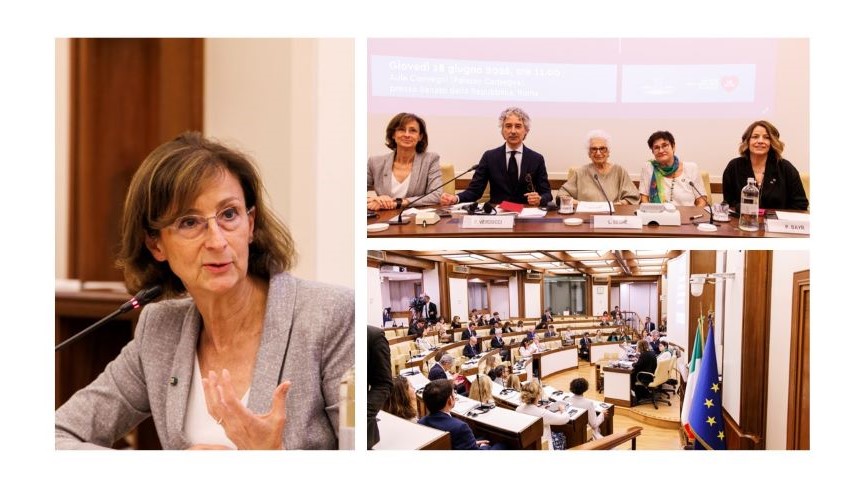
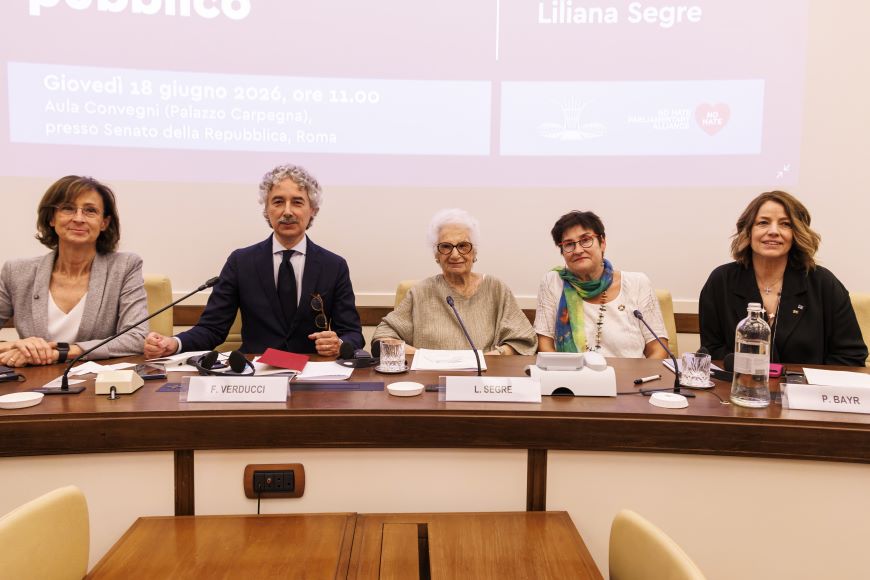
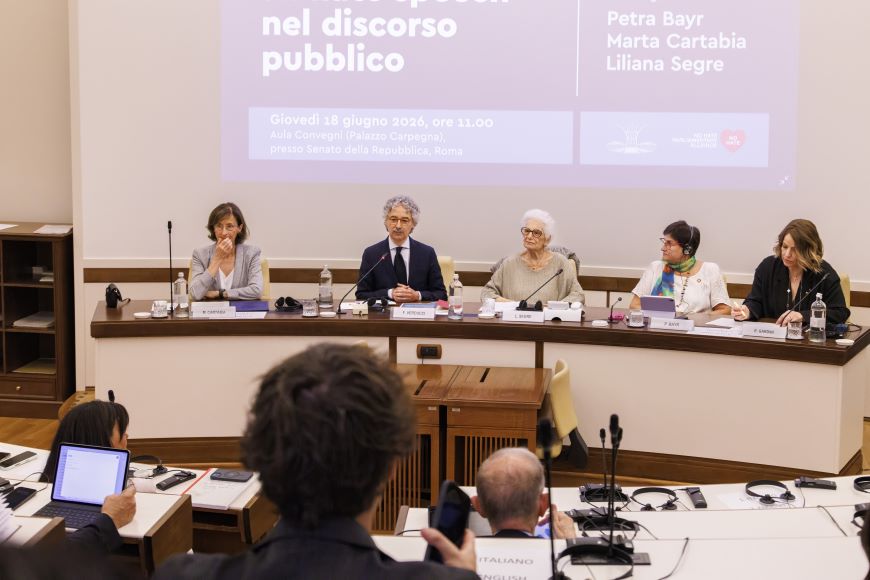
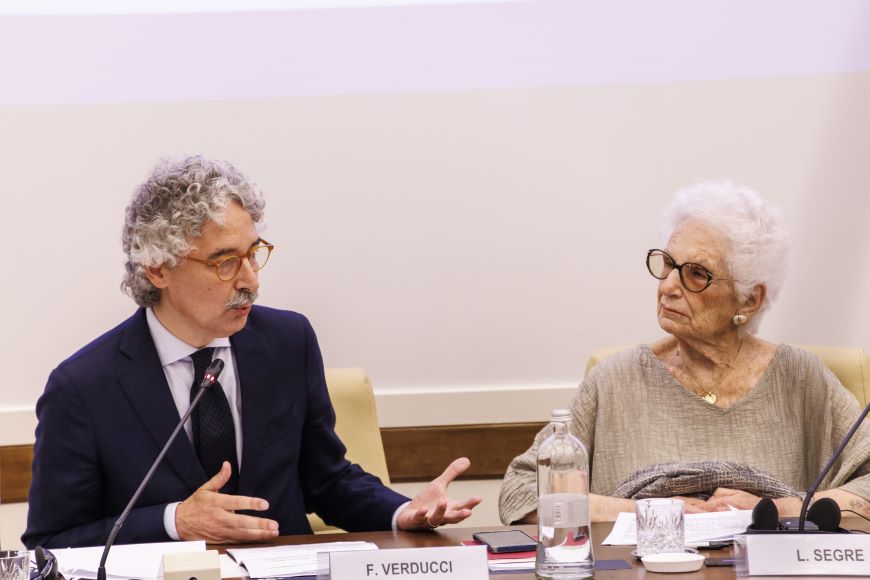
On 18 June, Marta Cartabia, President of the Venice Commission of the Council of Europe, delivered a keynote address at the conference Countering Hate Speech in Public Discourse, held at the Italian Senate in Rome. The conference was promoted by Senator Francesco Verducci, Rapporteur of the Parliamentary Assembly of the Council of Europe (PACE) against racism and intolerance. The event also featured interventions by Petra Bayr (President of PACE), Elisabetta Gardini (President of the PACE Italian Delegation), and Liliana Segre (President of the Extraordinary Committee against intolerance, racism, antisemitism and incitement to hatred and violence of the Italian Senate).
Ms Cartabia opened by recalling that dehumanisation of the other lies at the heart of hate speech and underlined the Venice Commission’s firm stance against racism and discrimination. She stressed that equality and non-discrimination are among the seven benchmarks of the Updated Rule of Law Checklist: “in a democratic country, founded on the protection of human rights and the rule of law, there is no place for discrimination and racism”.
She described freedom of expression as “the beating heart of a democracy” and warned that new technologies, social media and artificial intelligence have dramatically amplified the reach of hate speech. She also noted that the Updated Rule of Law Checklist requires ongoing impact assessments of AI systems on equality and non-discrimination throughout their entire life cycle. More generally, she emphasised that in the digital environment the most effective responses are those that are proportionate and preventative or, at the very least, timely. On the appropriate tools to counter hate speech, President Cartabia recalled that Committee of Ministers Recommendation CM/Rec(2022)16 has emphasised that criminal prosecution is necessary but not sufficient, and must be reserved as a last resort for the most serious forms of hate speech. She called for a broad preventive strategy encompassing independent monitoring, media literacy and platform accountability, and highlighted the role of restorative justice: “If it is true that hatred stems from the denial of the other, then restorative justice, centred on encountering the other, can offer an antidote to the spread of aggression.” In this sense, she also referenced the Venice Declaration on the Role of Restorative Justice in Criminal Matters and in further Recommendations of the Committee of Ministers of the Council of Europe (CM/Rec(2018)8 on restorative justice in criminal matters and R(2023)2 concerning the rights, services and support for victims of crime). In conclusion, President Cartabia called for a joint commitment of institutions, civil society and private individuals to strengthen democratic safeguards against hatred and disinformation, with a key role envisaged for young people.