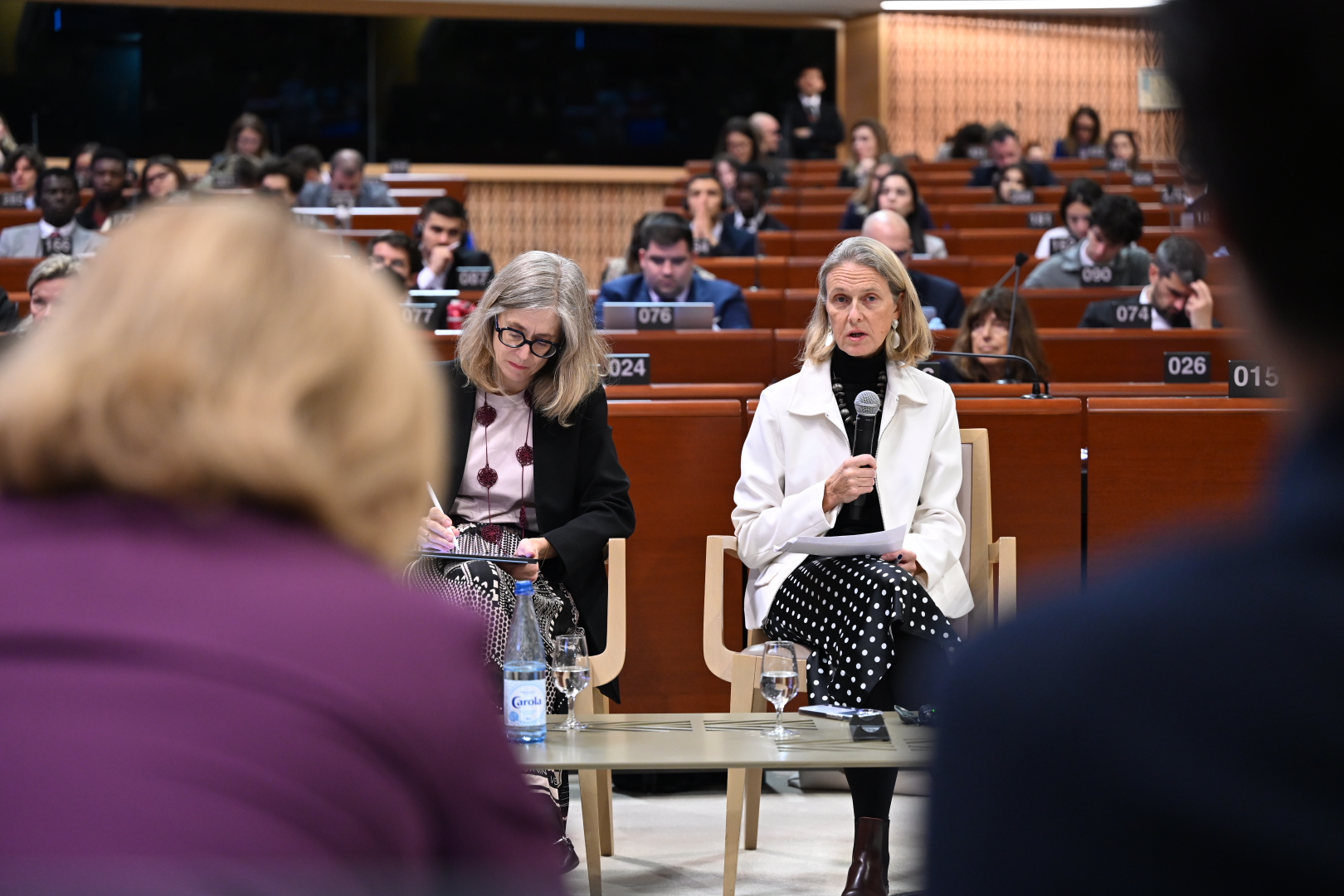
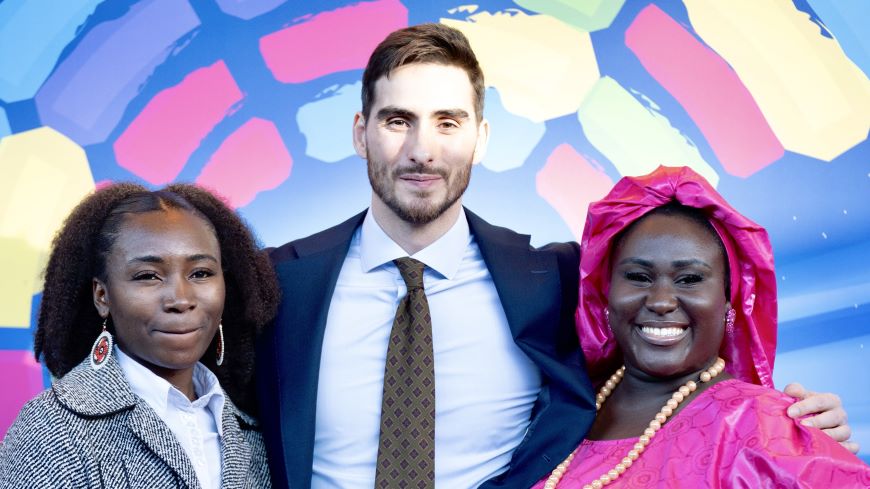
As young people across the world take to the streets to demand political change, defend their rights and call for a greater say in their future, the 46-member Council of Europe is organising the World Forum for Democracy to assess the state of democracy amid growing global uncertainty and explore solutions to strengthen democratic security.
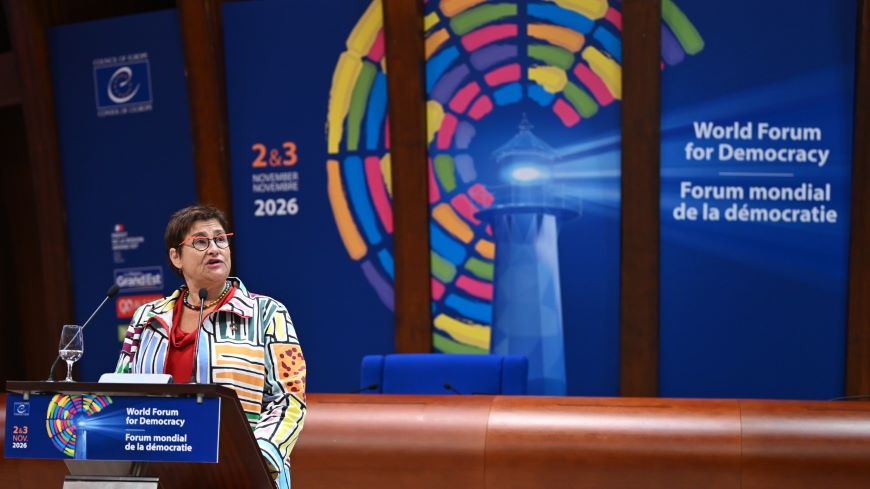
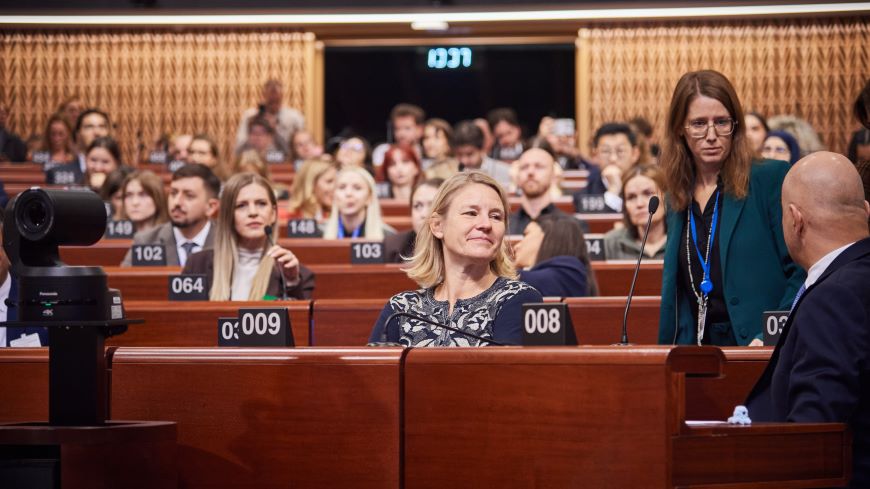
Opening the forum, the President of the Council of Europe Parliamentary Assembly Petra Bayr warned that the most dangerous threats to democracy often go unnoticed. “The most dangerous threats to democracy make no noise at all,” she said, pointing to disinformation, weakening institutions and the gradual erosion of trust. “That is how democracy dies today. Not with a bang. With a click.”
What future is left for Europe’s youth?
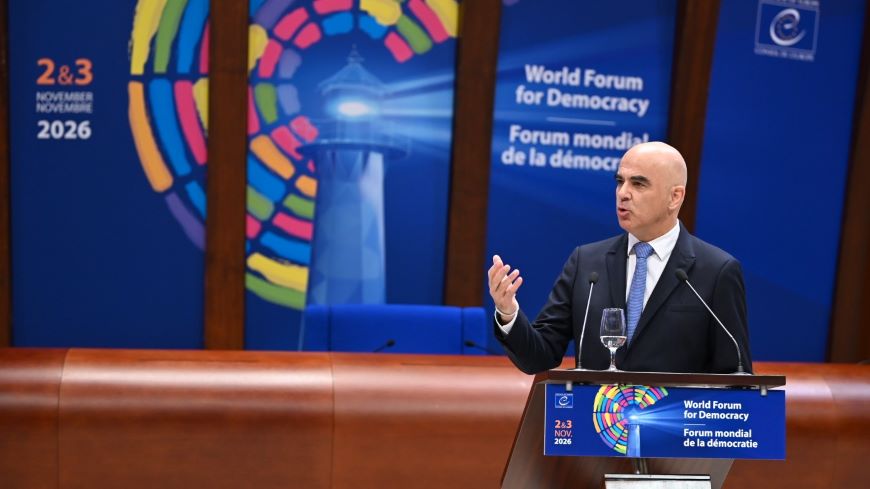
In his introductory speech, Council of Europe Secretary General Alain Berset highlighted youth-led movements across Europe and beyond, united by a common question: “What future is left for us?”
“Across the world, more and more people feel the system no longer works for them, and together these ruptures destroy perspectives,” said Mr. Berset, referring to challenges including war, climate change, economic inequality, living costs and artificial intelligence.
Foreign information manipulation and interference also threaten democracy: “Of the fifteen countries most targeted in the world last year, eleven are Council of Europe member states, and we are working on a legal instrument to counter this threat.”
The Secretary General called for stronger democratic institutions, free media and transparent elections, highlighting the New Democratic Pact for Europe to rebuild public trust in the face of new technological and geopolitical realities. He highlighted the successful Serbian student movement, delivering a message of hope: “Two years ago, many people told those students that what they wanted was impossible. Eight days ago, it happened. The future of democracy is just as open. The choice is ours.”
Croatia’s democratic transformation and Europe’s challenges
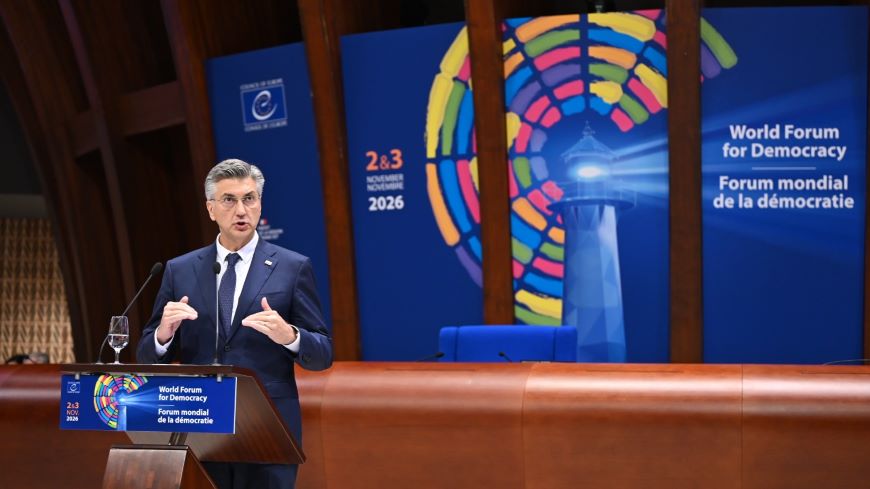
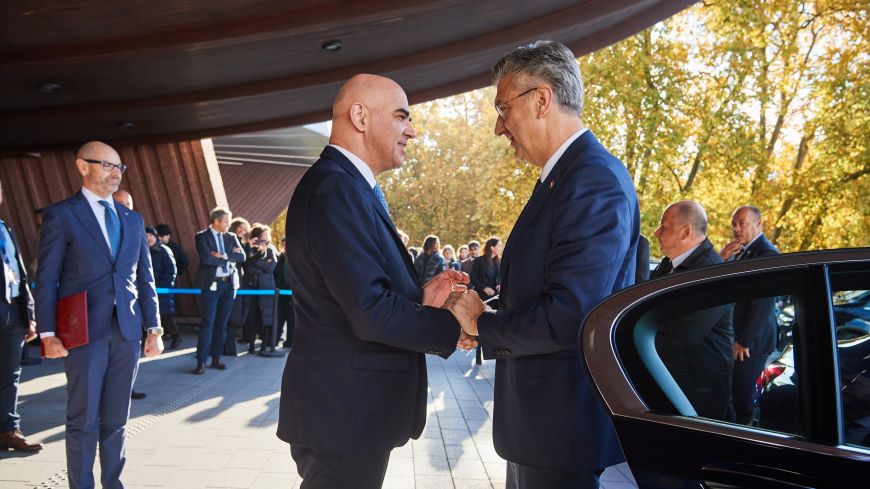
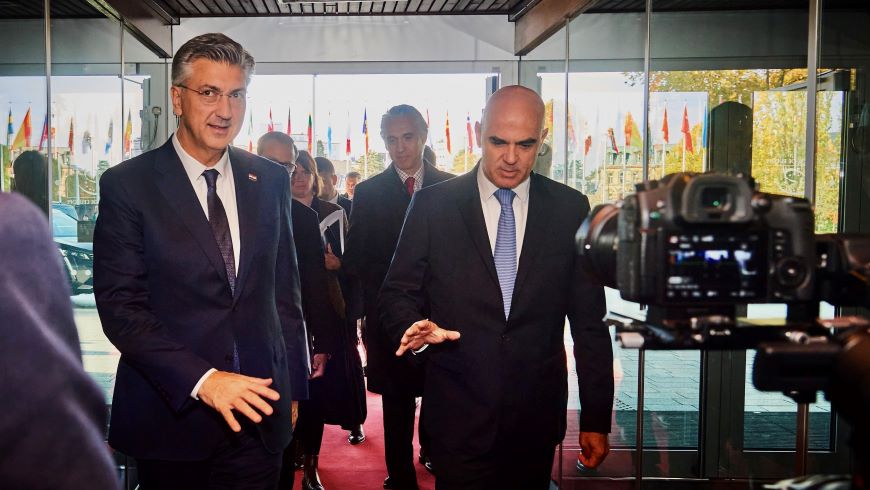
Croatian Prime Minister Andrej Plenković, whose country marks 30 years of Council of Europe membership on 6 November, described Croatia’s accession in 1996, following war, as a turning point in its democratic transformation.
“For us, membership was far more than a diplomatic milestone. It was a recognition of our perseverance, a commitment to our shared European values, and the beginning of a journey towards strengthening human rights, the rule of law, and democratic institutions,” he said.
Reflecting on the Forum’s theme, “Rupture or renewal? Democratic security for the future,” Plenković warned of challenges including Russia’s aggression against Ukraine, disinformation, declining public trust and artificial intelligence.
“Croatia knows all too well what happens when international law is violated, disrespected, and ignored,” he said, stressing that support for Ukraine remained “unwavering,” politically, militarily and financially”.
He backed the New Democratic Pact for Europe as a means of strengthening civic participation and protecting the integrity of information.
Turning to economic pressures, Prime Minister Plenković warned that rising energy costs could undermine confidence in democratic institutions and contribute to political radicalisation.
“That insecurity can fuel populism, political radicalisation, particularly in communities dependent on cars and vulnerable to rising fuel prices. Energy security is, therefore, also essential to the resilience of our democracies,” he said.
He called for policies to protect purchasing power and reduce Europe’s vulnerability to energy suppliers using energy as an instrument of coercion.
Democracy must deliver for people, says UN Under-Secretary-General
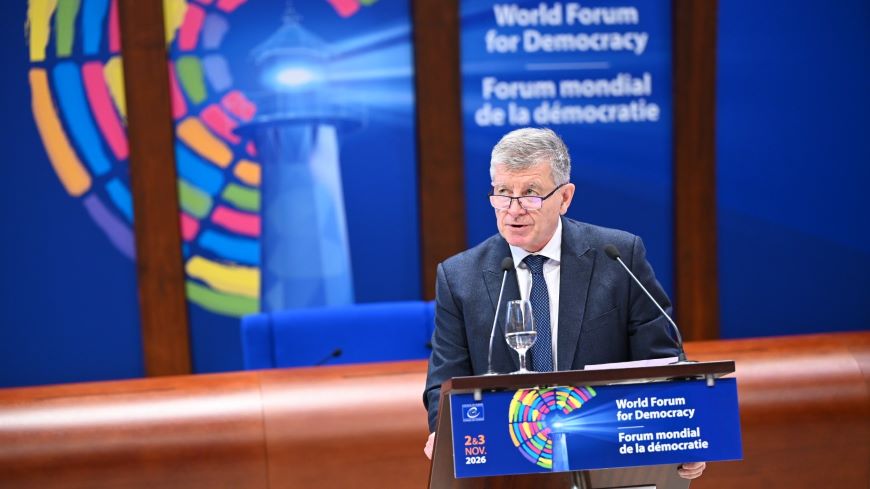
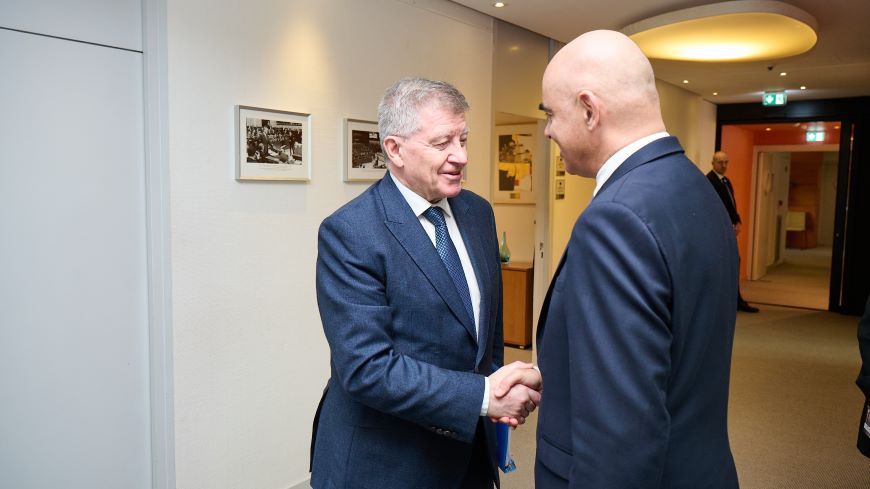
Guy Ryder, United Nations Under-Secretary-General for policy, warned that democracy’s fundamental promise – that power belongs to the people and leaders remain accountable – was increasingly being questioned.
He identified three priorities: rebuilding trust by ensuring democratic institutions deliver tangible improvements in people’s lives; expanding democratic participation, particularly among young people; and preparing institutions for future challenges.
“Trust cannot be demanded. It must be earned through actions and through results,” he stressed.
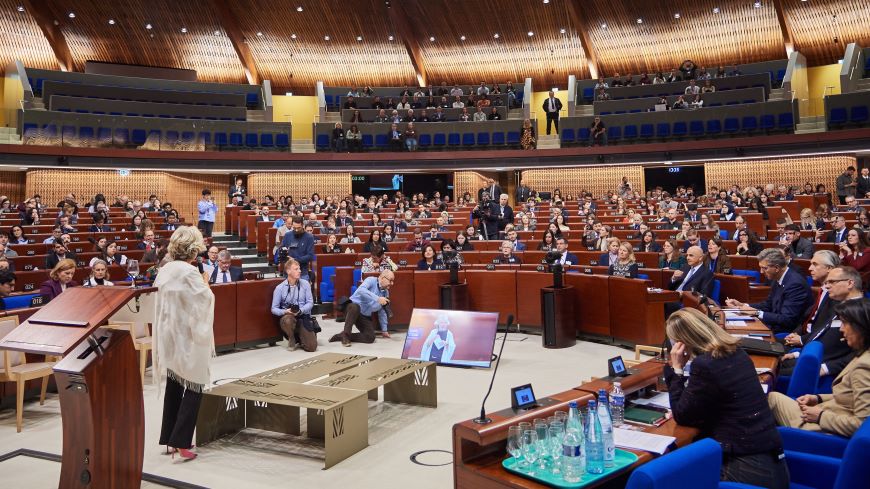
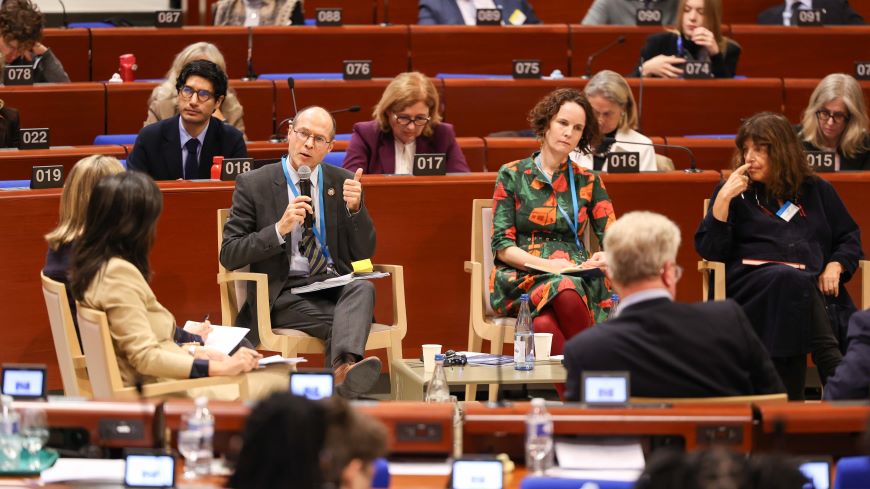
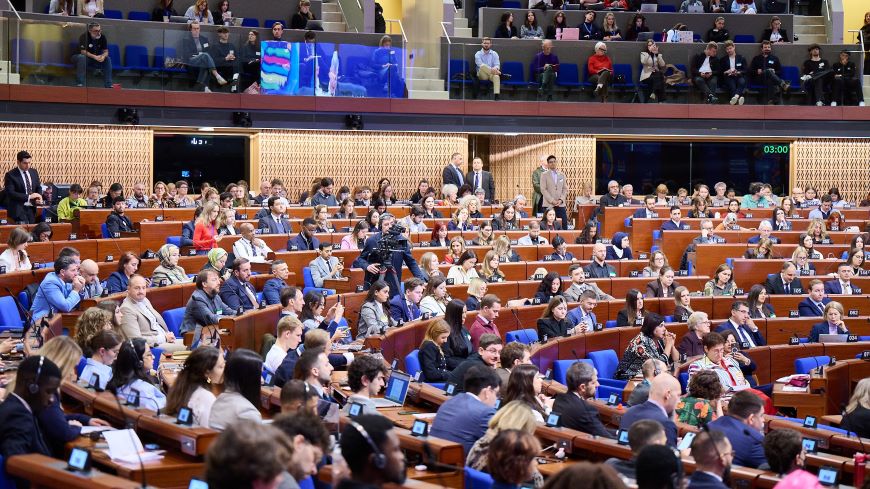
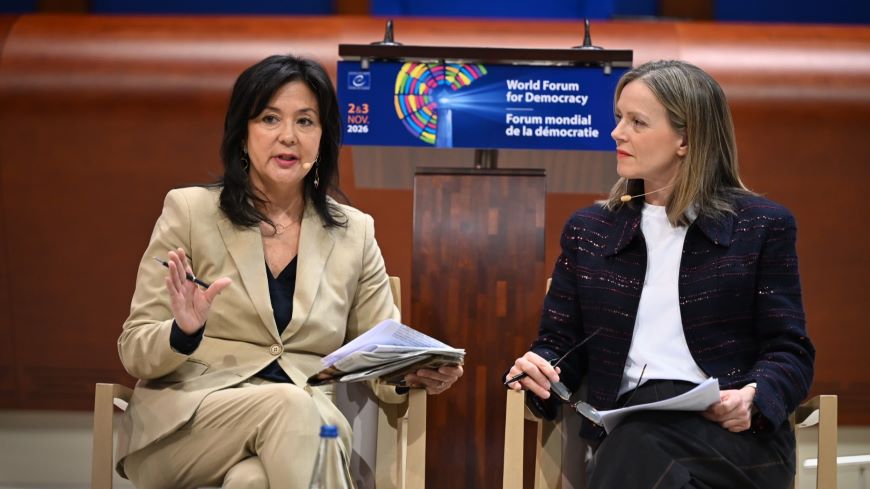
The 14th World Forum for Democracy, held in Strasbourg on 2 and 3 November, brings together political leaders, civil society representatives, academics and young people to explore ways of strengthening democratic security. It also contributes to consultations on the Council of Europe’s New Democratic Pact for Europe.
 Learn more about the World Forum for Democracy