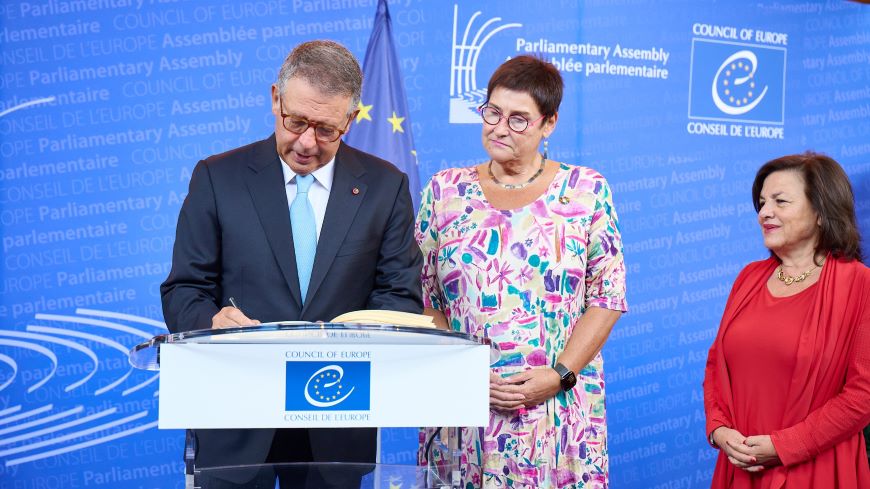
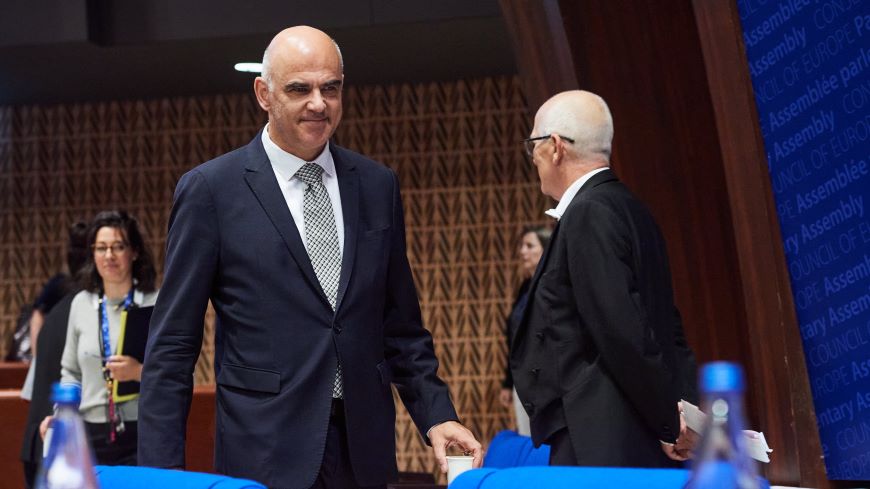
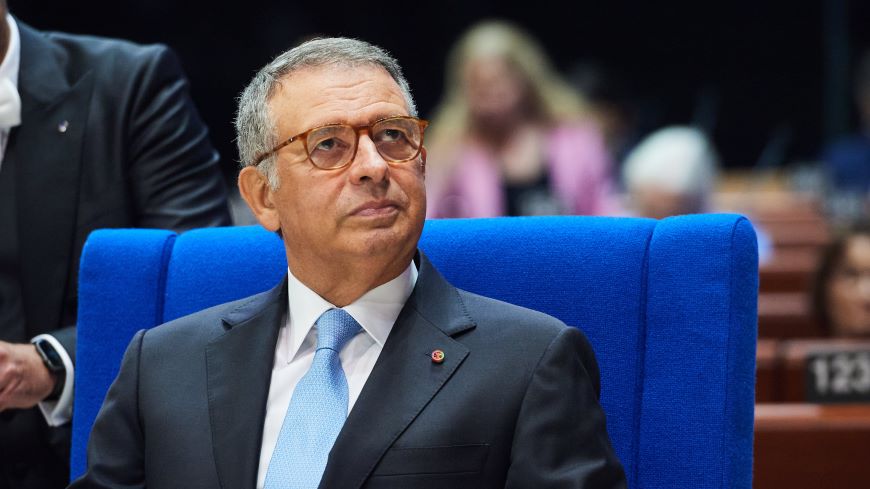
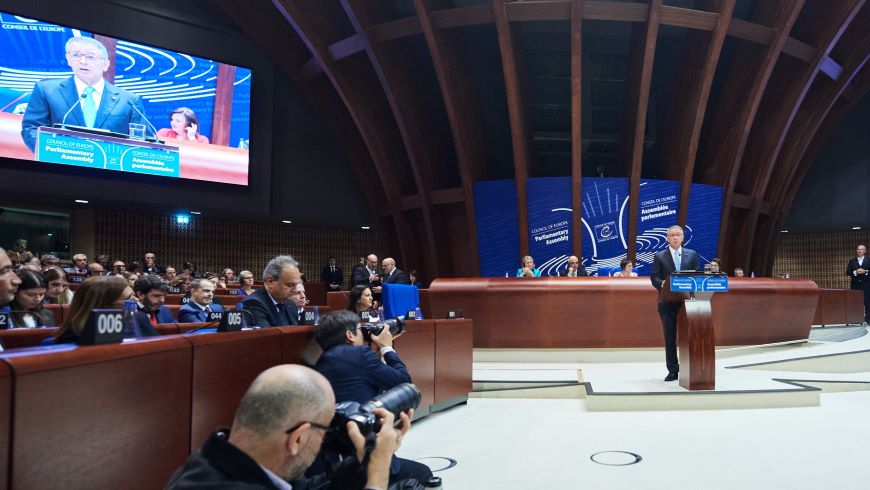
“Europe must not be a fortress. It must be a space of freedom, dialogue and cooperation, open to the world and true to its principles. At a time of geopolitical tensions, disinformation and growing fragmentation, we need more dialogue, not less. More cooperation, not more isolation. We need multilateralism,” highlighted the President of Portugal António José Martins Seguro today.
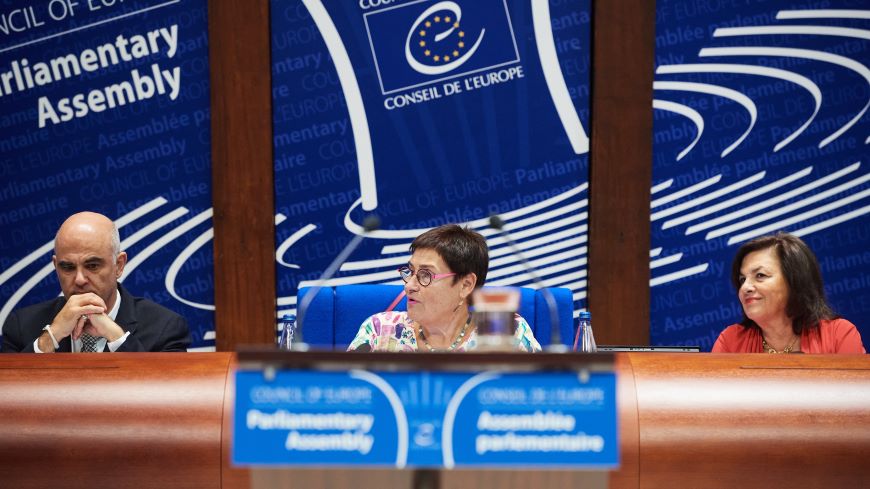
Addressing the Parliamentary Assembly of the Council of Europe during its autumn session, President Martins Seguro identified as key priorities for the whole continent an uncompromising defence of human rights, safeguarding democracy, strengthening social cohesion and building a Europe open to the world. “Respect for human dignity must be Europe´s compass”, he underlined.
Portugal’s long history of working for human rights
The President reiterated Portugal’s strong commitment to work for the abolition of the death penalty – of which Portugal was a pioneer -, promoting gender equality and combatting discrimination, and to working with other countries to take action on climate change, among other priorities.
President Martins Seguro’s visit to the Council of Europe took place just one week after the 50th anniversary of Portugal´s accession – on 22 September 1976, two years after its 1974 April Revolution that initiated the country’s transition to democracy.
In his speech to parliamentarians from across Europe, he said: “Accession to the Council of Europe was the expression of a clear choice: Portugal wanted to belong to a Europe of freedom, democracy and the rule of law. Accession was not a merely diplomatic act. It was a political and moral statement. It was the choice of a country that wished to build its future on the foundation of freedom, justice and respect for human rights.”
President highlights Europe’s current difficulties
While acknowledging the Council of Europe’s role in building a common area of rights, principles and safeguards, he warned against ongoing challenges such as the rise of extremist movements, mistrust of institutions, discrimination, hate speech and xenophobia, as well as attempts to weaken the protection of rights, disregard for international law and growing geopolitical uncertainty.
Regarding Russia’s war of aggression against Ukraine, the President expressed his country’s support for Ukraine and for the Council of Europe’s work to ensure accountability, including the Register of Damages, the International Claims Commission and the Convention on the Establishment of the Special Court for the Crime of Aggression. Supporting Ukraine is a “duty of solidarity towards its people”, and it means defending Europe´s security and the credibility of its principles, he said.
Meeting with Secretary General Berset
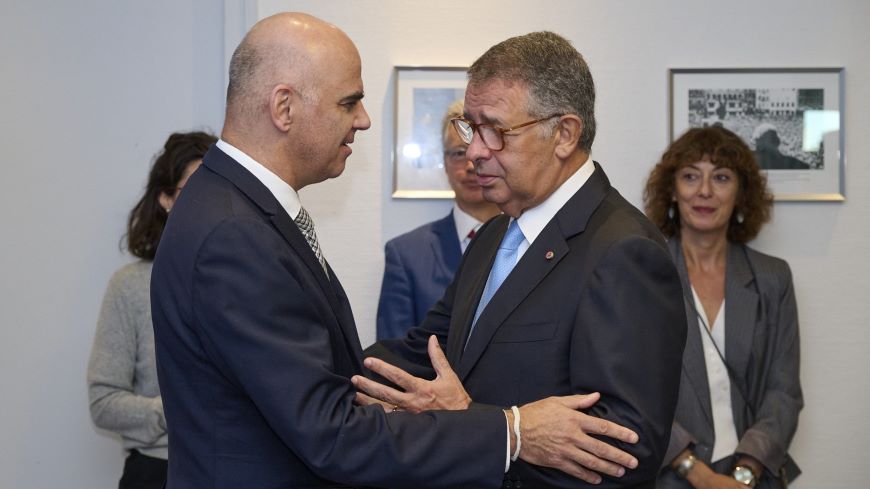
During this visit, President Martins Seguro met with Council of Europe Secretary General Alain Berset to discuss how to strengthen cooperation between Portugal, including with regard to the Lisbon North-South Centre, and the Council of Europe’s New Democratic Pact for Europe.
Other topics included the plan to reform the Council of Europe, which aims to make the organisation more agile and effective in its work to strengthen democratic security, enabling it to anticipate risks, mobilise expertise, and prevent and resolve crises through law. The migration challenges Europe is facing and the mechanisms to ensure accountability for the war in Ukraine, were also addressed.
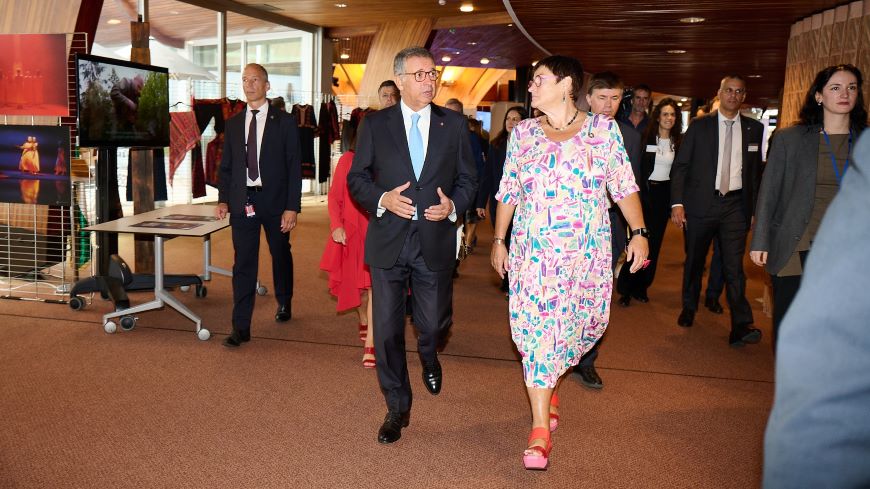
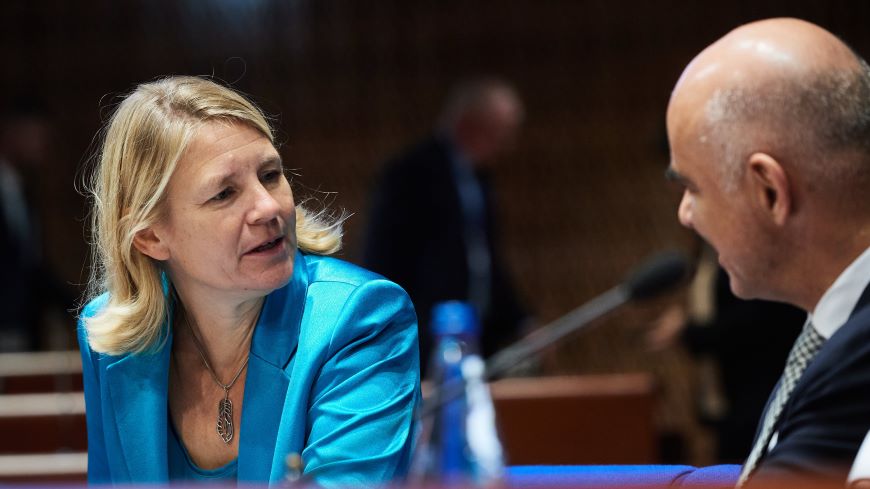
During his visit to the Council of Europe, President Martins Seguro also met Petra Bayr, President of the Parliamentary Assembly, and Mattias Guyomar, President of the European Court of Human Rights.
 Portugal and the Council of Europe