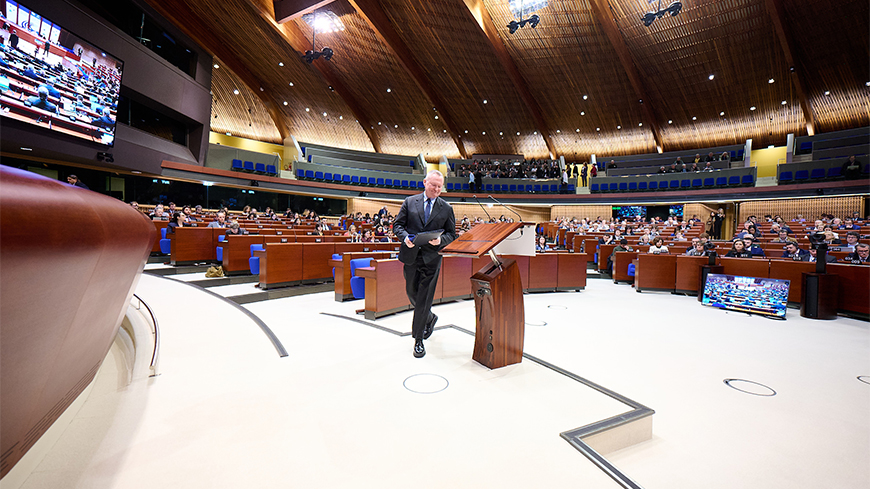
A strategic support of the recovery and reconstruction of Ukraine at local and regional levels in the context of Russia’s war of aggression, current reforms of decentralisation and good governance, and territorial organisation of power in the country – these are among key themes focusing on Ukraine at the 50th plenary session of the Congress of Local and Regional Authorities that started today in Strasbourg.
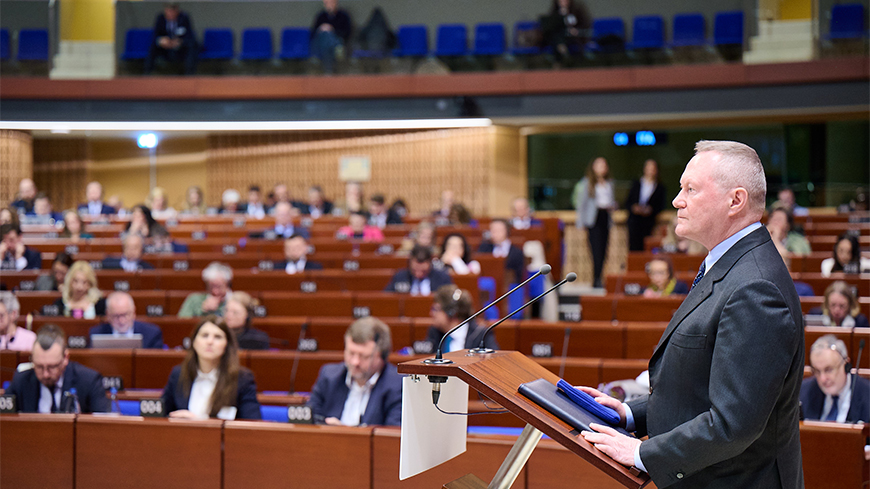
A large delegation of senior Ukrainian officials, including First Deputy Speaker of the Ukrainian Parliament Oleksandr Korniyenko, are taking part in the session.
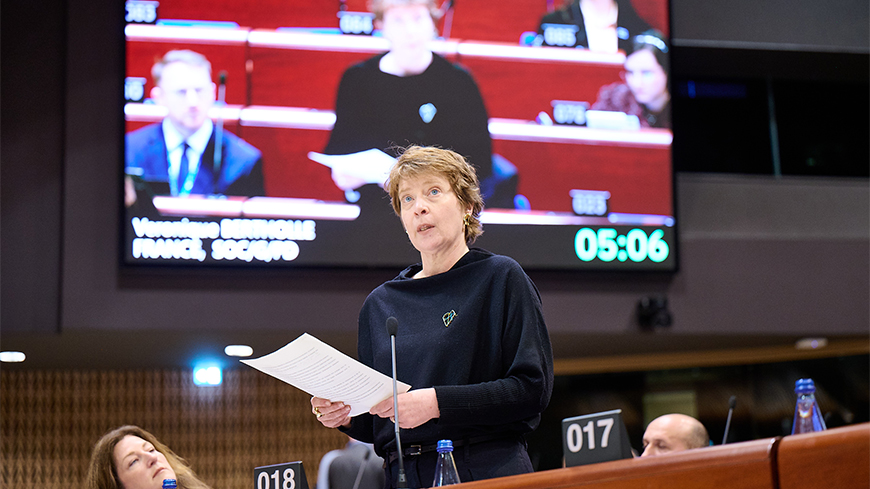
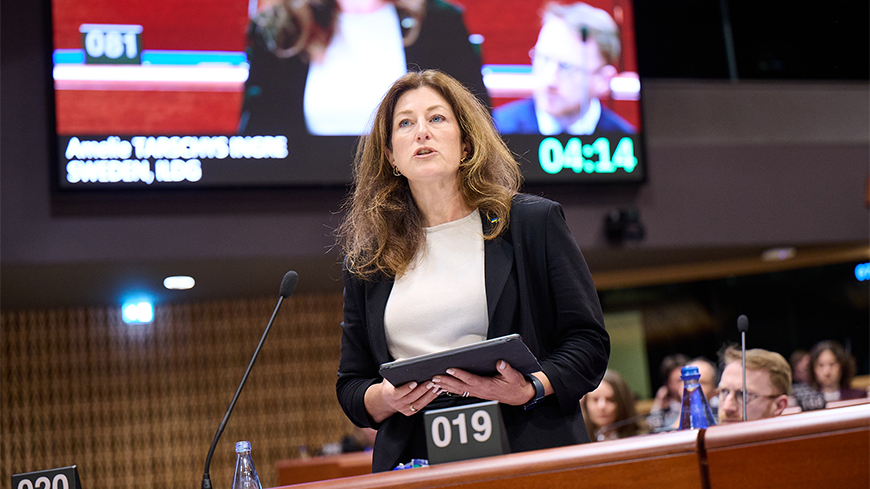
Ukraine’s local and regional authorities are at the forefront of Russia’s ongoing and illegal war of aggression against their country – and are the first to respond. They are playing a leading role in ensuring recovery and reconstruction for the benefit of the communities they serve. That role will continue as the situation evolves and after peace finally comes, said the Congress rapporteurs Véronique Bertholle (France, SOC/G/PD) and Amelie Tarschys Ingre (Sweden, ILDG).
In a resolution adopted today the Congress pointed out that effective multilevel governance will be required for Ukraine’s recovery and reconstruction, with local and regional authorities taking a fundamental role. The aim is that the country “builds back better”, with respect for European standards in human rights, democracy and the rule of law, in line with its progress towards membership of the European Union. The Congress also emphasised that the Russian Federation must pay for the reconstruction of Ukraine’s regions, and that confiscated Russian assets, which were frozen worldwide, should be a source for such reconstruction efforts.
Ukraine’s decentralisation reform
Launched in 2014, Ukraine’s decentralisation reform – focussed especially on territorial amalgamation (enlarging local- and regional-communities through mergers) and fiscal decentralisation – has become one of its most successful initiatives. The Congress, through its centre of expertise for multilevel governance, has provided key legal and methodological support.
The full-scale war has slowed down the pace of this reform and necessitated recentralisation of power to a large extent. However, it has not curbed neither the motivation of the Ukrainian authorities to implement decentralisation, nor the desire of Ukrainian people to live, after the war, in a democratic country where services are provided close to citizens and their wishes are heard by their elected representatives.
On the contrary, decentralisation reforms have continued. What are their prospects and main challenges, what are the priorities of the Government and the Verkhovna Rada in this field, and how can the Congress support them? These questions are being debated at the Congress plenary on 31 March.
Platform for multilevel governance cooperation with Ukraine
Co-operation between Ukraine and the Council of Europe (Congress, the Parliamentary Assembly of the Council of Europe, and the Venice Commission) on decentralisation, good governance and elections takes form of high-level dialogues, the fifth of which will take part on 1 and 2 April 2026 in Strasbourg.
Ukrainian stakeholders and the Council of Europe will focus on a common vision in respect of Ukraine’s reform priorities and of the support the Congress and the Parliamentary Assembly can offer. The discussions should also cover issues like preparedness for elections, transition from military to civilian administration and local finance reforms.
Justice and accountability for Mariupol and Bucha
On 31 March at 6.30 pm, a screening of the film Bucha will be organised on the margins of the high-level dialogue on Ukraine.
Mariupol Justice Initiative: European Solidarity for Accountability will be presented at the sidelines of the session on 1 April. Congress Vice-President Cecilia Dalman Eek, elected Mayor of Mariupol Vadym Boychenko, Executive Director of the Register of Damage for Ukraine Markiyan Kliouchkosvkyi, as well as two witnesses of the war from Mariupol, will take part in the event.
 The Council of Europe’s support for Ukraine
Commissioner Michael O’Flaherty’s speech at the Congress Ukraine debate