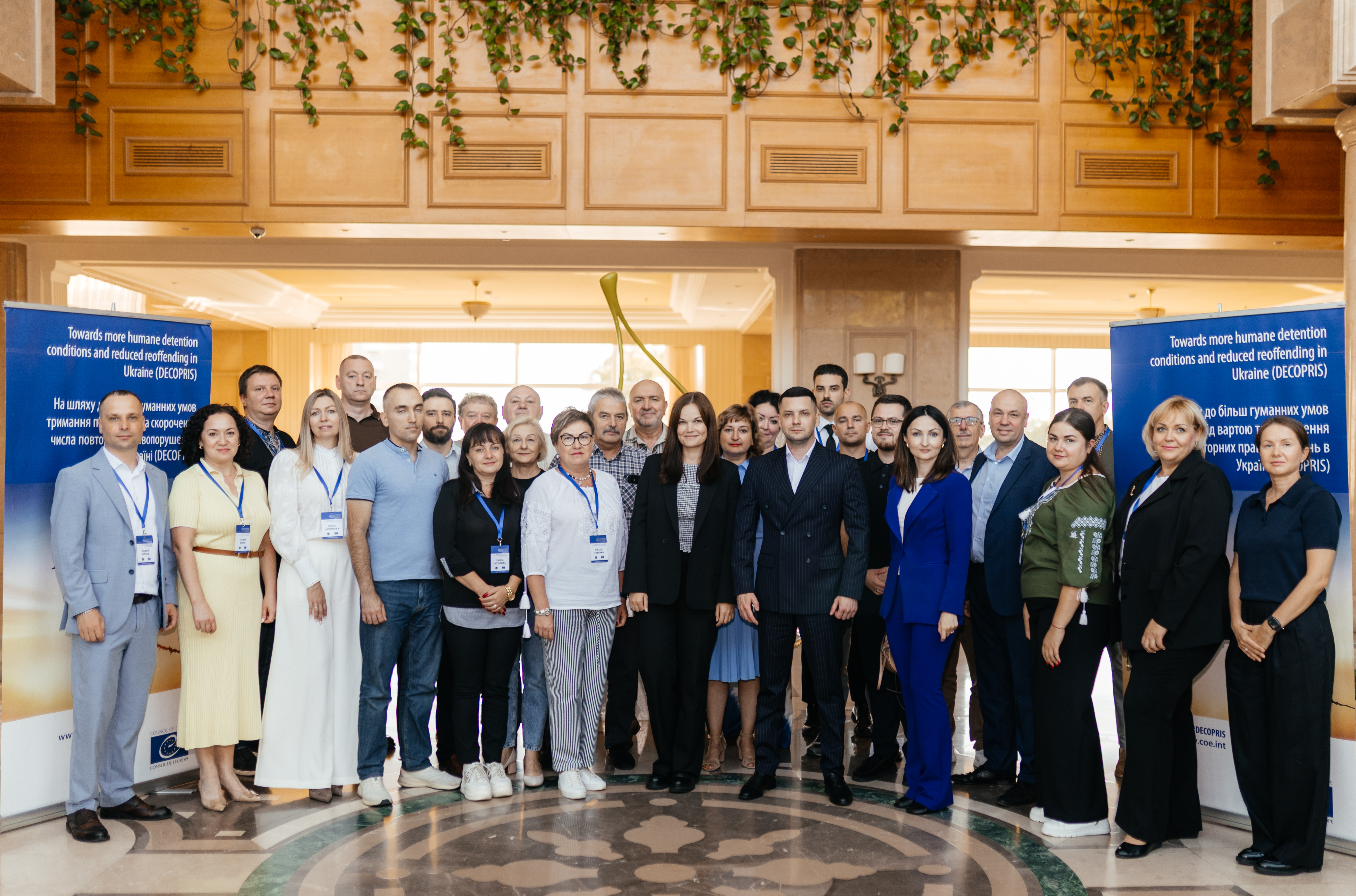
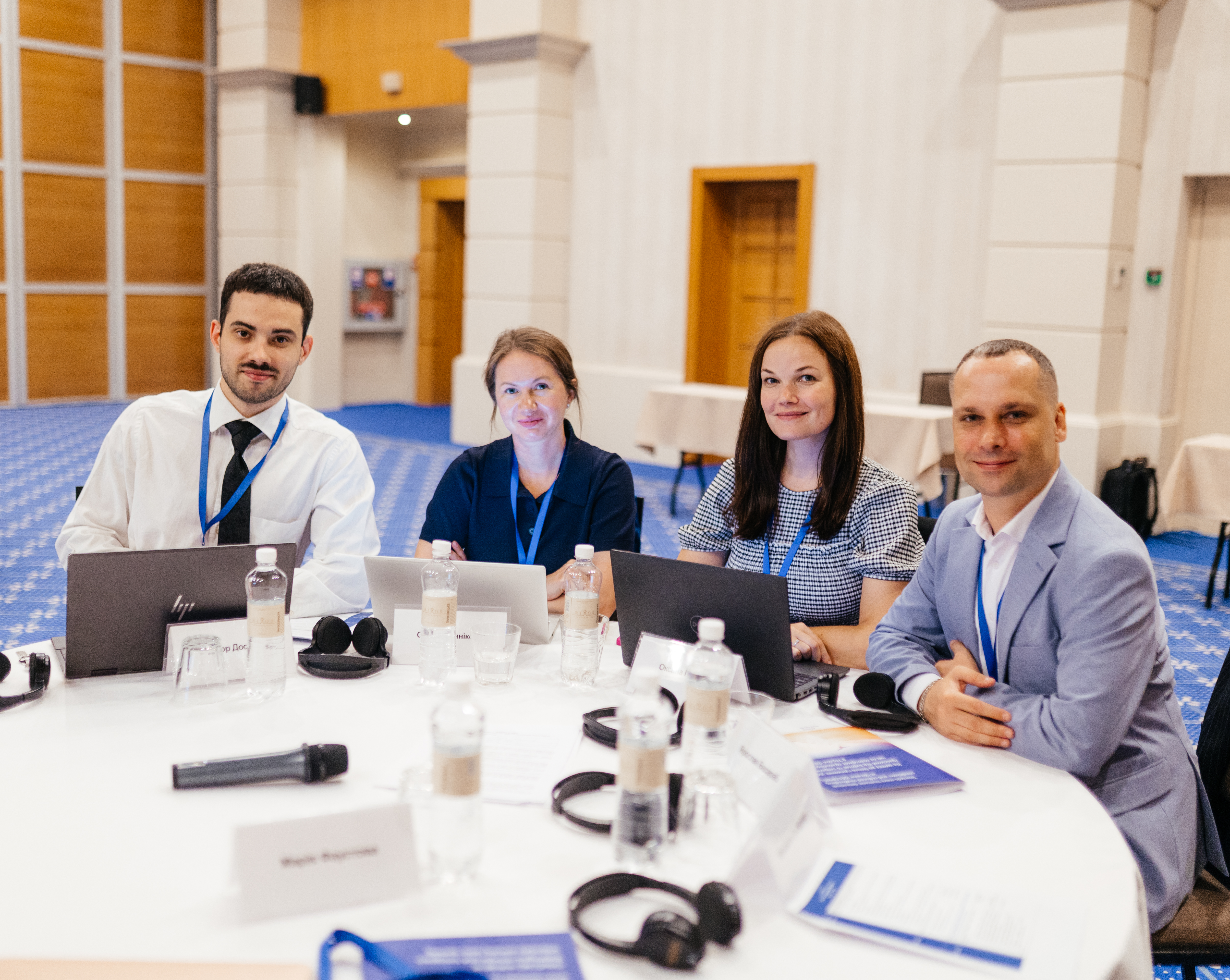
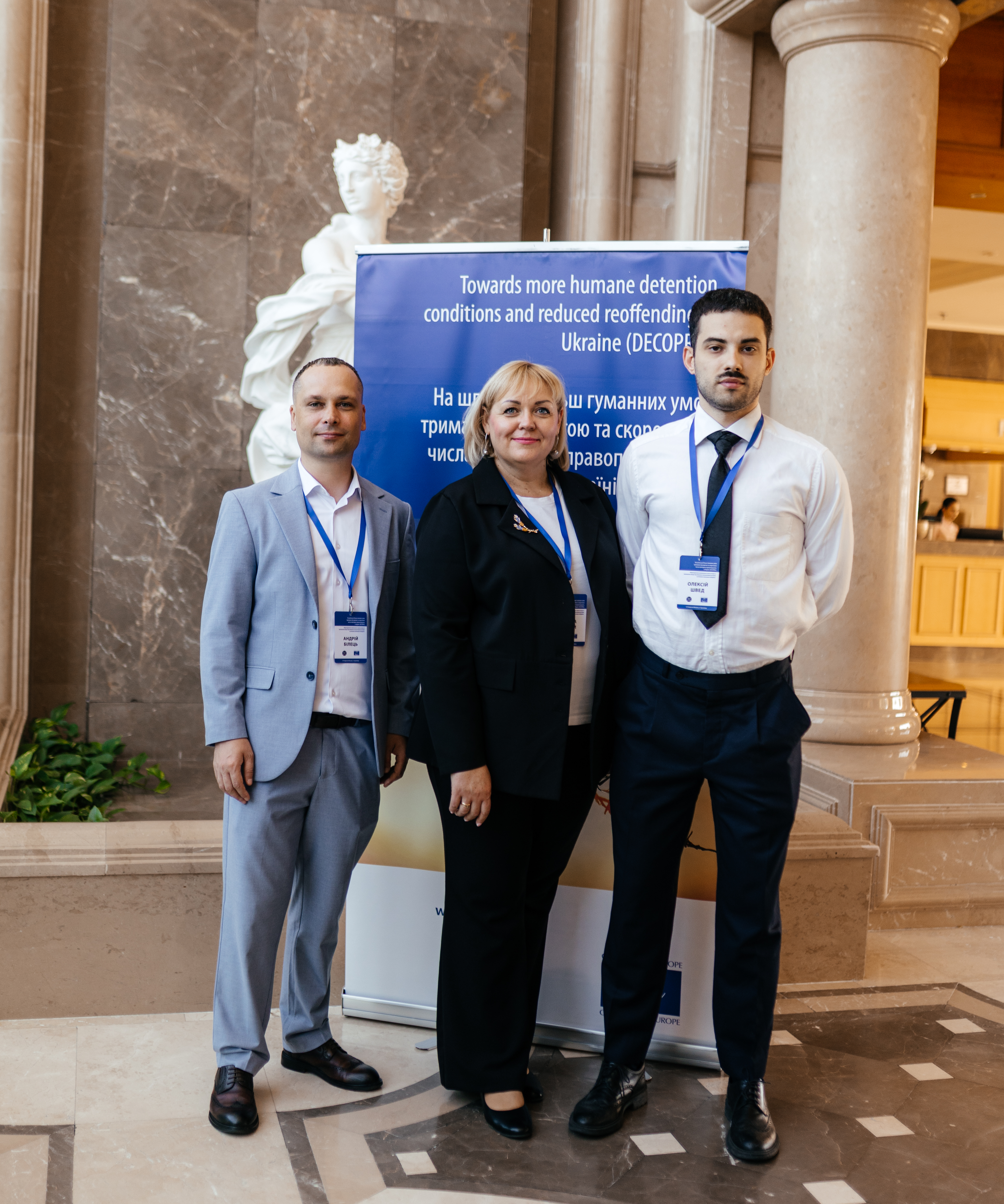
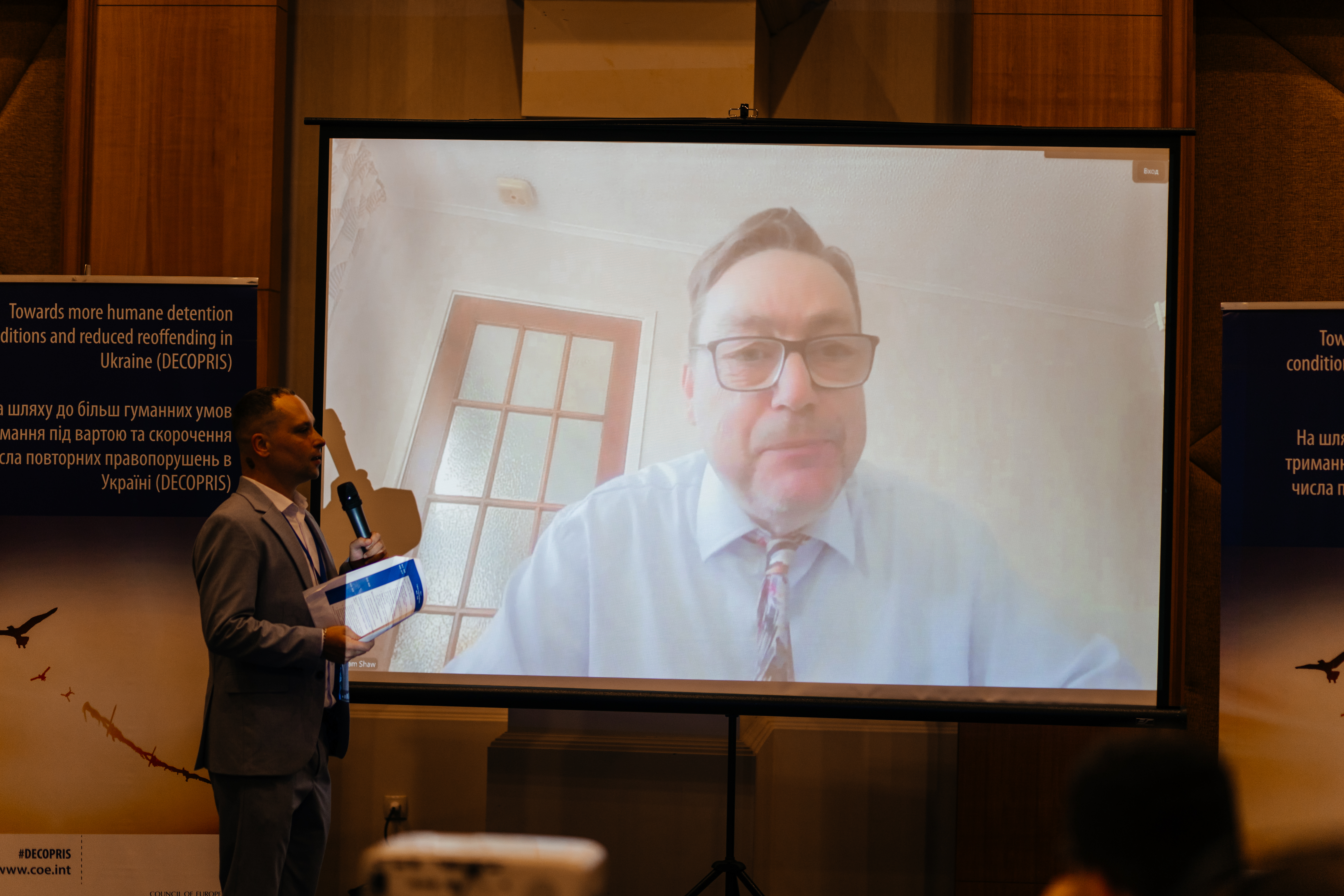
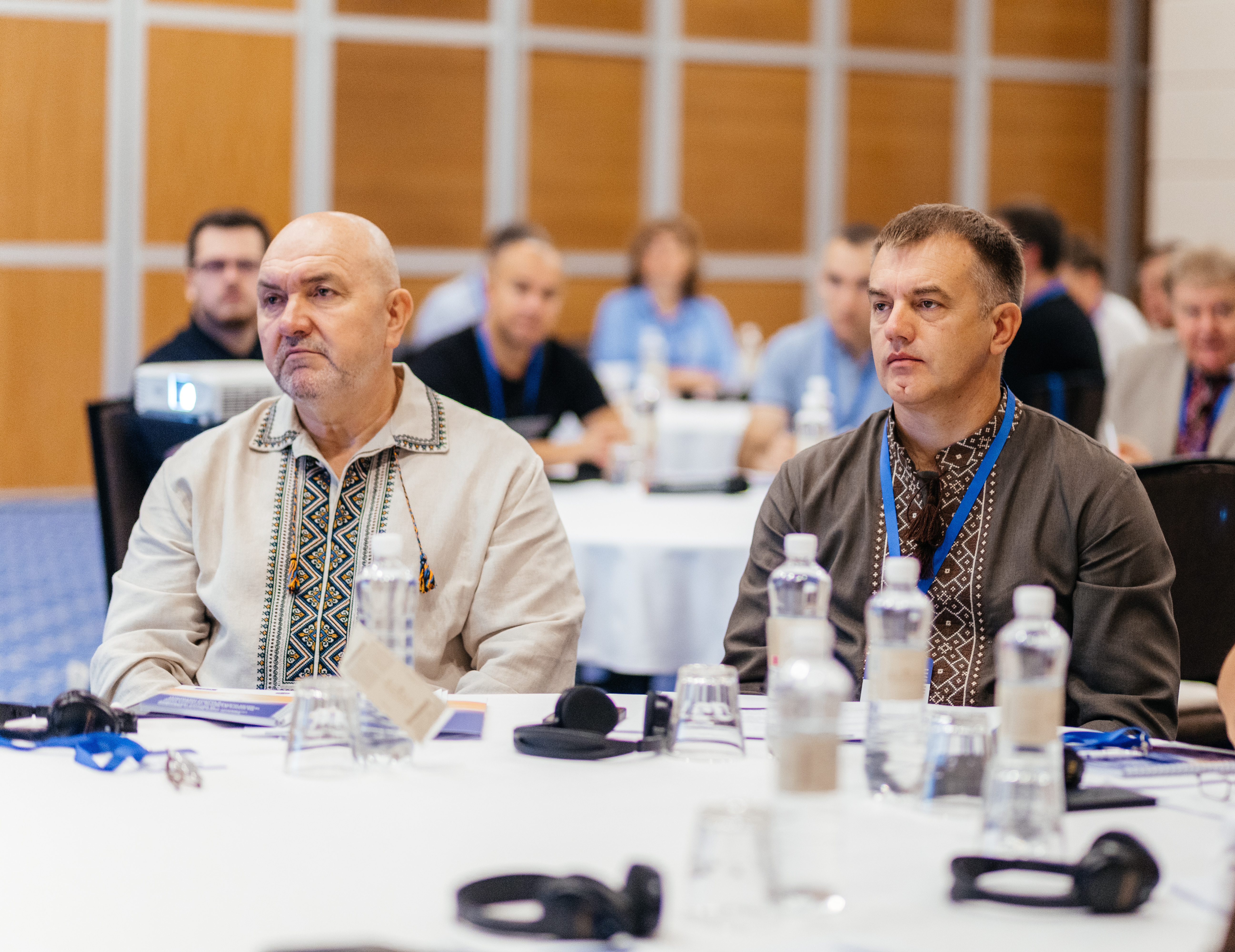
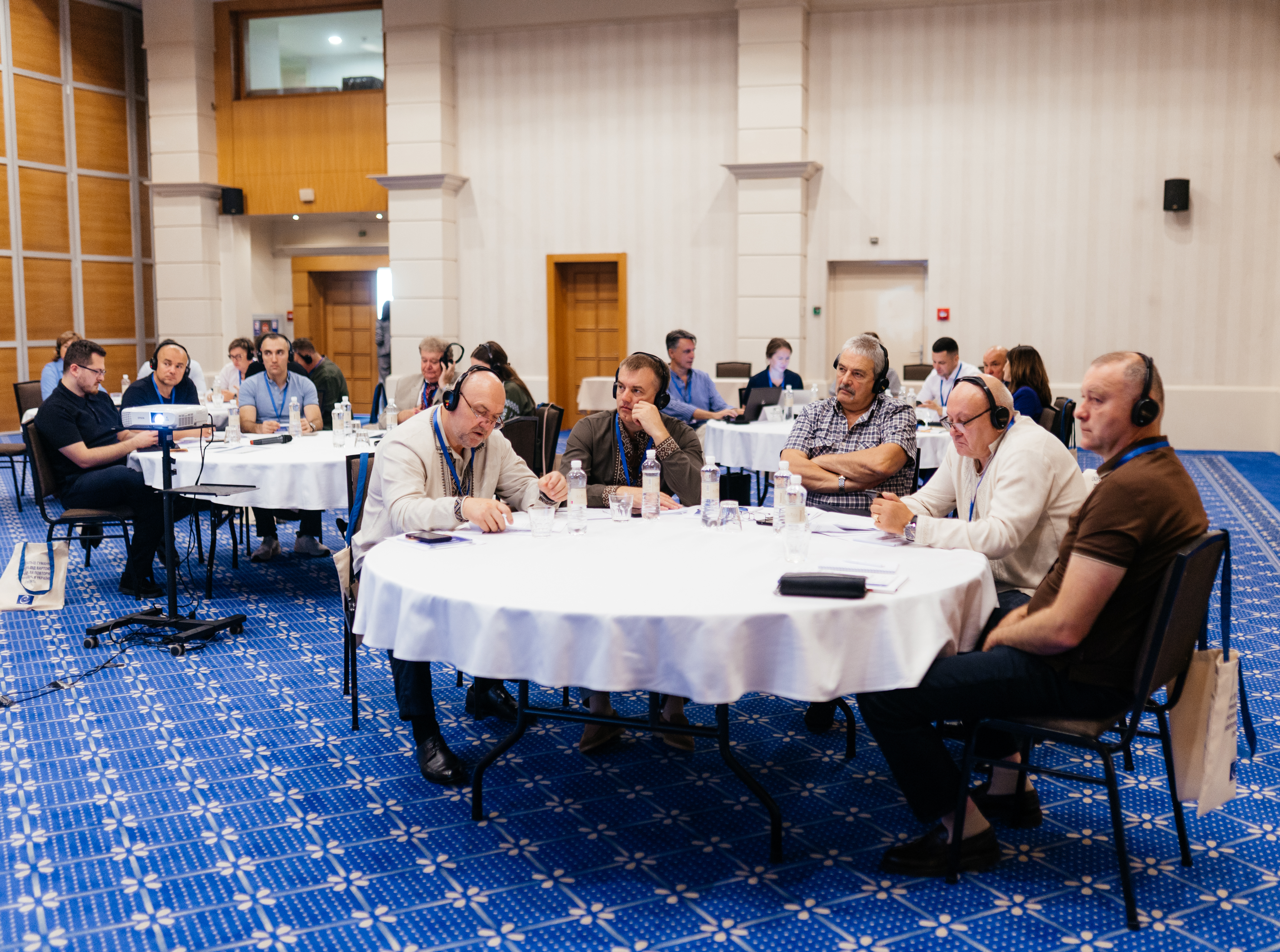
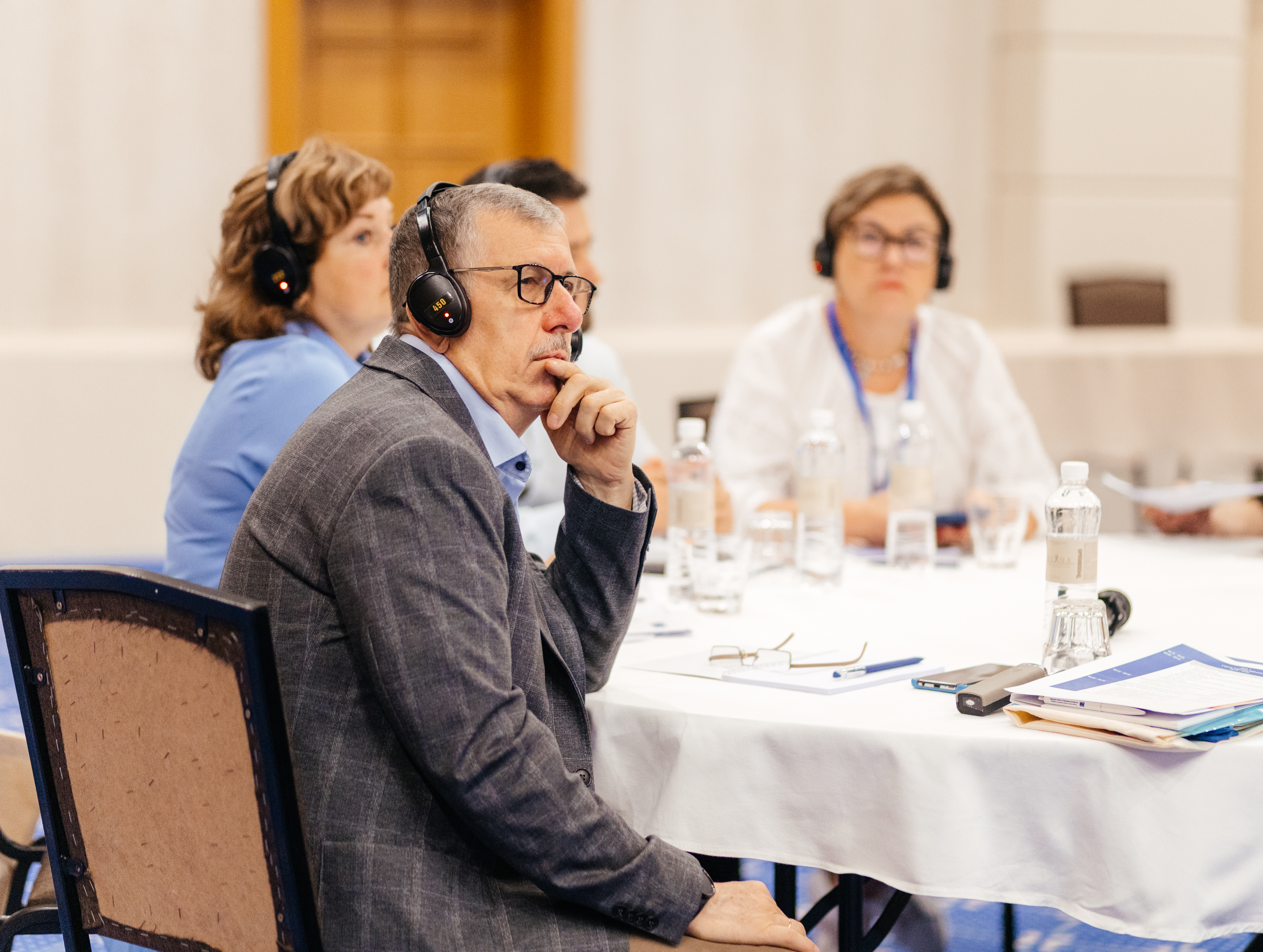
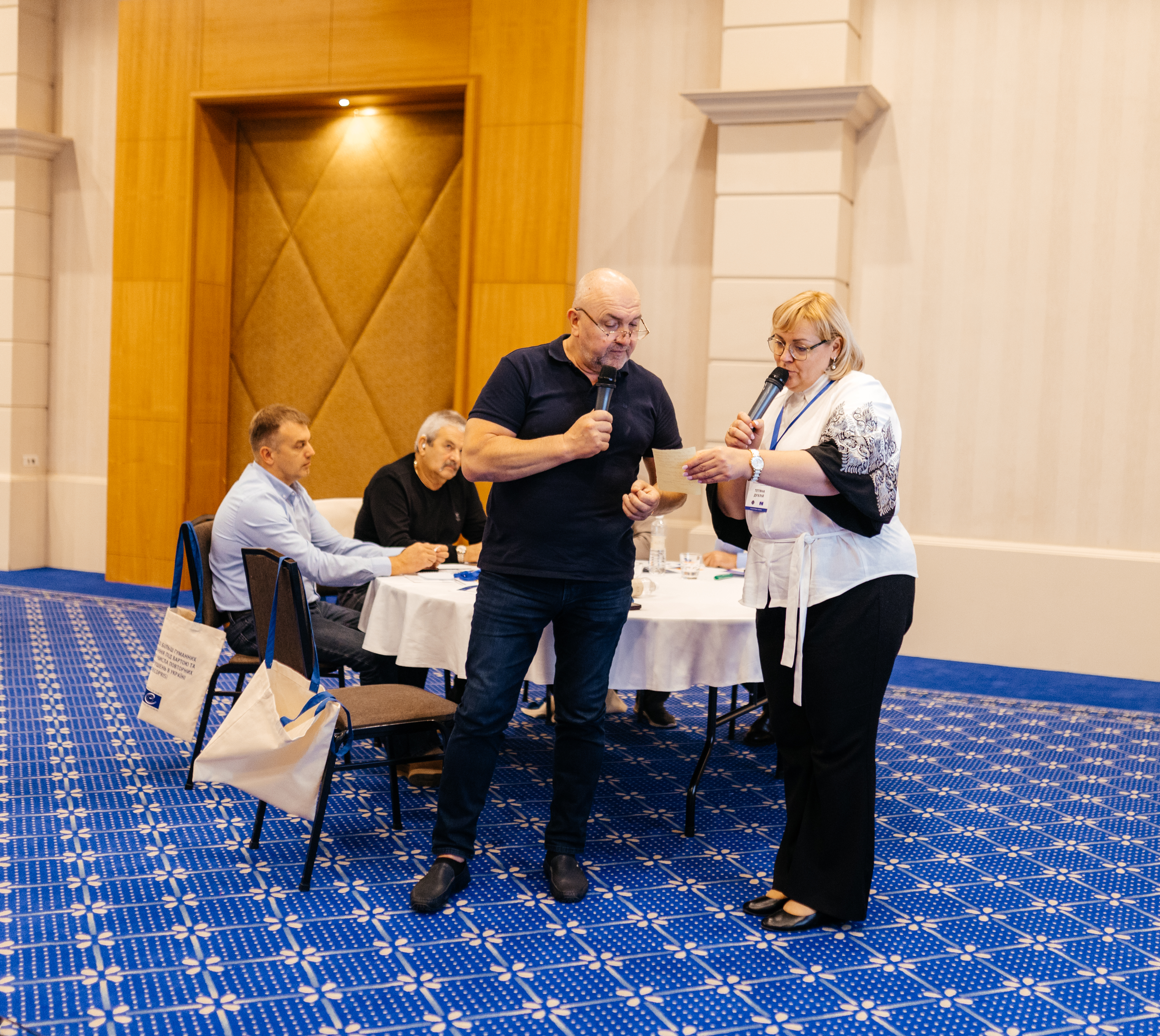
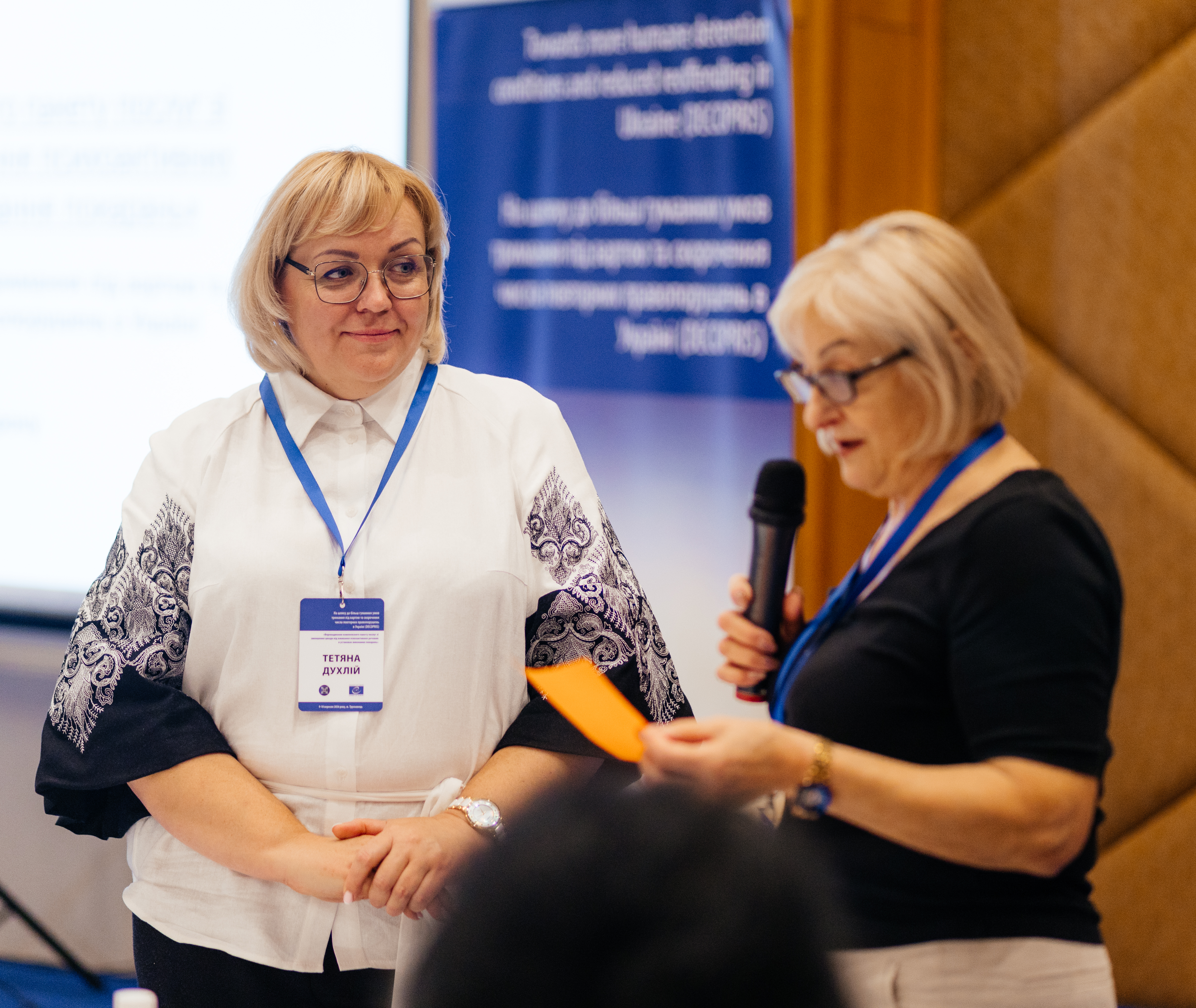
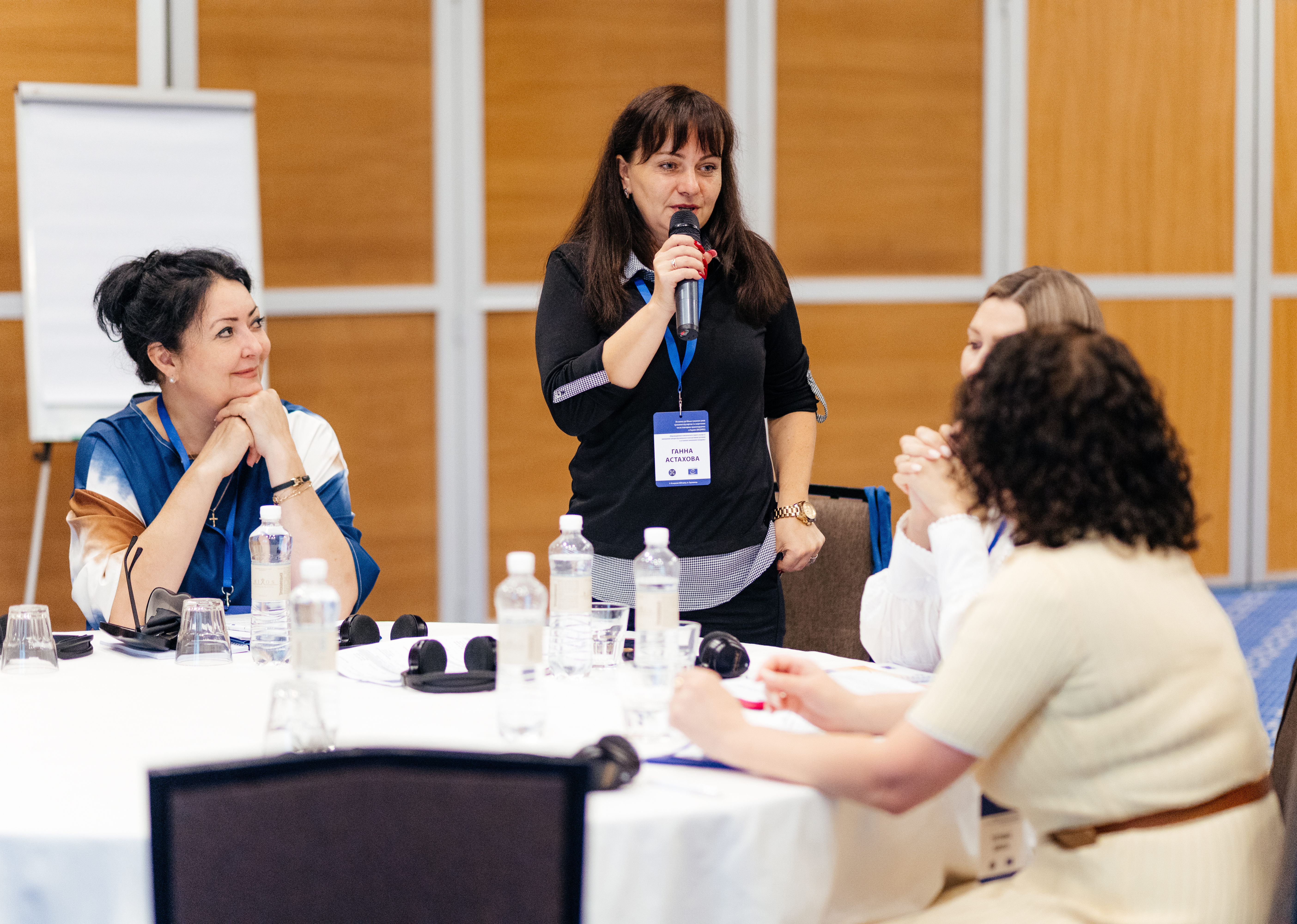
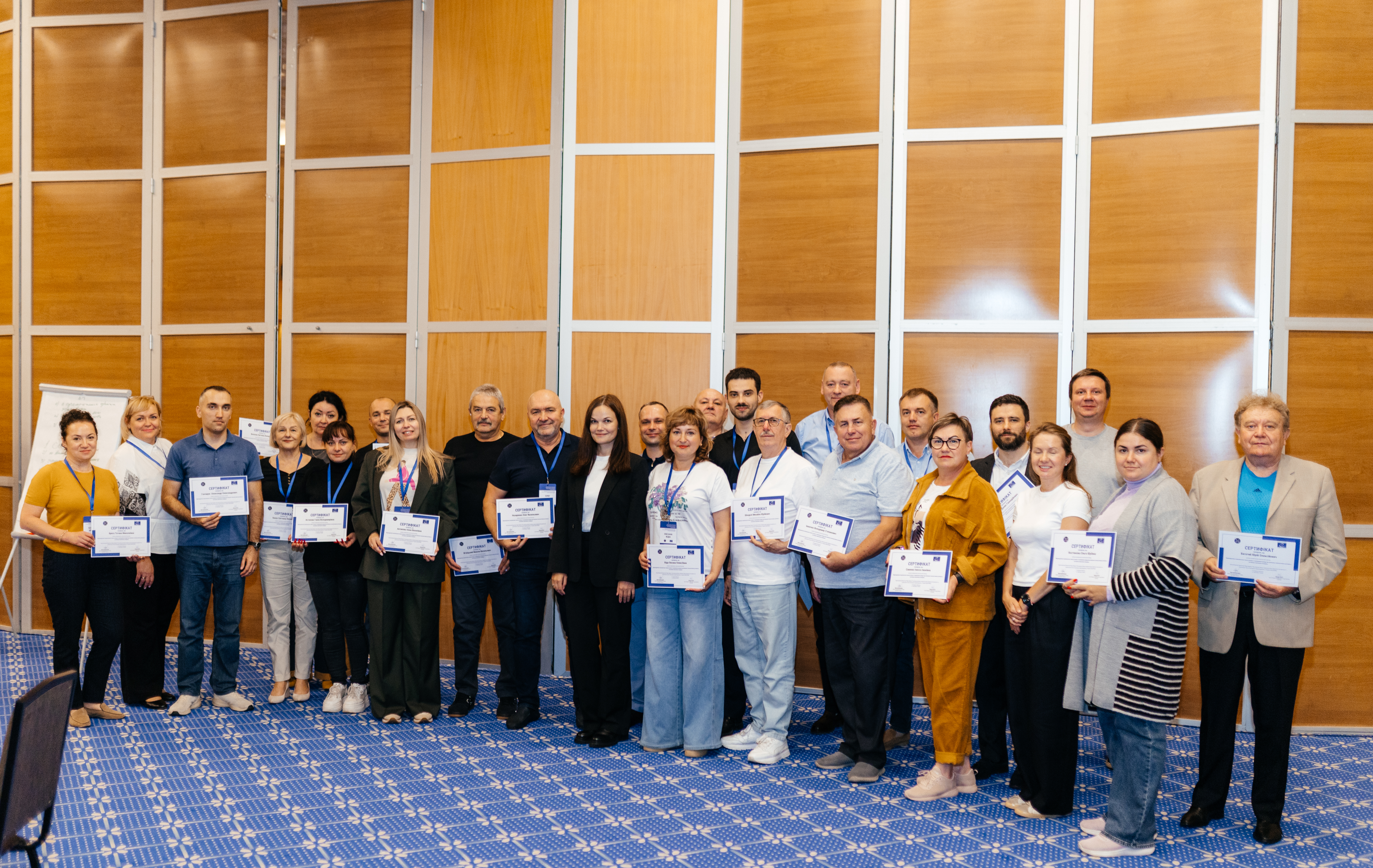
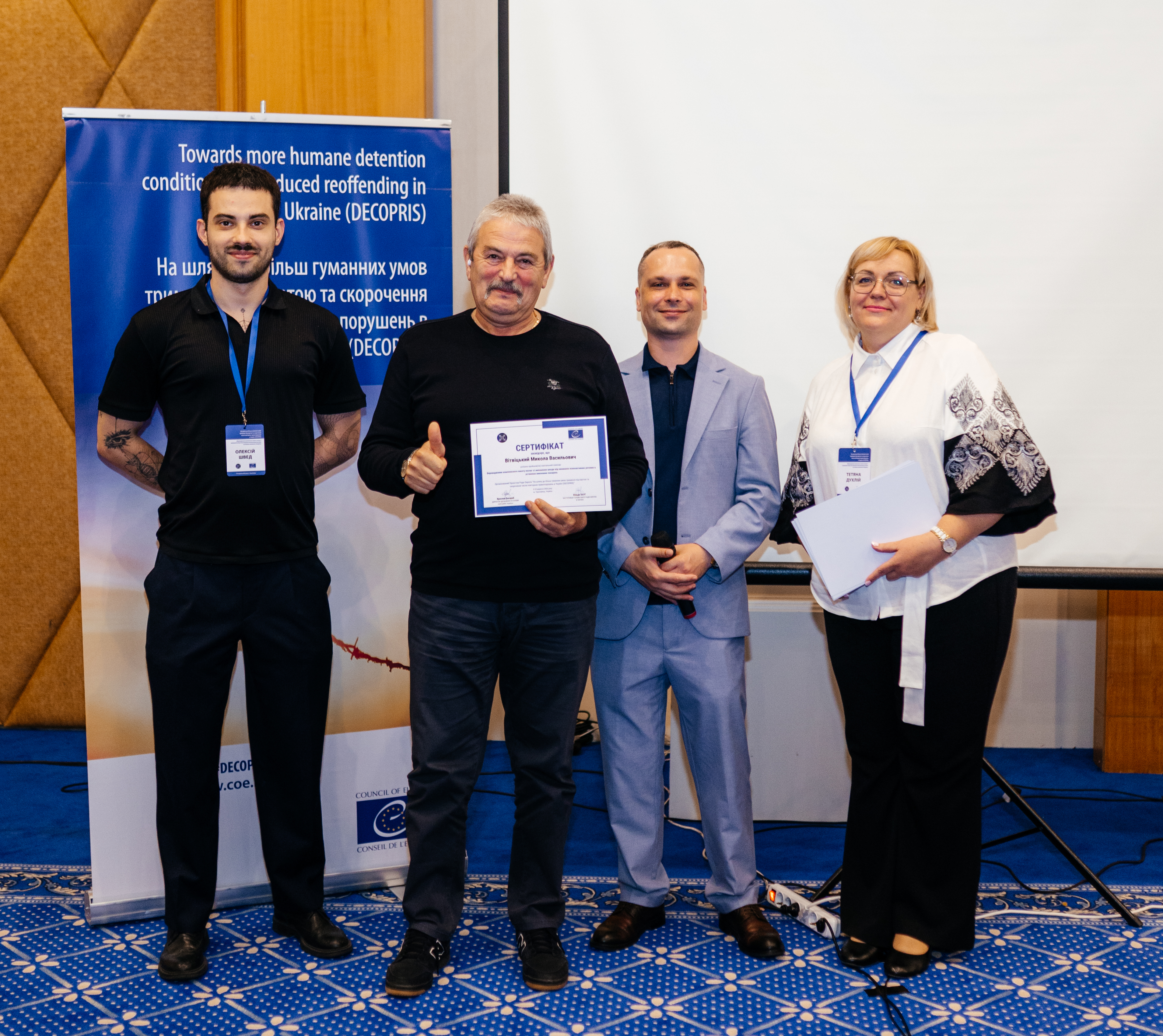
On 9–10 September 2026, the Council of Europe DECOPRIS project, together with the Health Centre of the State Criminal-Executive Service of Ukraine, organised a hybrid training in Truskavets on the implementation of a comprehensive package of harm reduction services for persons deprived of their liberty with substance use disorders.
The training brought together 25 professionals from Ukraine’s penitentiary system, including heads of regional branches of the Health Centre of the State Criminal-Executive Service of Ukraine, representatives of the Department for the Execution of Criminal Sanctions, healthcare professionals, and other specialists involved in providing services to persons deprived of their liberty with mental and behavioural disorders due to psychoactive substance use.
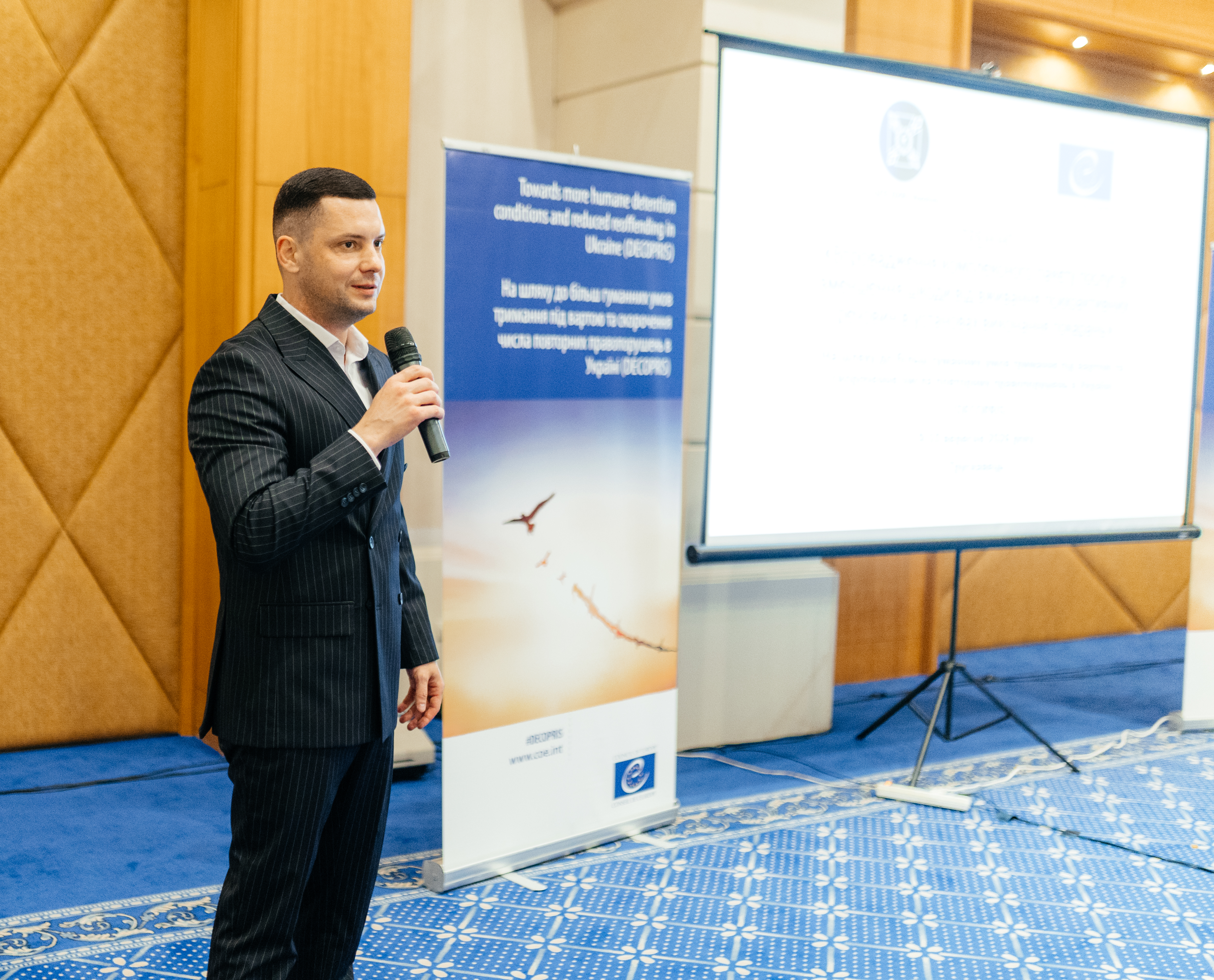
The first day of the training was opened by Yaroslav Basarab, Director of the Health Centre of the State Criminal-Executive Service of Ukraine. He emphasised the importance of a comprehensive and multidisciplinary approach to implementing harm reduction programmes in penitentiary institutions, as well as effective co-operation among healthcare professionals, prison administrations and other relevant specialists.
Over the course of two days, participants strengthened their knowledge of substance use disorders, patterns of drug use in prisons and the associated individual and public health risks. They examined the practical organisation of prison-based needle and syringe programmes (NSPs) and the delivery of comprehensive harm reduction services, including HIV and viral hepatitis prevention, access to treatment, psychosocial support and continuity of care.
The training sessions clarified the roles and responsibilities of healthcare and non-healthcare staff, prison management, peer workers and external service providers in delivering harm reduction programmes. Particular attention was paid to multidisciplinary co-operation, confidentiality and the safety of people in detention and prison staff.
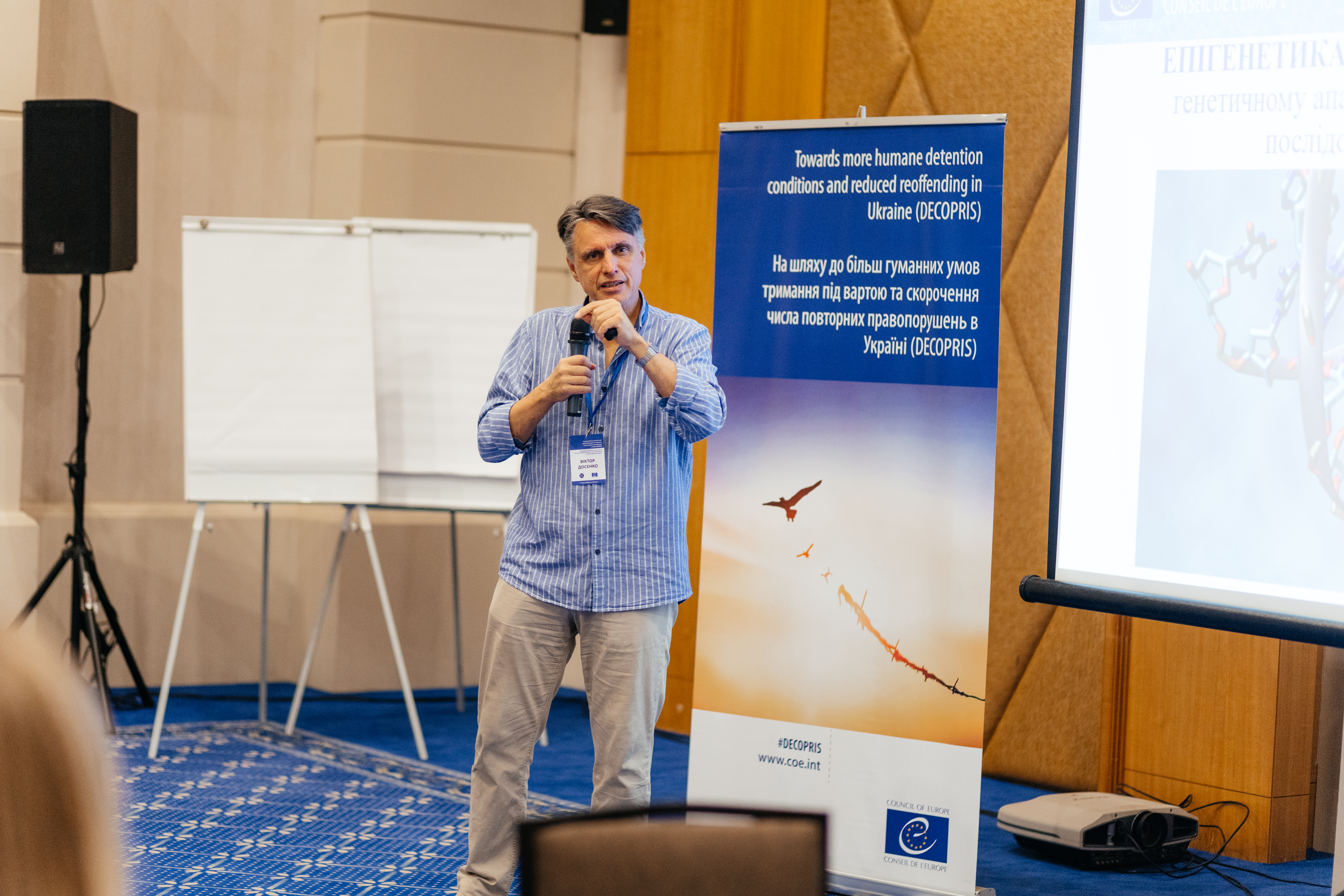
A Council of Europe international consultant from the United Kingdom presented international prison health standards and current approaches to harm reduction in detention settings. Discussions focused on equivalence of care between prisons and the community, continuity of treatment during detention and following release, and the practical application of human rights and public health standards.
Ukraine introduced needle and syringe programmes in penitentiary institutions in 2023 and is among only 11 countries worldwide providing such services in prisons. The programmes currently operate in seven Ukrainian penitentiary institutions, with further expansion planned.
Representatives of Stryzhavka Correctional Colony No. 81, one of the first institutions in Ukraine to introduce an NSP, alongside Odesa Correctional Colony No. 14, shared their practical experience. According to information presented during the training, no new cases of HIV infection have been registered at the institution since the programme was launched. Their experience underscored the importance of providing a comprehensive package of harm reduction services encompassing access to sterile injecting equipment, health education, testing, treatment and psychosocial support.
The training also included a study visit to Drohobych Correctional Colony No. 40 and its needle and syringe programme site, where participants observed the delivery of harm reduction services and explored the organisational aspects of implementing an NSPs in prison, including management and safety procedures.
The expansion of needle and syringe programmes, alongside the continued scale-up of opioid agonist treatment, demonstrates the sustained co-operation between the Council of Europe and the Health Centre of the State Criminal-Executive Service of Ukraine in advancing evidence-informed and human rights-based responses to substance use and promoting more humane detention conditions.
This activity was organised within the framework of the Council of Europe project “Towards More Humane Conditions of Detention and Reduced Reoffending in Ukraine” (DECOPRIS)” which is implemented within the Council of Europe Action Plan for Ukraine “Resilience, Recovery and Reconstruction” (2023–2026). DECOPRIS aims to enhance the protection of prisoners’ rights by improving prison management practices and advancing rehabilitation efforts.