Penitentiary institutions in Ukraine have started piloting the Framework Correctional Programme for behavioural change and the resocialisation of convicted persons.
The pilot will run until December 2026 in 8 penitentiary institutions selected by the Department of Execution of Criminal Sanctions: Voznesenska Correctional Colony (No. 72), Bozhkovska Correctional Colony (No. 16), Manevytska Correctional Colony (No. 42), Dniprovska Correctional Colony (No. 89), Korostenska Correctional Colony (No. 71), Naderzhynshchynska Correctional Colony (No. 65), Bilotserkivska Correctional Colony (No. 35) and Shepetivska Correctional Colony (No. 98).
The aim of this phase is to assess how well the Programme functions and how applicable it is in practice as part of social, educational and psychological work with convicted persons; identify any implementation challenges; and gather practitioners’ suggestions for improving the Programme before it is rolled out more widely across the system.
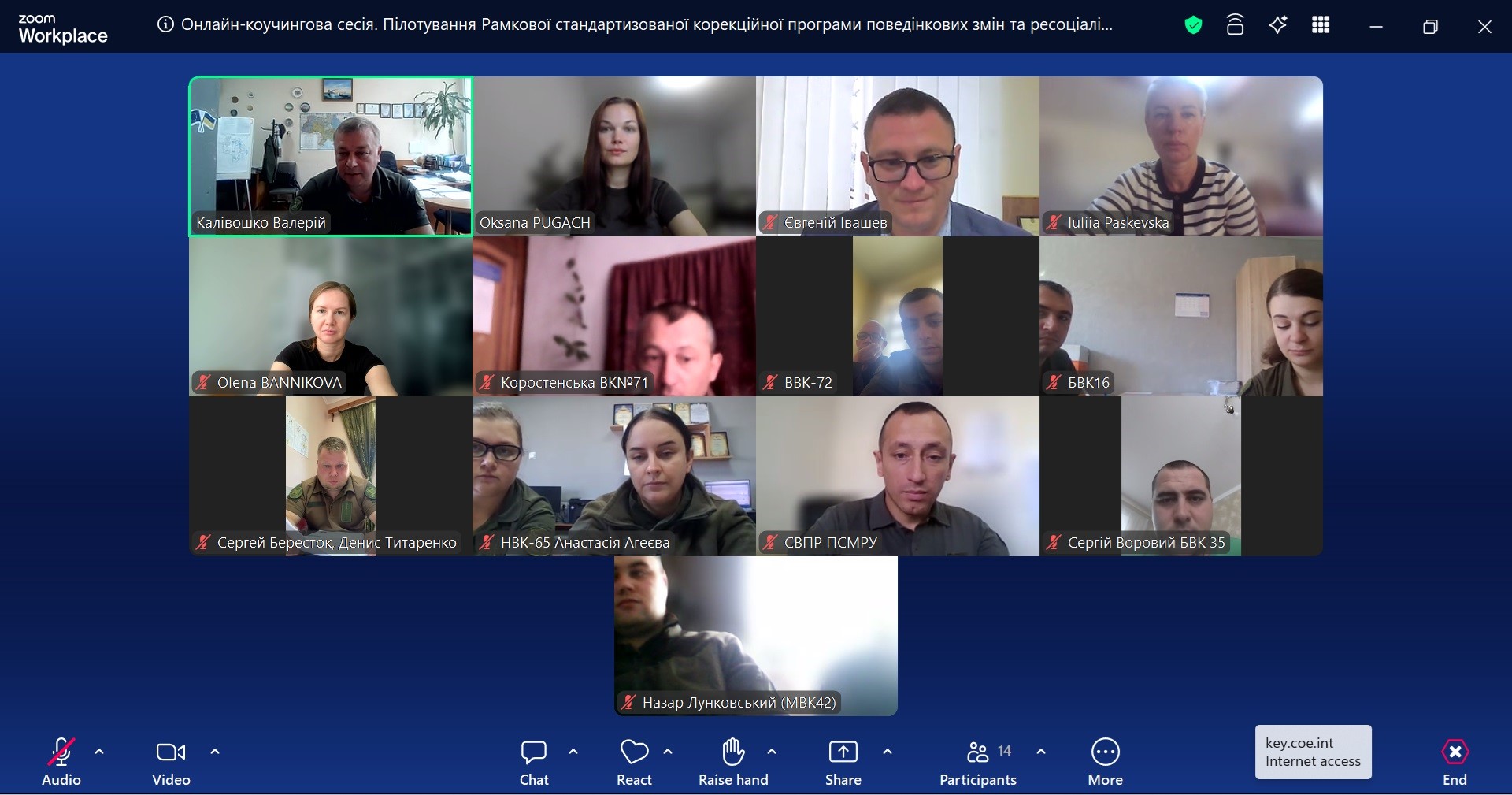
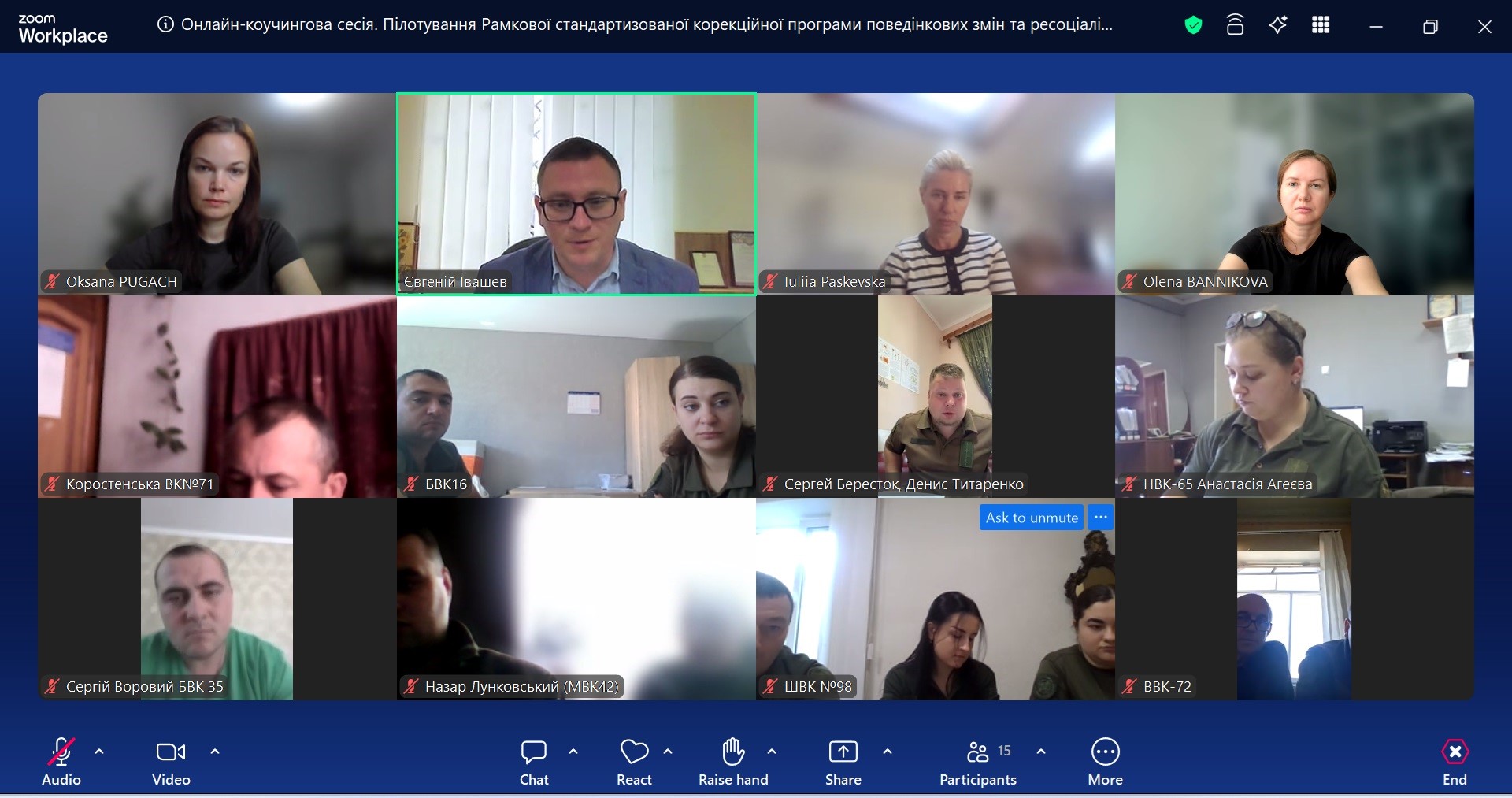
The Programme started with a three-day training course for prison psychologists in August and the following online coaching session with national consultants in September. The participants received additional methodological guidance and clarification on the practical application of the Programme.
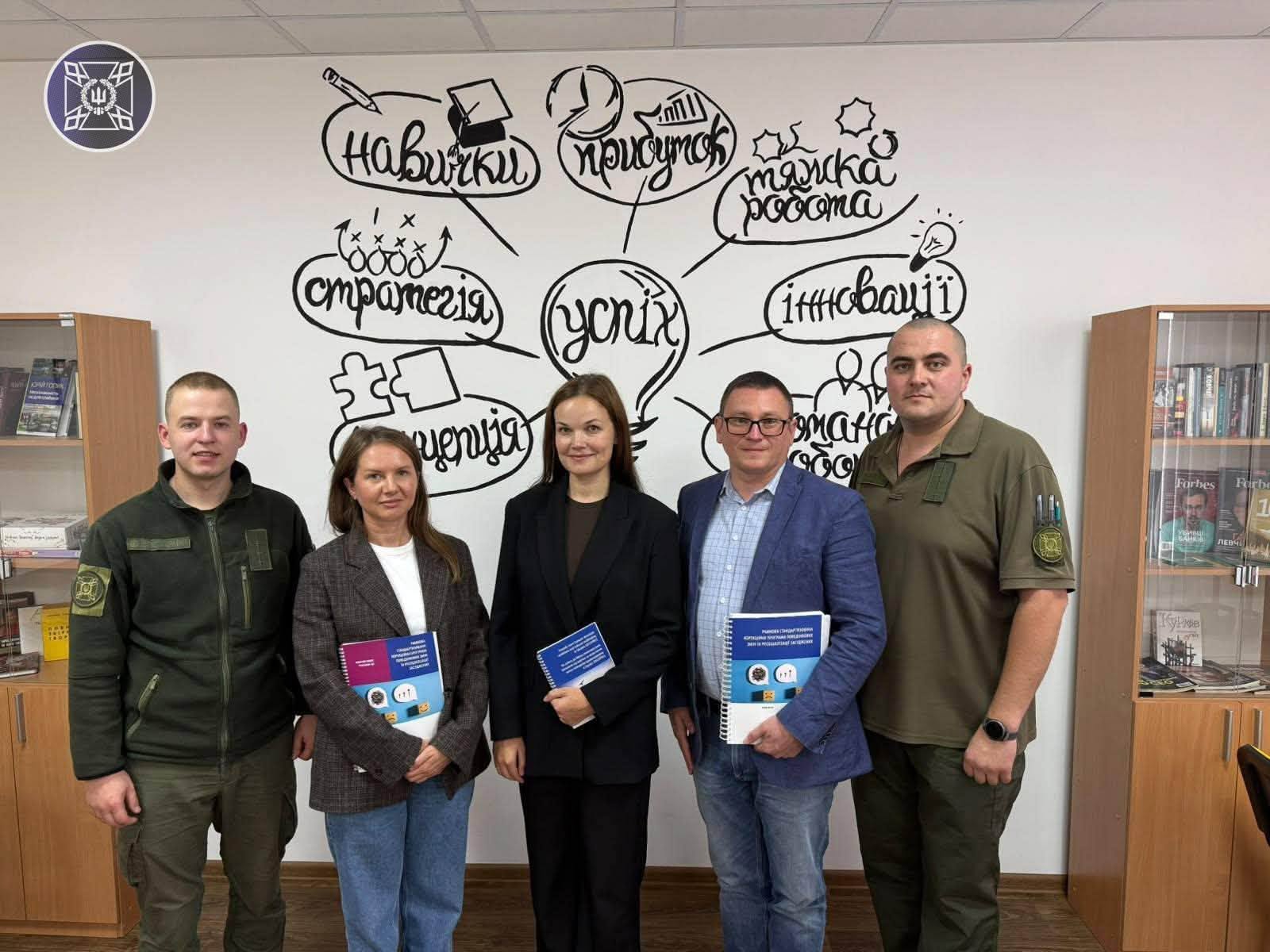
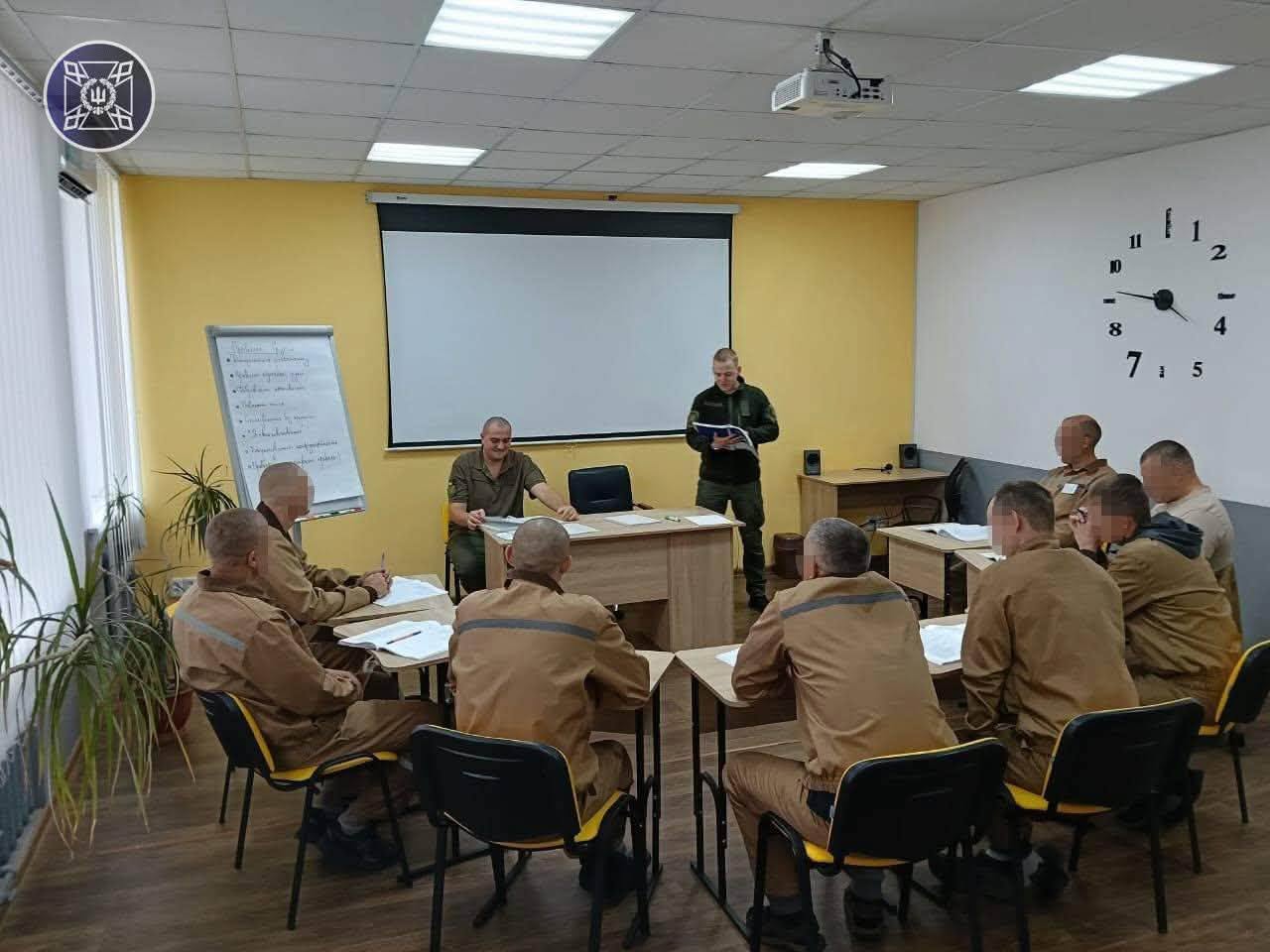
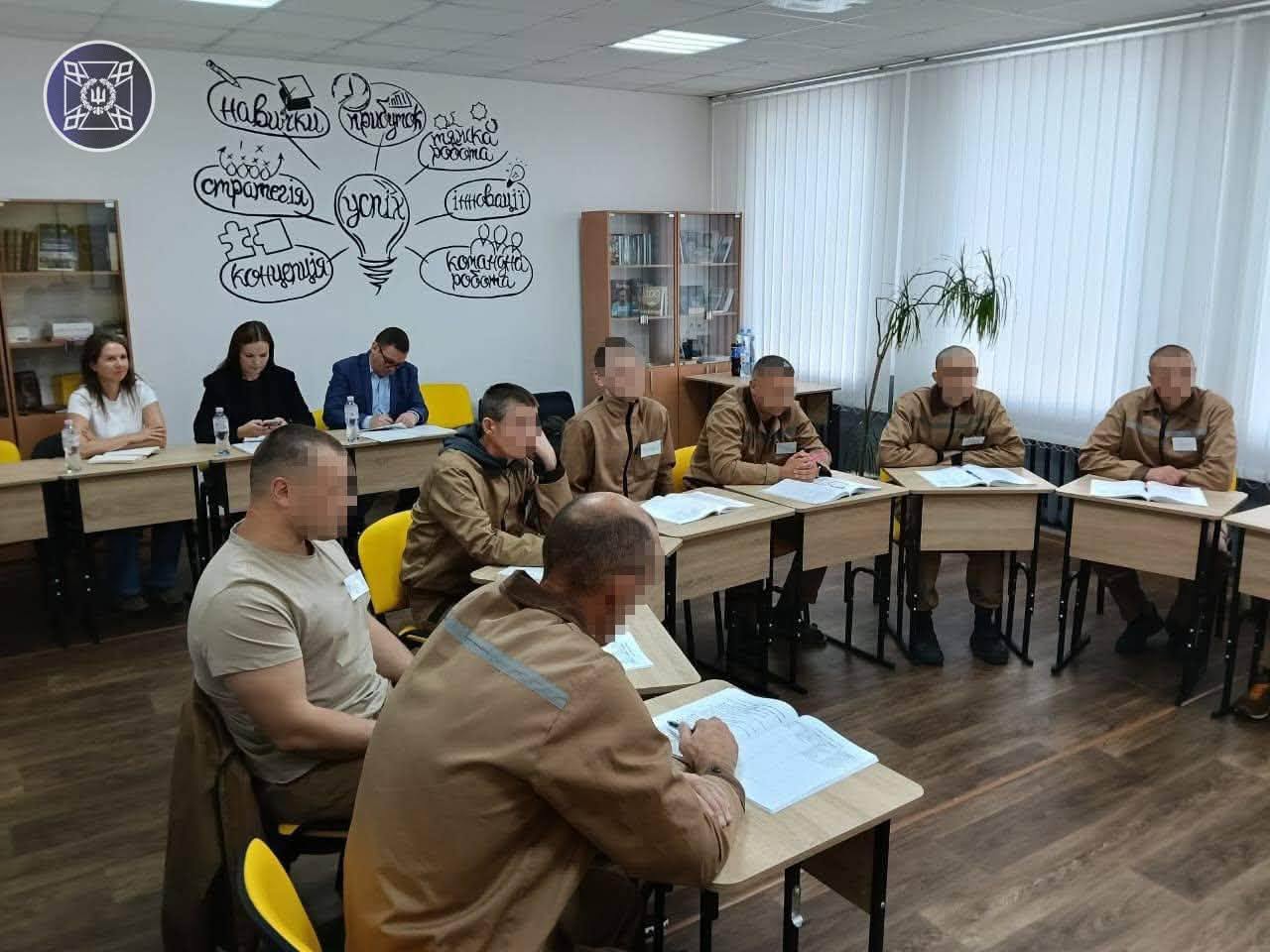
The first assessment of the Programme's piloting was conducted on 21 September during the first on-site monitoring visit to a pilot institution, Bilotserkivska Correctional Colony (No. 35).
During the visit, the national consultant and the team of the relevant Council of Europe project observed how staff trained in earlier sessions apply the Programme in practice, and provided methodological support and feedback based on their observations. The participants took part openly in the discussions, responded positively to the exercises and showed interest in the Programme's approach and content.
Feedback from the professionals who conducted the monitoring visit and from the colony staff was highly positive, with the Programme's approach described as engaging and useful. Those involved noted that the Programme is a practical tool that does not impose ready-made solutions but helps people identify and activate the positive resources, knowledge and potential they already have.
Alongside the on-site visits, online monitoring sessions with the other pilot institutions are continuing. This blended approach makes it possible to provide regular support to all 8 pilot institutions at the same time, track the progress of the Programme’s implementation and offer staff timely methodological guidance, regardless of their location.
The monitoring sessions confirm the relevance and practical value of the Framework Correctional Programme, as well as participants’ strong engagement and readiness to discuss the topics openly and reflect on them. Recommendations gathered during monitoring will help refine facilitation practices and support the effective implementation of the next stages of the pilot.
Throughout the pilot, the Council of Europe will provide mentoring and advisory support to staff at the pilot institutions, while the Department of Execution of Criminal Sanctions will monitor the Programme’s implementation. The results and practitioners’ feedback will be used to refine the Programme before it is rolled out more widely across the penitentiary system.
The Council of Europe project “Towards More Humane Conditions of Detention and Reduced Reoffending in Ukraine” (DECOPRIS) is implemented within the framework of the Council of Europe’s Action Plan for Ukraine “Resilience, Recovery and Reconstruction” (2023–2026). DECOPRIS aims to enhance the protection of prisoners’ rights by improving prison management practices and advancing rehabilitation efforts.