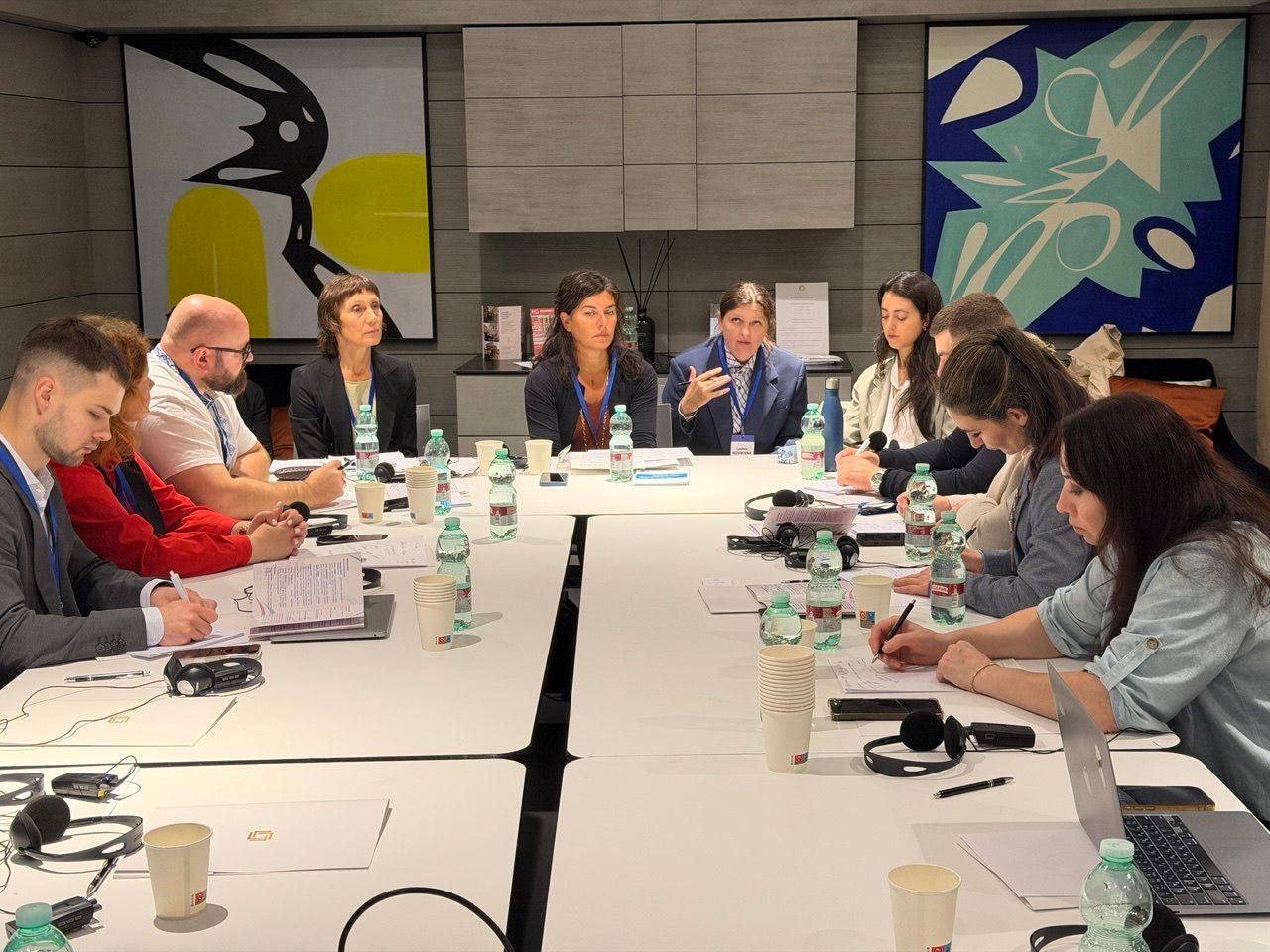
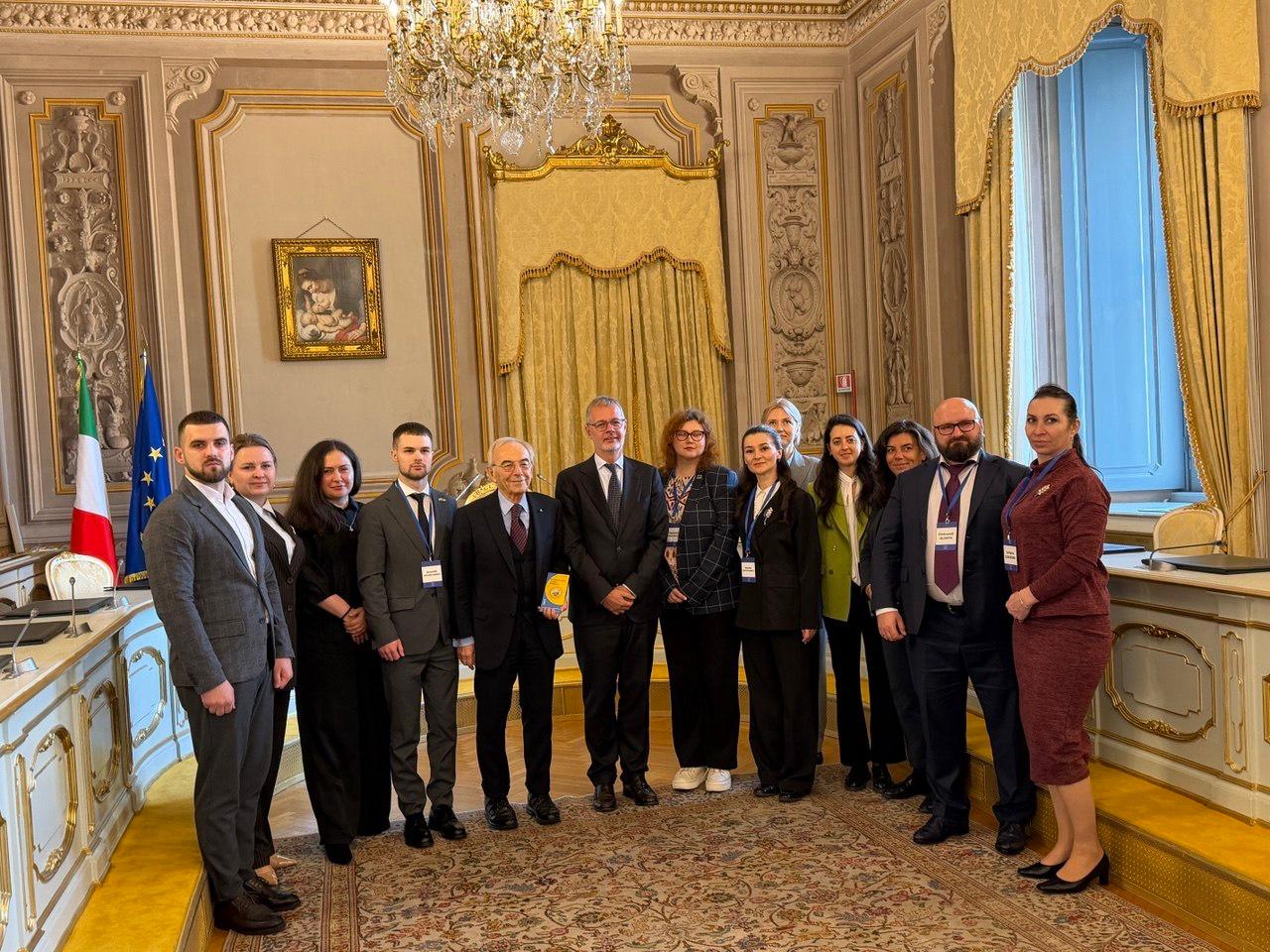
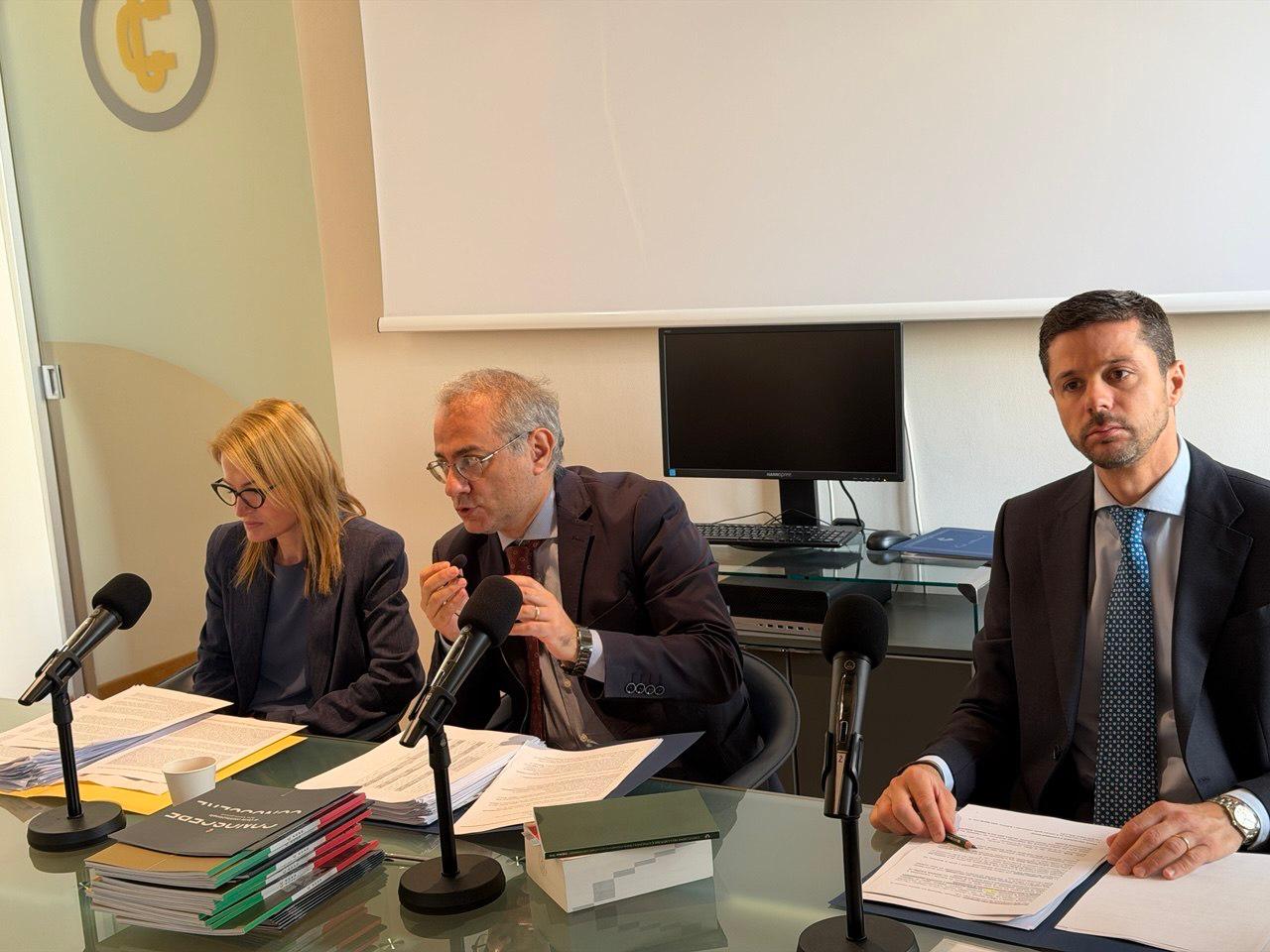
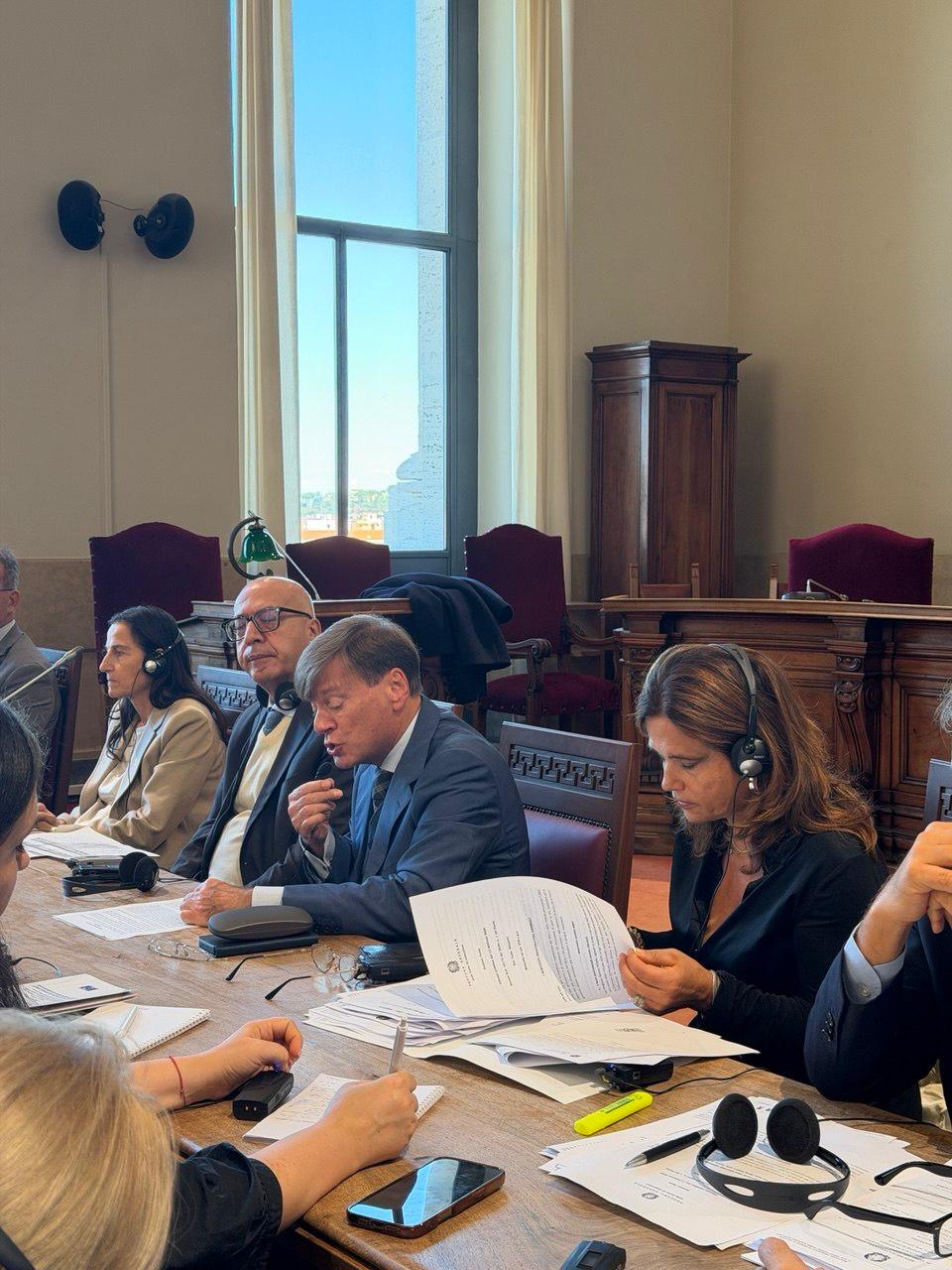
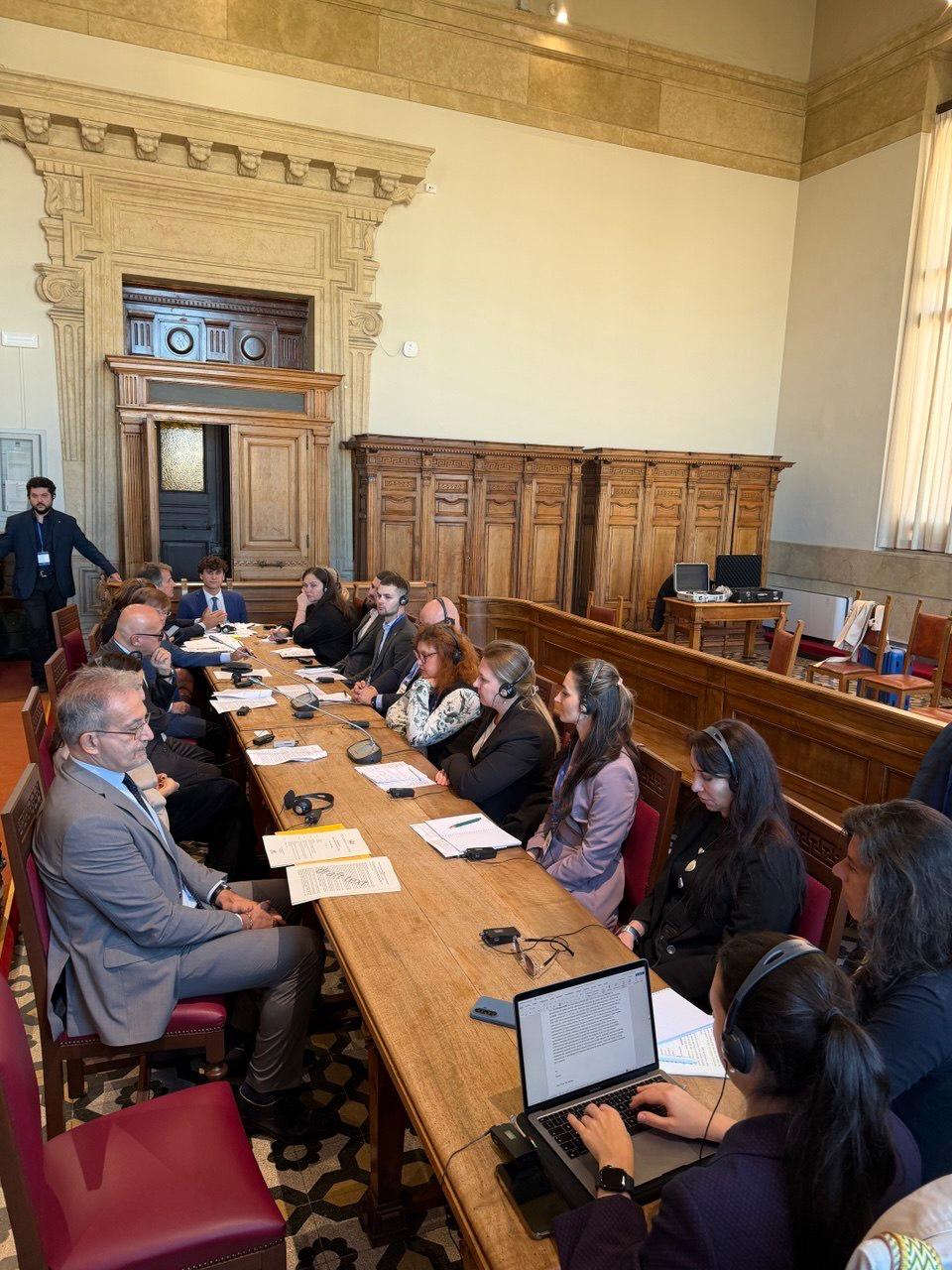
What happens when a person’s right to compensation is affected by the principle of State immunity? How can a court judgment of one state against a foreign State be enforced so that victims’ rights are recognised and protected? These questions were at the centre of a study visit by a delegation of the Ministry of Justice of Ukraine to the Italian Republic, supported by the Council of Europe on 27–29 October 2026 in Rome.
State immunity is a fundamental principle of international law, protecting States from being subjected to the jurisdiction of the courts of other States. However, its application raises particularly complex questions when individuals seek justice and reparation for serious violations of international law, including war crimes and crimes against humanity. How can States reconcile their international obligations with the right of victims to access justice and how it could be coordinated with right to dignity? And how can judgments awarding compensation to be paid to victims by a foreign state be effectively enforced?
Italy offers particularly relevant experience in addressing these challenges. Its judicial and constitutional practice has become one of the most significant examples of the complex relationship between State immunity, fundamental rights and the right of victims to obtain judicial protection.
This legal debate has its roots in proceedings concerning crimes committed by Nazi Germany during the Second World War. In Ferrini v. Germany, Italian courts considered whether a foreign State could be held civilly liable for damage caused by war crimes. The issues of state immunity overcoming challenges were on the consideration of the International Court of Justice (ICJ), which ruled in 2012 that Italy had breached its international obligation to respect Germany’s jurisdictional immunity.
However, the legal debate did not end there.
In 2014, the Italian Constitutional Court delivered Judgment No. 238/2014, a landmark decision addressing the relationship between international law and fundamental constitutional rights. The Court declared unconstitutional the application of the relevant provisions insofar as they required Italian courts to deny jurisdiction in cases concerning war crimes and crimes against humanity that violated fundamental human rights.
The judgment did not abolish State immunity as a general principle. Rather, it established constitutional limits on its application in a specific category of cases, raising a fundamental question: can a principle of international law be applied in a way that deprives individuals of their right of access to justice?
This debate remains relevant today. In 2022, Germany instituted new proceedings against Italy before the International Court of Justice, concerning jurisdictional immunity and measures of constraint against State-owned property. In December 2024, the Court suspended the proceedings pending notification from one of the Parties.
Italy has also developed an alternative approach to securing compensation. Its legislation established a dedicated compensation fund for victims of war crimes and crimes against humanity committed by Nazi Germany. In Judgment No. 159/2023, the Constitutional Court examined the constitutionality of this mechanism and found that the legislation struck a permissible balance between the protection of war affected people and Italy’s international obligations.
It is this combination of judicial practice, enforcement challenges and alternative compensation mechanisms that makes the Italian experience particularly valuable for Ukraine.
During the three-day visit, representatives of the Ministry of Justice of Ukraine held working meetings with key Italian institutions, including the Ministry of Justice, the Constitutional Court, the Supreme Court of Cassation, the Office of the Prosecutor General at the Supreme Court of Cassation, Rome Civil Court as well as judges of the relevant courts and legal professionals.
Discussions focused on practical legal and institutional challenges, including:
- the relationship between international law, State immunity and fundamental constitutional rights;
- the recognition and enforcement of Ukrainian court judgments awarding compensation for war-related damage;
- the limits of immunity from enforcement and the identification of State assets against which enforcement measures may be taken;
- legal possibilities and limitations concerning the use of State and sovereign assets to secure reparation;
- the roles of national courts, prosecution authorities and enforcement bodies in ensuring the effective execution of judicial decisions.
For Ukraine, these discussions have direct practical relevance. Ukraine is developing its national system of remedies and compensation mechanisms for war-affected people while addressing complex legal questions concerning jurisdiction, State immunity and the enforcement of judicial decisions against a foreign State.
The Italian experience demonstrates that access to justice cannot be measured solely by the possibility of bringing a claim before a court or obtaining a judgment. Effective protection also requires legal and institutional mechanisms capable of translating judicial recognition into actual reparation.
The study visit was organised within the framework of the Council of Europe Project “Further strengthening judicial and non-judicial remedies for the human rights protection of the war-affected people in Ukraine”, implemented under the Council of Europe Action Plan for Ukraine “Resilience, Recovery and Reconstruction” 2023–2026.
The Project supports the improvement of the national legal framework, stronger judicial protection and the development of non-judicial remedies and assistance mechanisms for war-affected people.
Because a right to have effective remedies must be more than a judgment on paper: it must be capable of being realised in practice.