How can people affected by the war access assistance, protect their rights and obtain reparation for the harm they have suffered? How can State support programmes, judicial and non-judicial remedies, and criminal justice be brought together so that they complement one another?
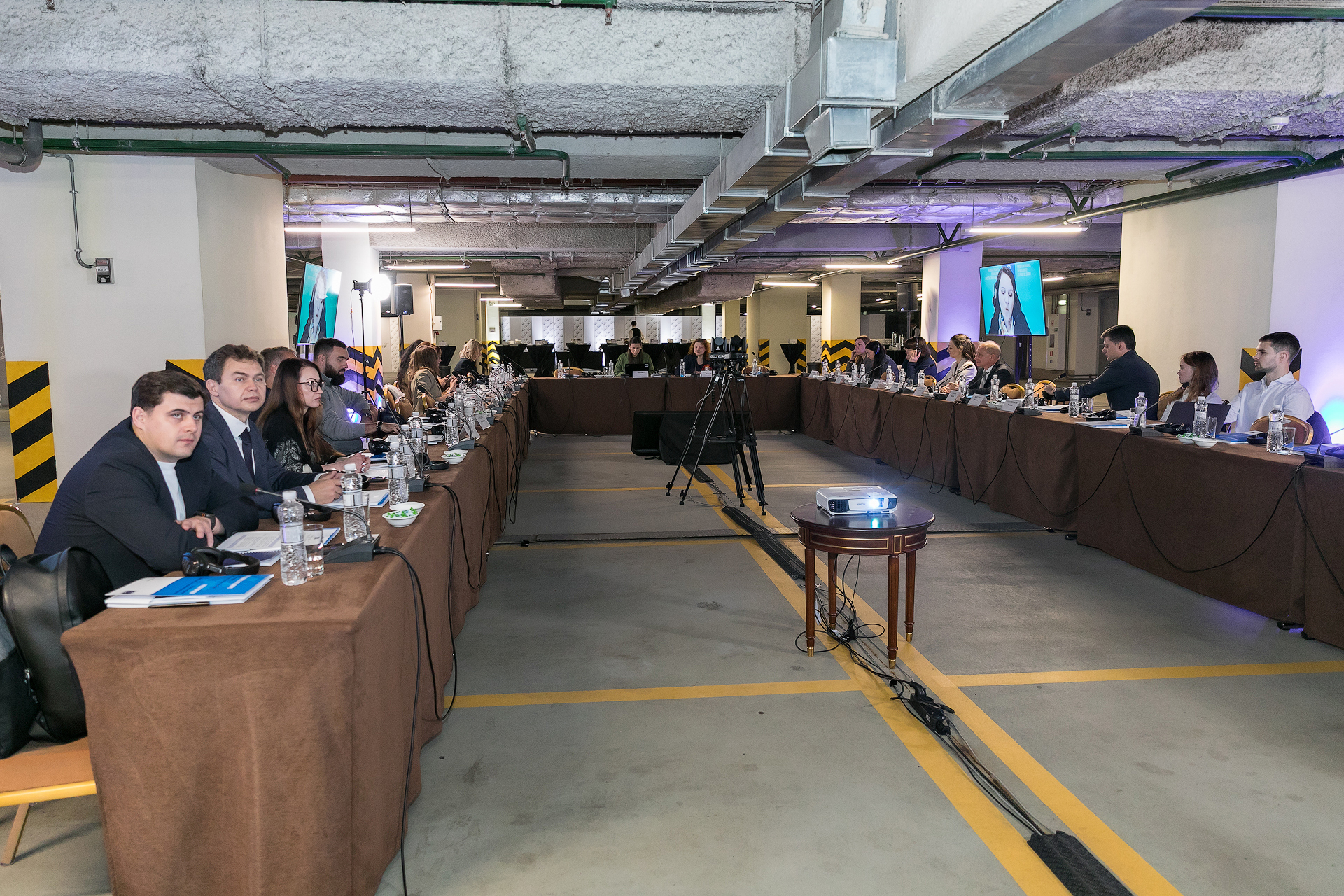
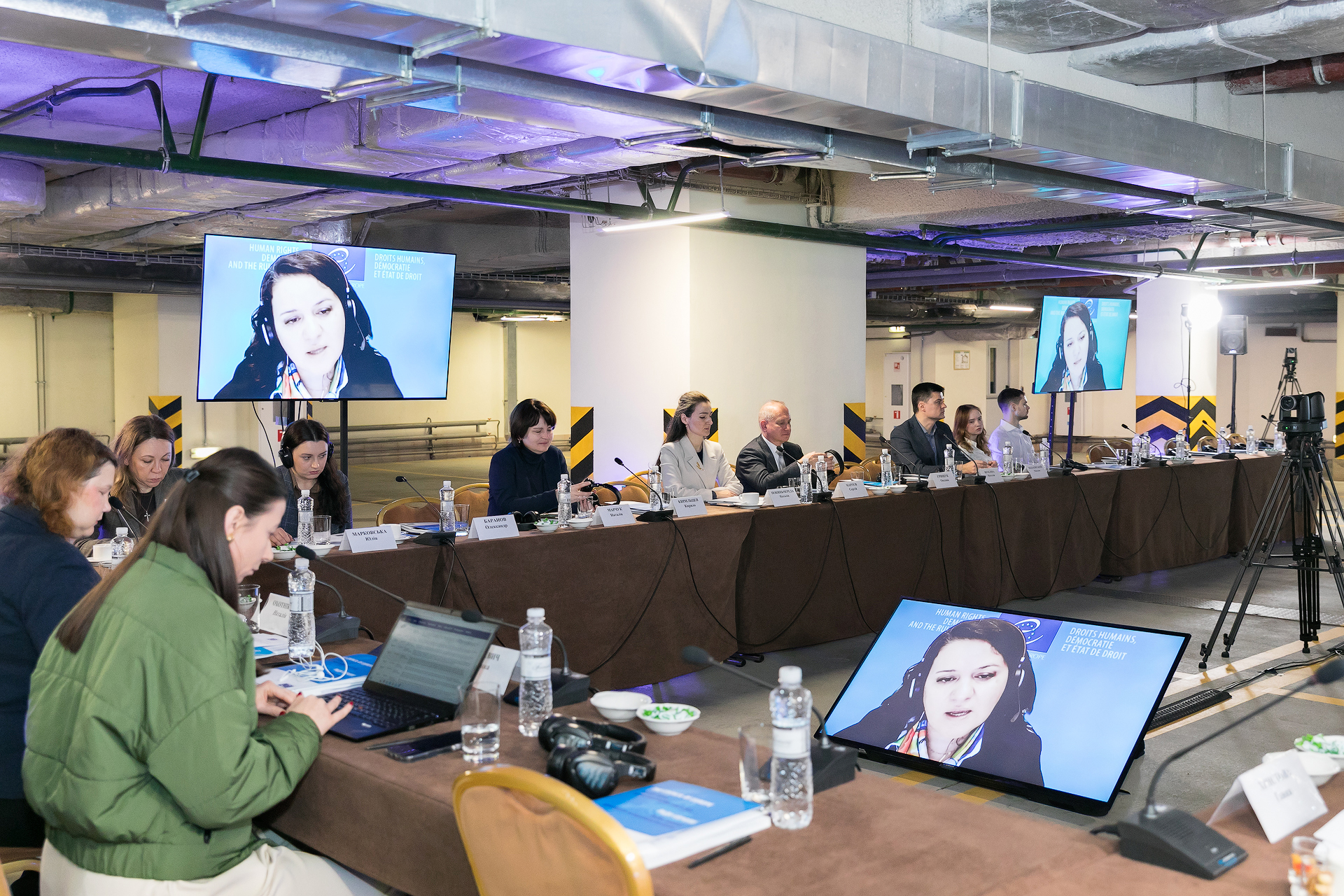
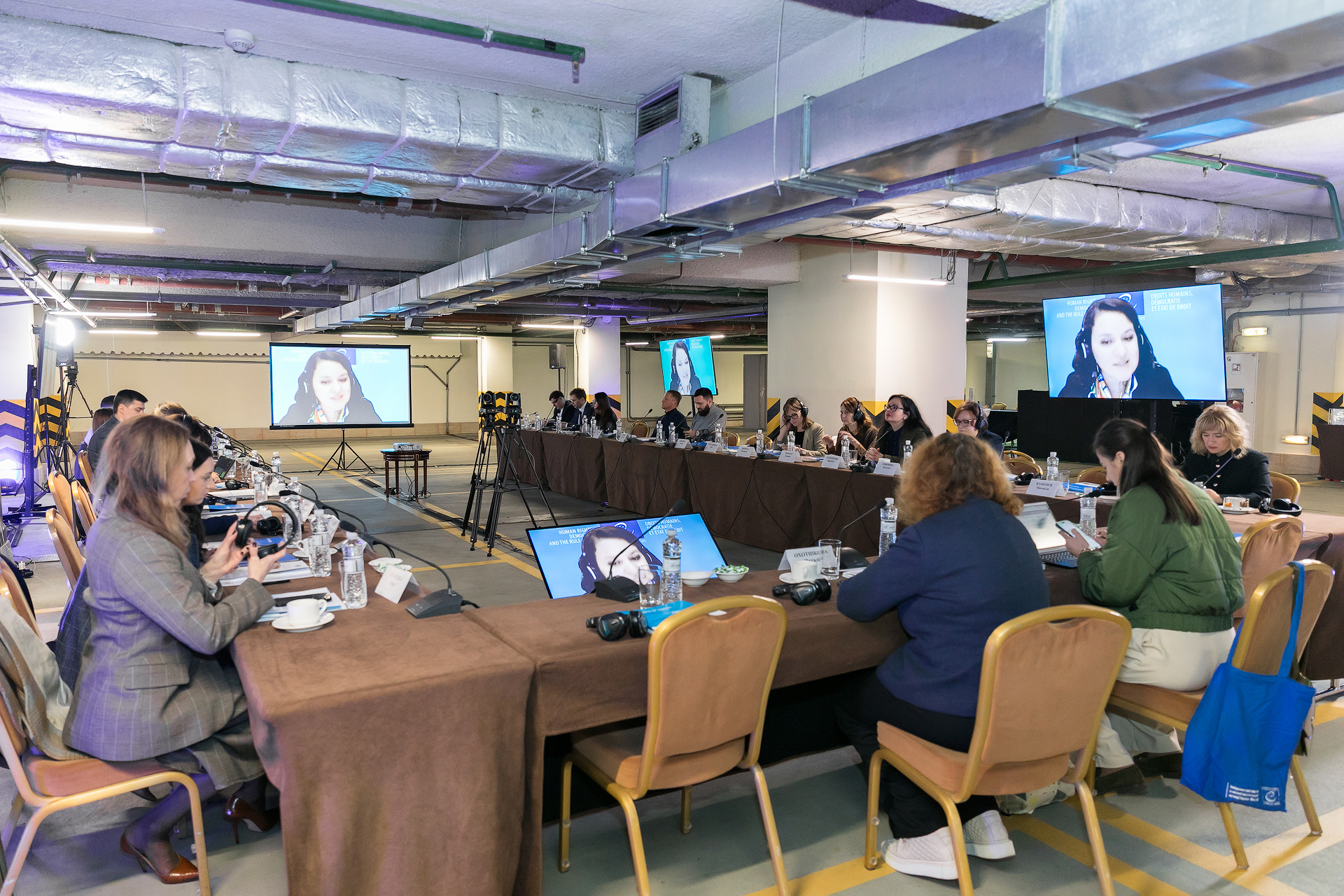
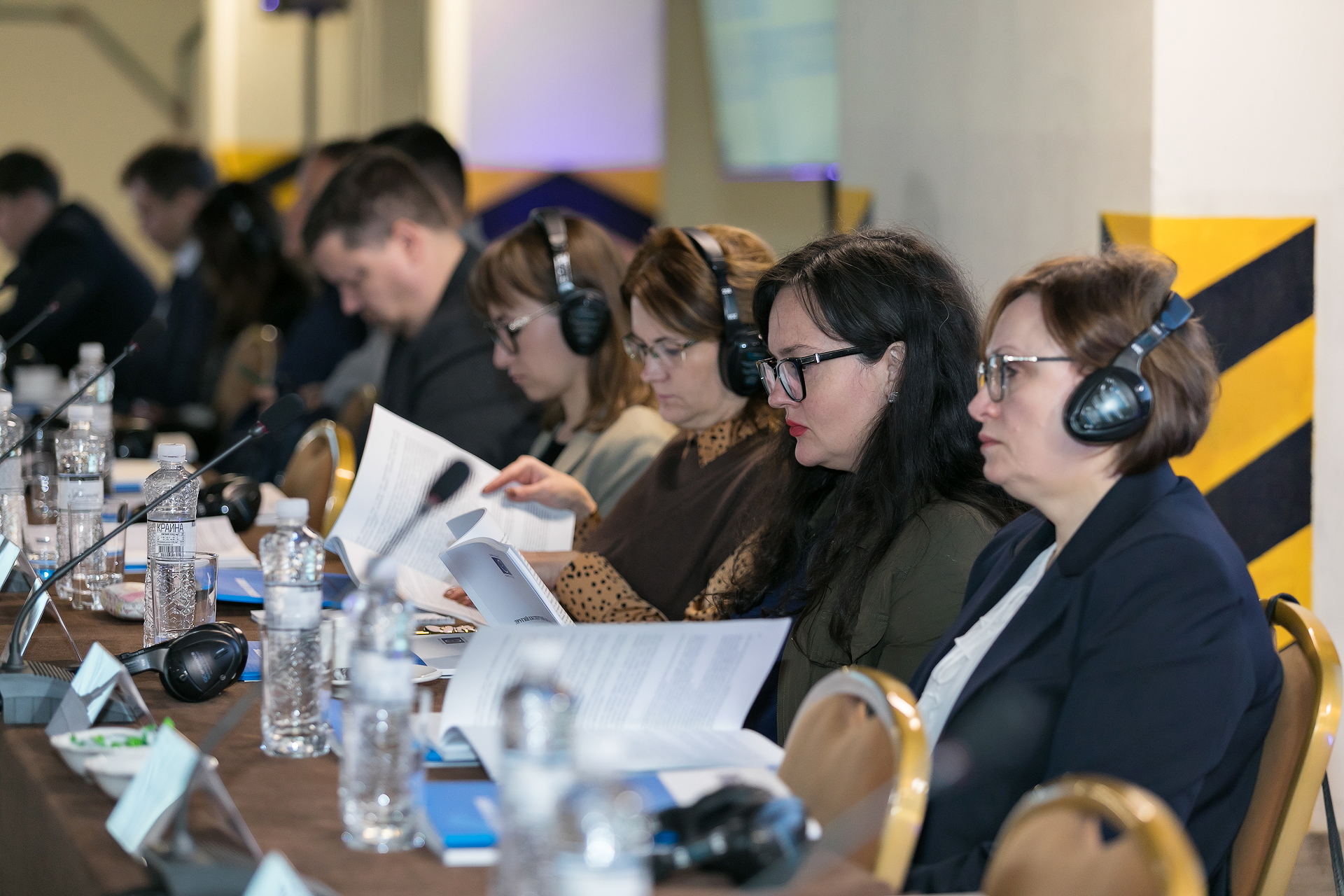
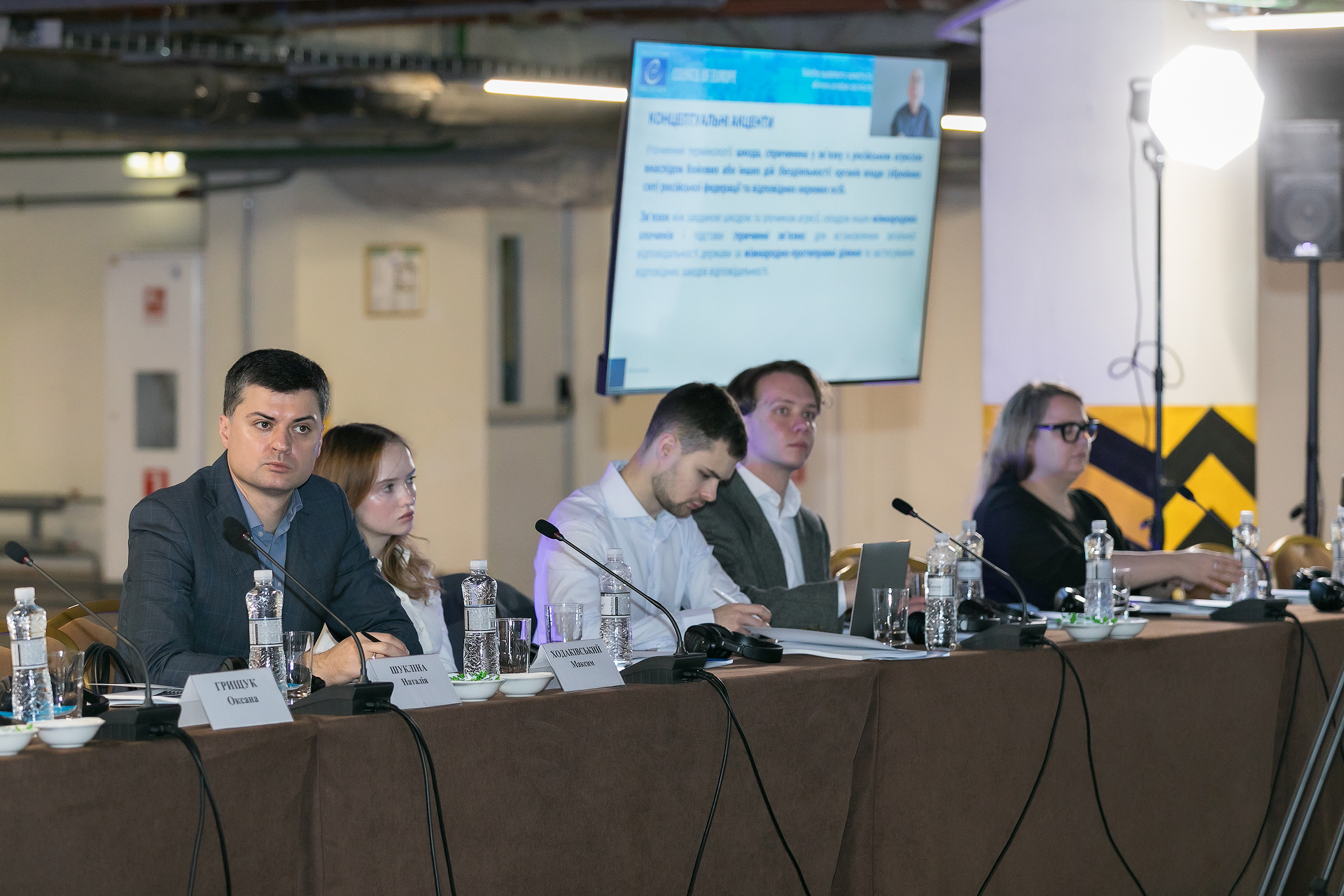
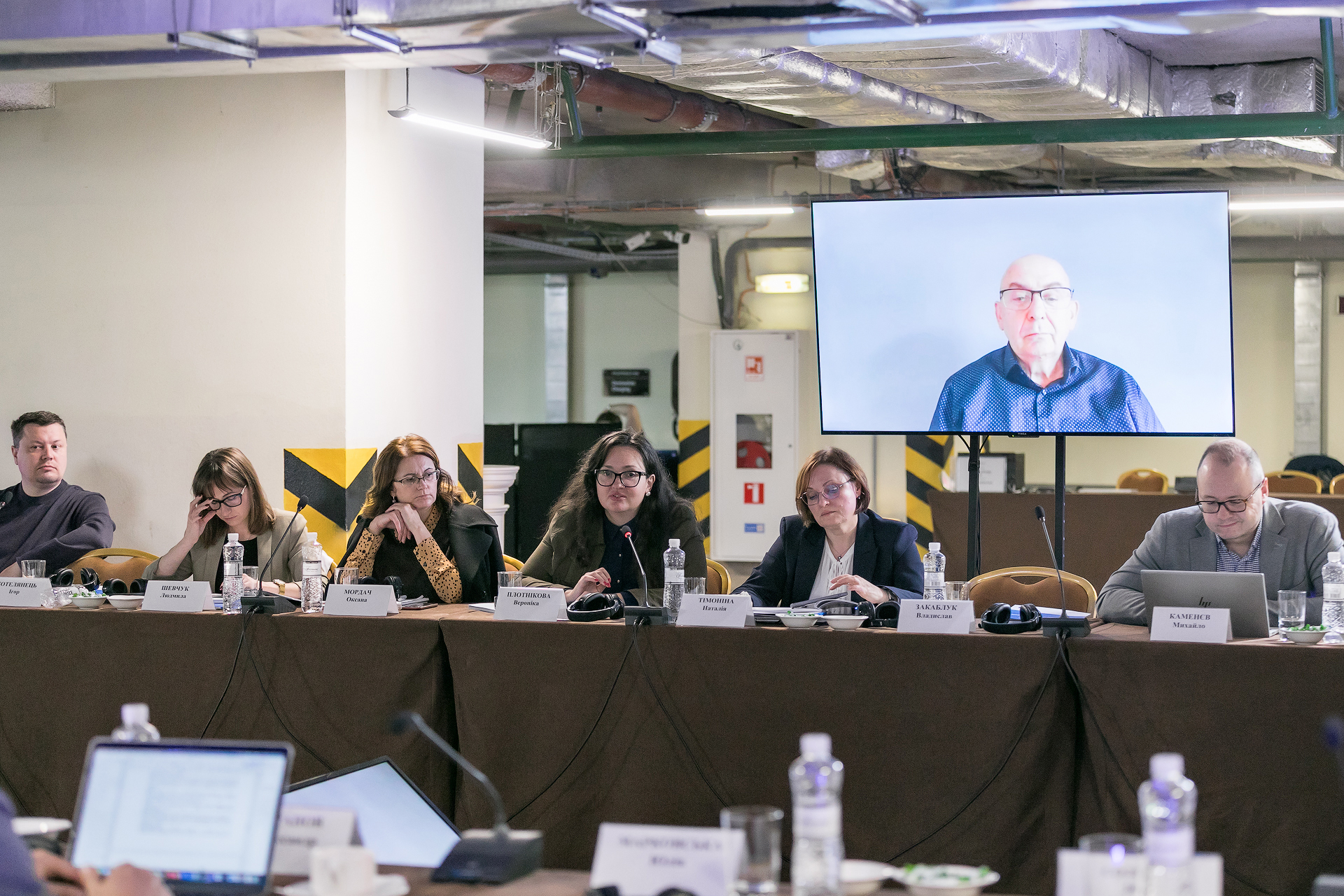
These questions were at the centre of the presentation of the Council of Europe’s Second Expert Report on Remedies and Redress Mechanisms for War-Affected Individuals in Ukraine, held in Kyiv on 22 October 2026. The presentation brought together representatives of the executive and judicial branches, the prosecution service, constitutional and independent institutions, the free legal aid system, local self-government bodies, civil society and other partners.
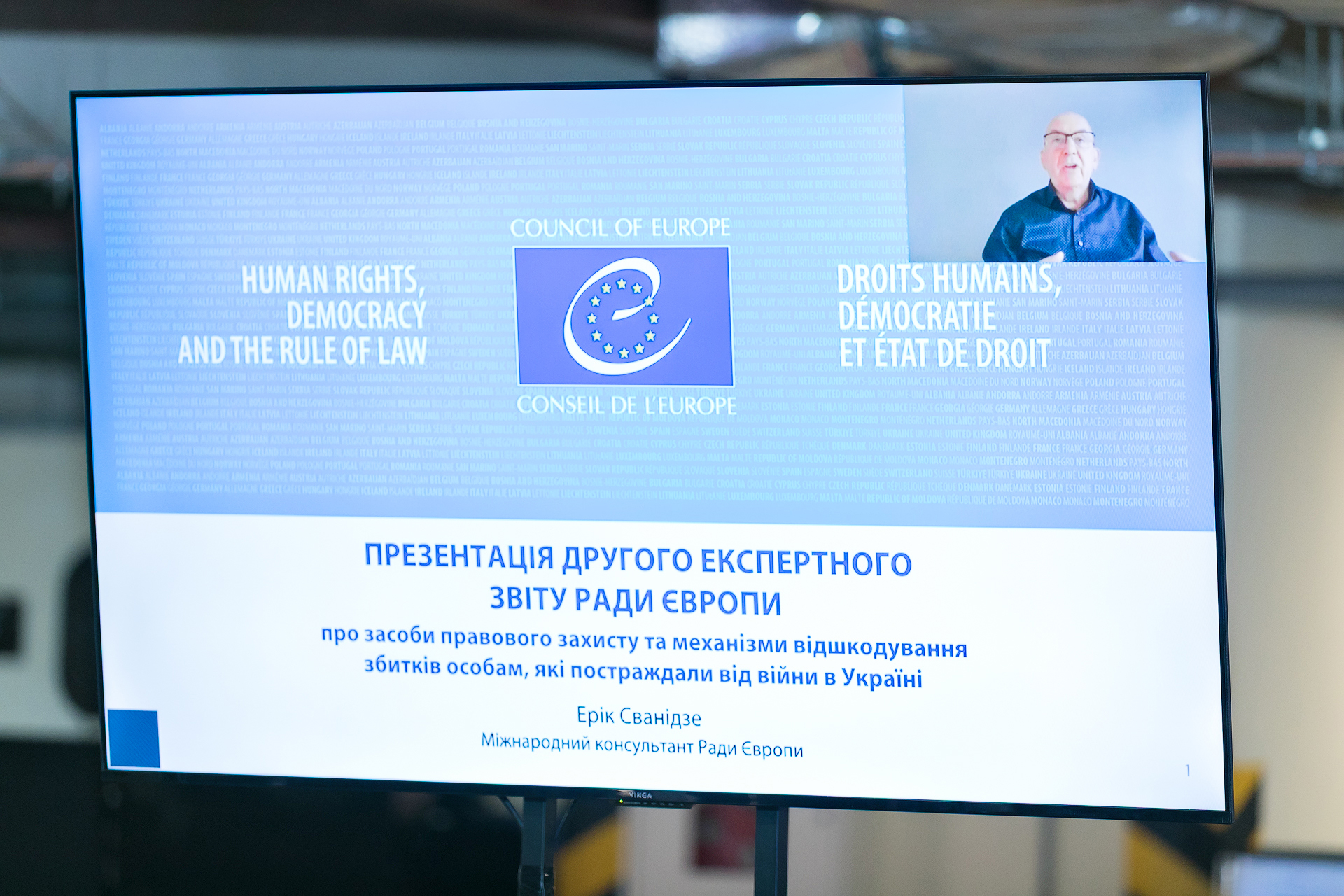
The report prepared by Erik SVANIDZE, an international consultant to the Council of Europe builds on the analysis initiated in November 2023. It assesses developments in Ukrainian legislation, State support programmes and remedies up to 1 July 2026, while also taking account of certain subsequent developments. The report identifies progress made, outstanding challenges and recommendations for further strengthening the system.
From State assistance to effective protection of rights
The report examines not only individual programmes and legislative measures, but also the extent to which existing mechanisms respond to people’s needs and how they operate in practice. It considers eight clusters covering different categories of people affected by the war and types of harm: damage to or destruction of housing; internal displacement; deprivation of liberty; enforced disappearances; disability and other harm to health; harm suffered by volunteers and people providing assistance; and violations of children’s rights as a result of the war. Environmental damage and damage to cultural heritage are also examined separately.
Particular attention is paid to housing and property rights. The report analyses the development of the eRecovery programme, other housing programmes, temporary accommodation for internally displaced persons and payments under the Prykhystok programme. It also examines support measures for civilians released from captivity and for children who have been deported or forcibly transferred.
Documenting harm and international redress mechanisms
The report highlights that ensuring reparation requires more than the existence of a relevant mechanism. People must also be able to document the harm they have suffered, substantiate their losses and use the relevant materials in the procedures available to them.
The report therefore examines documentation and evidentiary requirements, the operation of national registers and databases, the consistency of procedures, and methodologies for assessing material and non-material damage, including environmental damage and damage to cultural heritage.
It also considers the relationship between national mechanisms and international redress procedures, including the Register of Damage Caused by the Aggression of the Russian Federation against Ukraine.
Criminal justice and remedies: different functions, a common goal
Another important dimension of the report is the relationship between criminal justice and judicial and non-judicial remedies. It addresses the investigation of international crimes, the procedural rights of victims, support for victims and witnesses, access to legal assistance, and opportunities to obtain reparation through criminal and civil proceedings.
Criminal proceedings can help establish the circumstances of crimes, bring perpetrators to justice and document the harm caused. Judicial and non-judicial remedies serve other purposes, ranging from access to legal assistance and social support to the protection of violated rights and the pursuit of reparation.
The report underlines the importance of proper co-ordination between criminal justice, victim support mechanisms and reparation procedures. Information and evidence collected in criminal proceedings may be relevant to procedures for documenting harm and obtaining reparation, subject to the applicable legal requirements and safeguards for the protection of personal data.
National assistance does not replace Russia’s responsibility
The report emphasises Ukraine’s positive obligation to protect life and human rights, provide urgent assistance and respond to the consequences of the war. At the same time, the assistance provided by Ukraine to people affected by the war does not replace the international legal responsibility of the Russian Federation or its obligation to provide full reparation for the damage caused by its aggression. State support to war affected people, criminal accountability and reparation mechanisms have different legal bases and purposes.
From expert recommendations to practical changes
The Second Expert Report identifies areas for further work on the national system of compensation-related support and effective access to remedies. Key priorities include improving the practical implementation of existing mechanisms, addressing gaps, strengthening co-ordination between institutions and ensuring that procedures respond to the actual needs of people affected by the war. The ultimate objective is to make the system work for the people it is intended to protect, keeping the rights and needs of people affected by the war at the centre of all relevant efforts.
The report was prepared under the Council of Europe projects “Further Strengthening Judicial and Non-Judicial Remedies for Human Rights Protection of War-Affected People in Ukraine” and “Fostering Human Rights in the Criminal Justice System of Ukraine – Phase II”, implemented under the Council of Europe Action Plan for Ukraine “Resilience, Recovery and Reconstruction” 2023–2026.

The views expressed in the report are those of the author and do not necessarily reflect the official position of the Council of Europe and/or its individual projects