Ukrainian attorneys and lawyers are increasingly using European human rights protection mechanisms to defend the rights of those affected by the war. At the same time, successfully bringing a case before the European Court of Human Rights requires a thorough understanding of the admissibility criteria, the Court’s approaches to assessing evidence, and the specificities of applying the European Convention on Human Rights in the context of armed conflict.
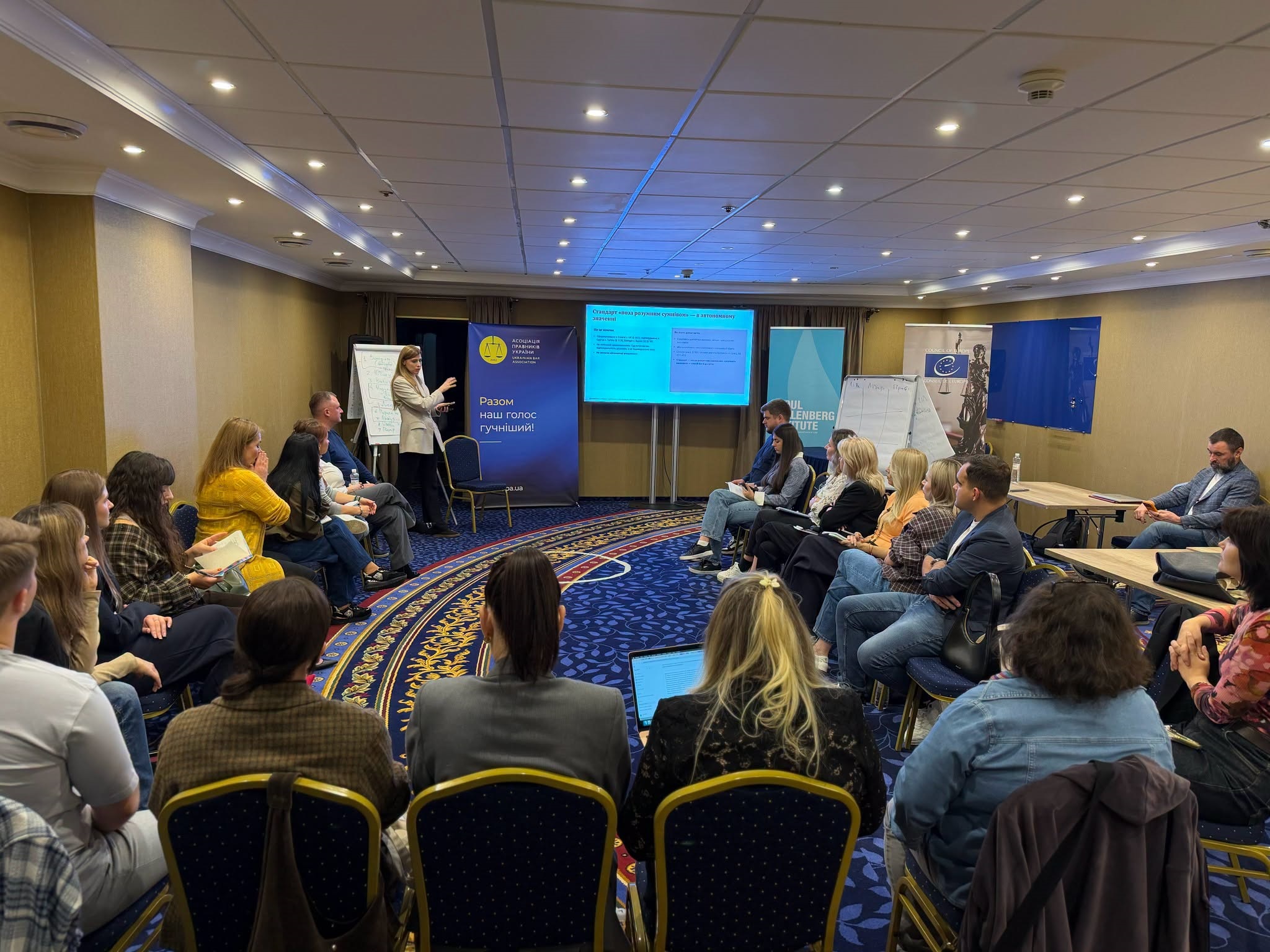
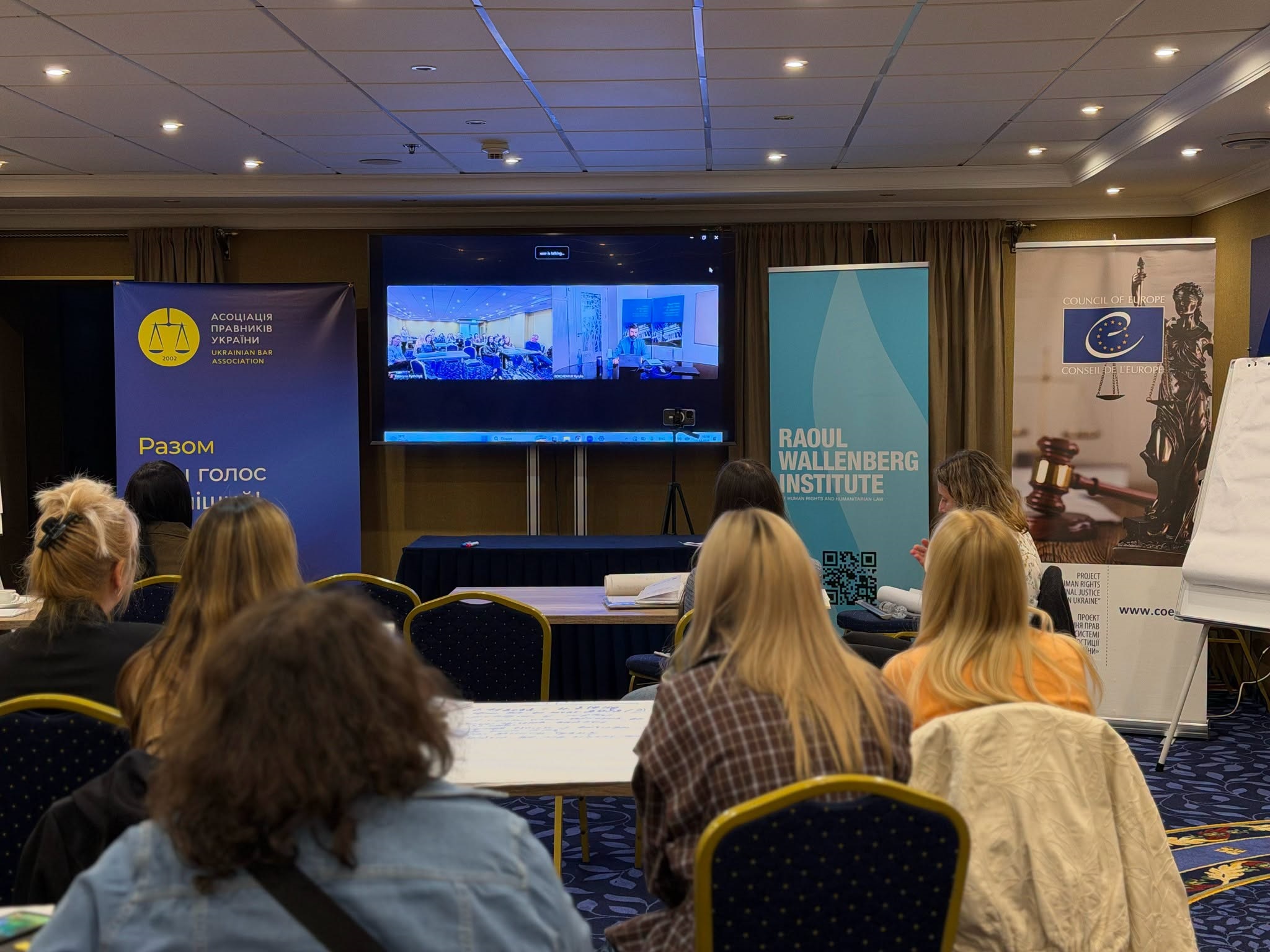
These issues were the focus of two two-day training sessions entitled “Regional Mechanisms for the Protection of Human Rights”, which took place on 1–2 and 5–6 October 2026. The events were aimed at developing the practical skills of lawyers and legal practitioners in using the European Court mechanism in cases relating to international armed conflict.
During the training sessions, participants worked on the admissibility criteria for applications to the Court, constructing a legal argument, preparing an application and compiling a body of evidence in accordance with the Court’s standards. Particular attention was paid to the Court’s case law under Articles 5, 6 and 8 of the Convention, particularly in cases relating to the temporary occupation of Ukrainian territories.
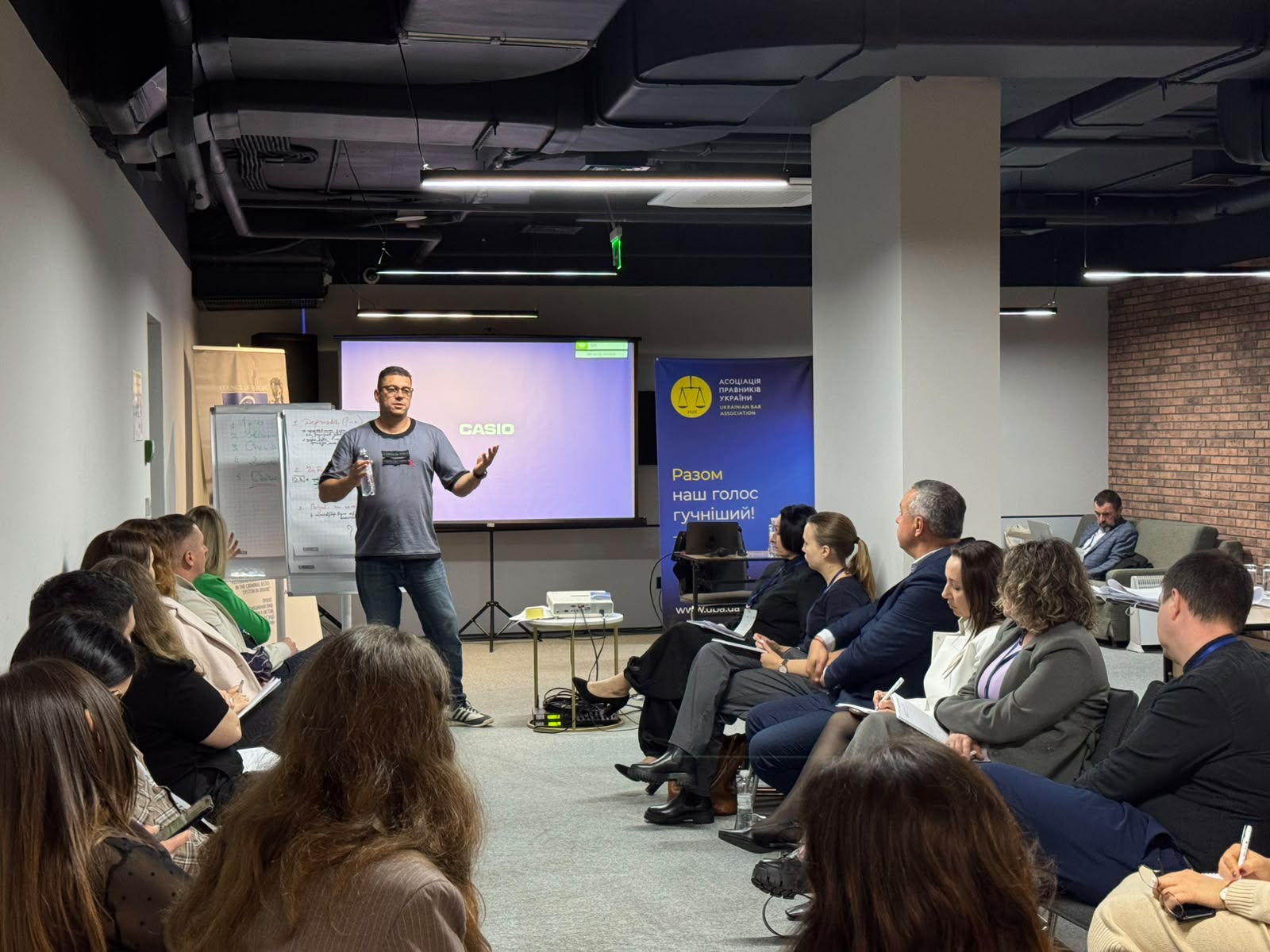
A session led by Nazar Kulchytskyi, a national consultant of the Council of Europe, was devoted to the Court’s case law on the right to a fair trial and the right to respect for private and family life. He examined the Court’s approaches to the right to an independent and impartial trial, access to justice, and issues concerning the functioning of courts in the temporarily occupied territories. Separately, participants analysed case law concerning unlawful searches, interference with private life and compulsory passportisation.
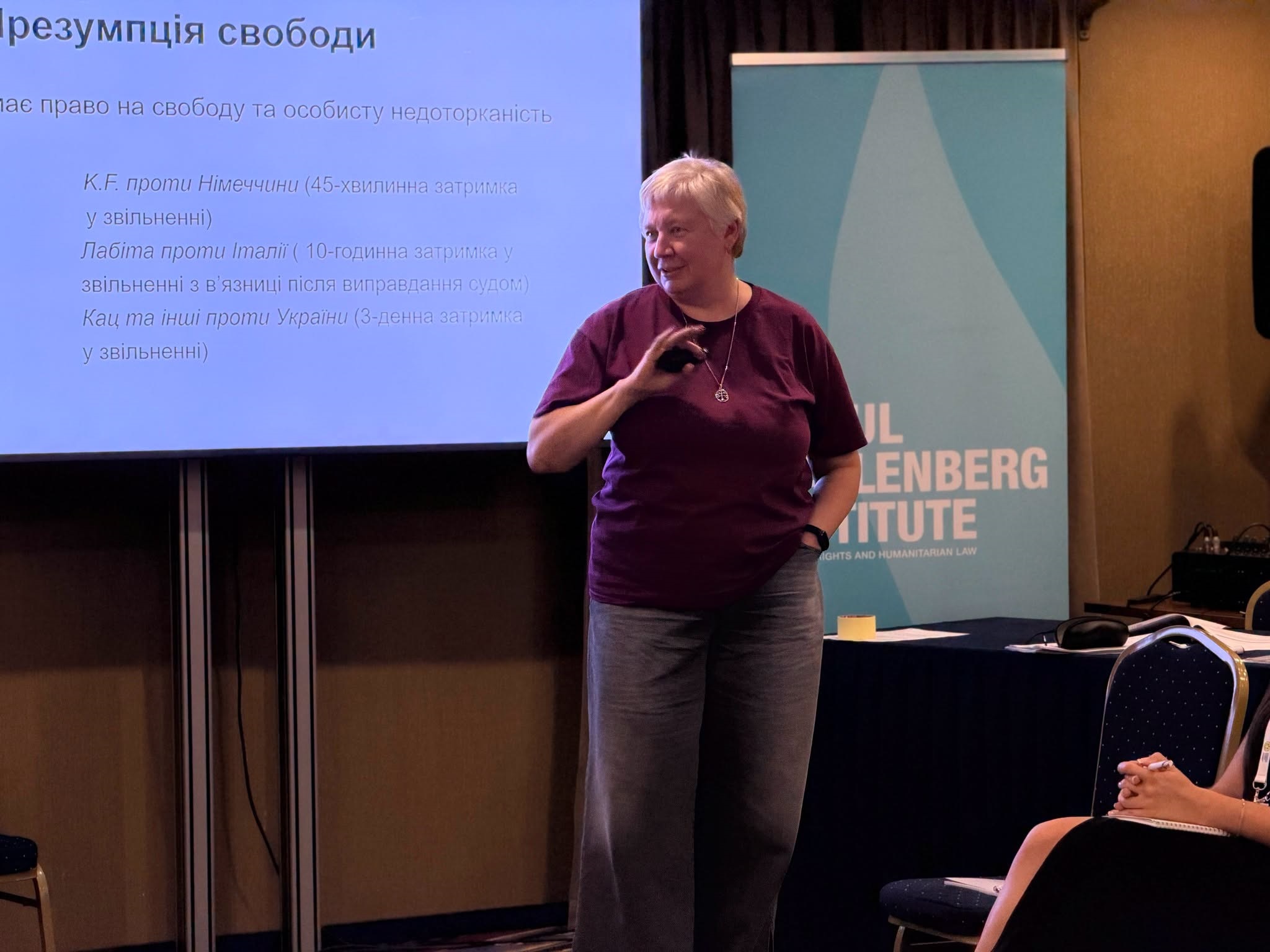
Ms Natalia Marchuk, a national consultant of the Council of Europe, presented the Court’s case law under Article 5 of the European Convention, which concerns the right to liberty and security of person. The focus was on the criteria for the lawfulness of deprivation of liberty, the requirements for reasonable suspicion, judicial review of detention and the right to challenge the lawfulness of deprivation of liberty. The Court’s approaches to arbitrary detention and unlawful detention of persons in situations of armed conflict and in temporarily occupied territories were examined separately.
Practical work in small groups formed an important part of the training sessions. Using simulated case studies, participants identified potential breaches of the Convention, determined the necessary evidence, developed legal arguments and discussed possible strategies for defending applicants’ rights. This format enabled participants to directly apply the standards of the European Court of Human Rights to practical situations relating to occupation, unlawful deprivation of liberty, interference with private life and other human rights violations.
The event was organised by the Council of Europe as part of the project “Fostering Human Rights in the Criminal Justice System in Ukraine – Phase II”, which is being implemented under the Council of Europe’s Action Plan for Ukraine “Resilience, Recovery and Reconstruction” for 2023–2026.