


People deprived of their liberty should enjoy the same standards of healthcare that are available in the community — a principle enshrined in the Nelson Mandela Rules and central to strengthening opioid agonist treatment (OAT) in Ukrainian prisons.
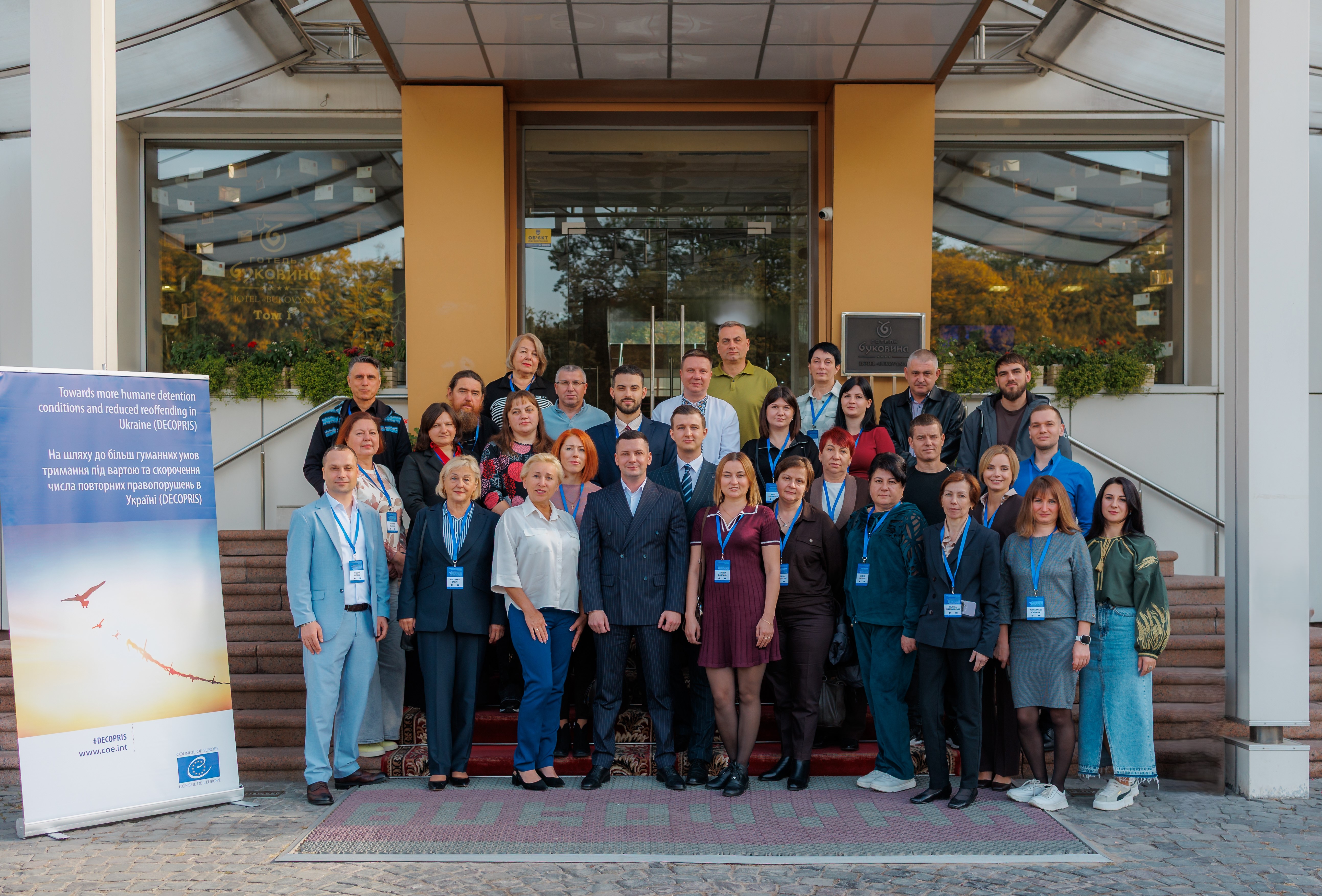
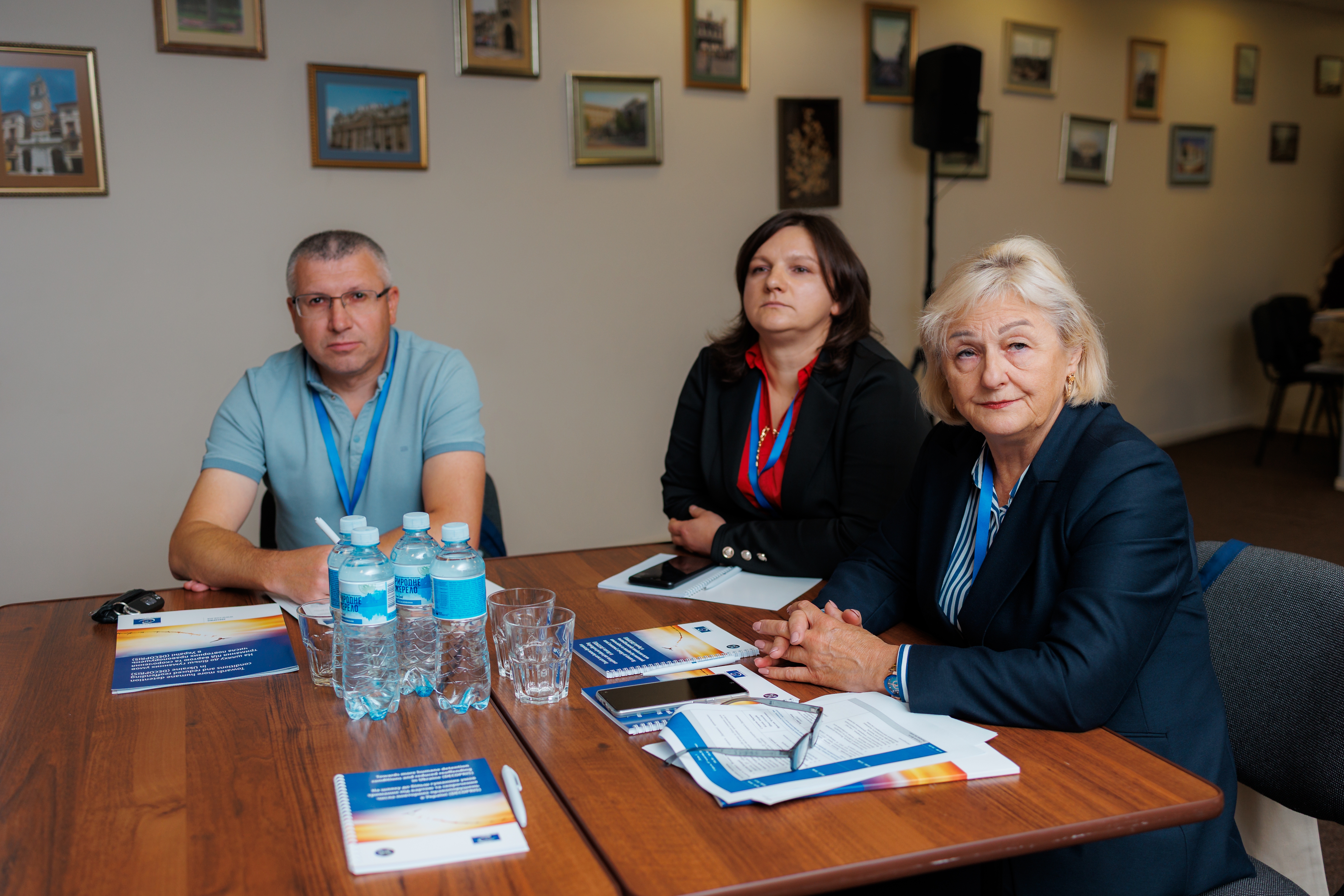
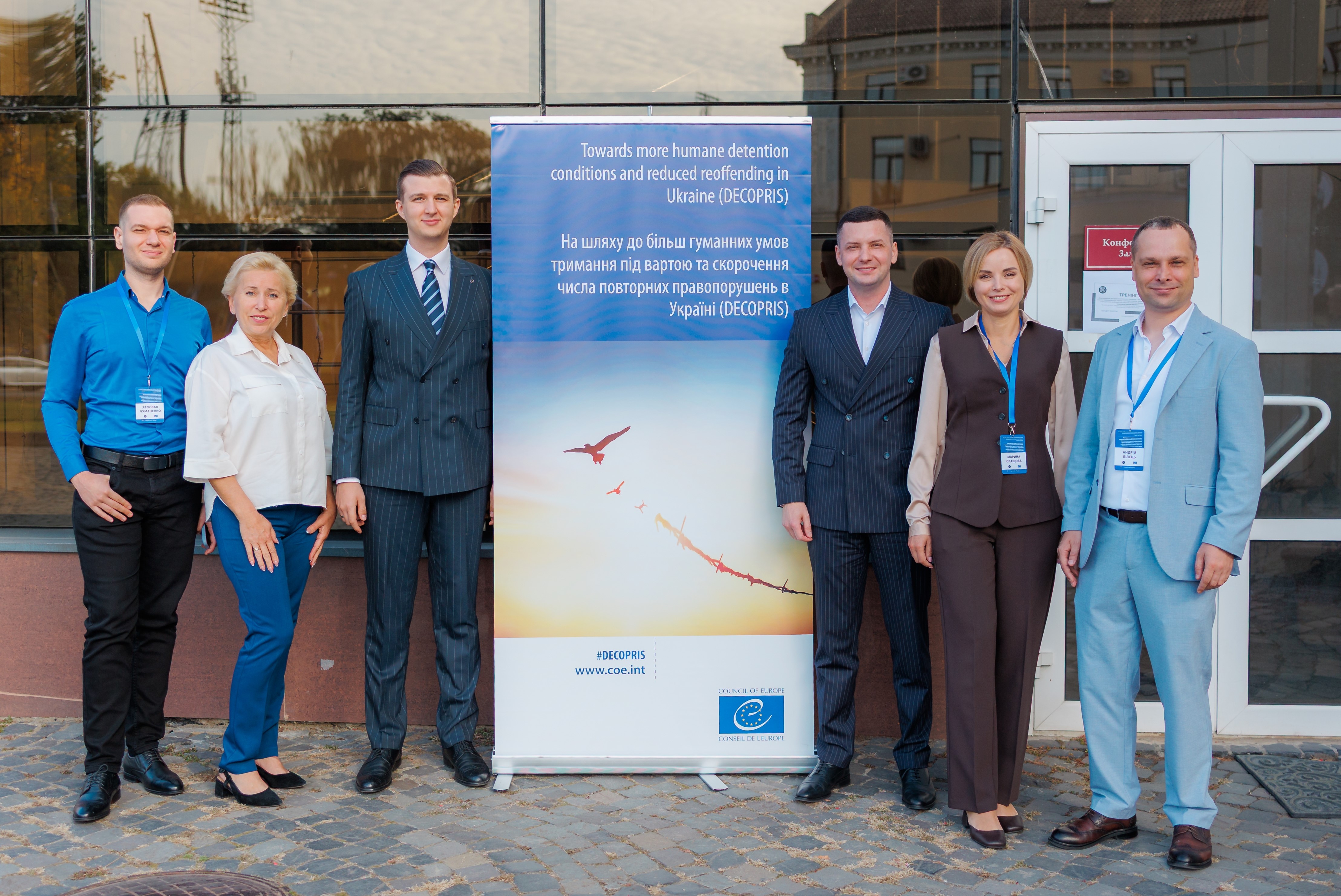
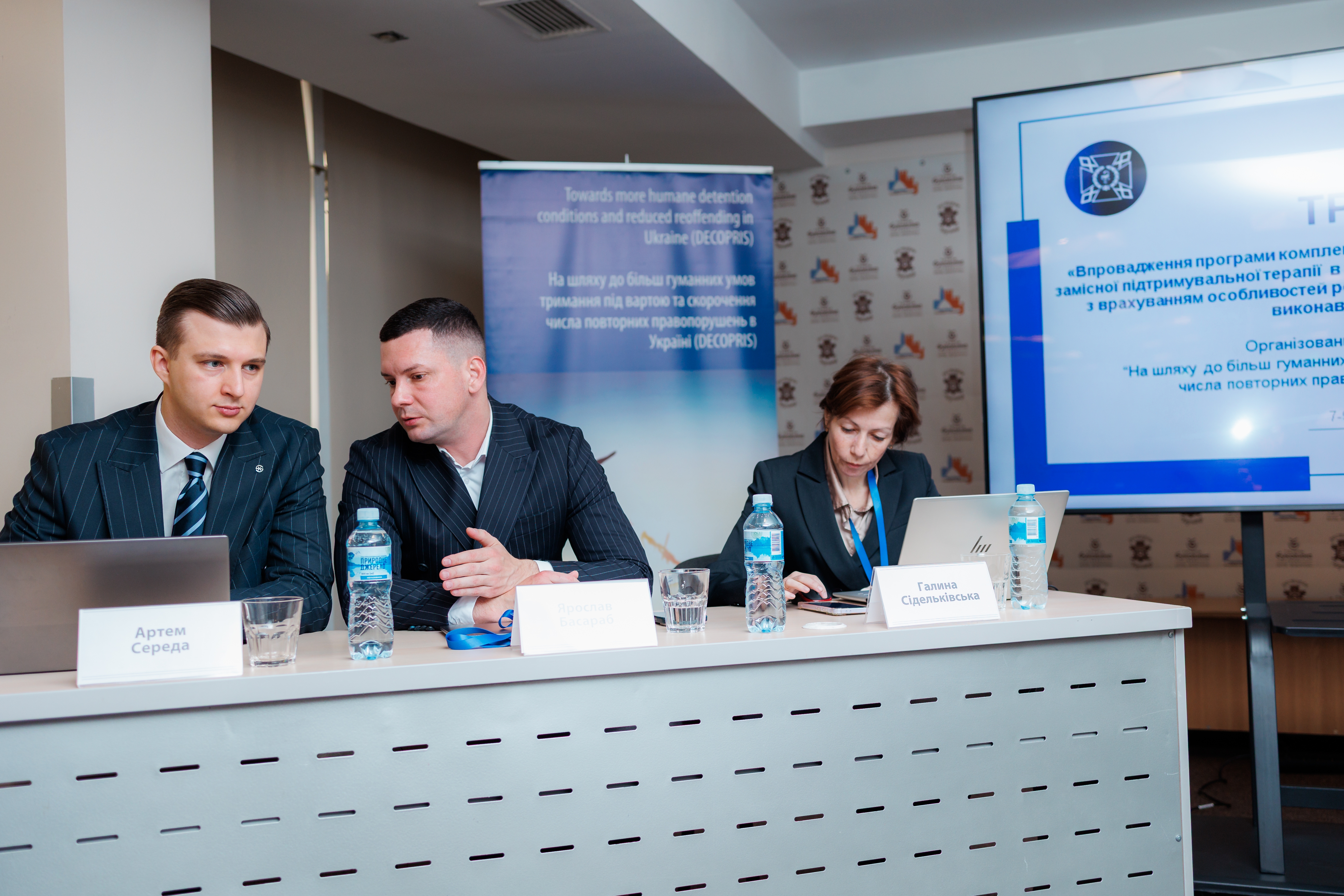
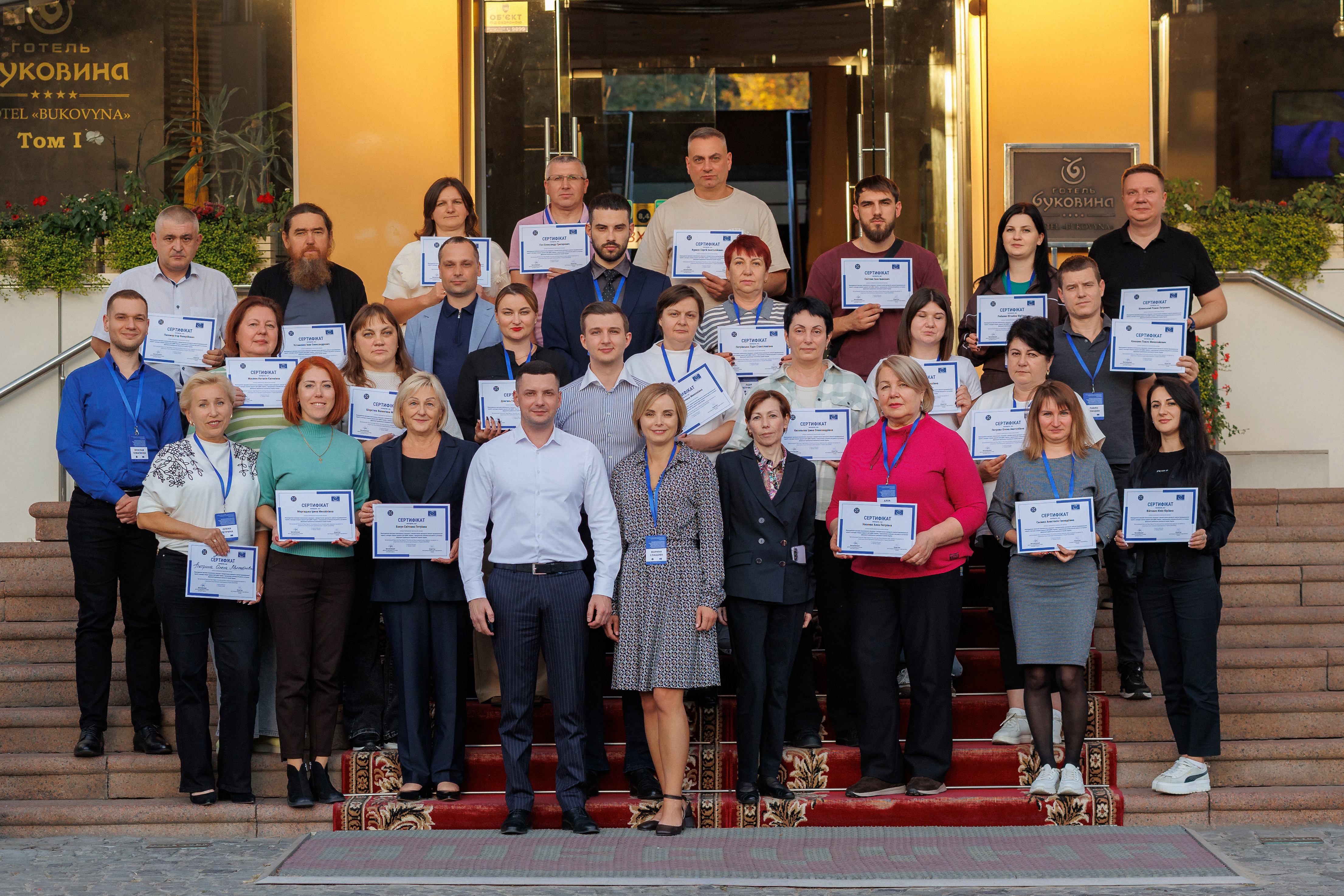
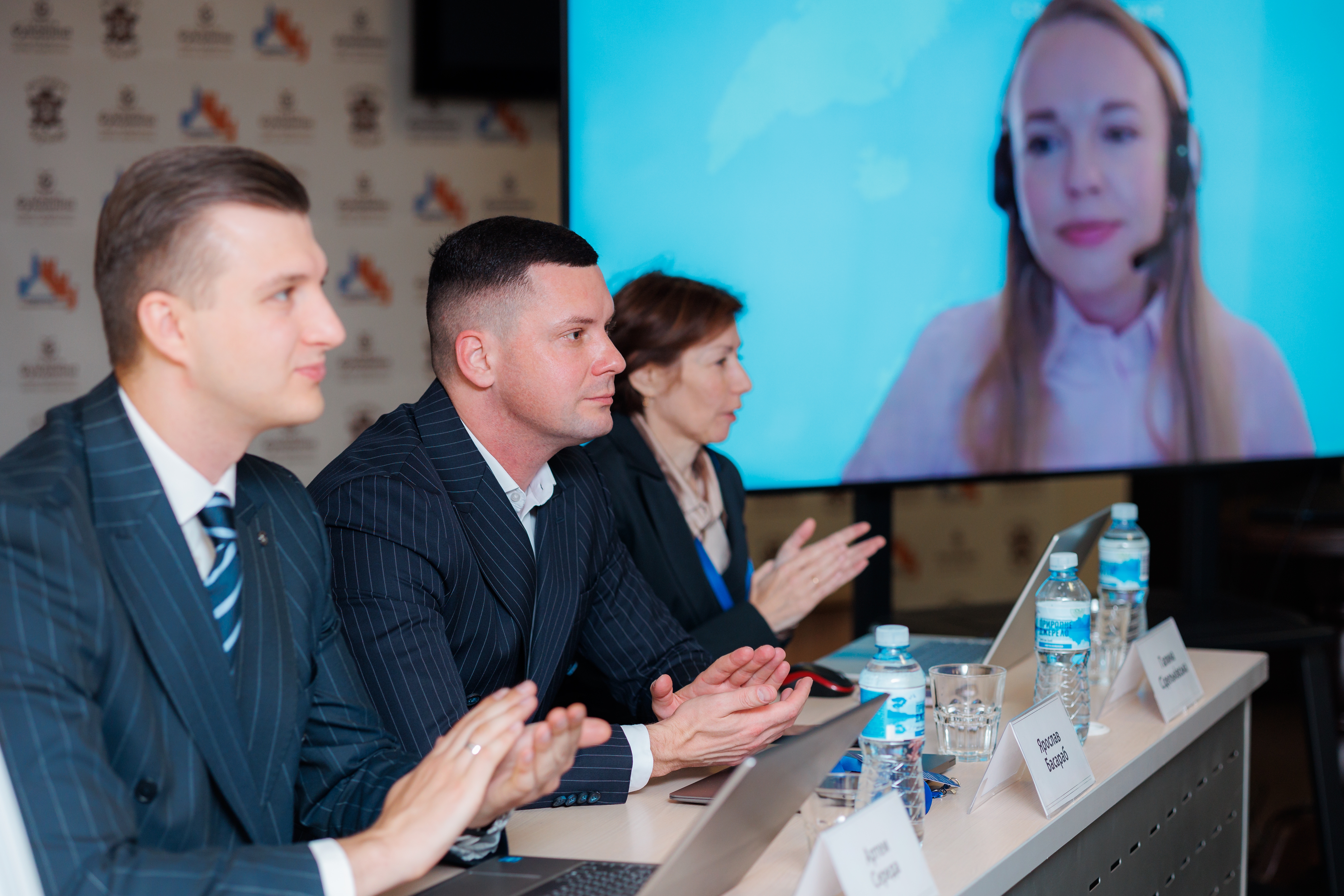
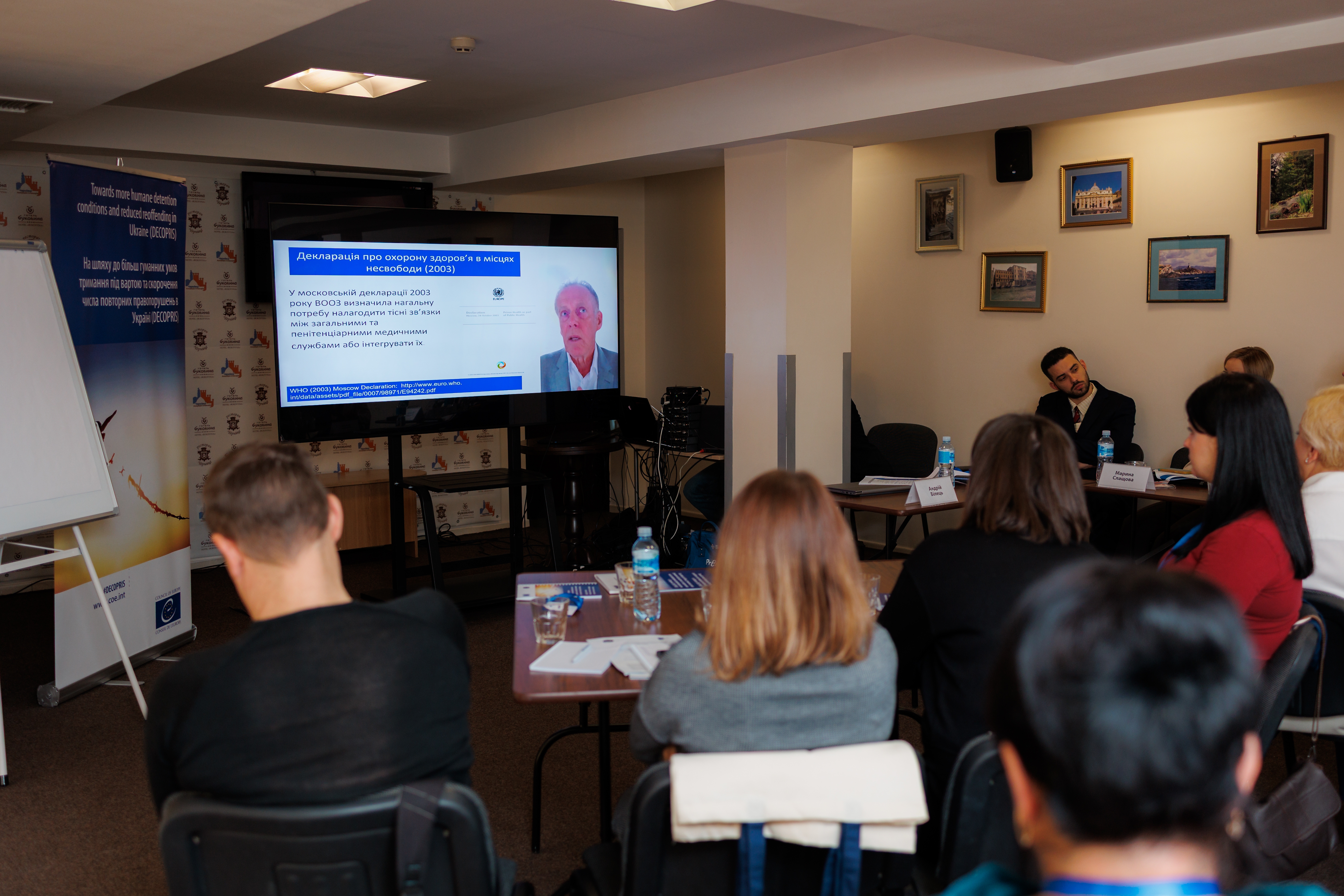
Translating this principle into everyday practice was the focus of the ninth cascade training on comprehensive OAT programmes in Ukrainian penitentiary institutions, held in Chernivtsi on 7–9 October 2026. Organised through ongoing co-operation between the Council of Europe and the Health Centre of the State Criminal-Executive Service of Ukraine, the hybrid event brought together 23 medical professionals responsible for healthcare and substance use treatment in detention settings.
Over two and a half days, participants explored how to apply evidence-based treatment approaches and human rights standards in everyday clinical practice. Particular attention was paid to the individual patient pathway — from initial assessment and enrolment in OAT to multidisciplinary case management, psychosocial support and continuity of treatment following transfer or release.
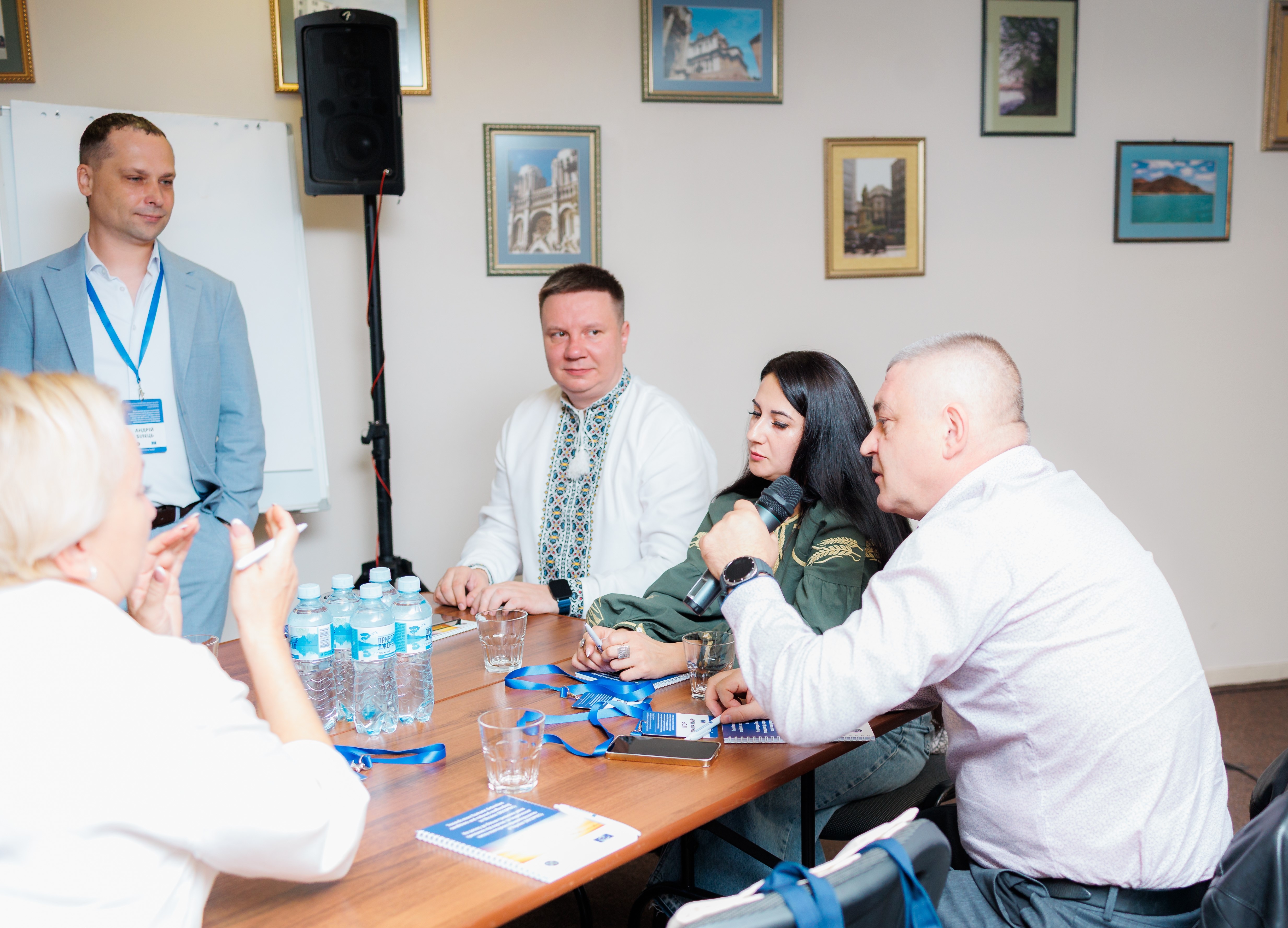
Through presentations, case studies and practical exercises, experts from Ukraine, Germany and the Republic of Moldova shared their experience and European good practices. Participants discussed challenges encountered in their institutions, exchanged views with experts and considered practical ways to improve care.
Discussions also addressed the influence of informal prison subculture on access to OAT. Participants examined how stigma and discrimination can discourage people from seeking or continuing treatment, underscoring the importance of creating a supportive environment that enables patients to access and remain in care.
A visit to the State Institution “Chernivtsi City Medical Unit No. 33 connected these discussions with daily practice. Participants observed the administration of methadone and exchanged views on the practical organisation of OAT in a penitentiary setting.
The training strengthened the capacity of prison medical professionals to provide healthcare to people deprived of their liberty who have substance use disorders, in line with the standards available in the community, while respecting their dignity, protecting their health and ensuring continuity of treatment.
This activity was organised within the framework of the Council of Europe project “Towards More Humane Conditions of Detention and Reduced Reoffending in Ukraine” (DECOPRIS)” which is implemented within the Council of Europe Action Plan for Ukraine “Resilience, Recovery and Reconstruction” (2023–2026). DECOPRIS aims to enhance the protection of prisoners’ rights by improving prison management practices and advancing rehabilitation efforts.







.jpg/49ae30db-d228-b274-a16f-12db3c0accfe?version=1.0)