The State Criminal-Executive Service of Ukraine is launching a new stage in the development of approaches to prisoner resocialisation, strengthening the consistency, coherence and individualisation of correctional work. Within the framework of the Council of Europe project "Towards More Humane Detention Conditions and Reduced Reoffending in Ukraine" (DECOPRIS), a Framework Correctional Programme for Behavioural Change and Resocialisation of Prisoners has been developed, providing a unified basic foundation for addressing key factors of behavioural change and creating opportunities for the further application of specialised interventions tailored to individual needs.
The modern resocialisation system requires not only individually effective tools, but a coherent model that allows for consistent work on the key drivers of behavioural change while also accounting for the individual needs of each prisoner. This is precisely what the new Framework Programme is designed to achieve. Its key feature is the optimisation of core correctional interventions and the establishment of a clear sequence for further work, tailored to prisoners' needs. The Programme brings together the most effective components of existing correctional approaches into a single logical structure and builds core prosocial competencies: motivation for change, self-awareness, social skills, emotional regulation, constructive thinking, responsible decision-making, problem-solving and future planning.
The first step towards implementing the Programme was the training of specialists who will work directly with prisoners in penitentiary institutions.
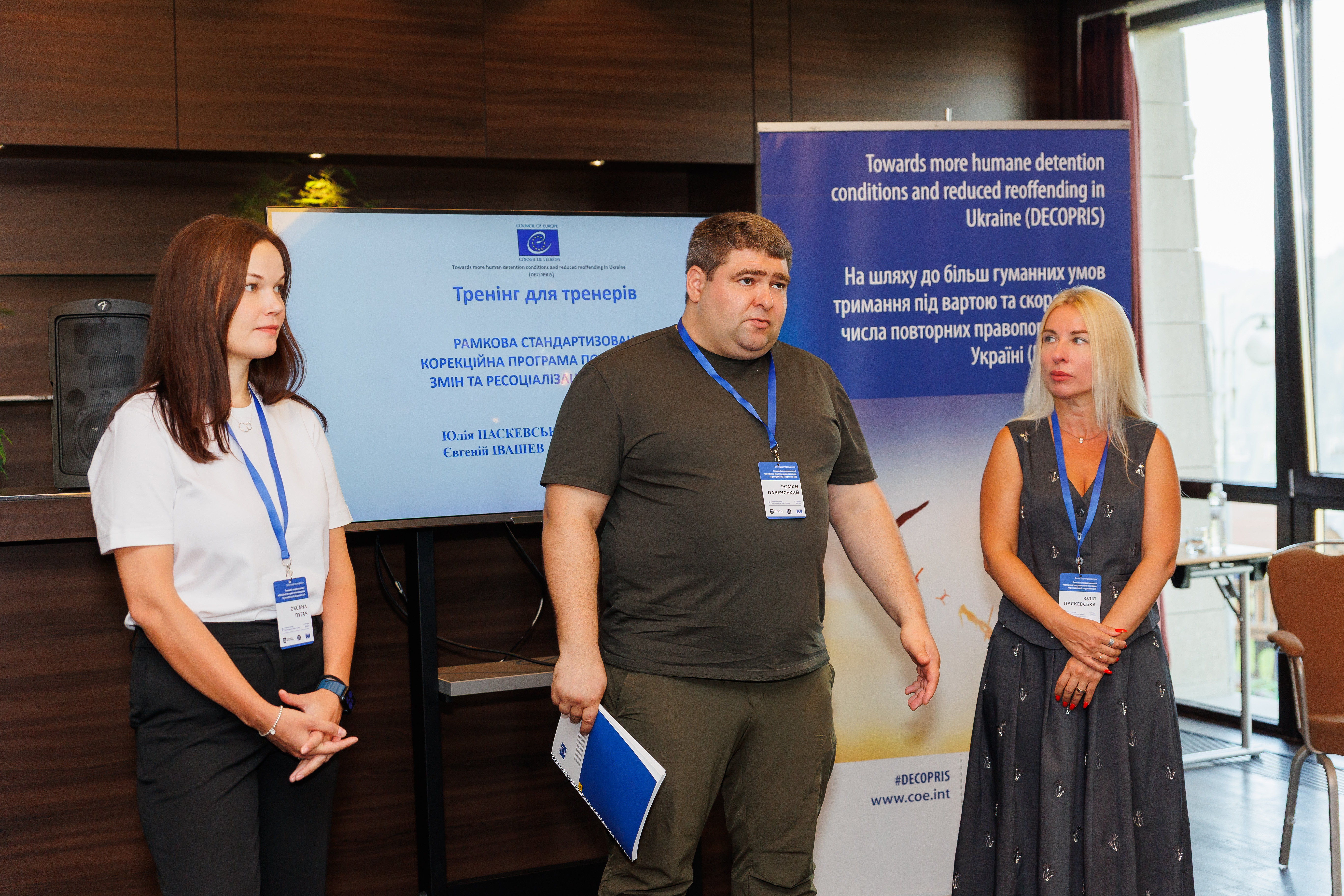
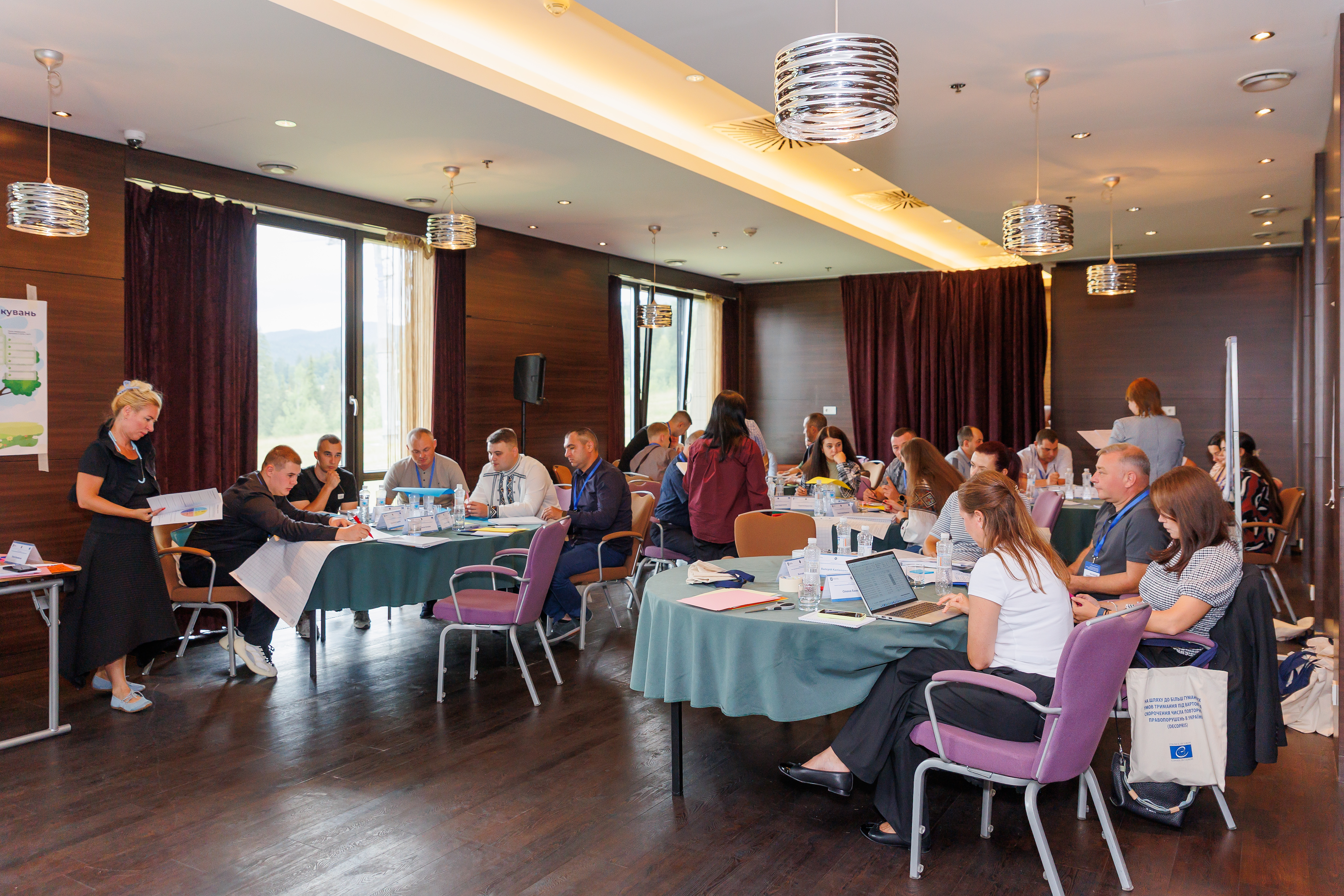
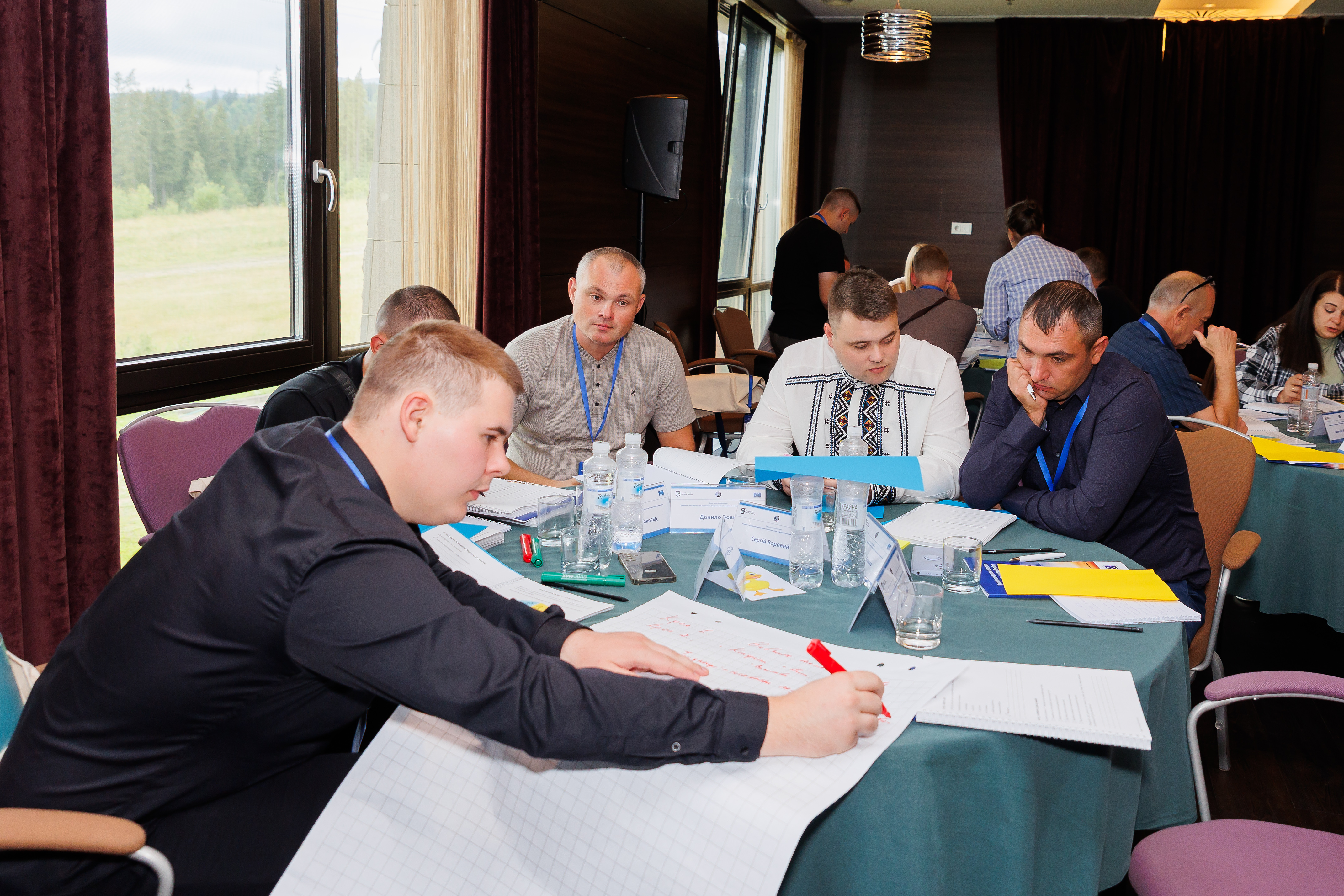
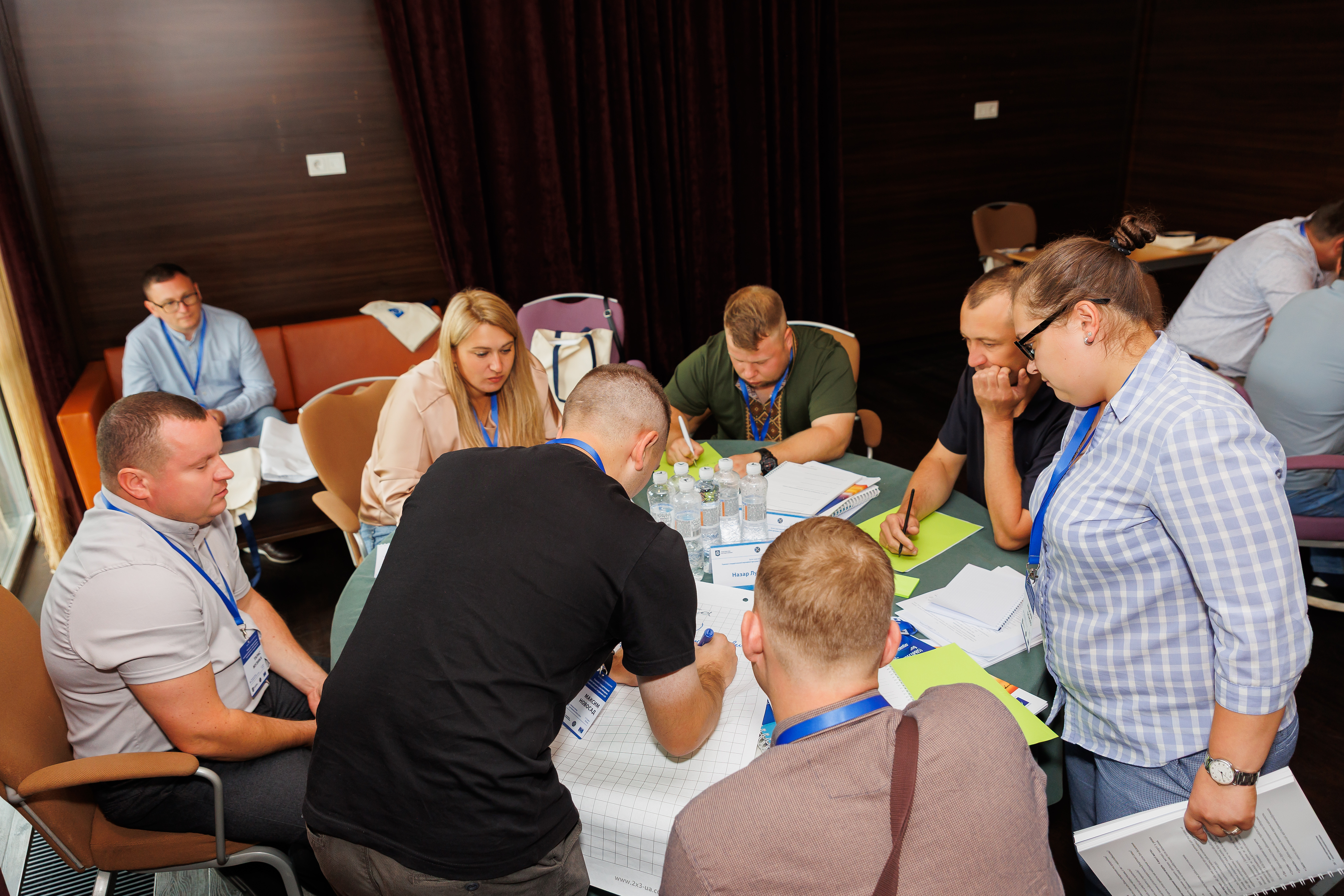
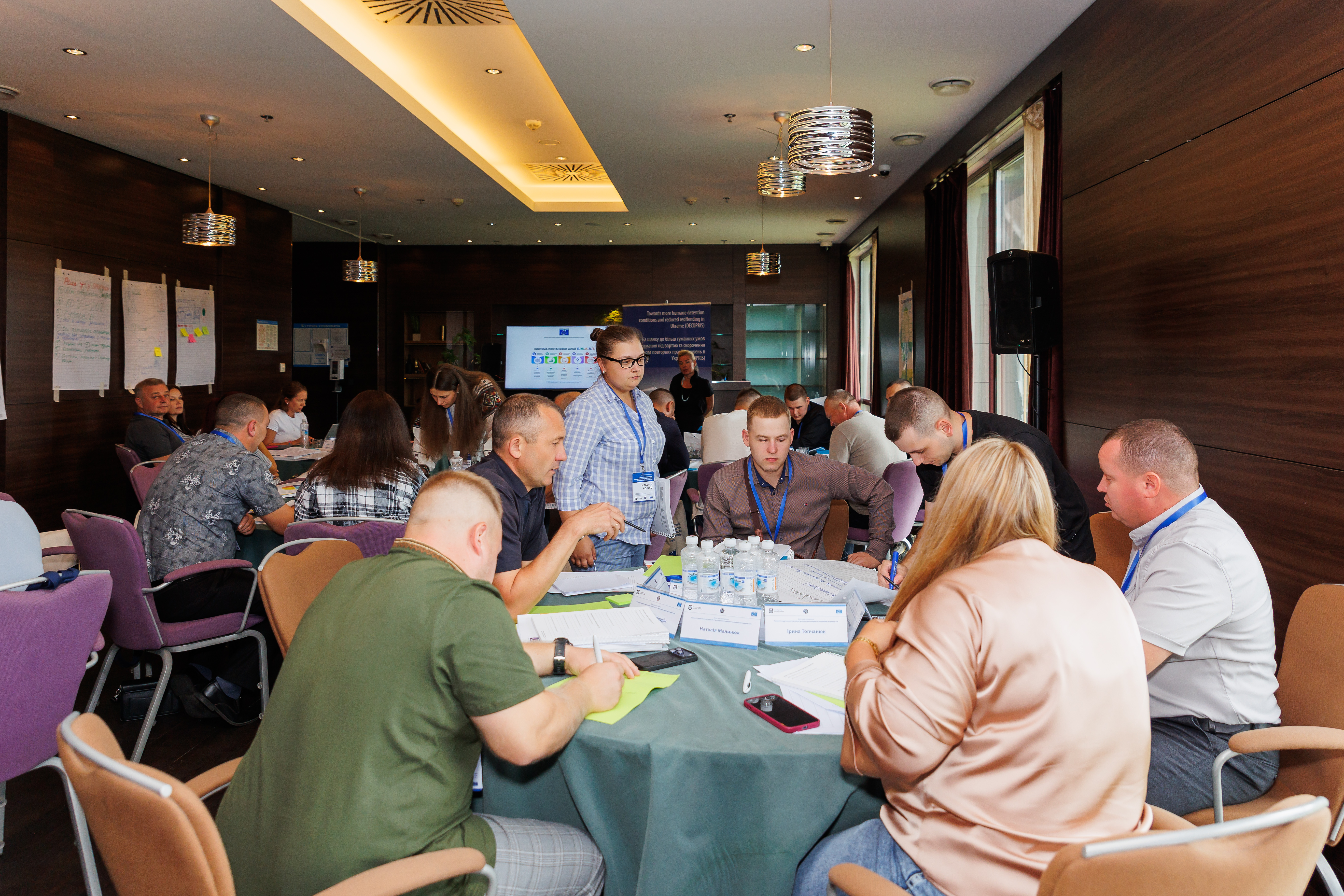
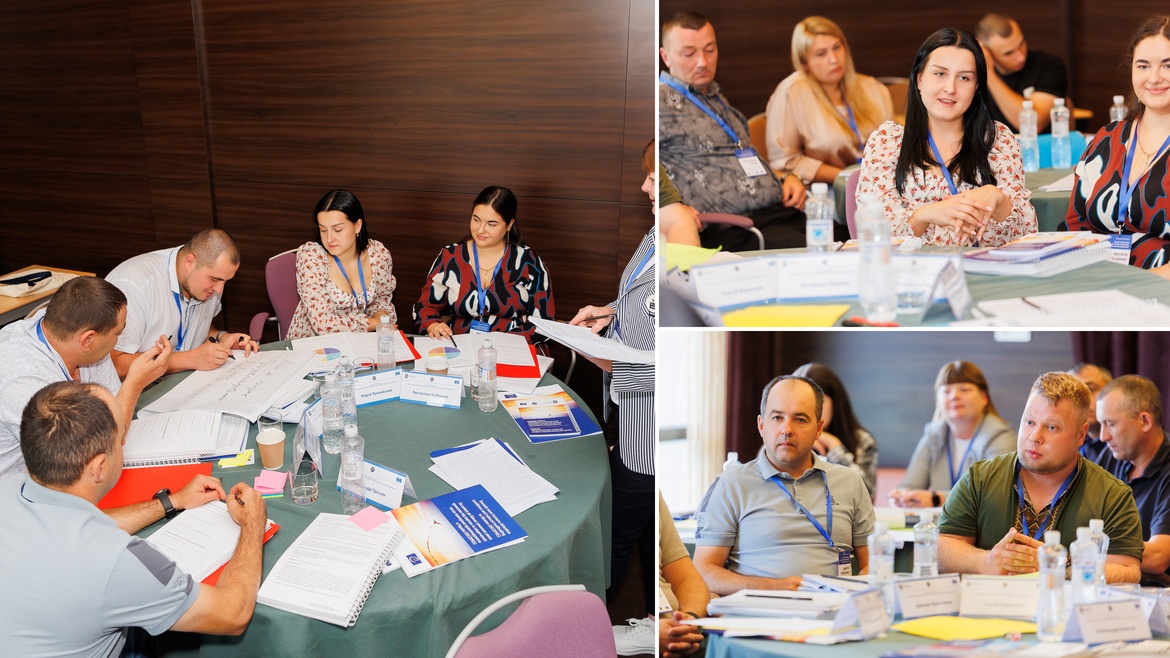
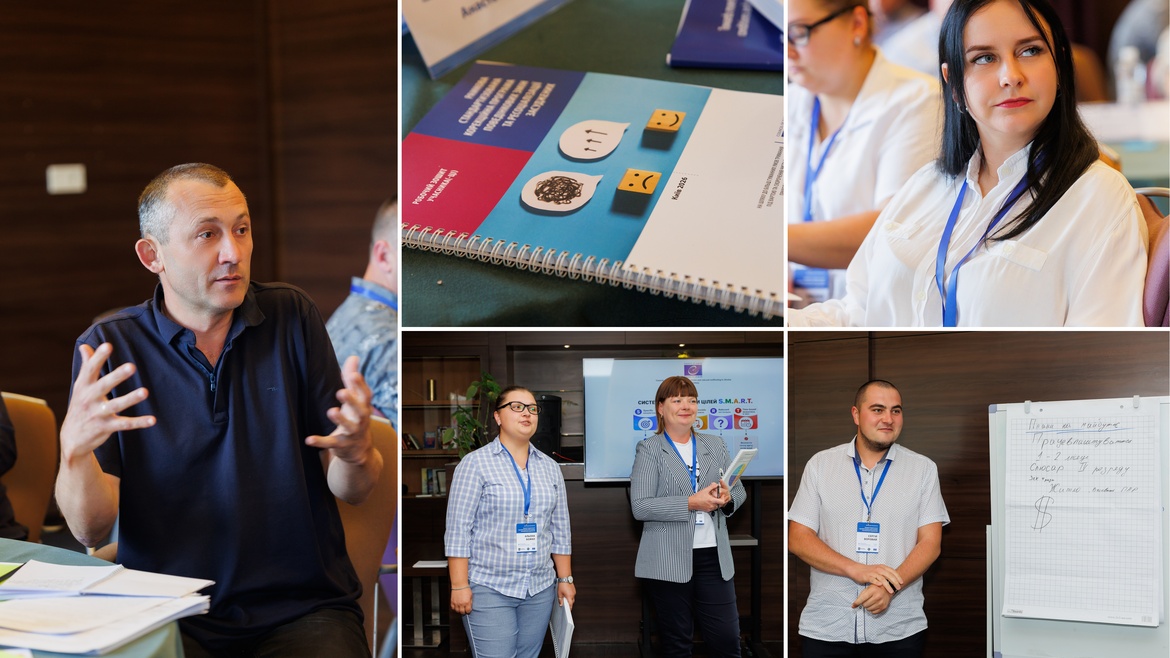
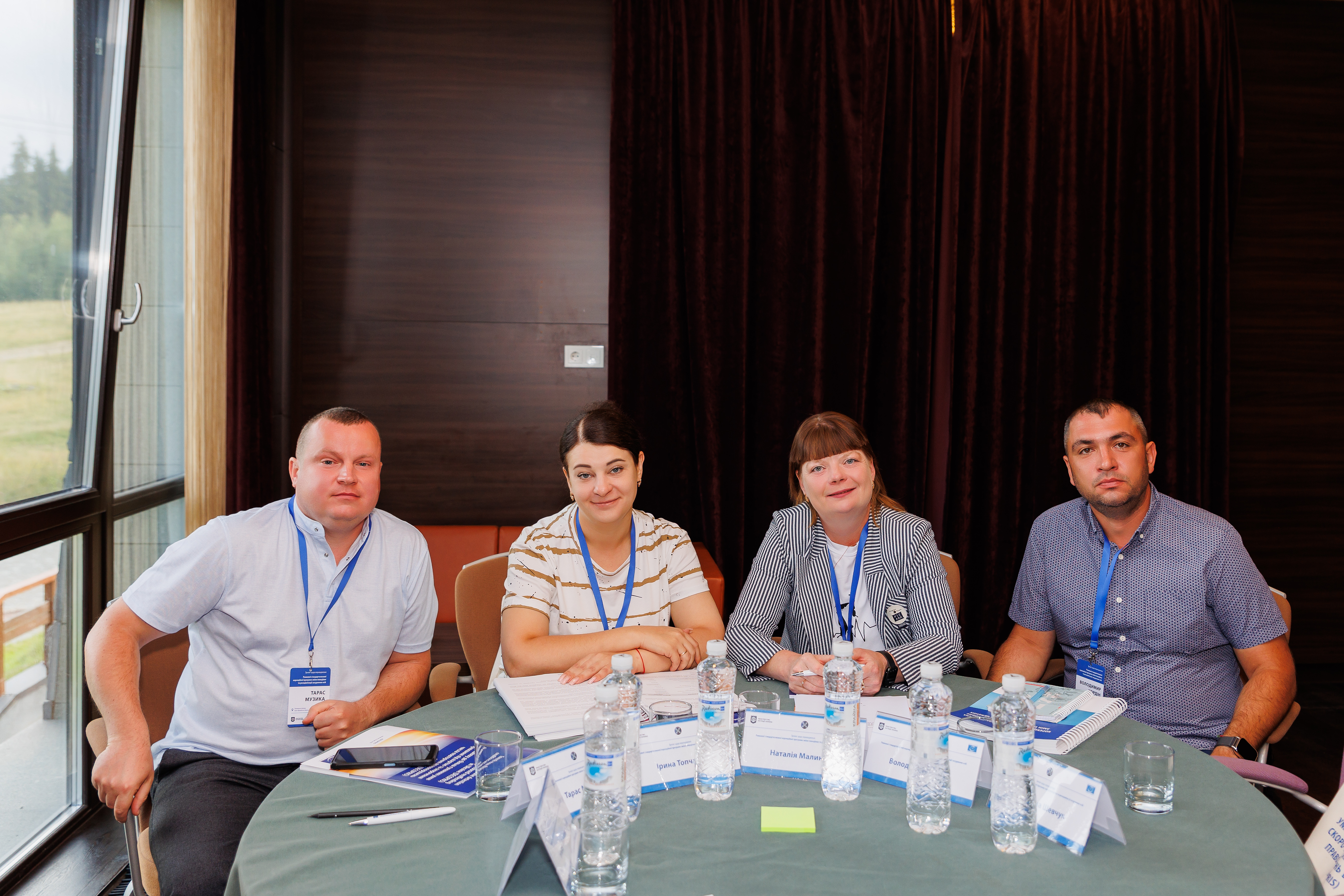
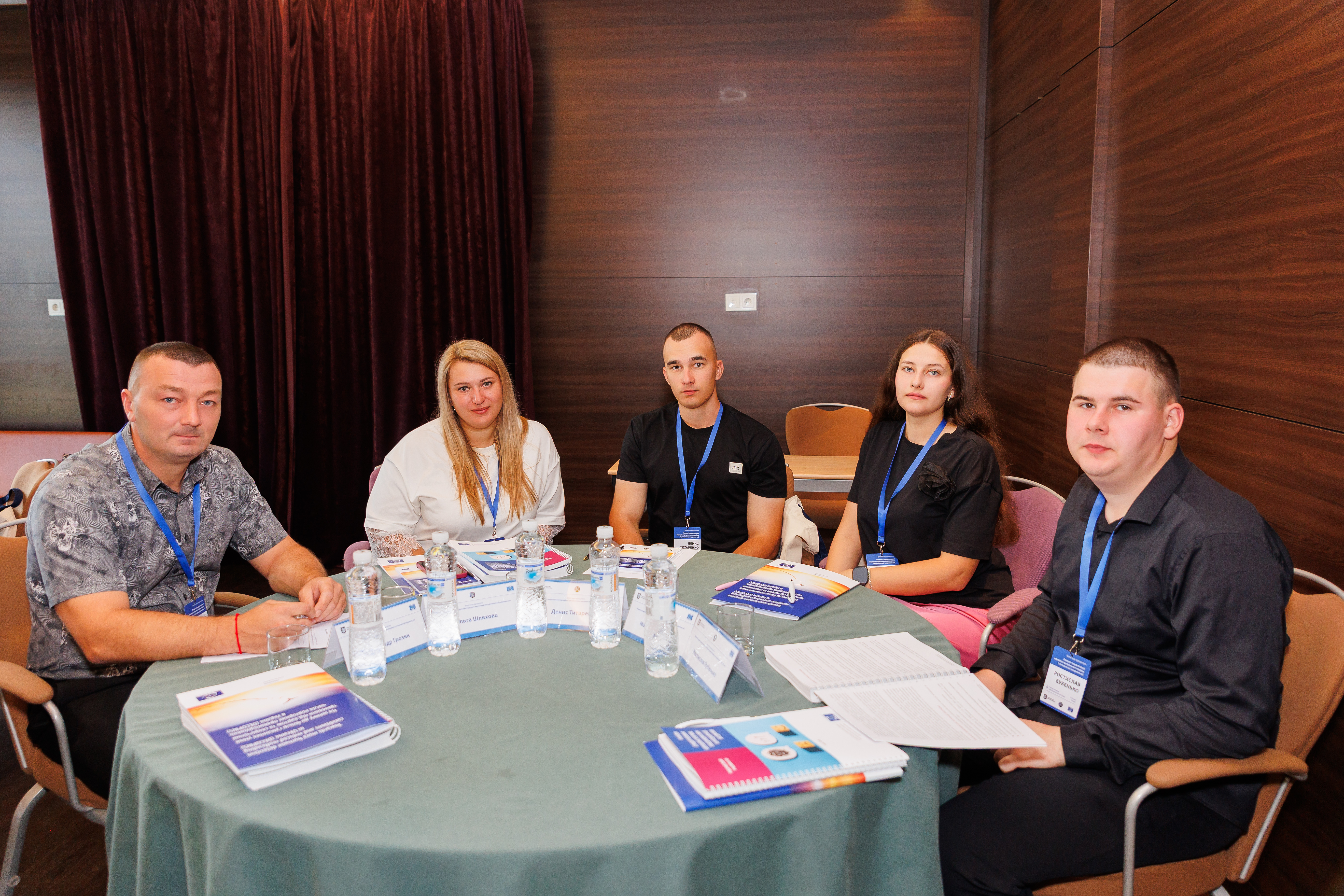
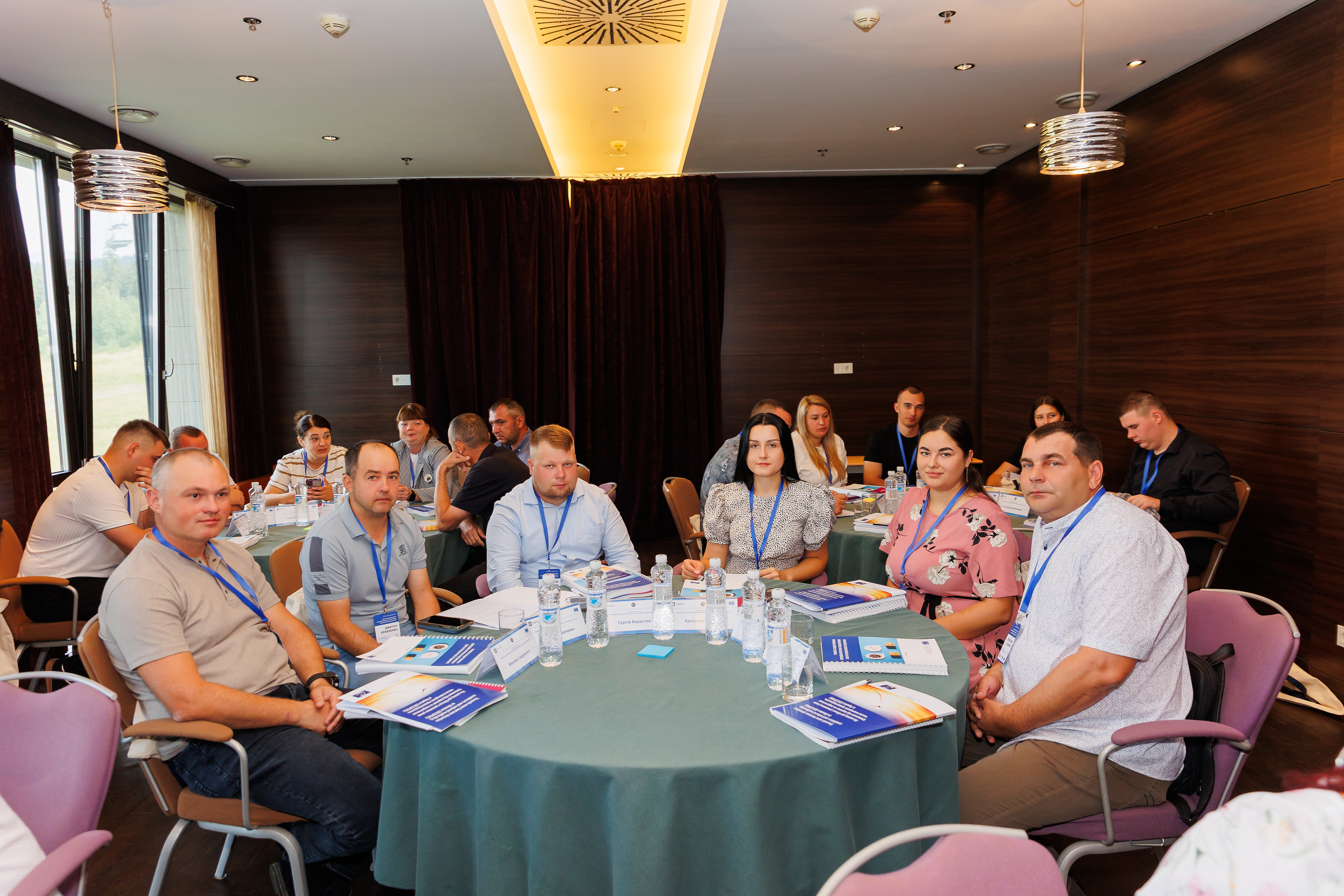
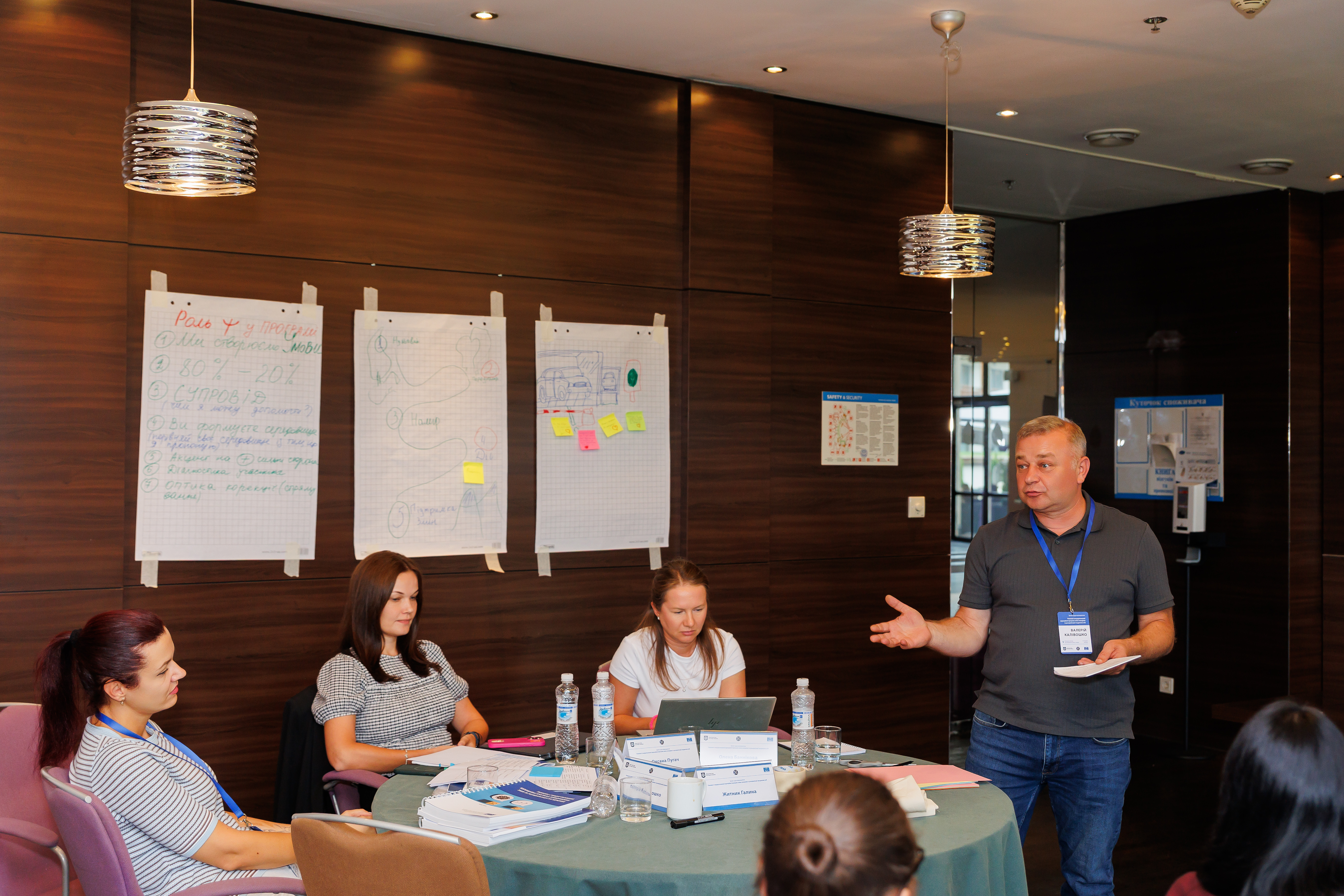
On 17-19 August 2026, the Council of Europe project DECOPRIS, together with the Department for the Execution of Criminal Sanctions, held a three-day training for psychologists working in penitentiary institutions. Over the course of the training, 25 participants gained practical skills in applying the new Framework Correctional Programme for Behavioural Change and Resocialisation of Prisoners. During the training, psychologists worked through six key components of the Programme: motivation for change, social skills development, emotional regulation, cognitive-behavioural techniques, decision-making and value formation.
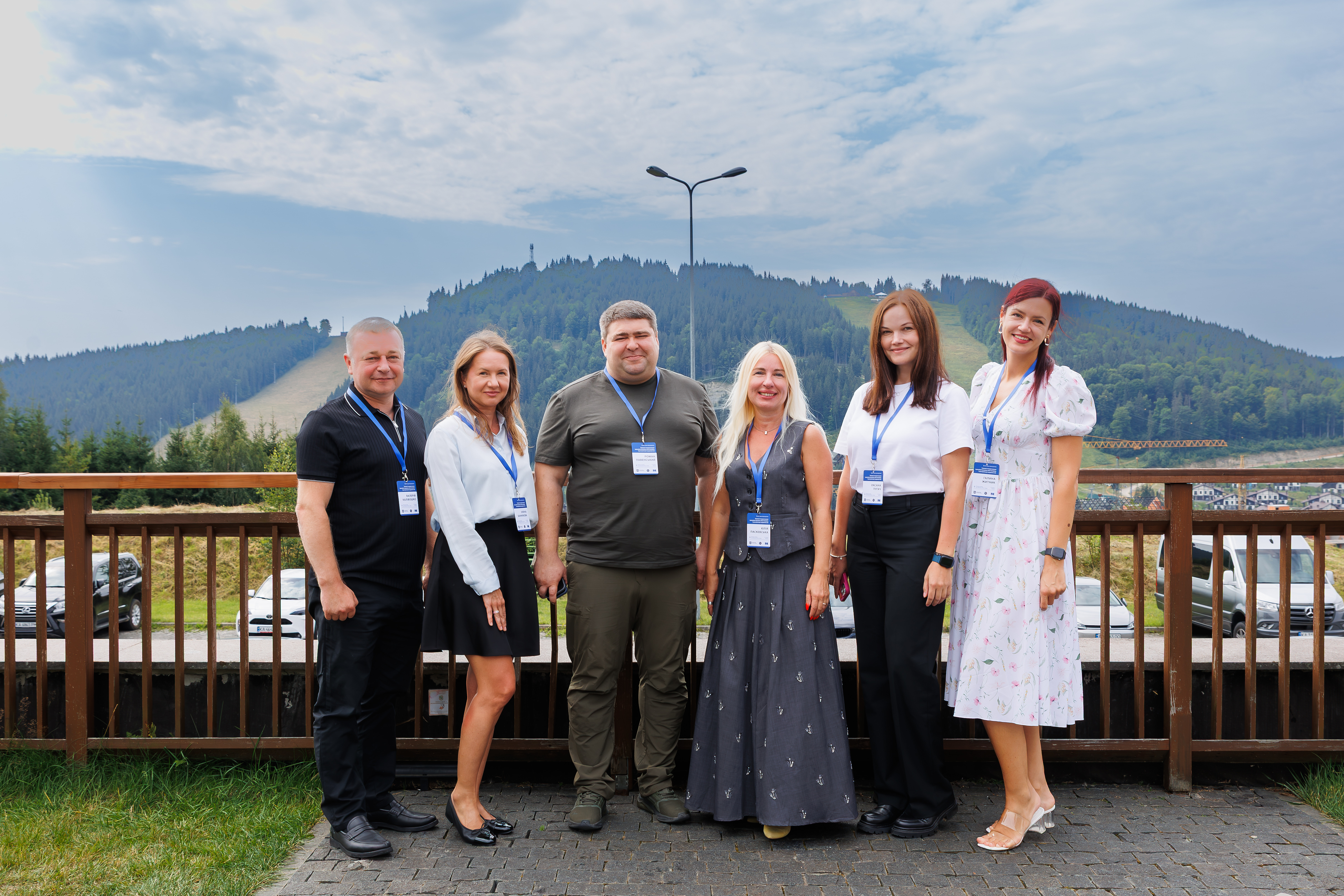
The first day of the training was opened by Roman Pavenskyi, First Deputy Head of the Department. He emphasised the importance of a comprehensive approach to implementing resocialisation programmes, teamwork among specialists, and the consistent modernisation of practices for working with prisoners. The Department's leadership also stressed that systemic change is not possible without the active involvement of psychologists and institutional staff, and that the training marked an important step towards updating practices for working with prisoners. Representatives of the Department and the DECOPRIS project expressed their commitment to establishing a new structure of staff support, ensuring ongoing accompaniment and monitoring, and taking participants' proposals into account when finalising the Programme and integrating it more broadly across penitentiary institutions.
The training marked the first practical step towards piloting the new approach. Participants highlighted the clarity of the Programme's structure, its practical value, and the potential to integrate the tools gained into their daily work. The next stage will involve the pilot implementation of the Framework Programme in 8 penitentiary institutions. The results and feedback obtained during the pilot phase will be used to further refine the Programme and prepare for its wider application.
The introduction of the Framework Programme marks the beginning of a shift towards a more systematic, consistent and individualised approach to prisoner resocialisation in Ukraine. This approach is intended to improve the quality of rehabilitation work, more effectively address the individual needs of prisoners, and support their successful reintegration after release, thereby reducing the risk of reoffending.
The Council of Europe project “Towards More Humane Conditions of Detention and Reduced Reoffending in Ukraine” (DECOPRIS) is implemented within the framework of the Council of Europe’s Action Plan for Ukraine “Resilience, Recovery and Reconstruction” (2023–2026). DECOPRIS aims to enhance the protection of prisoners’ rights by improving prison management practices and advancing rehabilitation efforts.