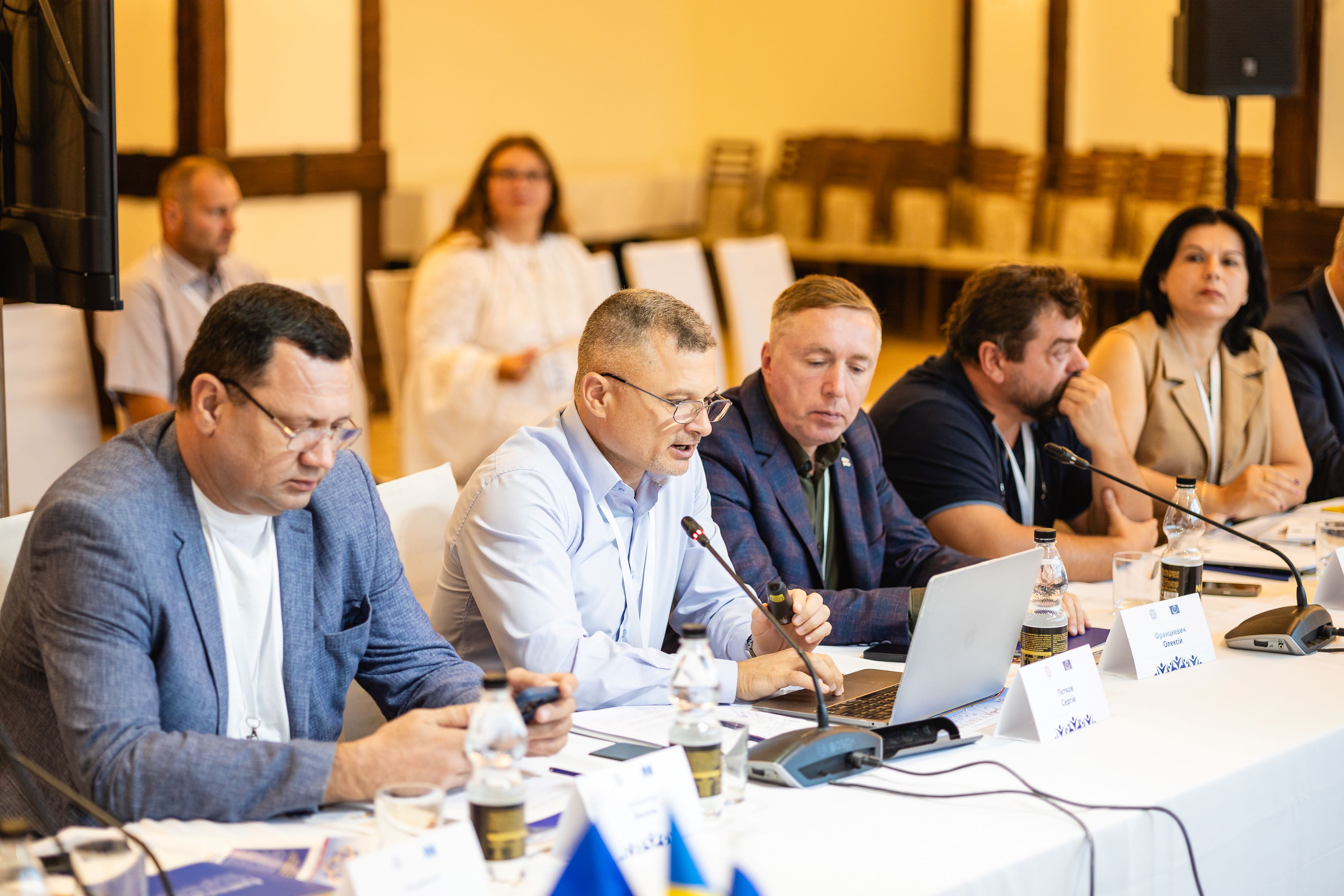
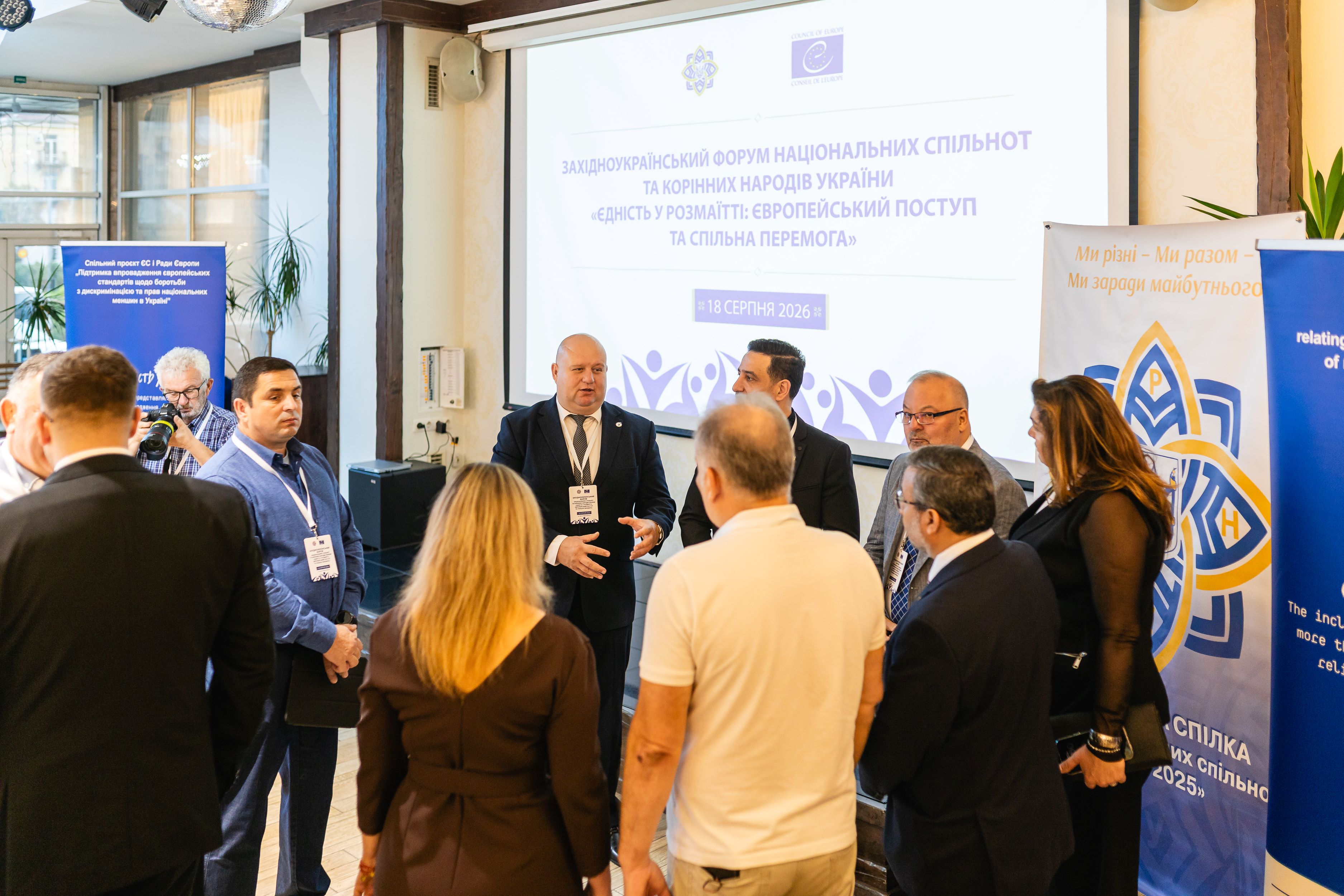
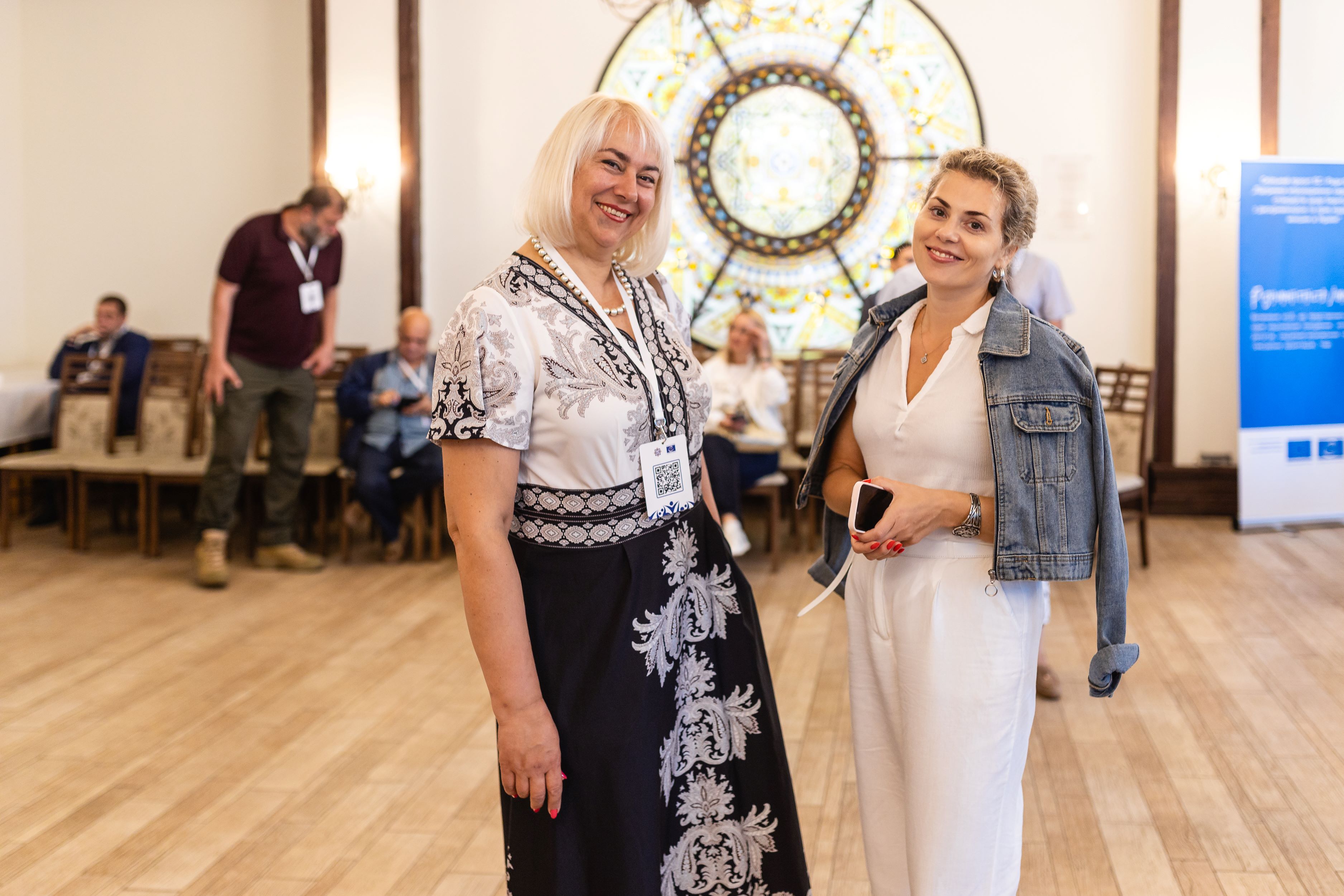
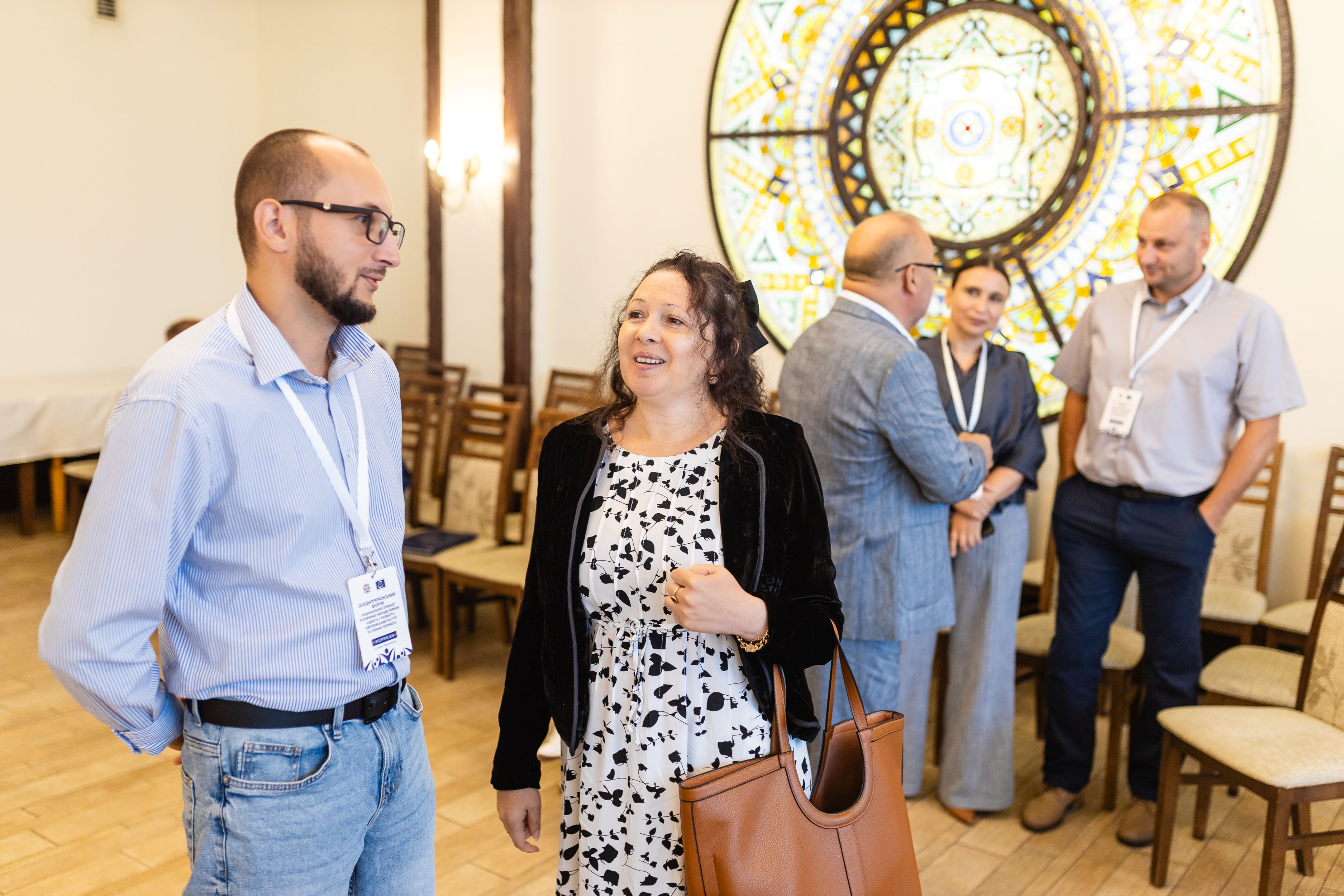
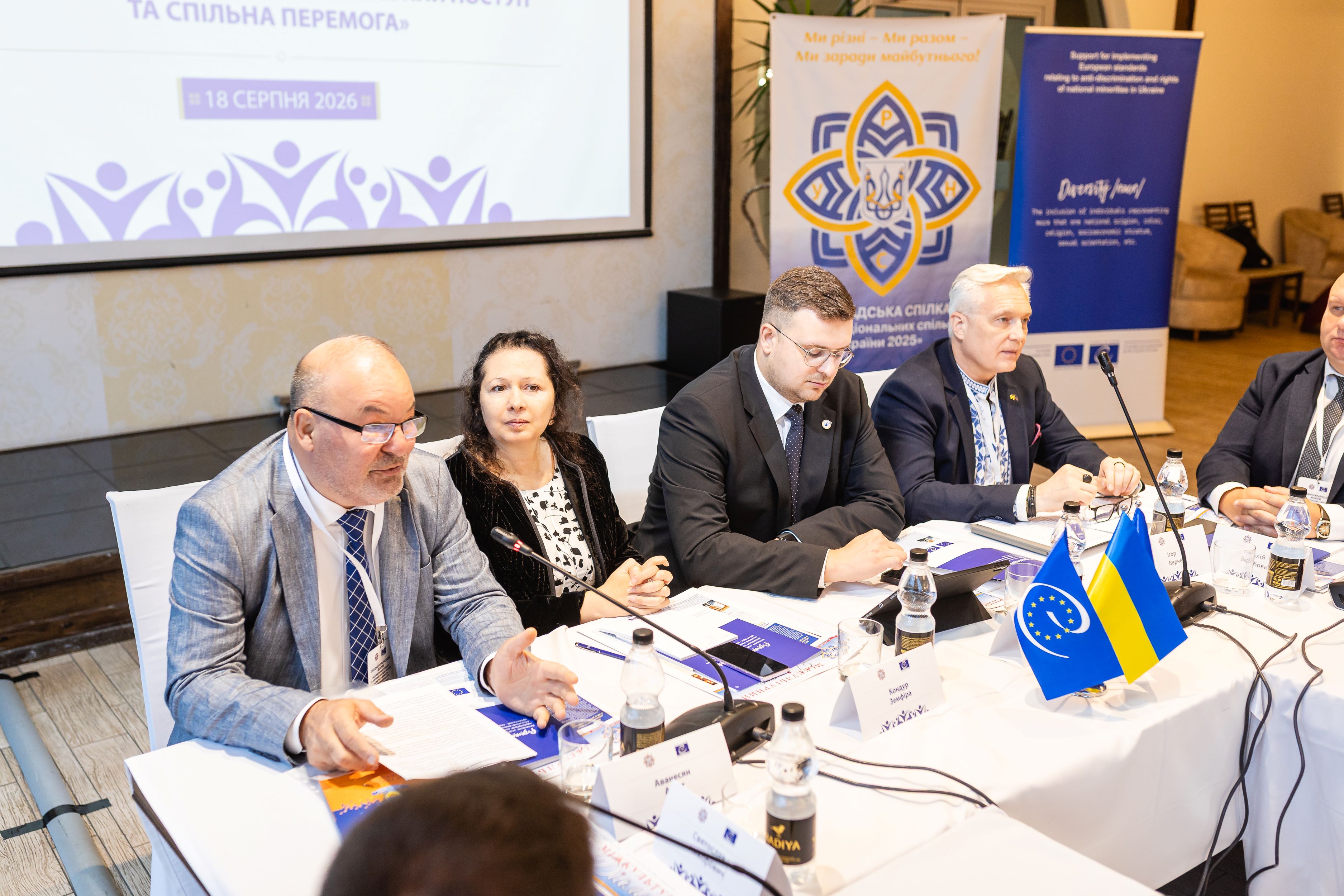
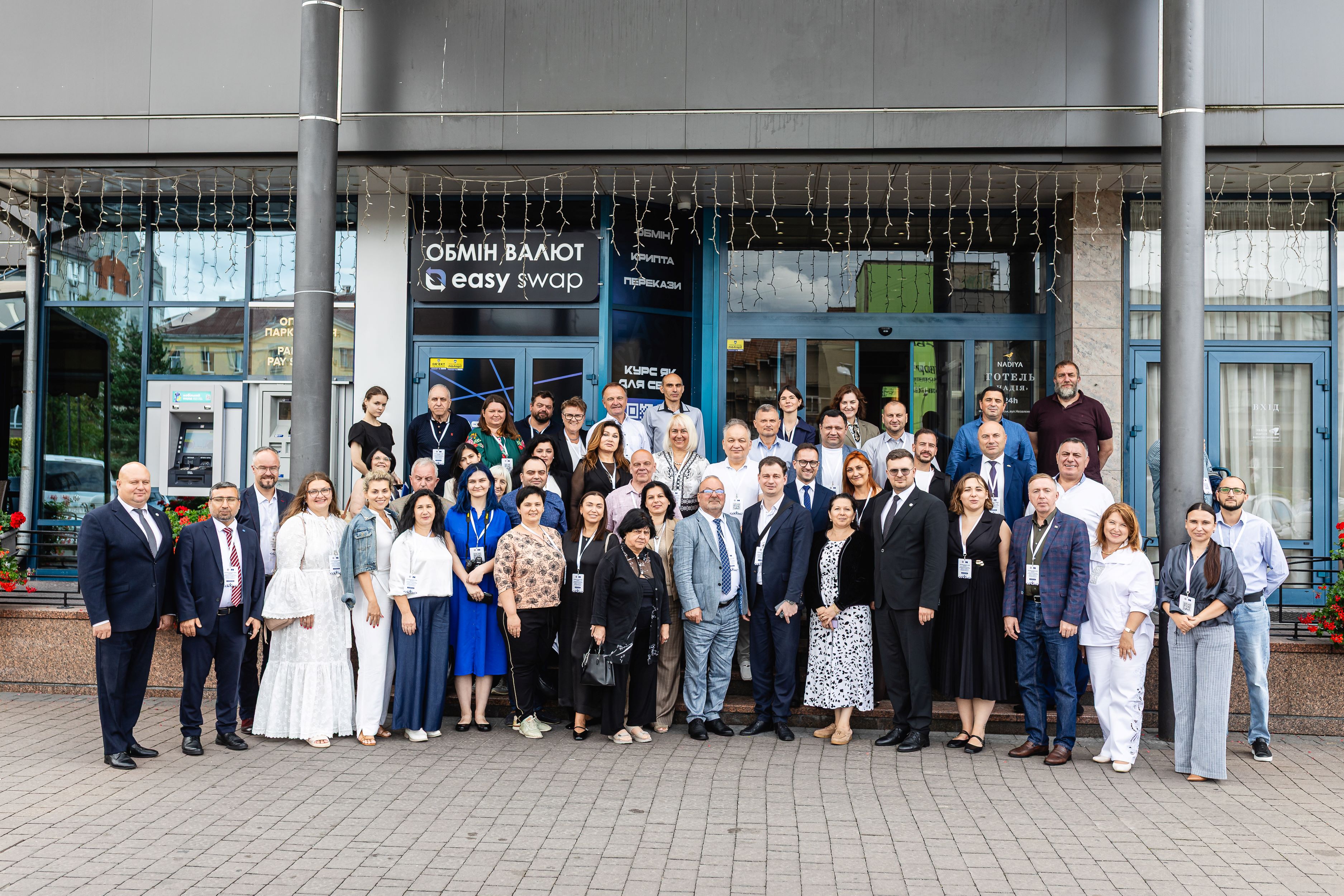
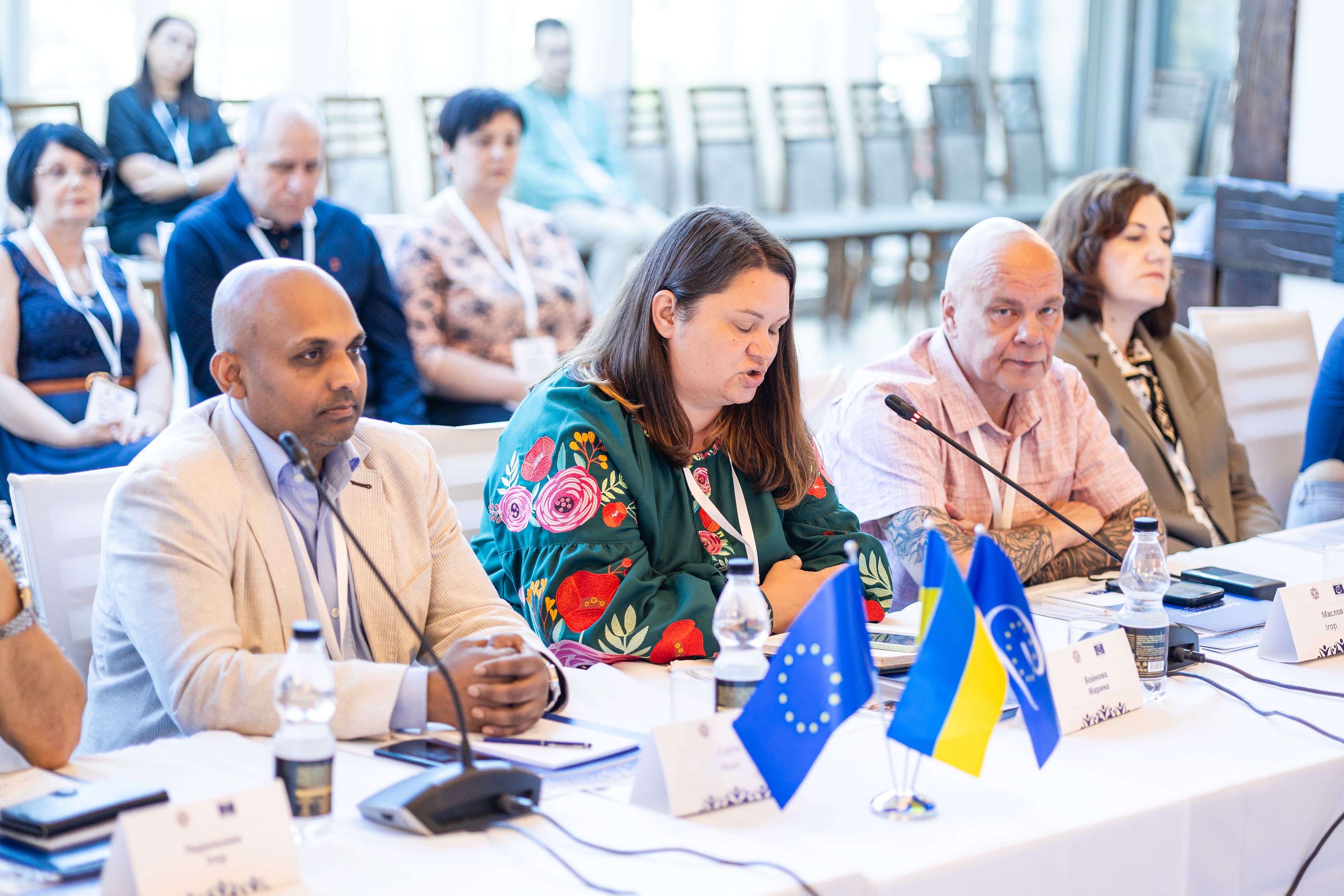
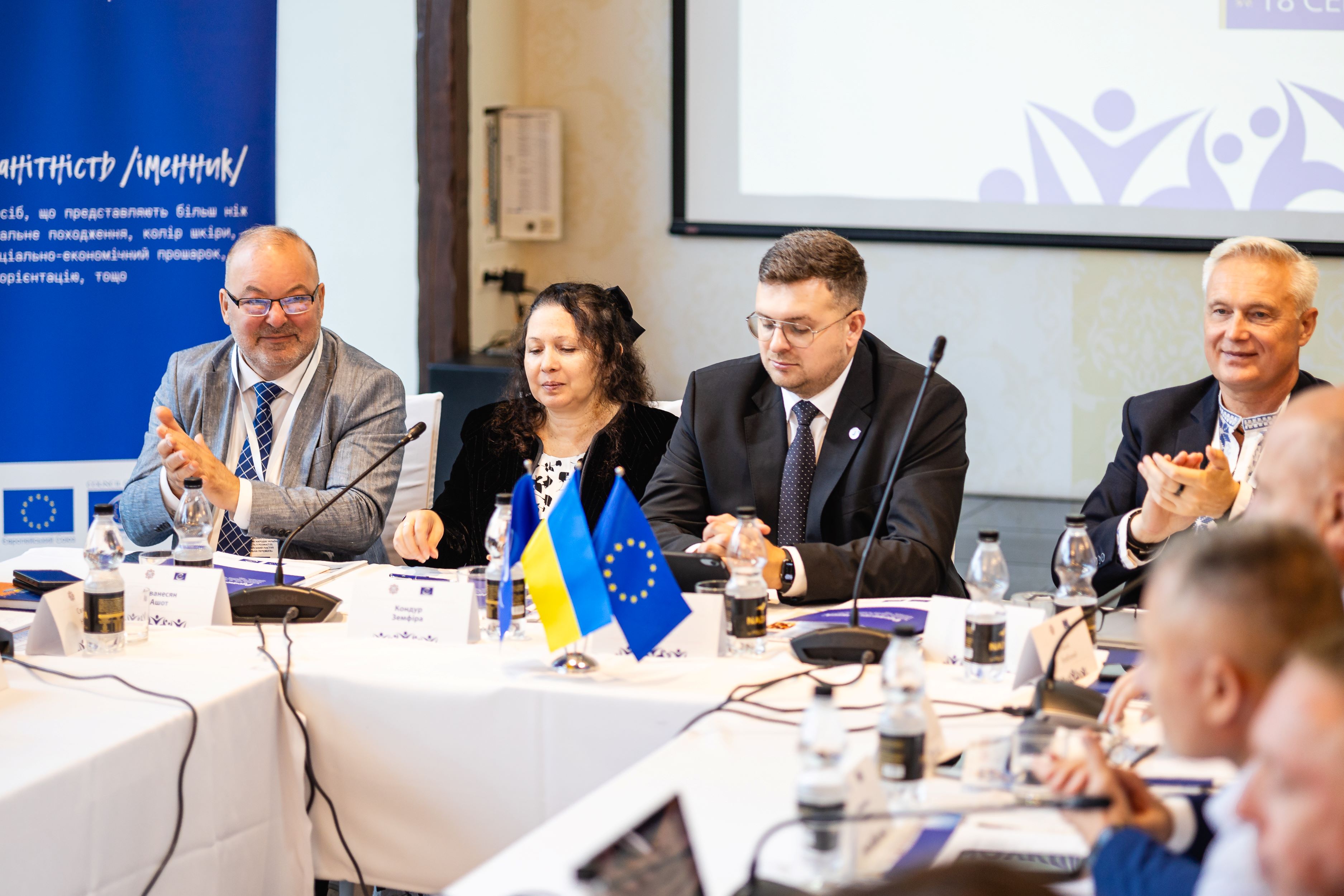
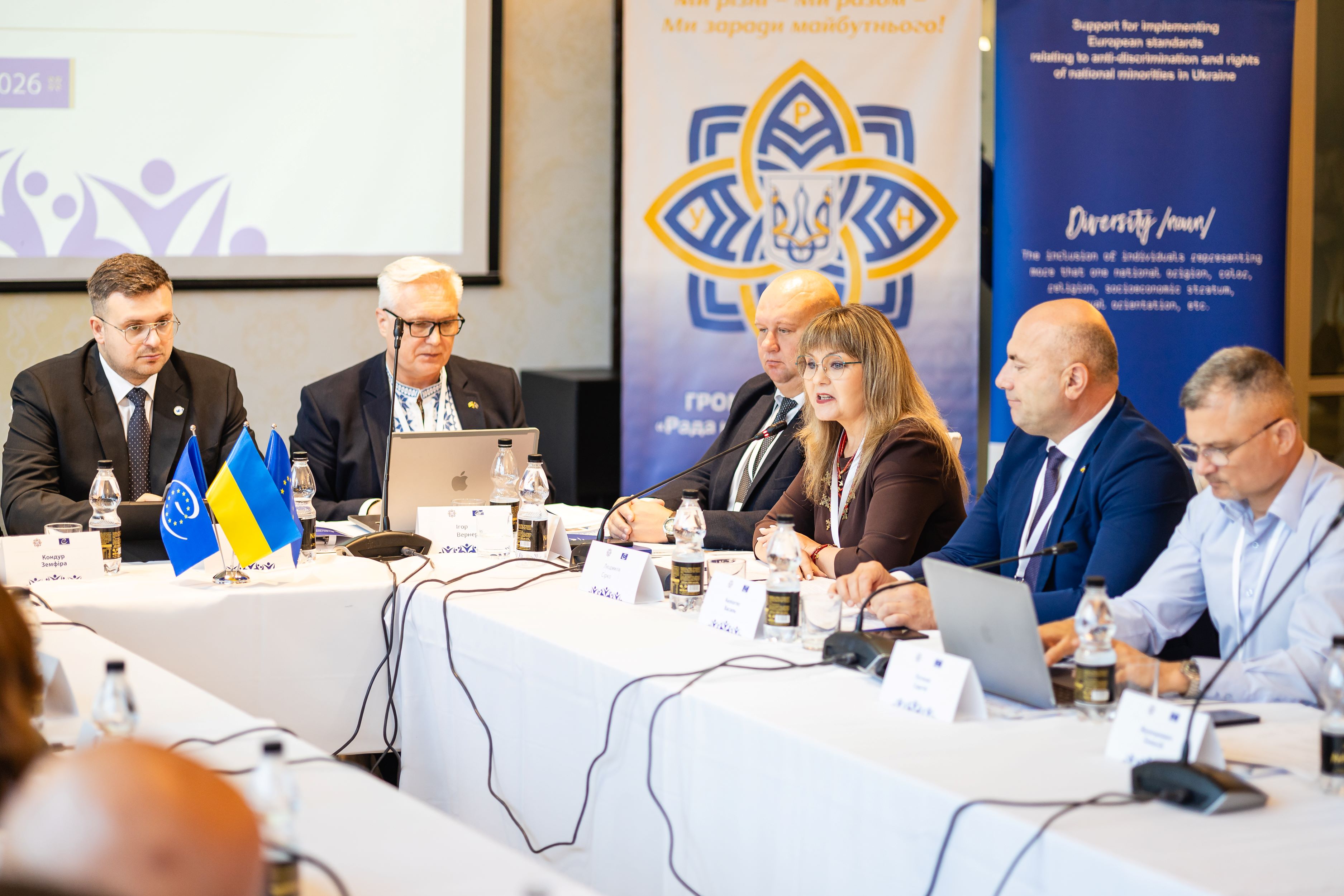
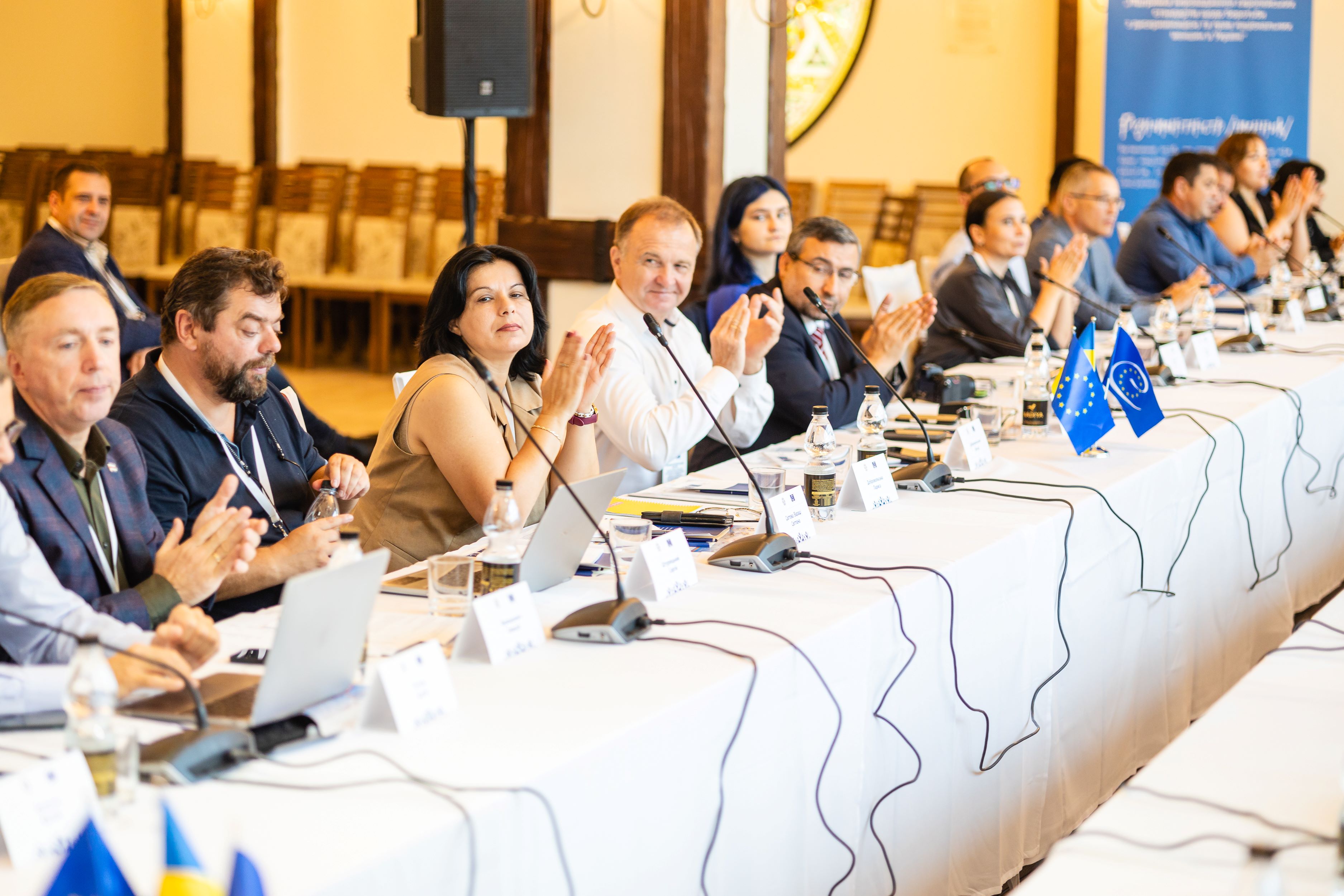
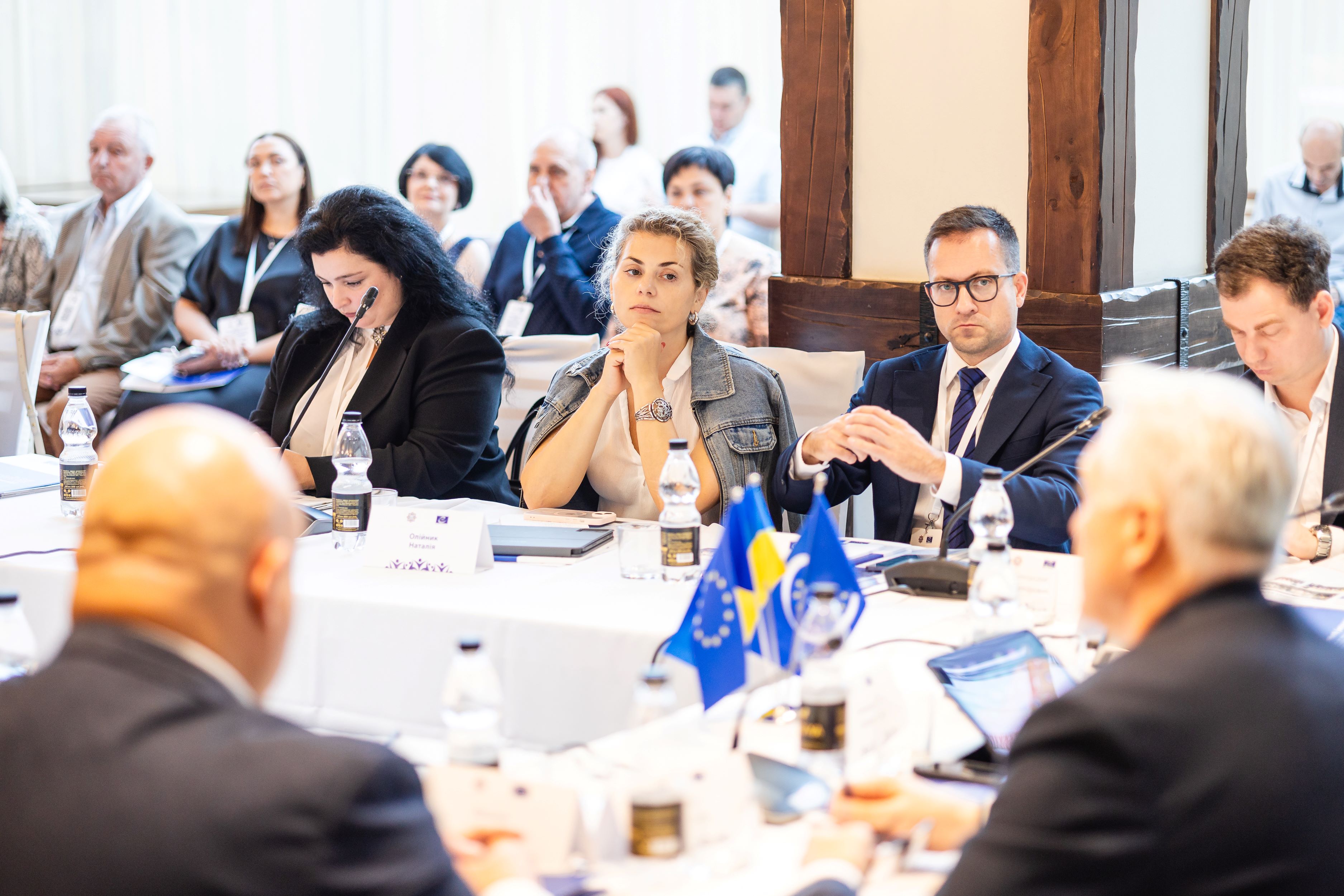
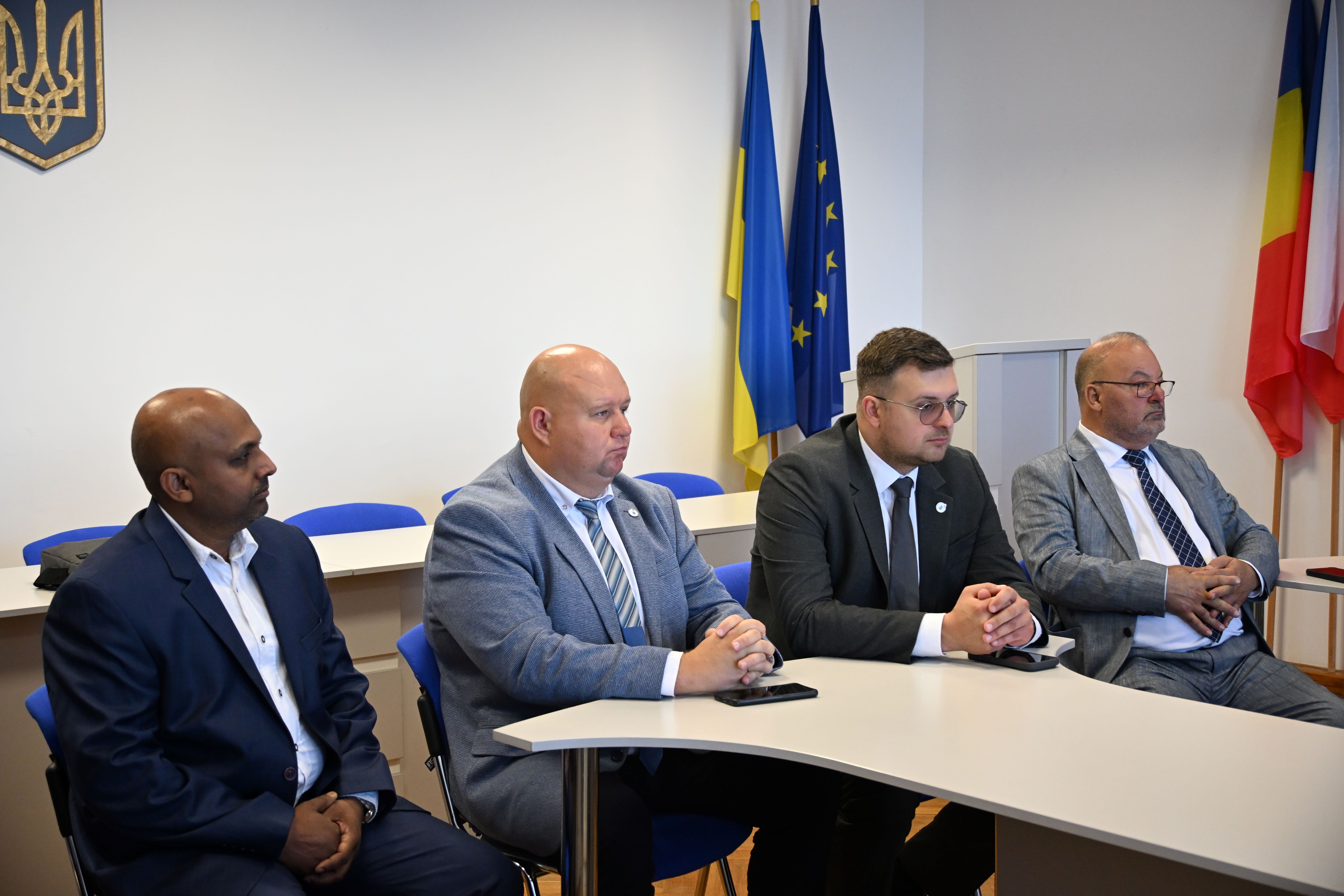
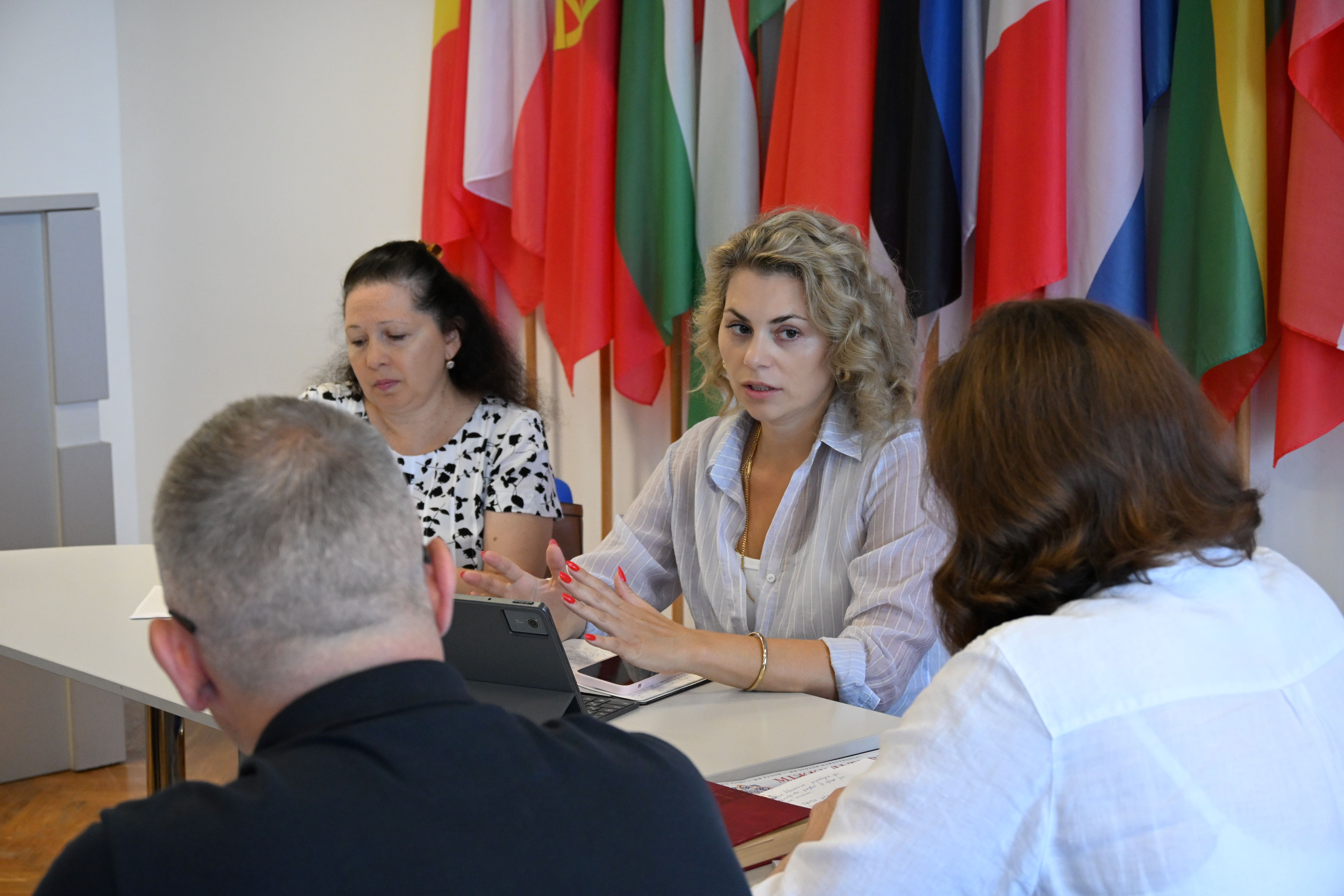
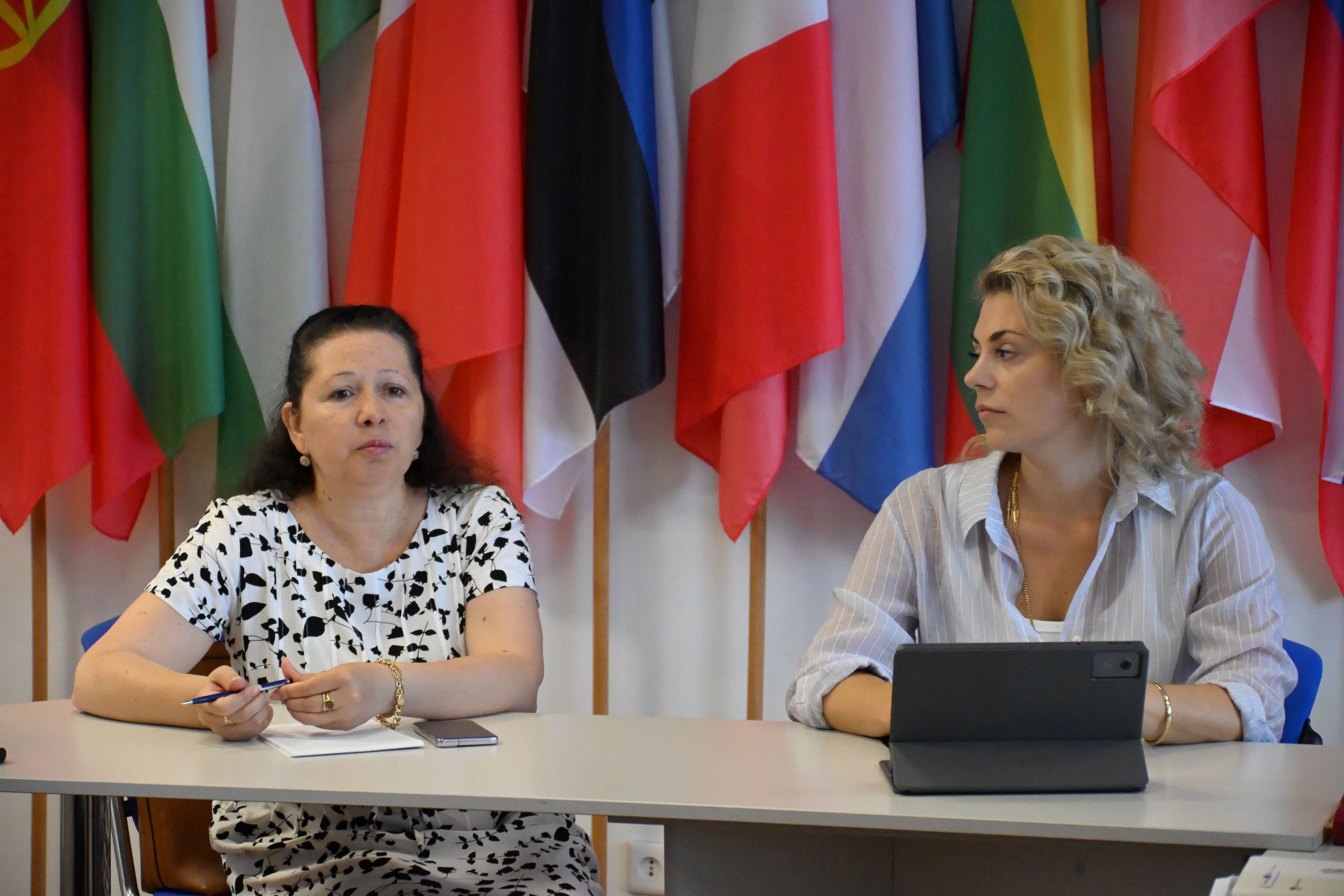
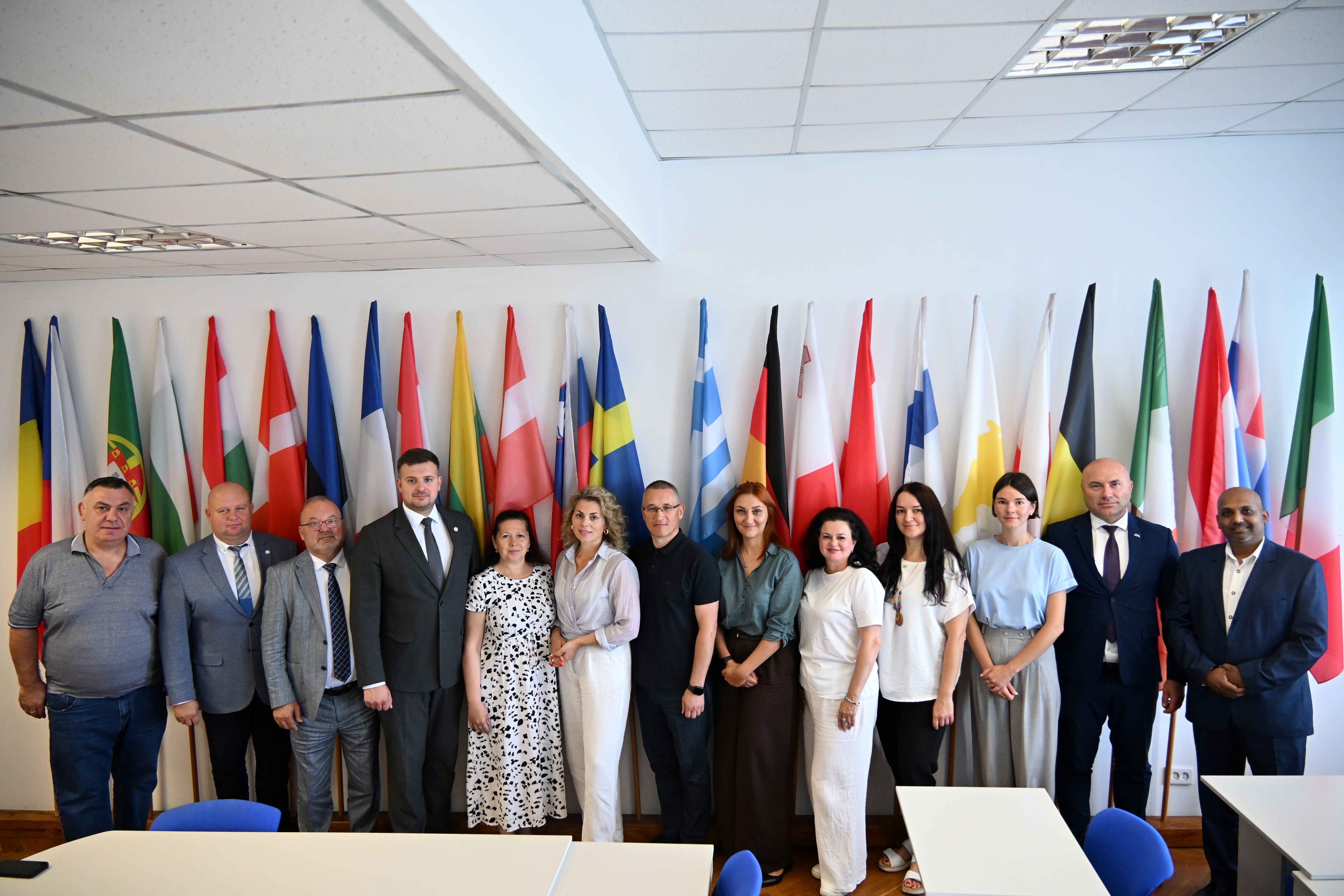
On 18 August 2026, the Western Ukrainian Forum of National Communities and Indigenous Peoples of Ukraine, entitled ‘Unity in Diversity: European Progress and Shared Victory’, took place in Ivano-Frankivsk.
The event was jointly organised by the ‘Council of National Communities of Ukraine’ and the Council of Europe project ‘Supporting the reform of the national minority legal framework and the resilience of national minorities and Roma in Ukraine-Phase II’.
The event was attended by over 60 representatives of national communities and indigenous peoples of Ukraine, state and local authorities, civil society organisations and experts. In particular, the following took part in the forum: Ashot Avanesyan, Chair of the “Council of National Communities of Ukraine”; Zemfira Kondur, Project Manager at the Council of Europe; Oleksandr Osipov, Representative of the Commissioner for Equal Rights and Freedoms of National Minorities, Political and Religious Views; Ihor Werner, Deputy Chair of the State Service of Ukraine for Ethnic Affaires and Freedom of Conscience; Lyudmyla Sirko, Deputy Head of the Ivano-Frankivsk Regional State Administration; Sviatoslav Nikorovich, Deputy Mayor of Ivano-Frankivsk; Vitalii Verbovyi, Representative of the Ukrainian Parliament Commissioner for Human Rights in the Ivano-Frankivsk region; and Krzysztof Lukyanovich, Representative of the Consulate General of the Republic of Poland in Lviv.
The Ivano-Frankivsk region is one of the regions of Ukraine where cultural diversity is an important component of public life. The region is home to representatives of over 90 ethnic groups, with a total population exceeding 30,000 people. This is precisely why the regional level is of particular importance for the practical implementation of policies in the field of protecting the rights of national communities.
The main theme of the forum was the role of protecting the rights of persons belonging to national communities in the process of Ukraine’s European integration and the fulfilment of European integration commitments in the context of the opening of Cluster 1 ‘Fundamentals’ in the accession negotiations.
Participants focused not only on the results achieved, but above all on the practical solutions and mechanisms that need to be strengthened at regional and local levels. Discussions centred on the implementation of state policy, access to education, culture, administrative and social services, the effectiveness of interaction between public authorities and communities, as well as the involvement of representatives of national communities in monitoring reforms.
Particular emphasis was placed on the potential of national communities as Ukraine’s partners in European integration, cross-border cooperation, strengthening resilience and reconstruction. Participants also discussed the role of young people from national communities and the need to counter disinformation and manipulation.
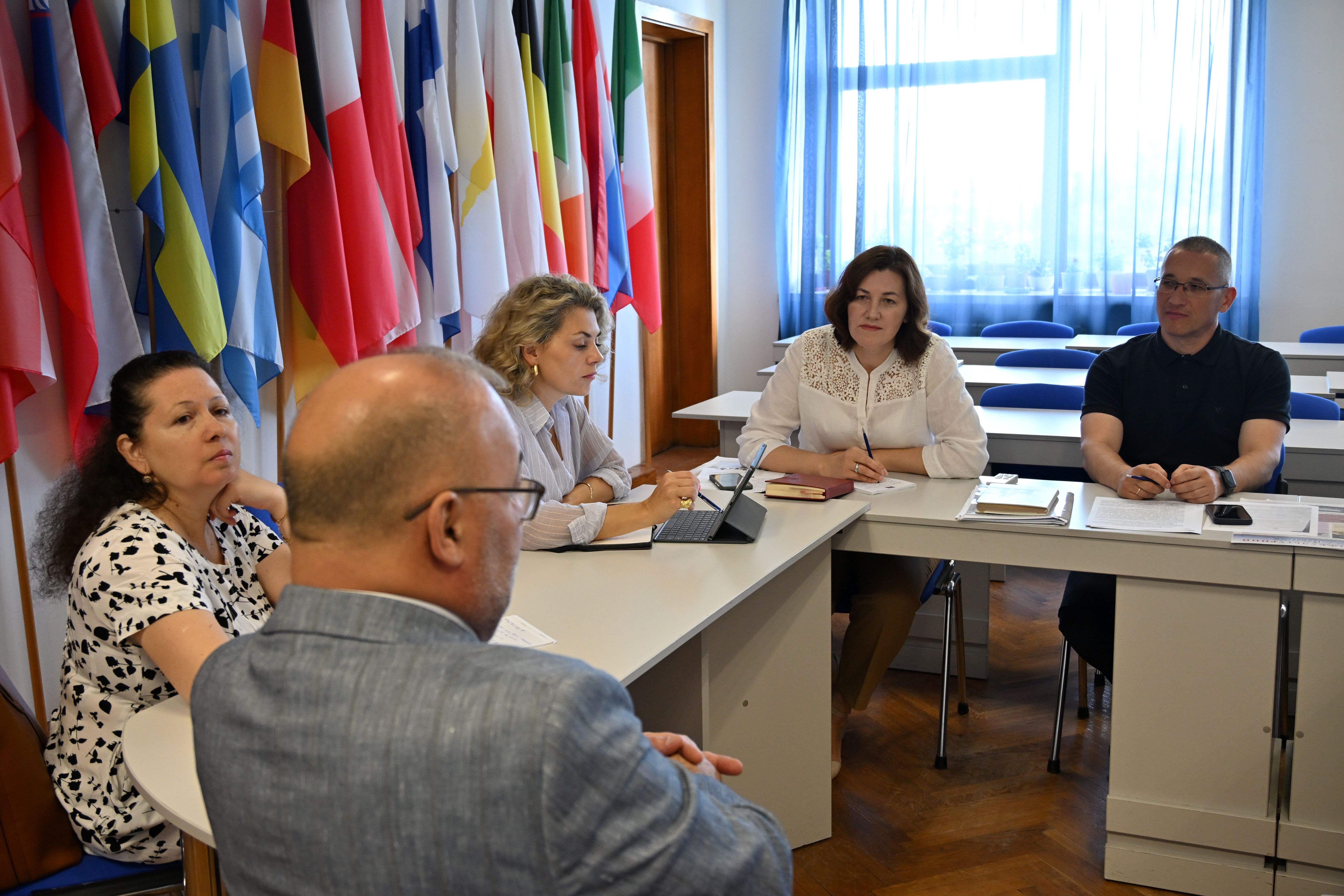
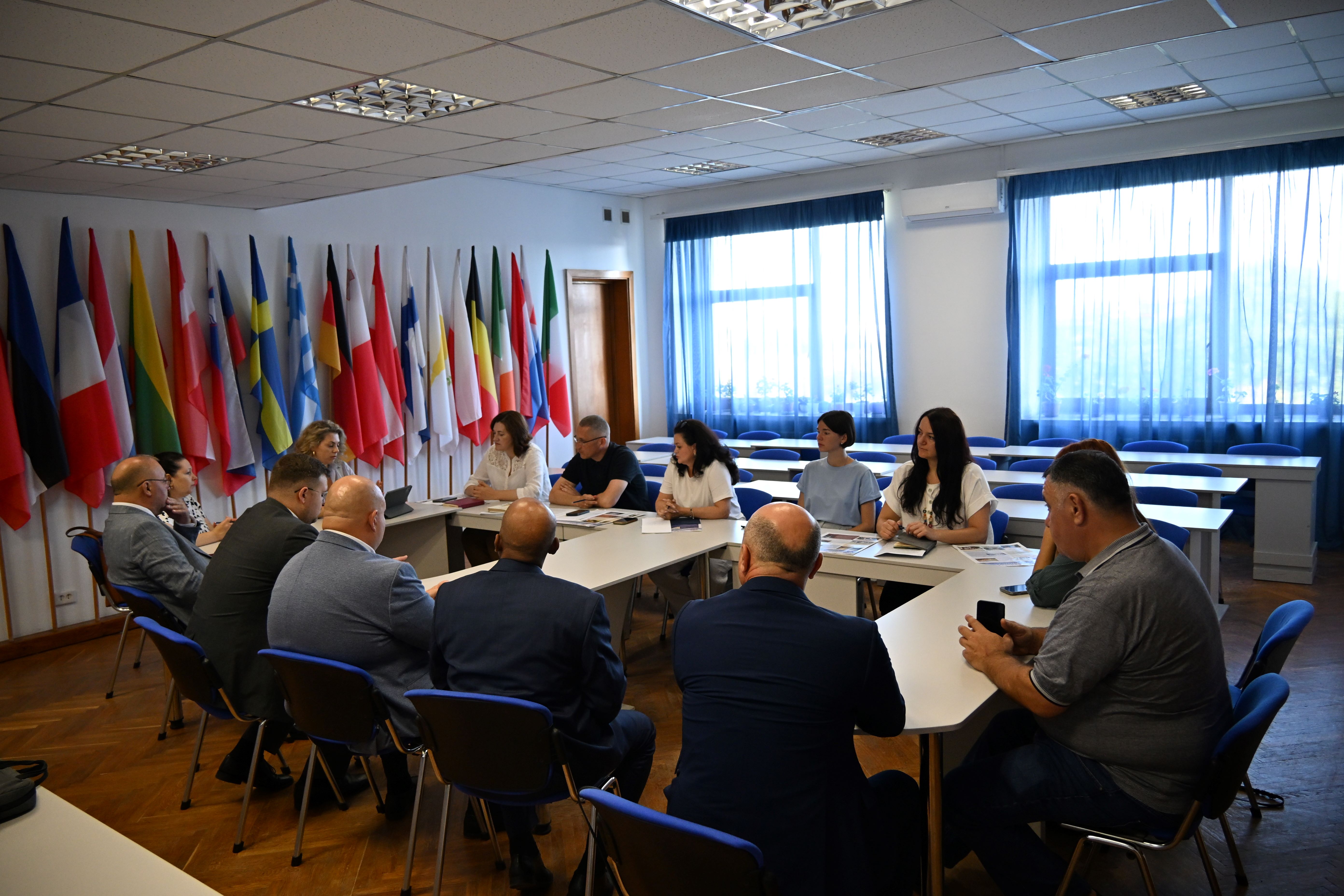
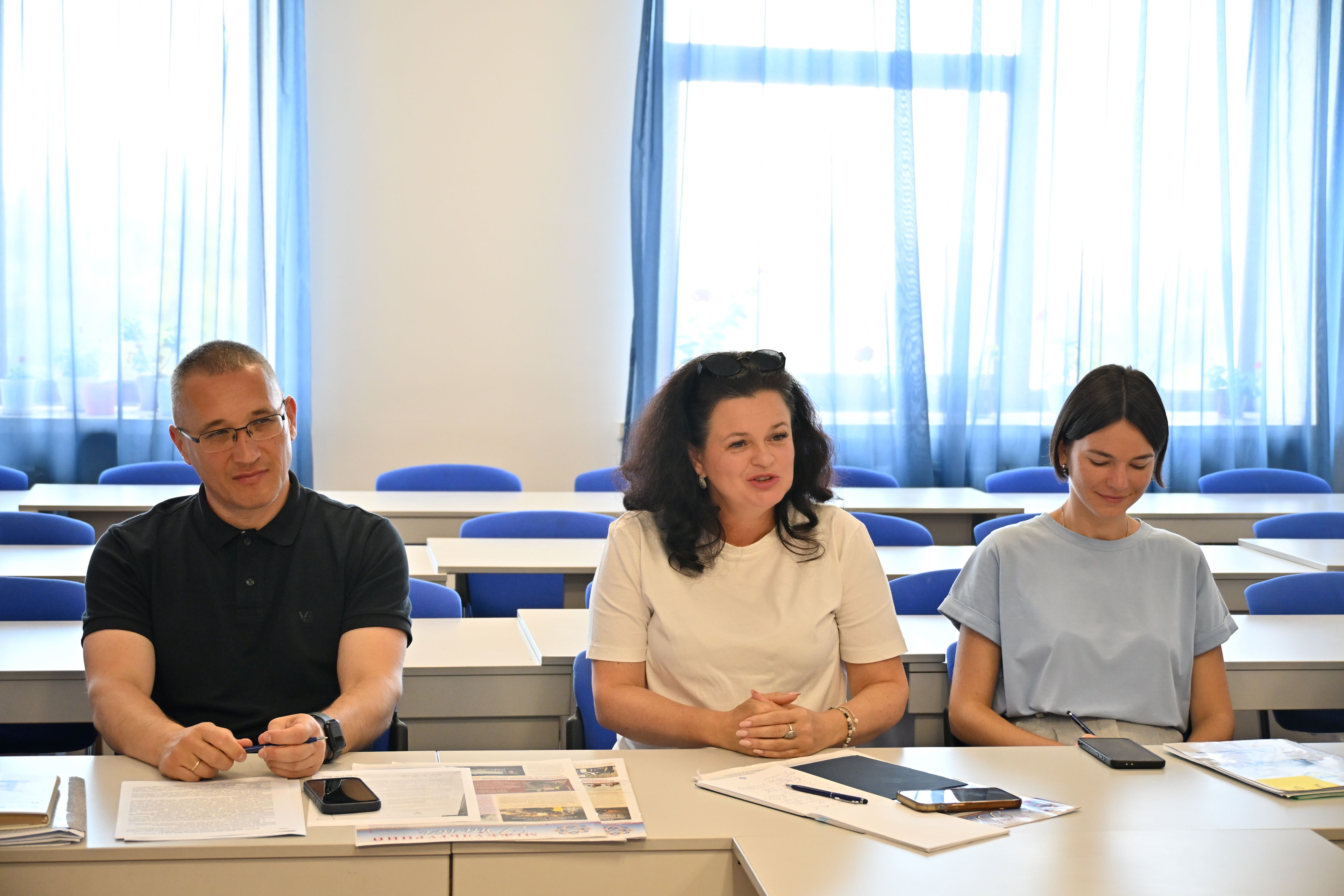
The following day, the forum continued with a practical follow-up meeting between representatives of the Ukrainian Parliament Commissioner for Human Rights, a Council of Europe project and national communities, and the leadership of the Ivano-Frankivsk Regional State Administration. During the meeting, they discussed the current status of policy implementation regarding the protection of the rights of national communities in the region, as well as the implementation and monitoring of strategic documents and action plans in this area. The parties identified issues requiring further coordination and practical attention at regional level.
Based on the forum’s outcomes, recommendations will be drawn up for state institutions, aimed at improving the implementation of state policy, strengthening monitoring and developing effective mechanisms for cooperation between authorities, local communities and representatives of national communities.
The forum in Ivano-Frankivsk demonstrated that the protection of the rights of national communities is not a separate policy area, but an integral part of Ukraine’s European course and the strengthening of its social resilience.