For people who have lost their homes because of the war, temporary shelter is not enough. They need sustainable housing solutions, which require coordinated efforts by the state, local communities and partners.
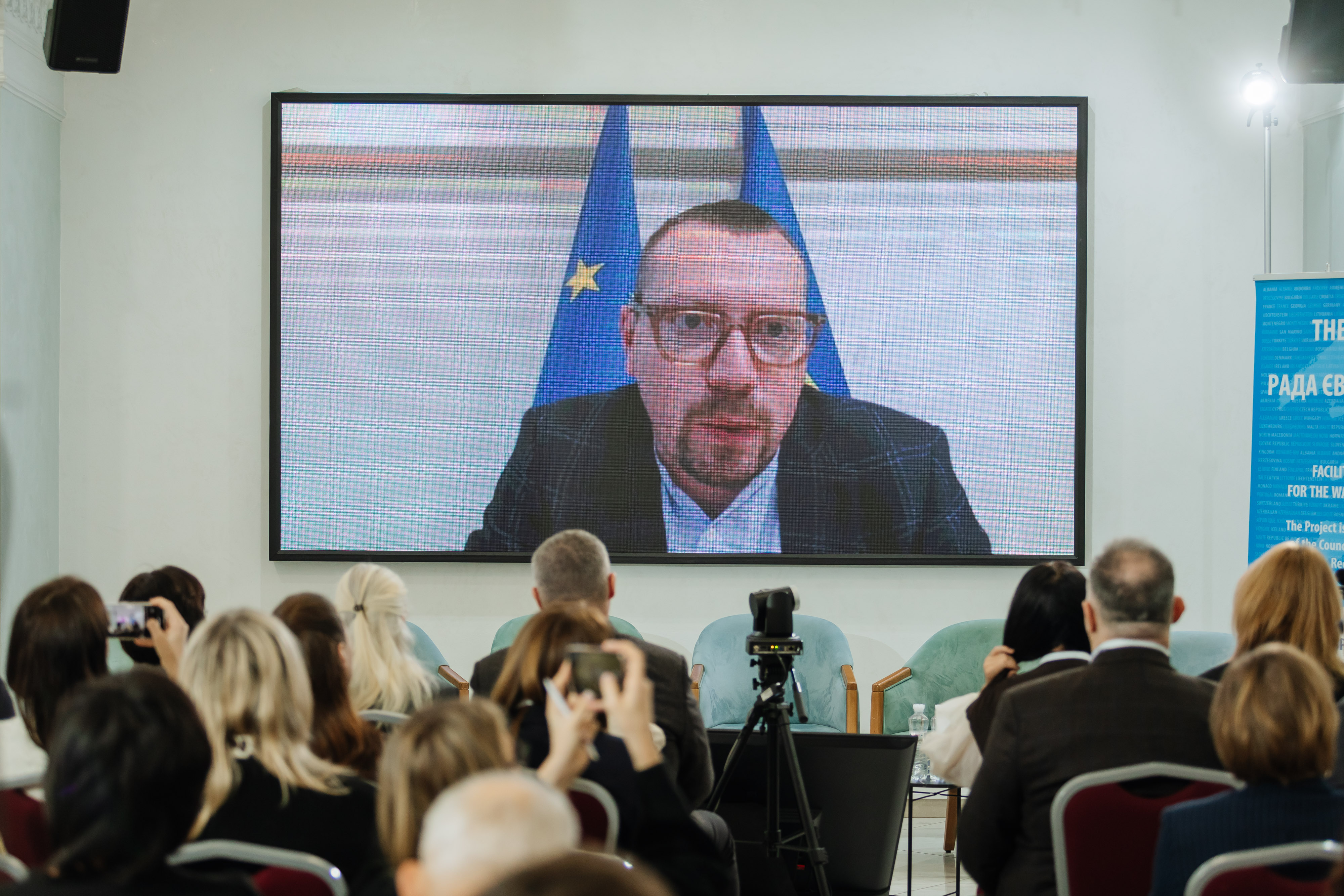
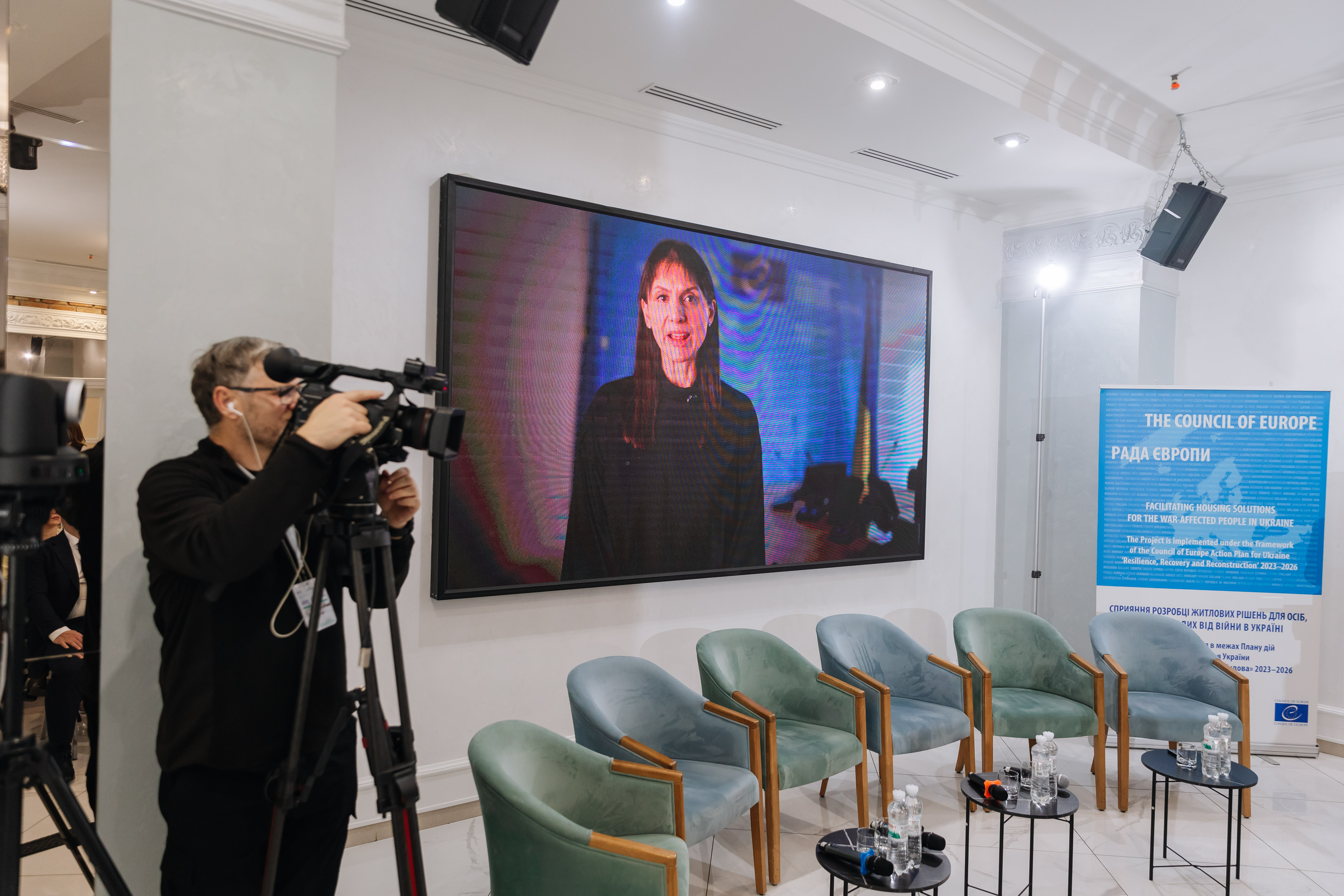
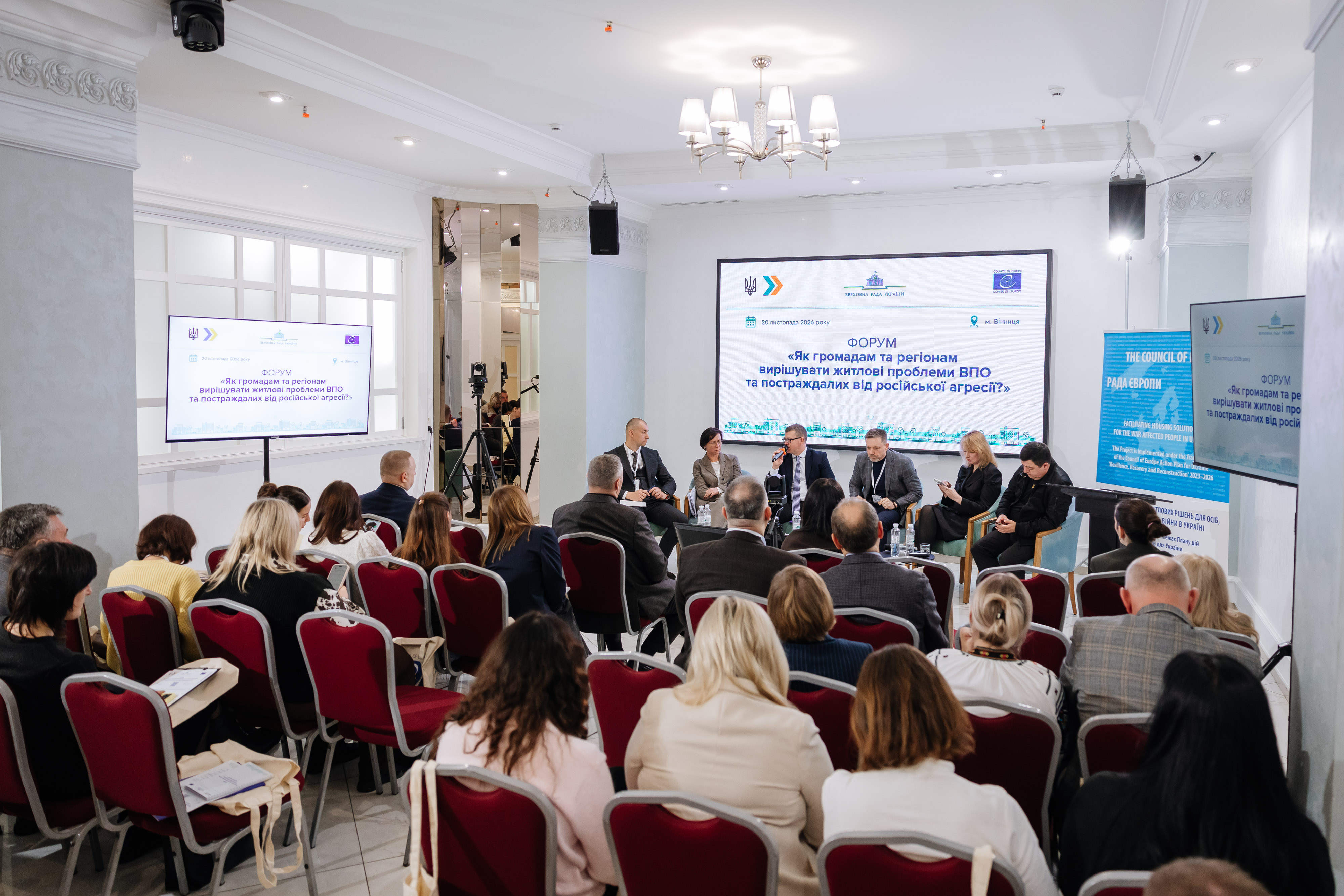
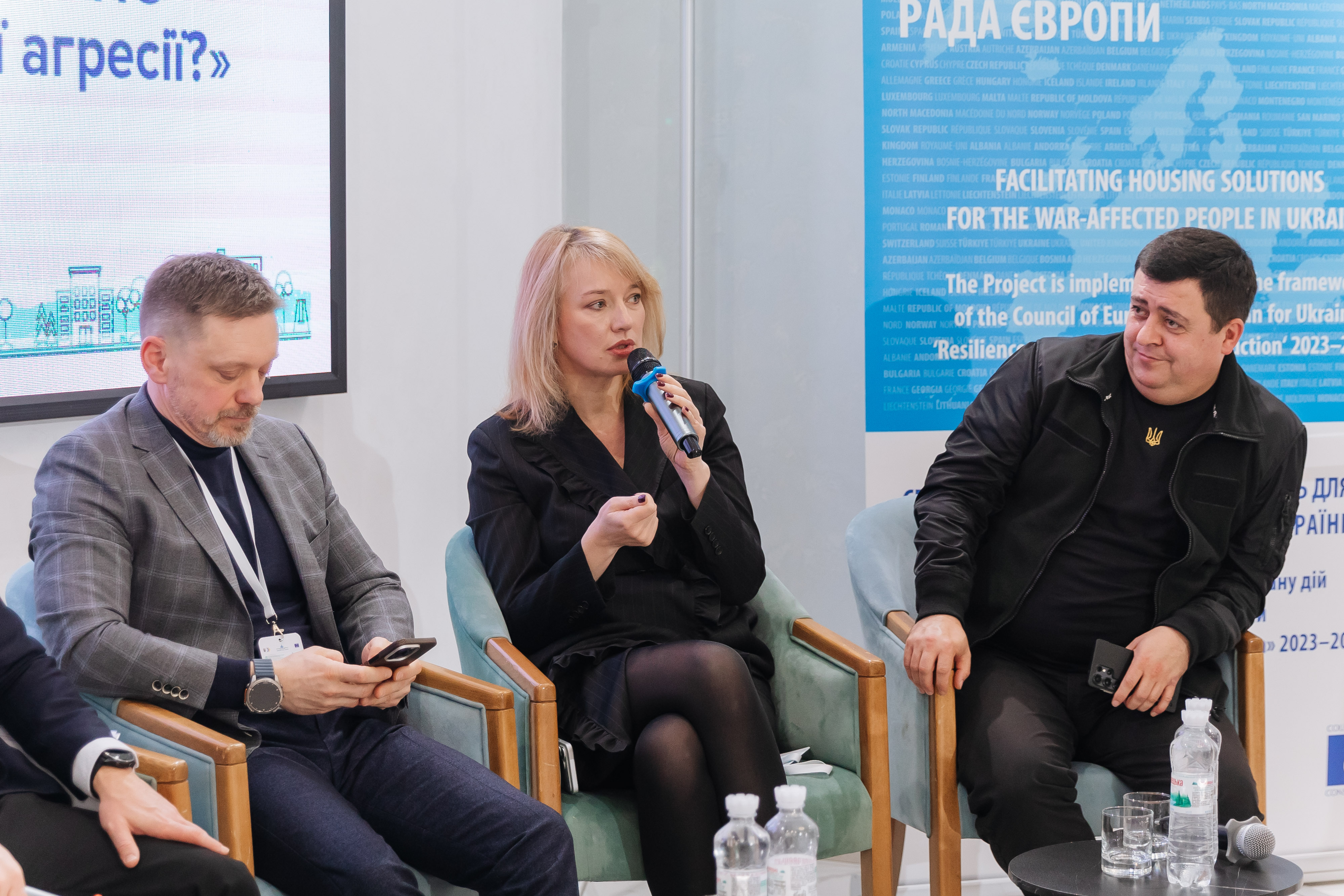
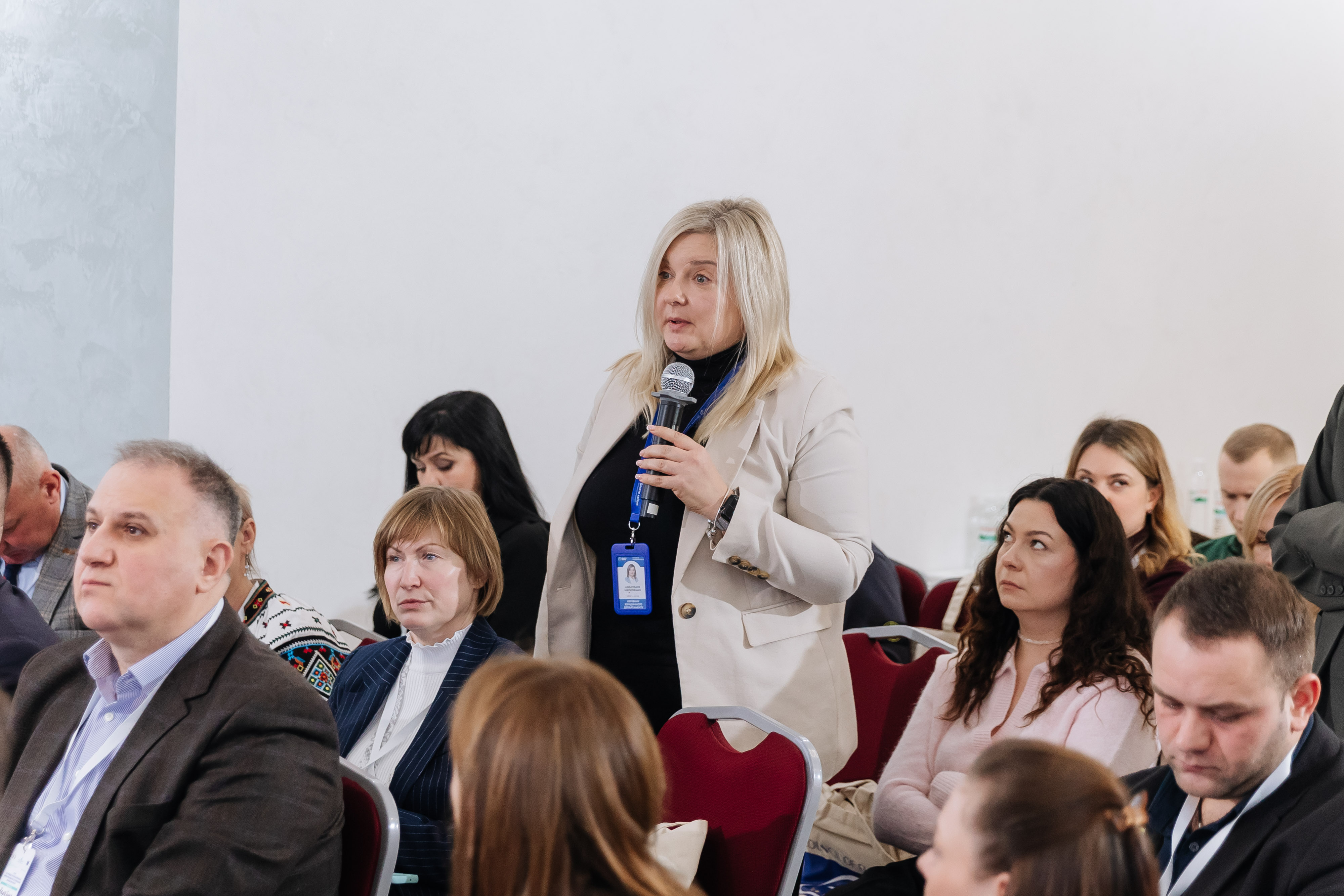
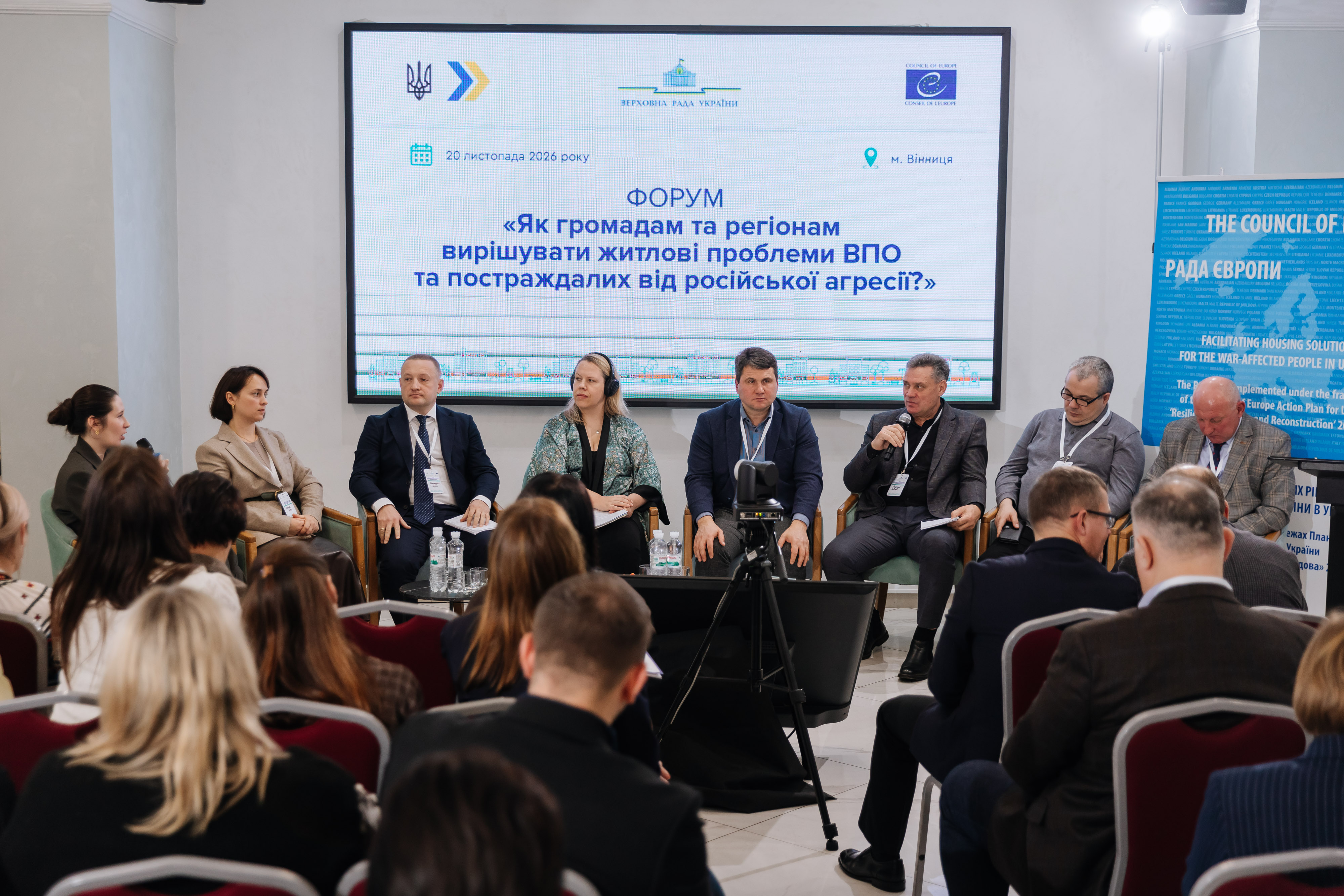
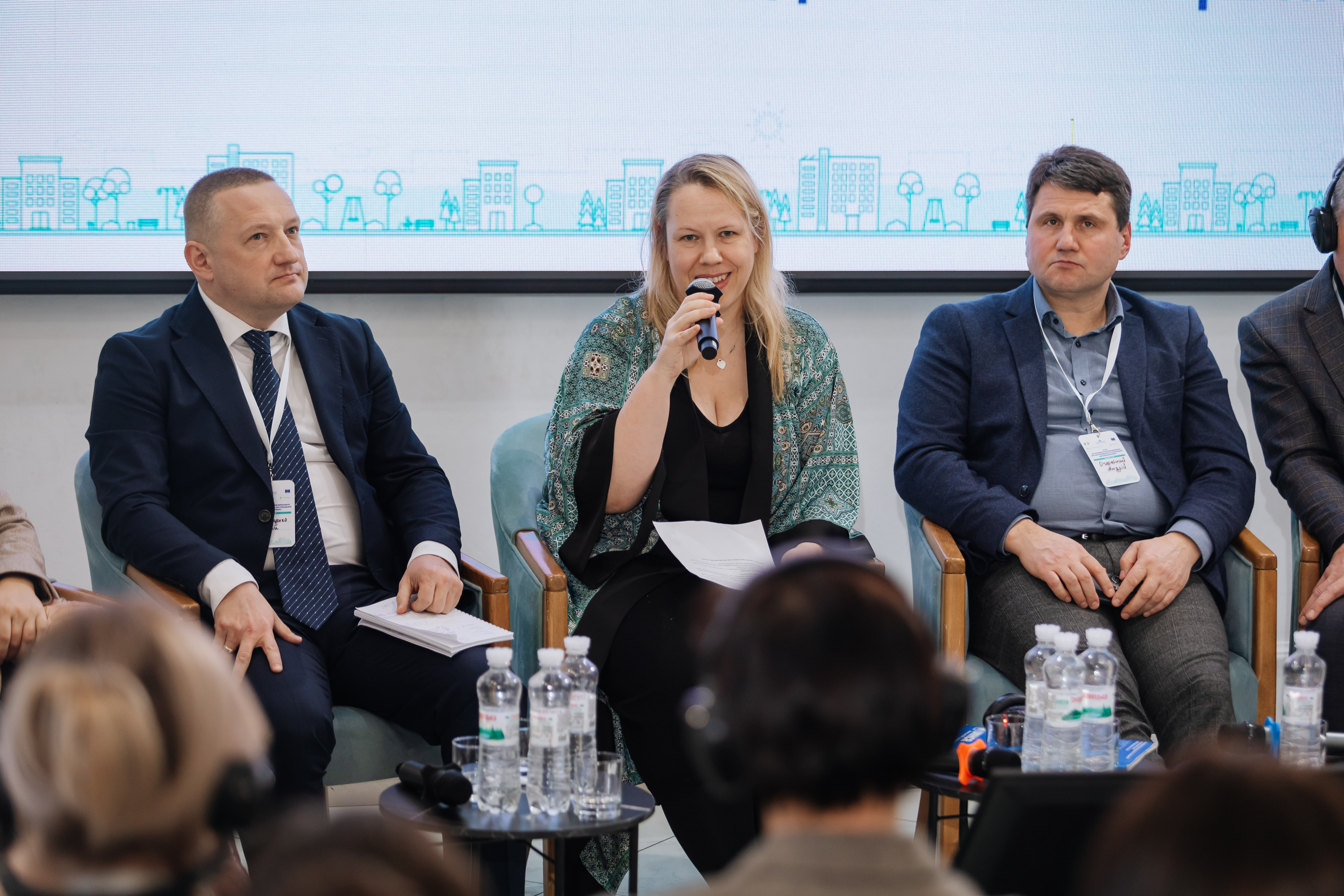
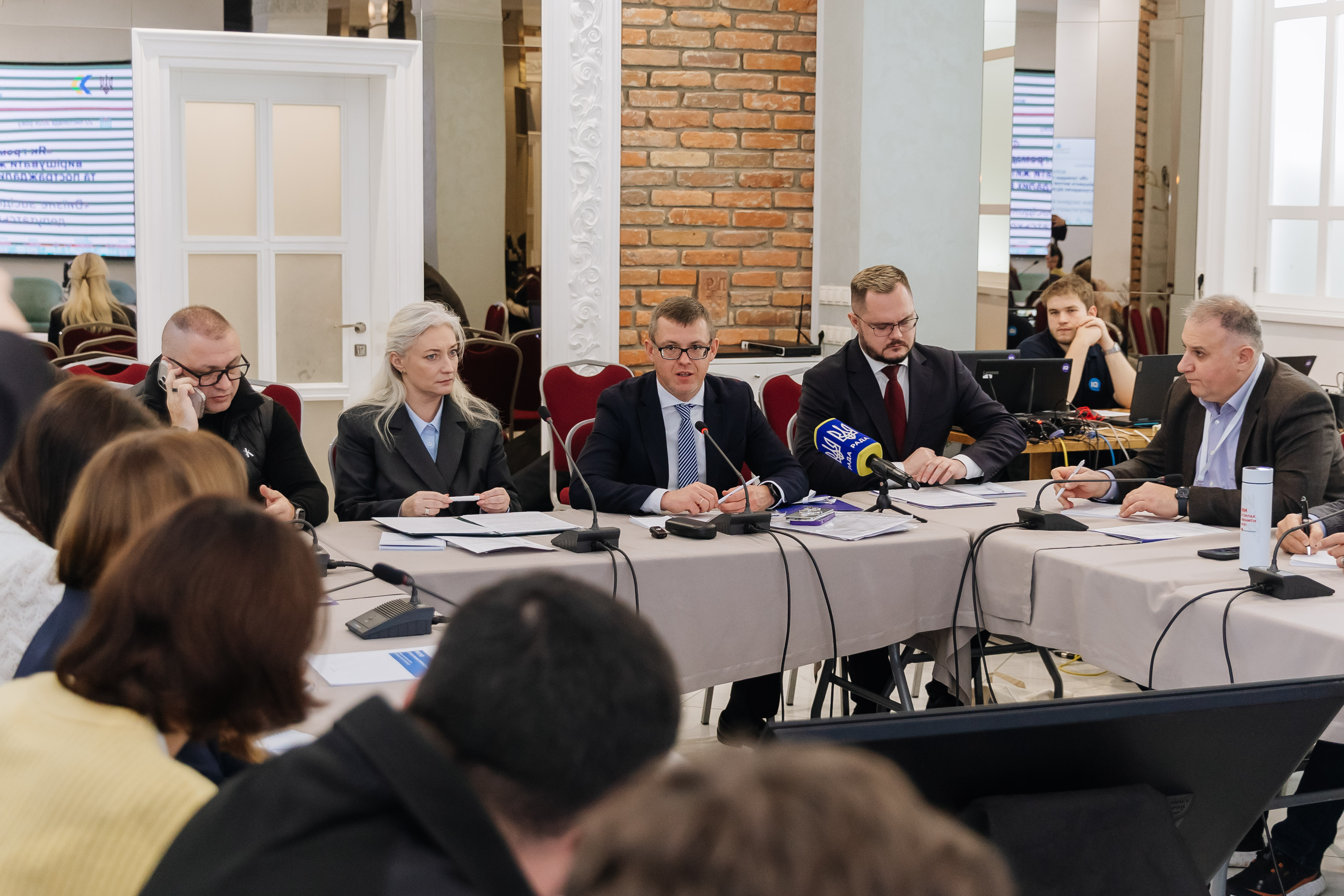
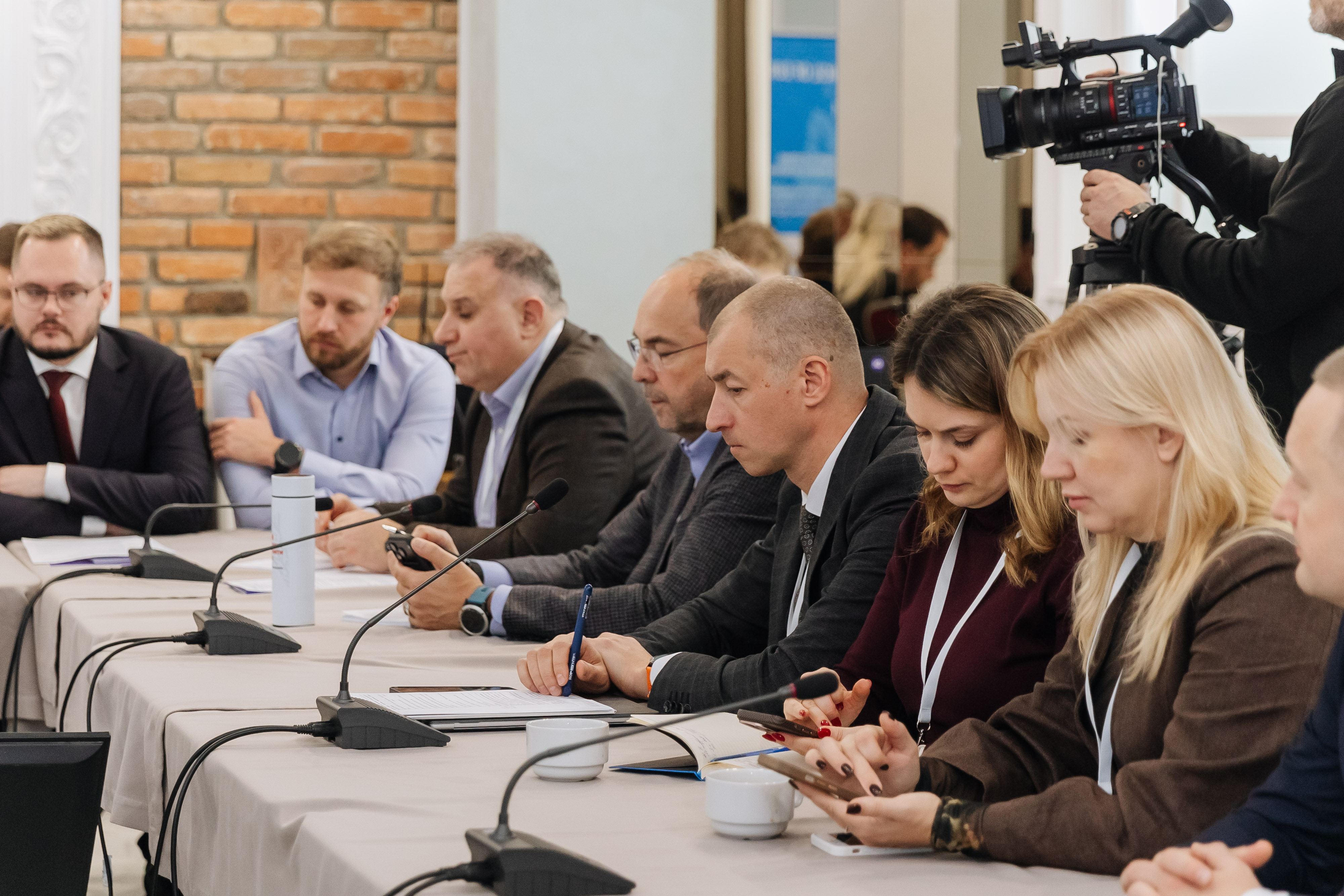
This was the central message of the forum “How Can Communities and Regions Address the Housing Needs of Internally Displaced Persons and People Affected by Russian Aggression?”, held in Vinnytsia on 20 November 2026. The event brought together members of parliament, government officials, representatives of local authorities, international organisations and civil society.
Discussions focused on state policies to protect the housing rights of internally displaced persons (IDPs), the implementation of relevant legislation, the role and responsibilities of local communities, resource mobilisation and the exchange of successful practices.
The scale of housing needs among IDPs remains significant. Pavlo Frolov, Member of the Ukrainian Parliament and Head of the Inter-factional Parliamentary Group “Protection of the Rights of Internally Displaced Persons and Others Affected by Russian Aggression”, noted that approximately 34,000 families had already benefited from housing certificates, while nearly three million people still needed housing solutions.
The issue is particularly pressing in Vinnytsia region, where IDPs account for approximately 10% of the population, reaching up to 20% in some communities. As displacement becomes protracted, housing needs increasingly require long-term solutions, alongside access to employment, infrastructure, public services and opportunities for integration into host communities.
Vitalii Bezghin, Minister for Communities, Territories and Internally Displaced Persons of Ukraine, emphasised that no single programme could address the scale of existing needs. He noted that the shortage of affordable housing was also hindering the evacuation of people from dangerous areas. Among the key priorities, he highlighted better coordination between national and local policies, more efficient use of available resources and further development of social housing legislation.
One promising instrument is the register of real estate properties available for the accommodation of IDPs, envisaged under Law No. 4080-IX “On amendments to certain laws of Ukraine on additional measures related to the provision of housing for internally displaced persons”. Even before the register became fully operational, a renovated social housing building comprising 70 apartments was opened in Odesa region on 13 November 2026. This example demonstrates the potential for scaling up housing solutions through the mechanisms established by the legislation.
Valentina Falco, Head of the Council of Europe Office in Ukraine, stressed that adequate housing helps people affected by the war regain their dignity, sense of security and confidence in the future:
“Housing is much more than just a roof over one's head. It is a matter of dignity, security and stability. It is a place where people can rebuild their lives and begin making plans for the future. For internally displaced persons and other Ukrainians affected by the war, access to adequate housing can make all the difference.”
Serhii Marushchenko, Senior Project Officer of the relevant Council of Europe project, underlined that investment in housing construction and reconstruction alone was not sufficient. He called for an integrated approach combining an effective legislative framework, capable institutions and people-centred support.“It is essential that people remain at the centre of all these decisions. During our monitoring visits in Vinnytsia region, we saw that even moving to better housing can be complicated by the risk of losing social support. It is therefore important to coordinate housing and social assistance programmes and ensure that people receive support throughout their transition from temporary accommodation to sustainable housing solutions and integration into their communities,” he noted.
The forum also included an off-site meeting of the Inter-factional Parliamentary Group “Protection of the Rights of Internally Displaced Persons and Others Affected by Russian Aggression”. Participants discussed the inventory of available housing facilities and the establishment of the relevant register, as well as the implementation of the eVidnovlennia and eOselia programmes, preferential housing loans and Vinnytsia region's experience in addressing the housing needs of IDPs.
The Council of Europe Project “Facilitating housing solutions for the war-affected people in Ukraine. Phase II” is implemented within the framework of the Council of Europe Action Plan for Ukraine “Resilience, Recovery and Reconstruction” 2023–2026.