European Prison Rules establish the principle of equivalence of care: persons deprived of their liberty should have access to healthcare of at least the same standard as that available in the community. This also applies to harm reduction services, which must be accessible, of good quality, voluntary, confidential and free from discrimination and stigma.
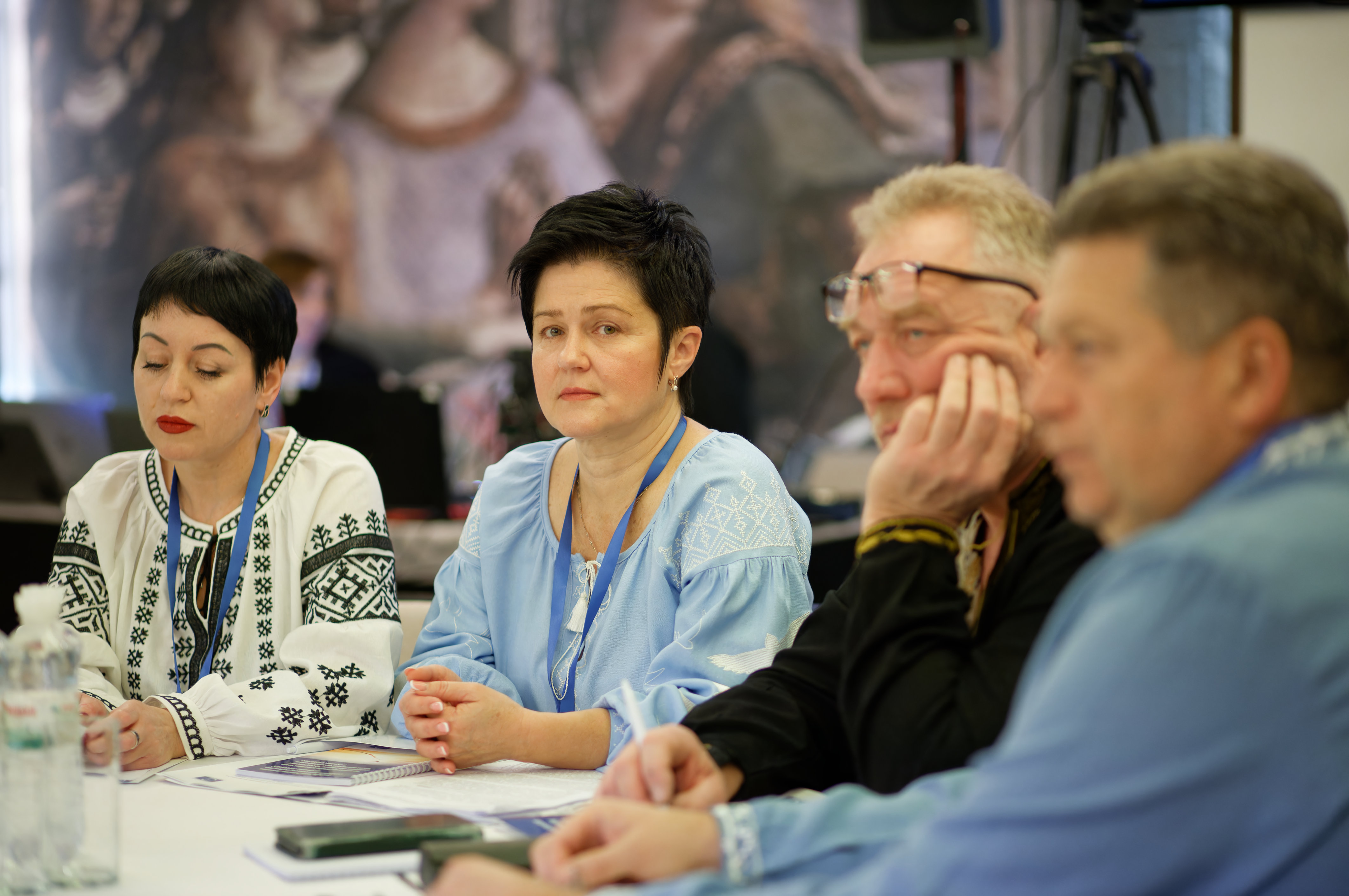
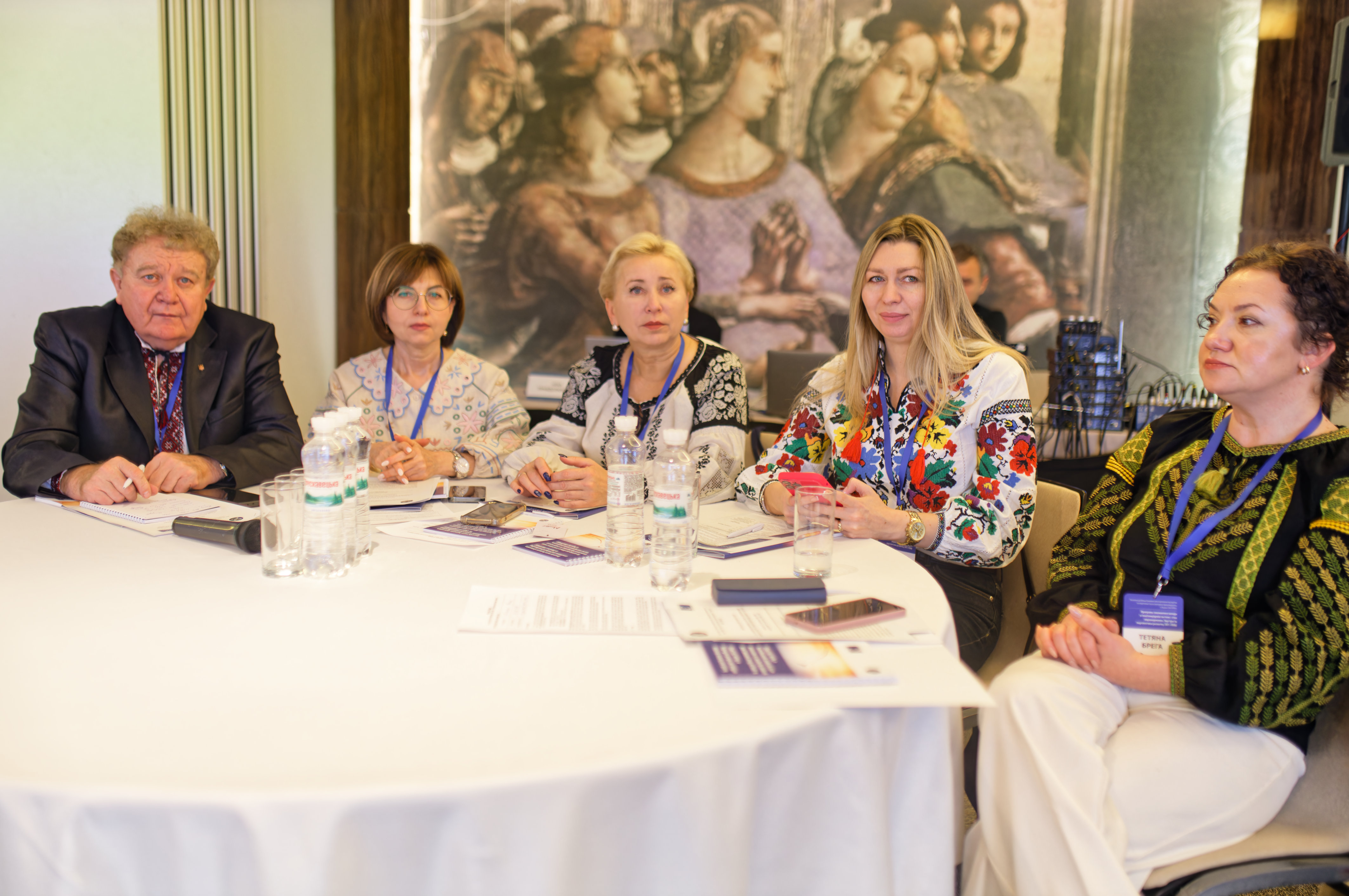
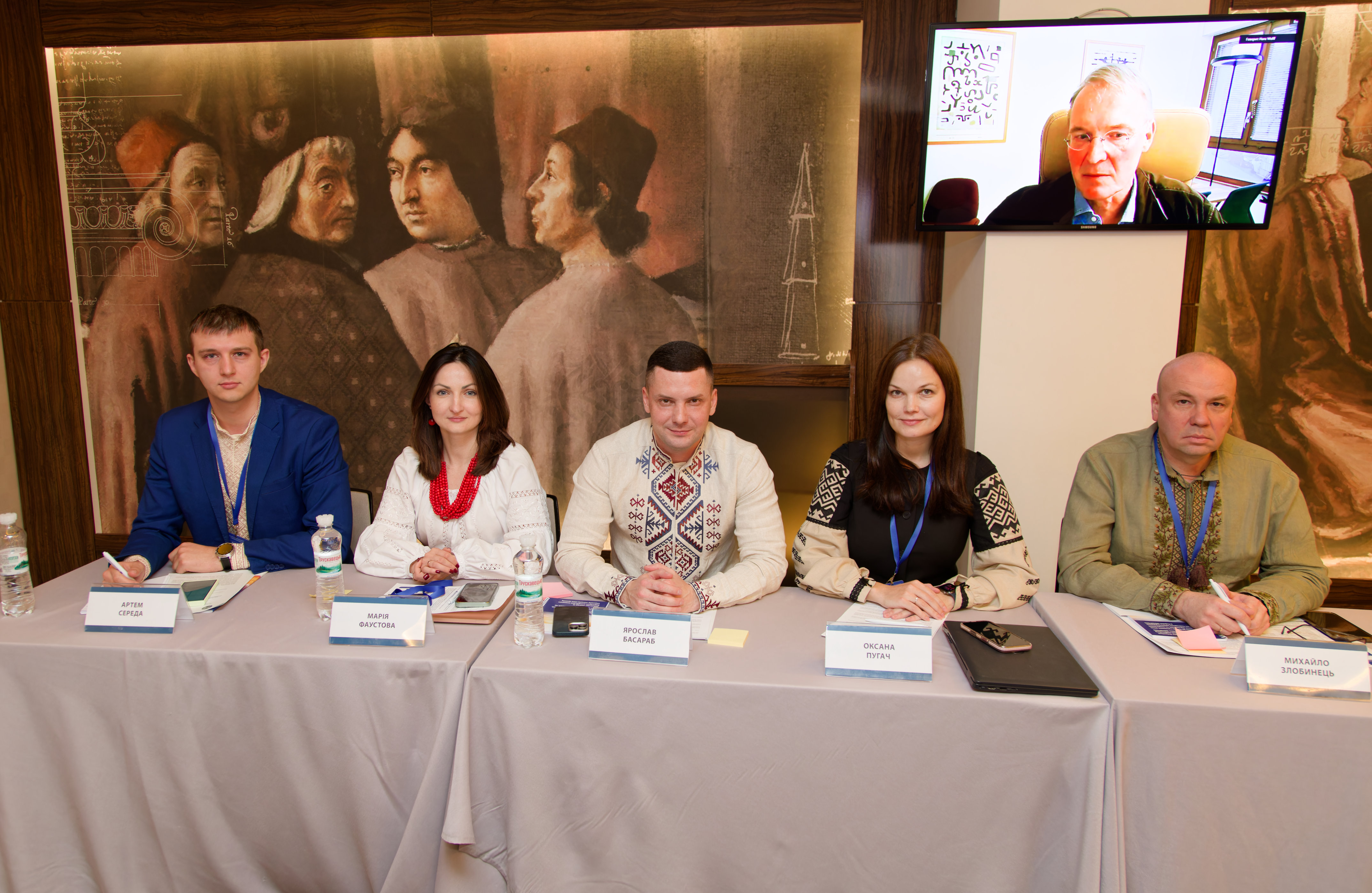
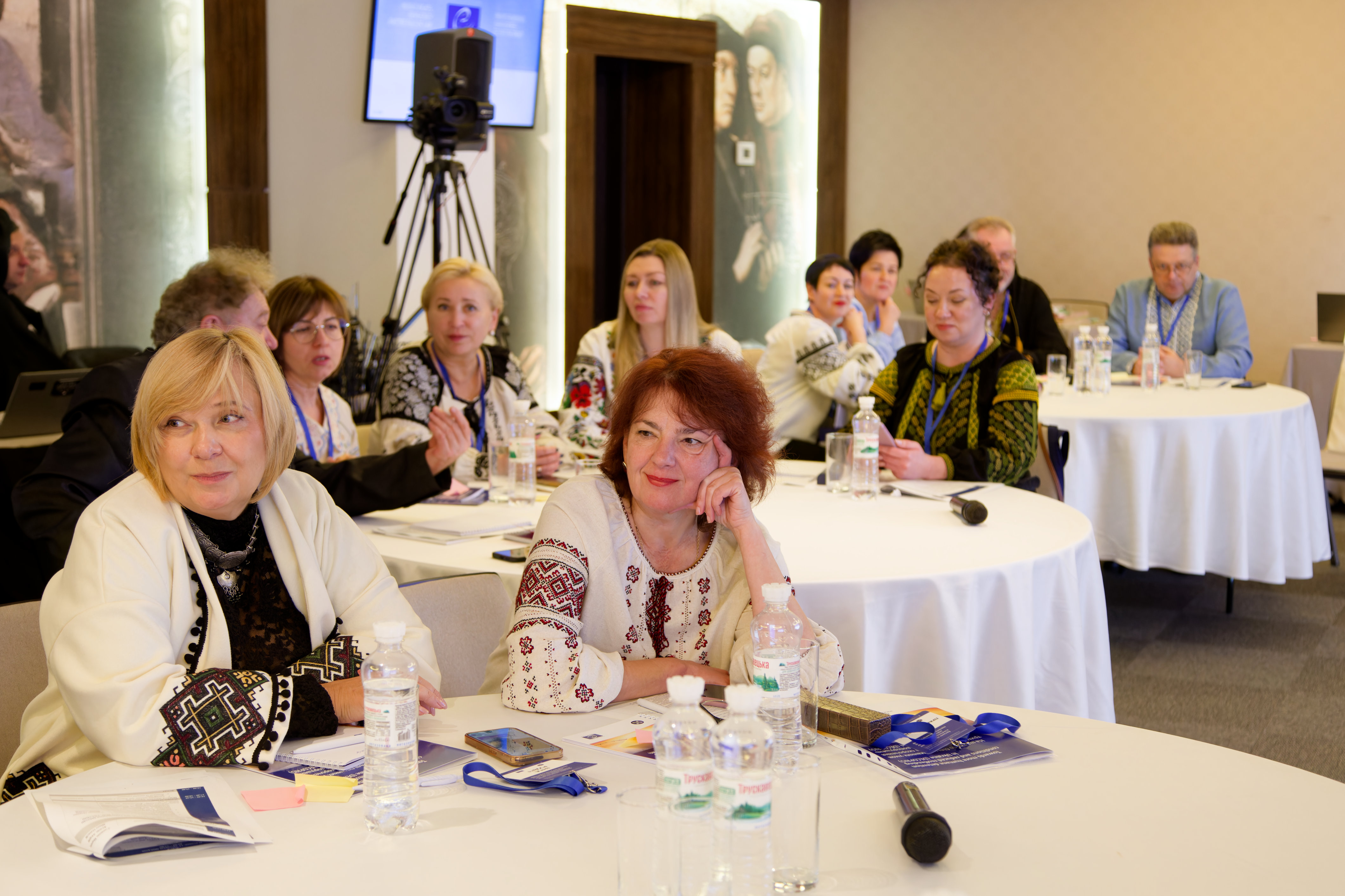
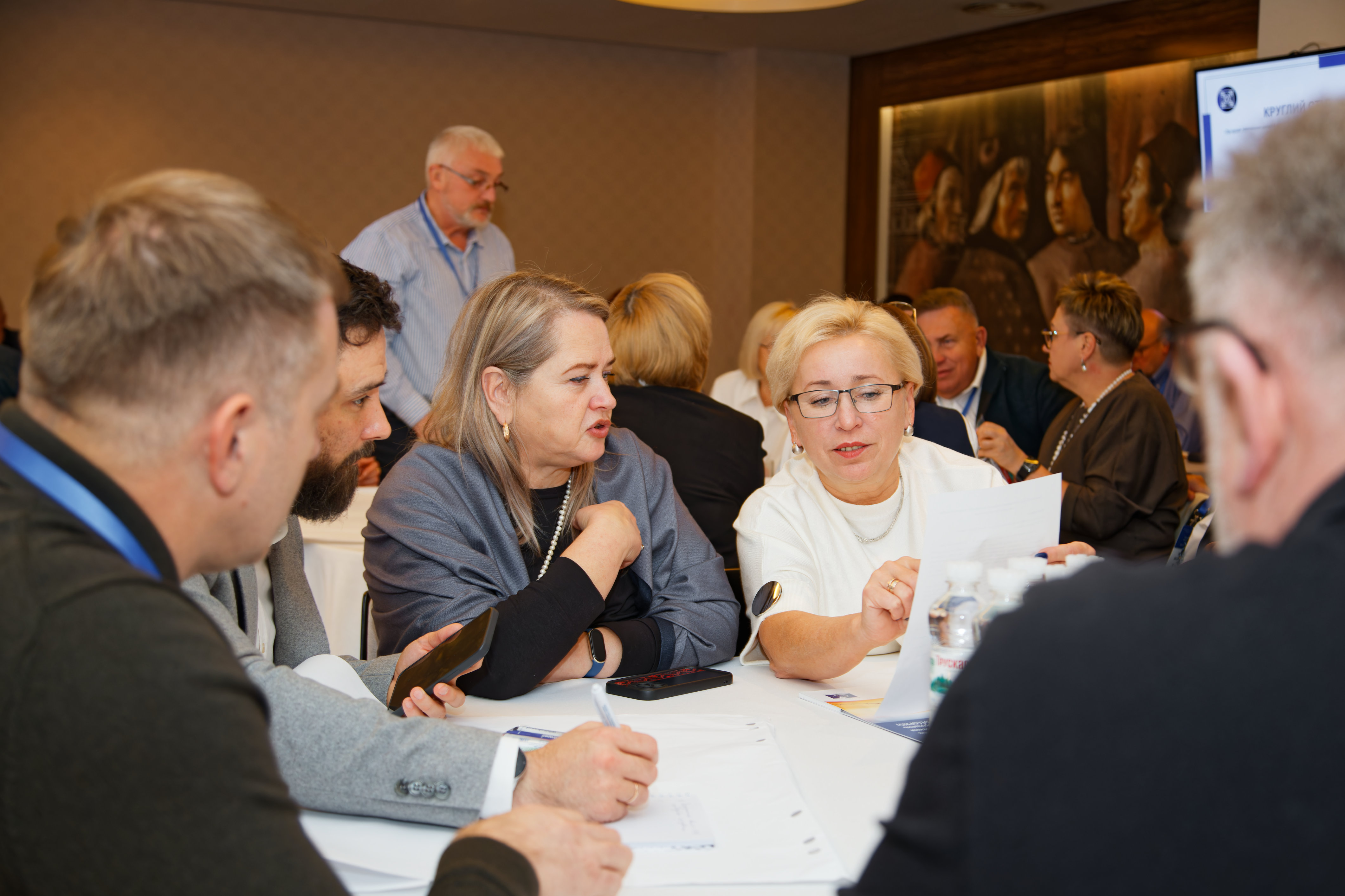
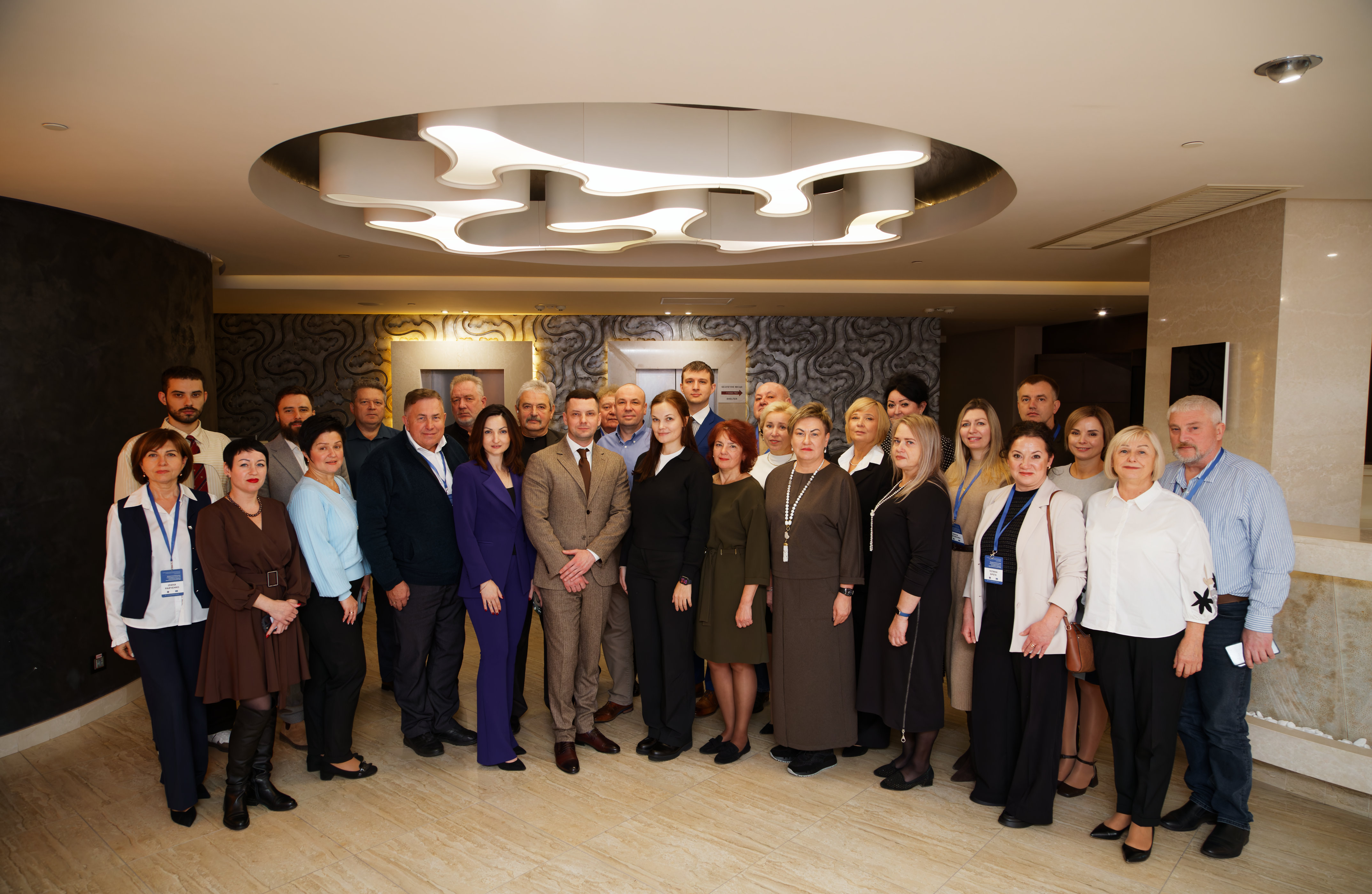
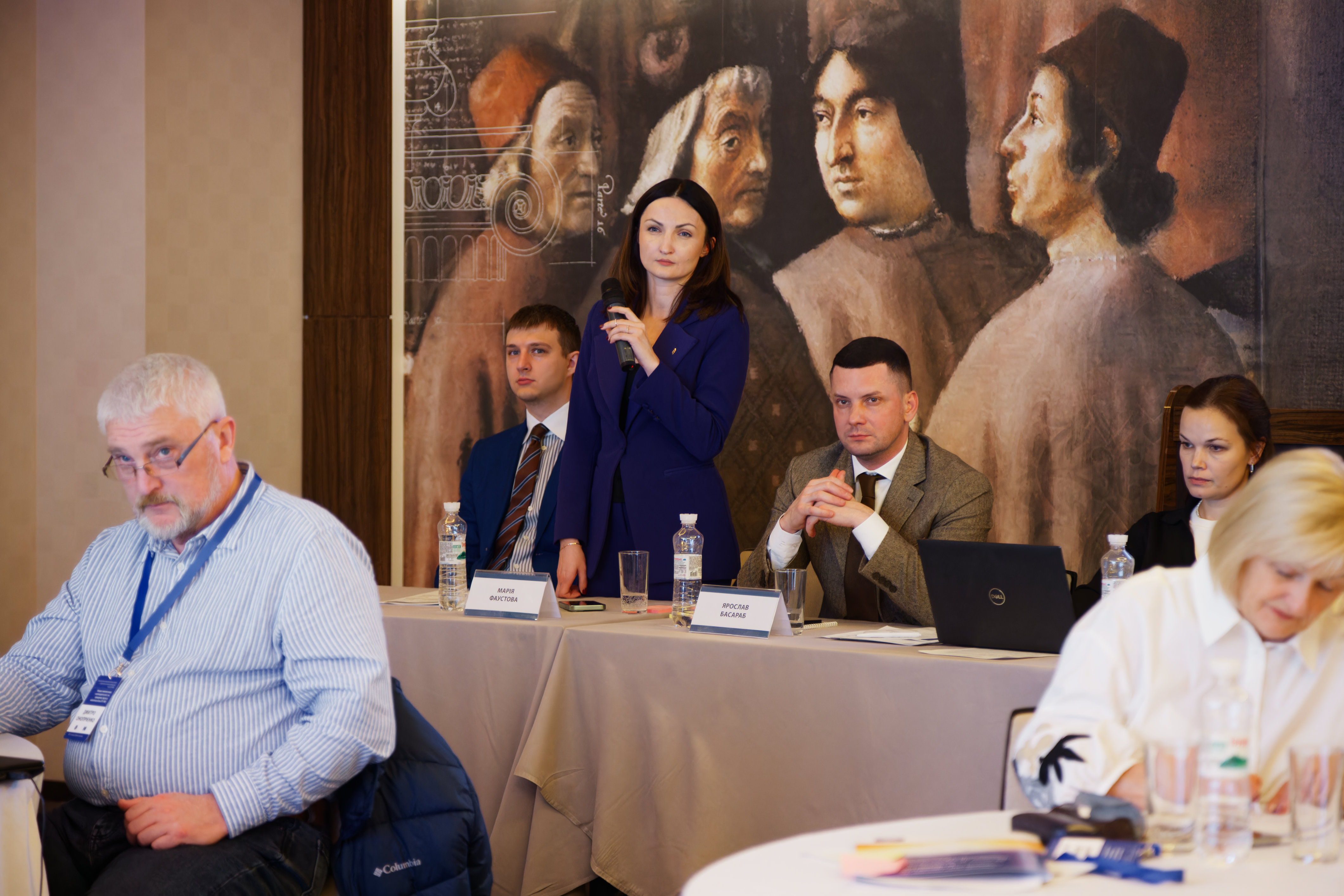
Against this background, the Council of Europe and the Healthcare Centre of the State Criminal-Executive Service of Ukraine jointly organised a hybrid round table in Truskavets on 11–13 November 2026. Bringing together heads of the Healthcare Centre’s regional branches and central administration units, the event focused on addressing barriers to the implementation of opioid agonist treatment (OAT) and needle and syringe programmes (NSPs) and applying international standards to improve access to quality healthcare in penitentiary system.
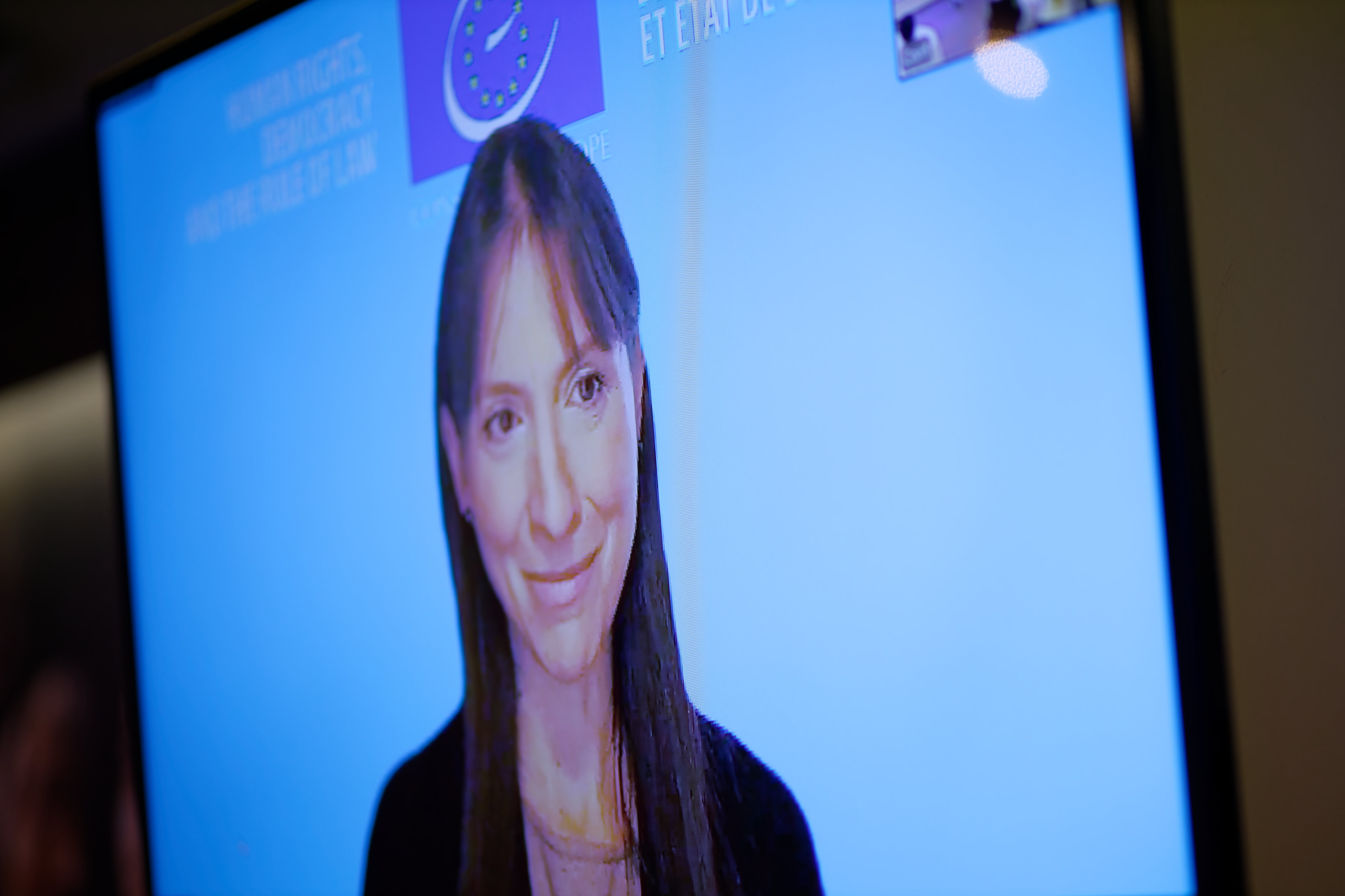
Valentina Falco, Head of the Council of Europe Office in Ukraine, emphasised: “Deprivation of liberty does not mean deprivation of the right to healthcare. Substance use disorders require a health response. OAT and NSP programmes are complementary elements of comprehensive care. Together with psychosocial support, overdose prevention and services addressing HIV, tuberculosis and viral hepatitis, they help protect health and support rehabilitation and social reintegration.”
Yaroslav Basarab, Director of the Health Centre, highlighted the importance of comprehensive, evidence-based approaches to treatment, harm reduction, rehabilitation and social reintegration. He stressed that ensuring access to appropriate healthcare during imprisonment and continuity of care after release is a shared public health responsibility.
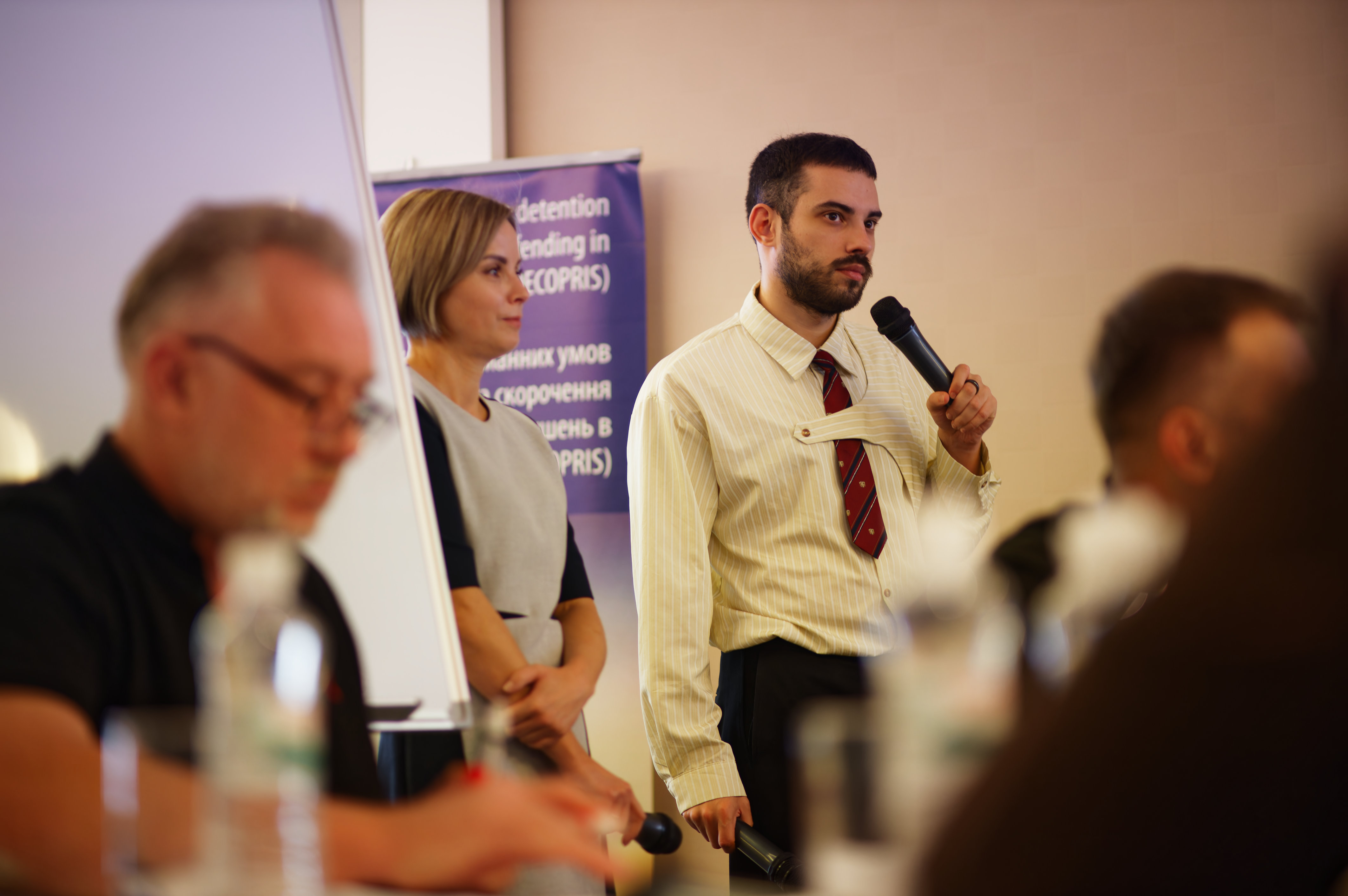
International expertise informed discussions on translating these principles into practice. The Council of Europe consultants from the United Kingdom and Switzerland presented international standards and practical models for delivering harm reduction programmes in prisons. They also examined how informal prison hierarchies affect access to healthcare, with particular attention to medical confidentiality and the role of multidisciplinary teams in protecting patients’ rights.
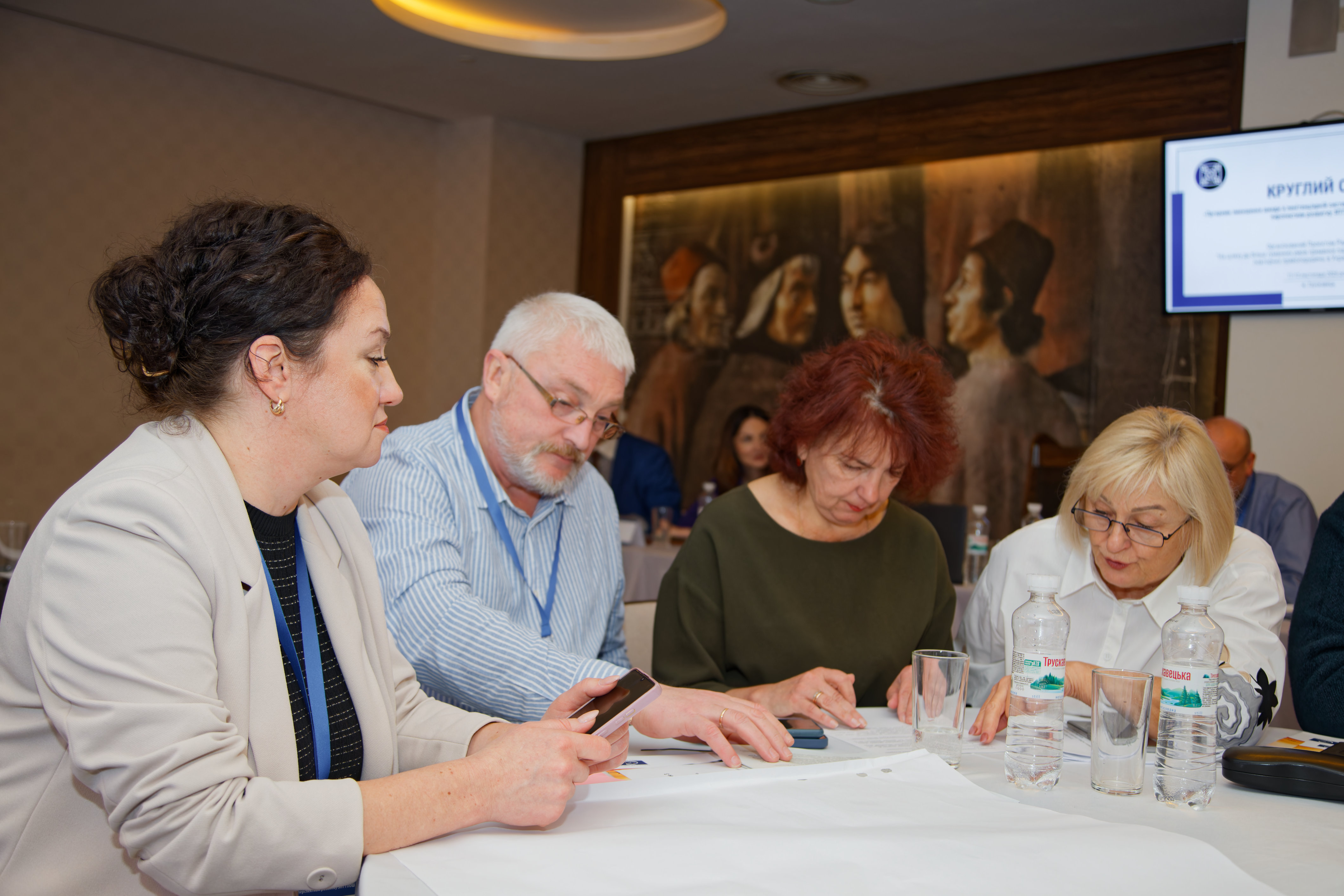
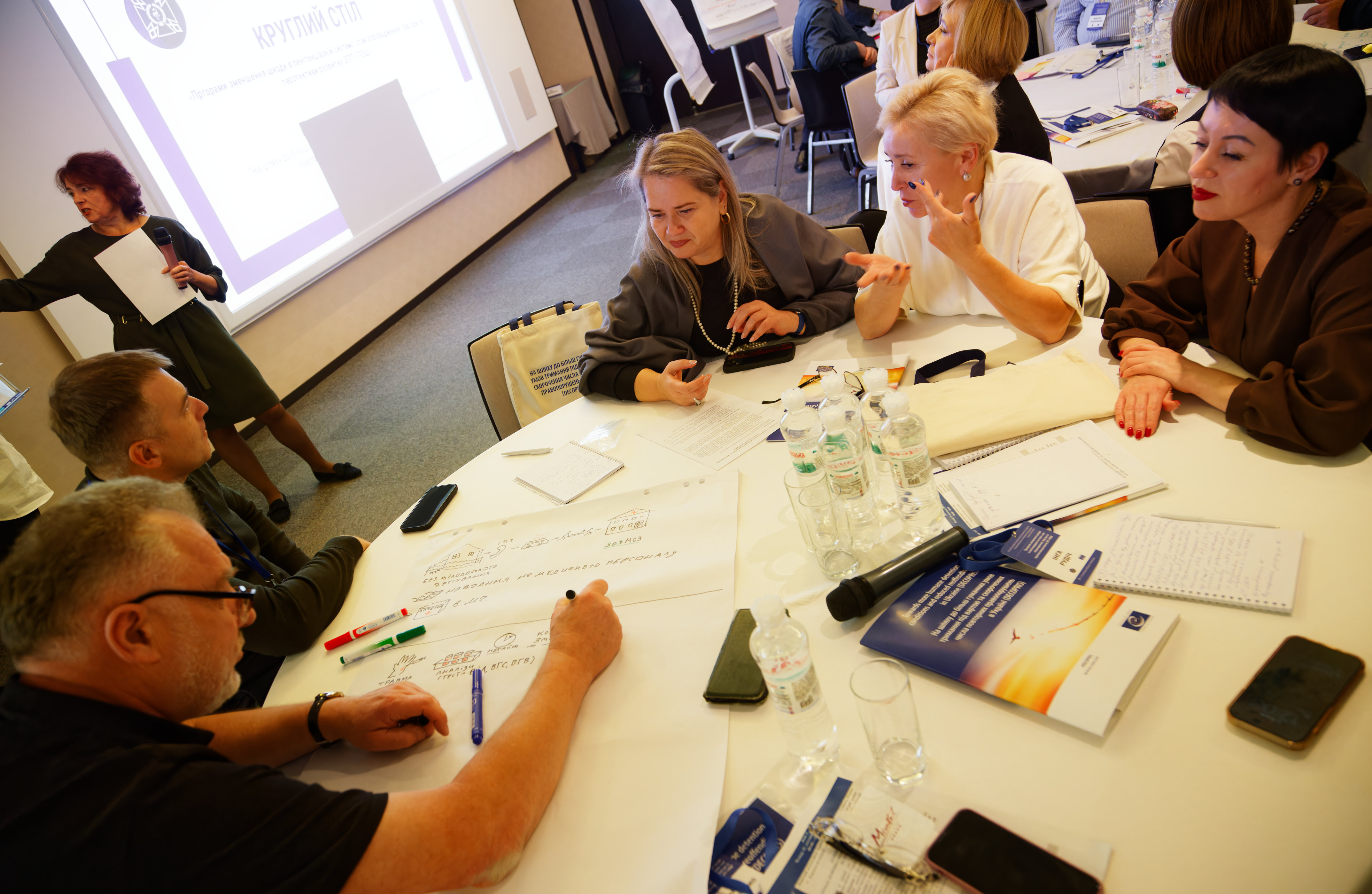
Through practical group work, participants examined how to organise OAT and NSP services at regional level and integrate them with HIV, tuberculosis and viral hepatitis prevention and treatment. Discussions highlighted the central role of regional healthcare managers in coordinating with prison administrations, community healthcare providers and civil society to ensure continuity of care.
The round table provided a platform to exchange experience, address operational challenges and develop priorities for harm reduction programmes in 2027, with a focus on protecting the health and dignity of people deprived of their liberty.
The activity was organised within the framework of the Council of Europe project “Towards More Humane Conditions of Detention and Reduced Reoffending in Ukraine” (DECOPRIS)” which is implemented within the Council of Europe Action Plan for Ukraine “Resilience, Recovery and Reconstruction” (2023–2026).