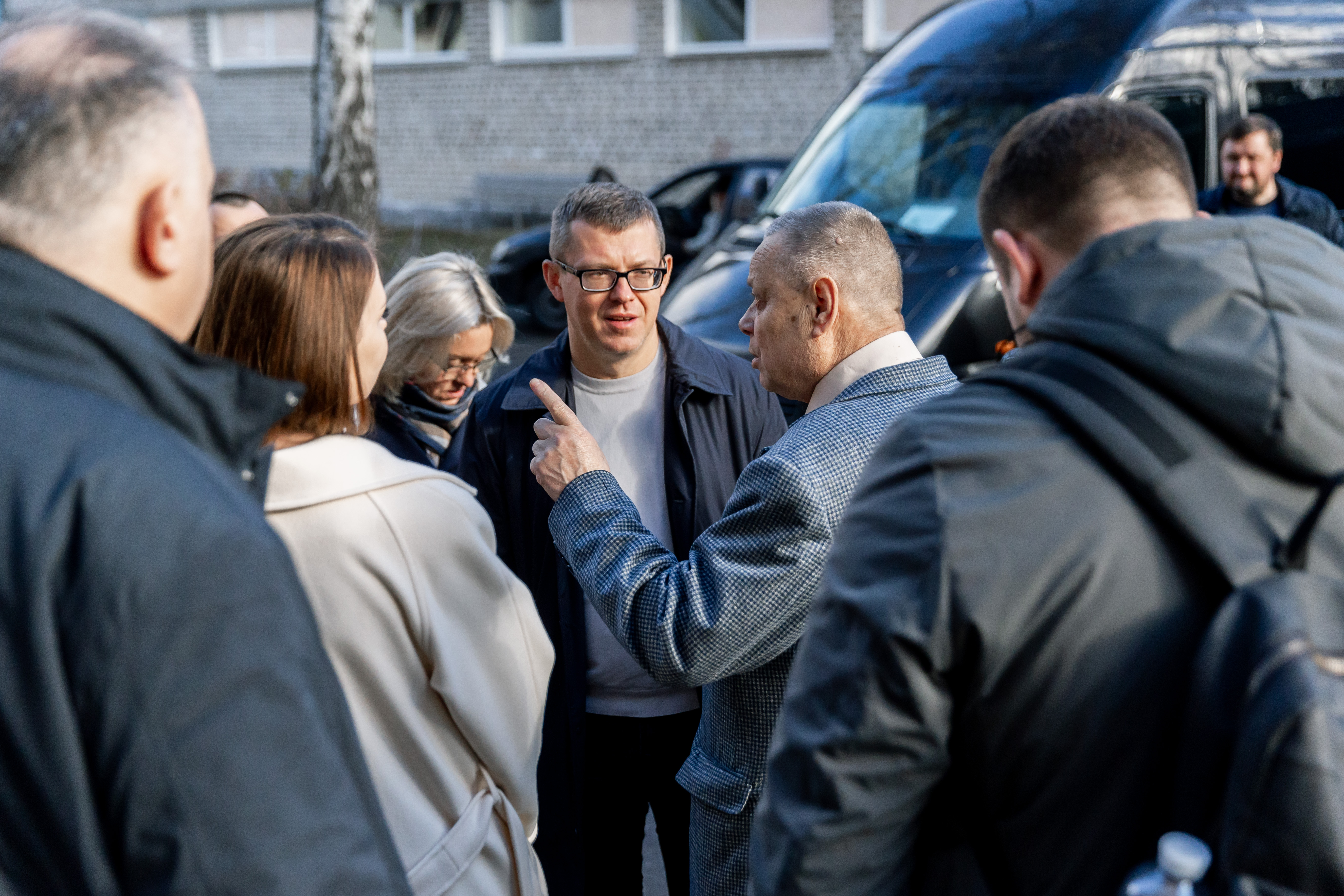
On 19 November 2026, representatives of the Inter-Factional Parliamentary Association “Protection of the Rights of IDPs and Other Persons Affected by Russian Aggression”, national and local authorities, the Council of Europe and international partners visited accommodation sites for internally displaced persons (IDPs) in Vinnytsia region.
The visits aimed to assess the living conditions of IDPs, examine housing solutions implemented by local communities and hear directly from residents about the challenges they face. Particular attention was paid to the accessibility of state support programmes and the barriers that prevent people from benefiting from available housing opportunities.
Throughout the day, participants visited three housing facilities in the Koziatyn and Stryzhavka territorial communities and the city of Vinnytsia, gaining insights into both the challenges of temporary accommodation and practical examples of social housing development.
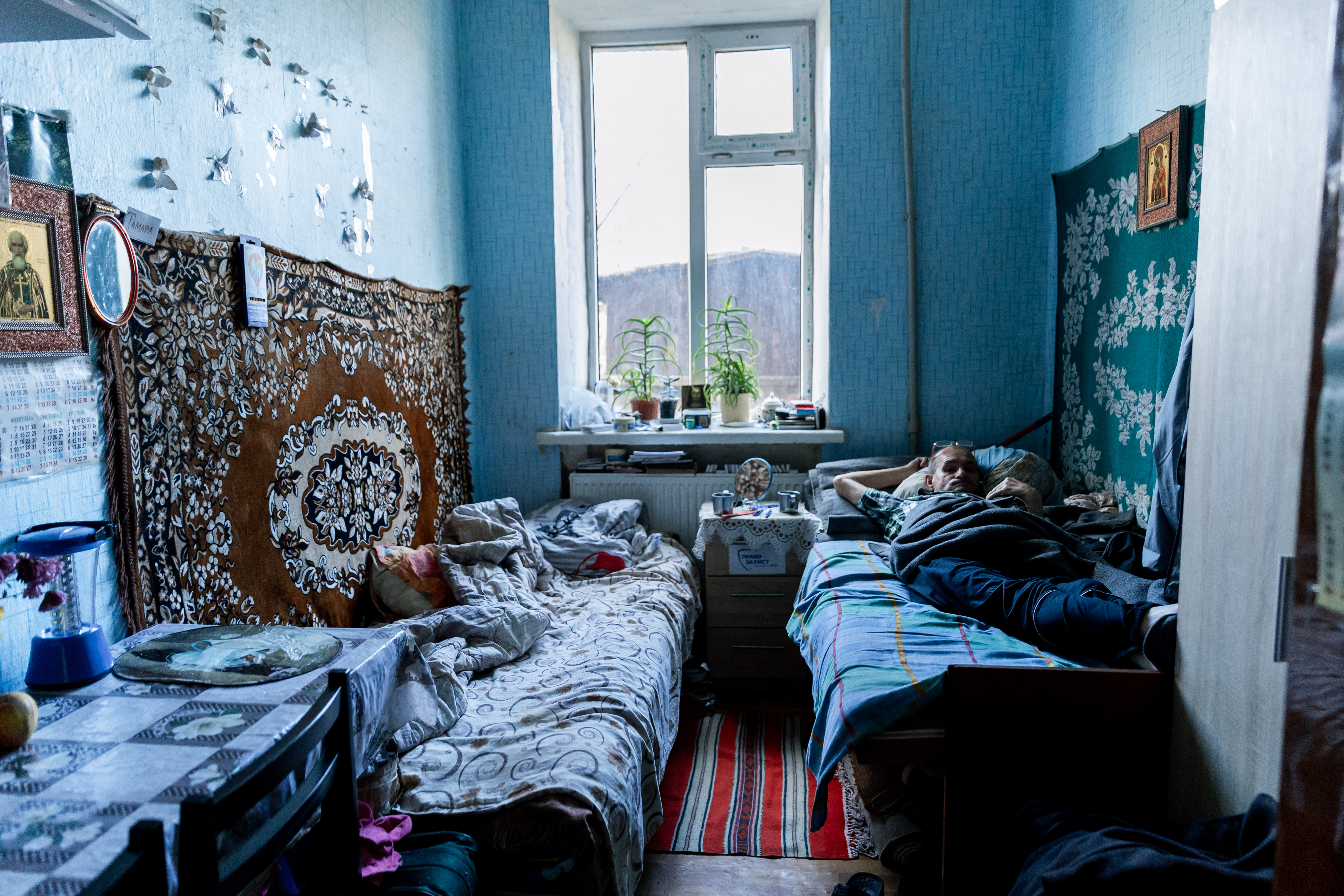
In the Koziatyn urban territorial community, participants visited a temporary accommodation site established on the premises of the Koziatyn Interregional Higher Vocational School of Railway Transport. During discussions, residents highlighted their most pressing concerns, including limited living space, which in many cases falls below the minimum standard of 6 m² per person, windows damaged by Russian attacks and inadequate heating. At the same time, the visit revealed that even when alternative housing options are available, people may face significant barriers to relocating.
For example, a family of five living in a small room was reluctant to move to more spacious accommodation due to the risk of losing state living allowances. This case illustrates how closely housing solutions and social support mechanisms are interconnected, and why the formal availability of housing does not necessarily translate into genuine accessibility.
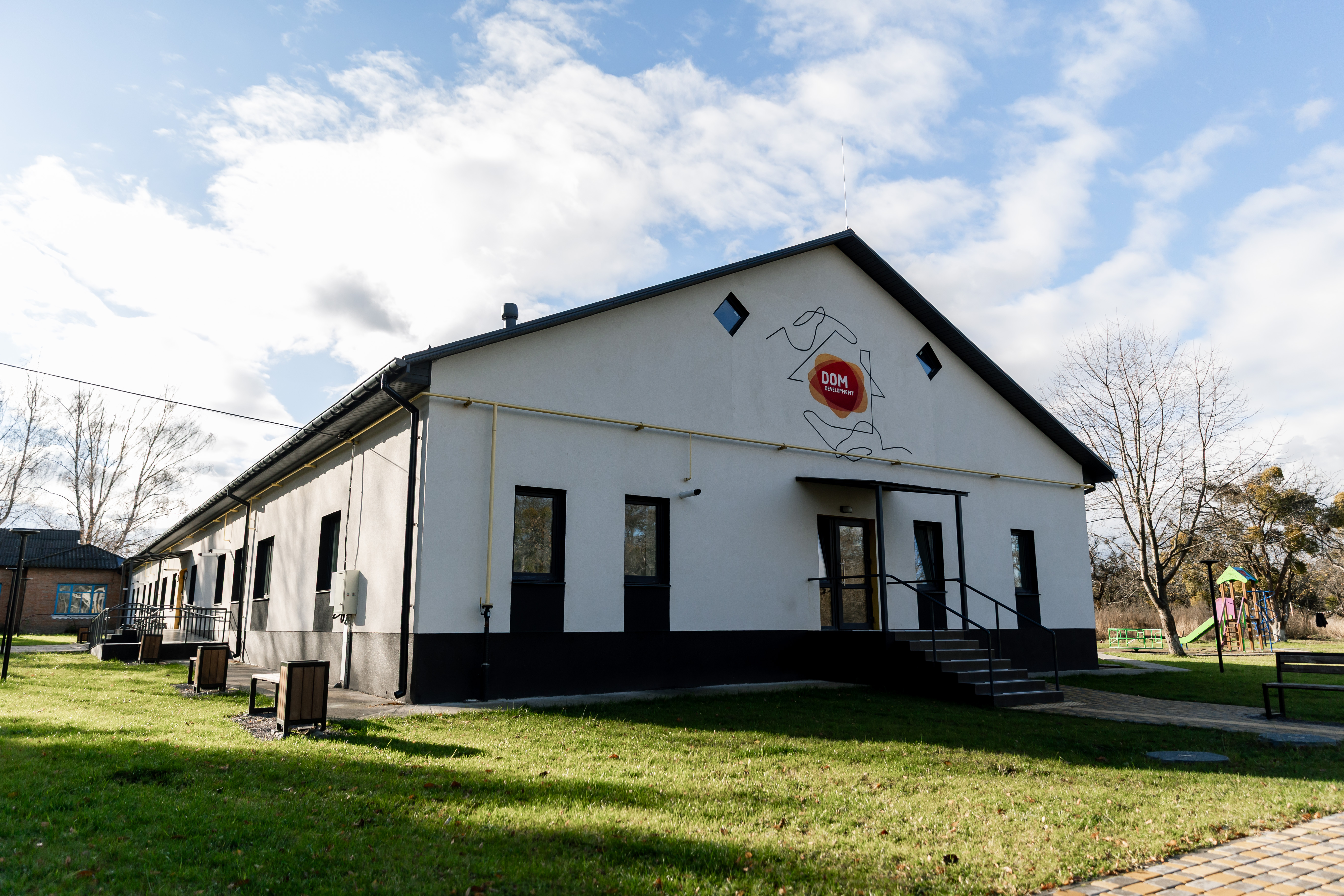
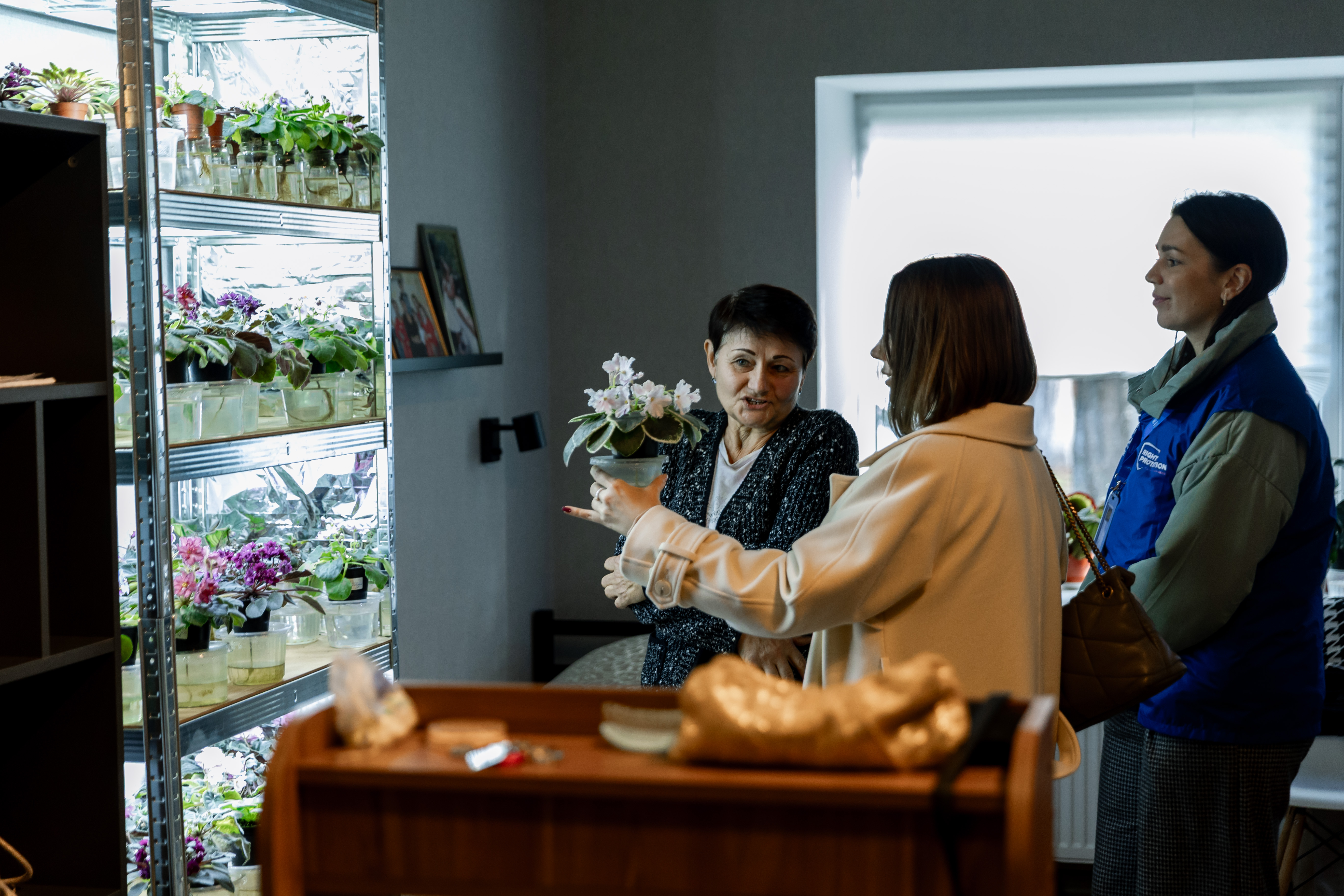
A different approach to addressing the housing needs of IDPs was observed in the Stryzhavka settlement territorial community. In the village of Miziakivski Khutory, participants visited social housing developed through co-operation between the settlement council, the charitable foundation “Housing for IDPs” and international donors, including the Polish Nasz Dom Foundation associated with Dom Development. Adequate living conditions and positive feedback from residents demonstrated the practical results of this partnership. This example highlighted how pooling resources and efforts among local authorities, civil society and international partners can contribute to the development of quality housing solutions.
In Vinnytsia, participants visited a temporary accommodation site at the Vinnytsia Vocational College of Digital Technologies and Entrepreneurship, where they met with residents and representatives of the IDP Council. The meeting provided another opportunity to hear first-hand about people's housing needs and their experiences of living in prolonged displacement.
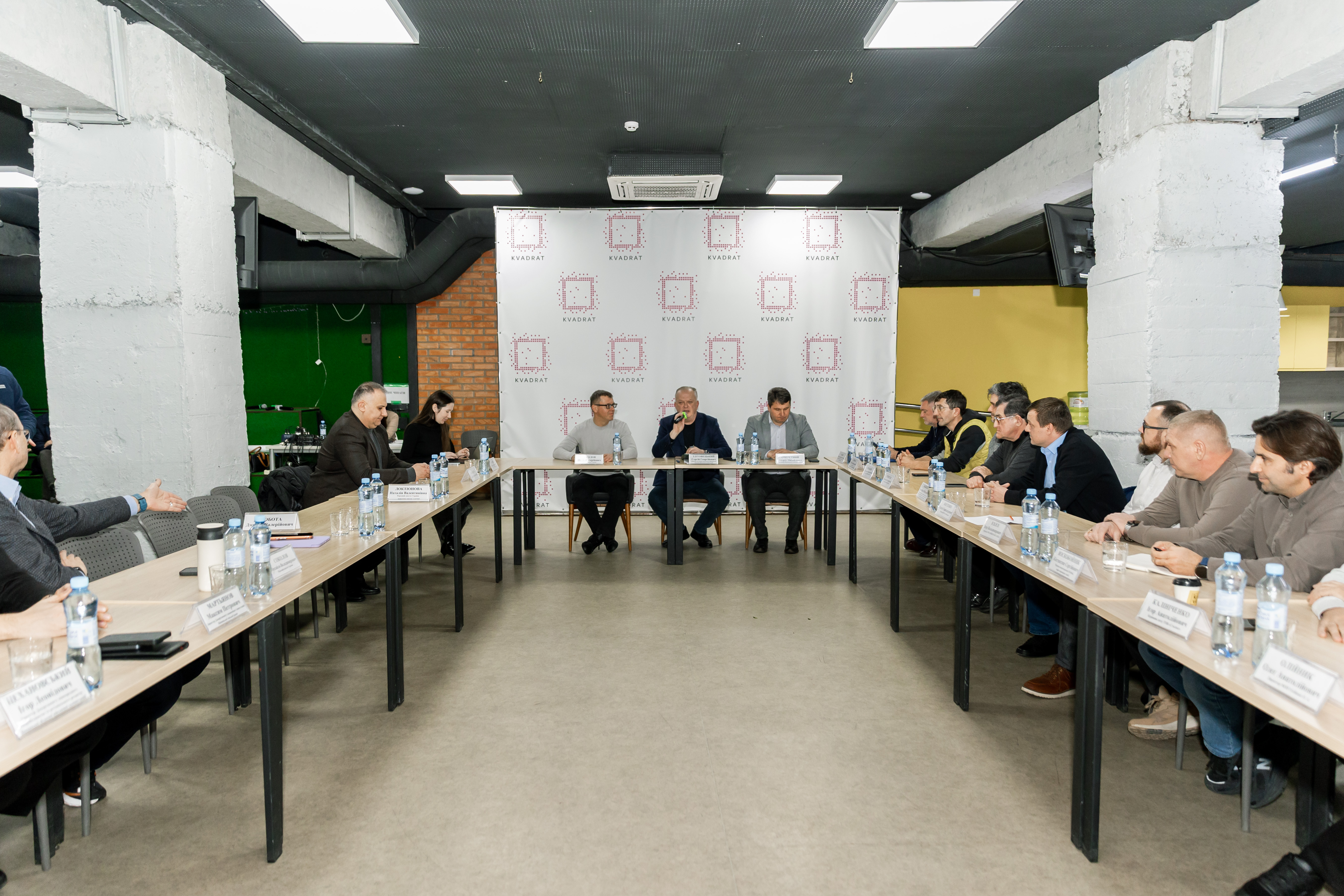
The programme concluded with a meeting with representatives of relocated businesses, providing an opportunity to consider housing challenges in the broader context of IDPs' economic integration and the development of host communities. Access to employment, a stable income and adequate housing are closely interconnected prerequisites for long-term integration.
The working visits highlighted different dimensions of the housing needs of war-affected people, ranging from improving conditions in temporary accommodation sites to developing social housing and better aligning housing programmes with financial support mechanisms. At the same time, the experience of the Stryzhavka community demonstrated the potential of local partnerships to deliver practical housing solutions.
The working visits took place as part of activities organised by the Inter-Factional Parliamentary Association “Protection of the Rights of IDPs and Other Persons Affected by Russian Aggression”, with the support of the Council of Europe Project “Facilitating housing solutions for the war-affected people in Ukraine. Phase II”, implemented within the framework of the Council of Europe Action Plan for Ukraine “Resilience, Recovery and Reconstruction” 2023–2026.





.jpg/77f72e8a-f842-6b24-1783-8abead0acf38?version=1.0)