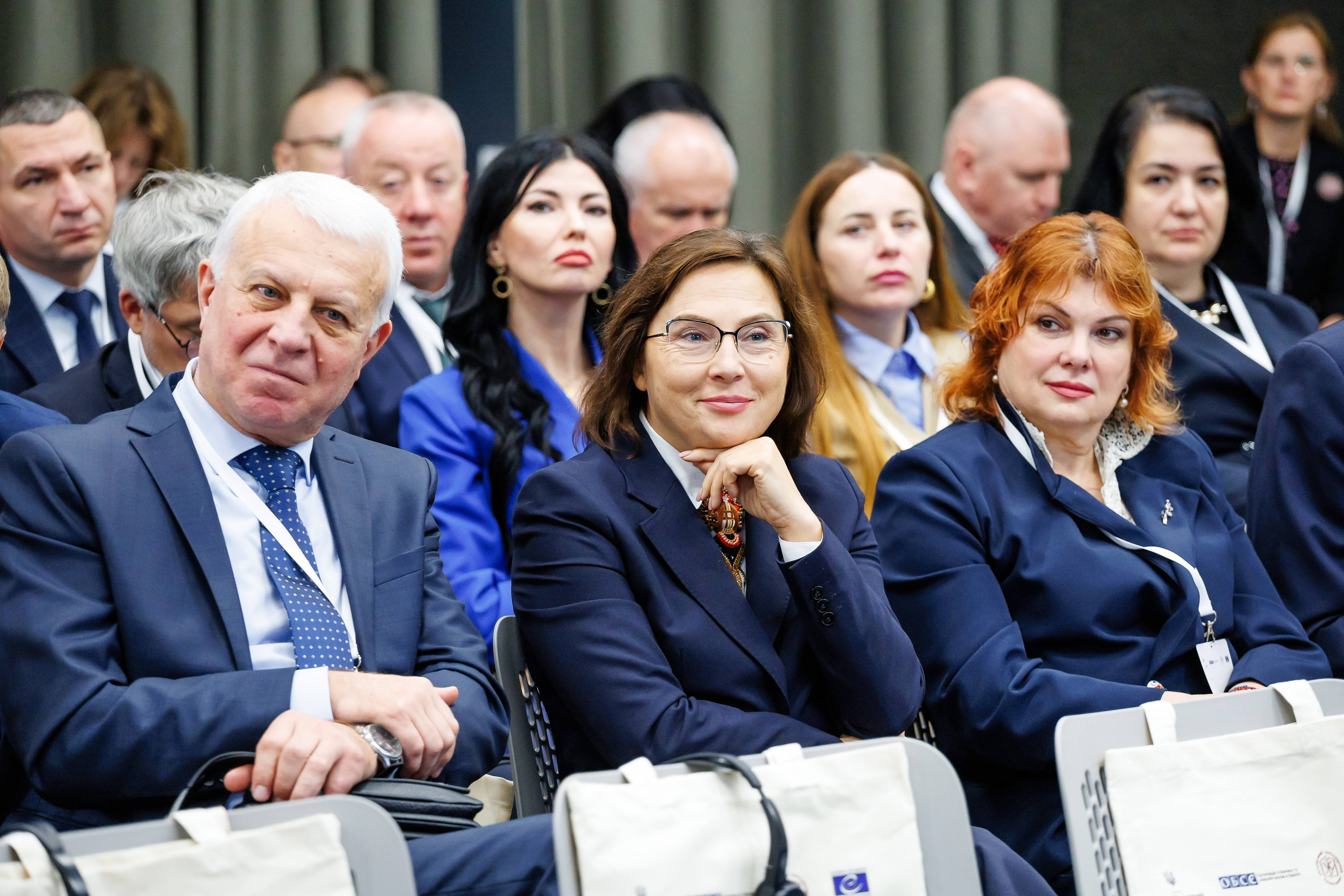
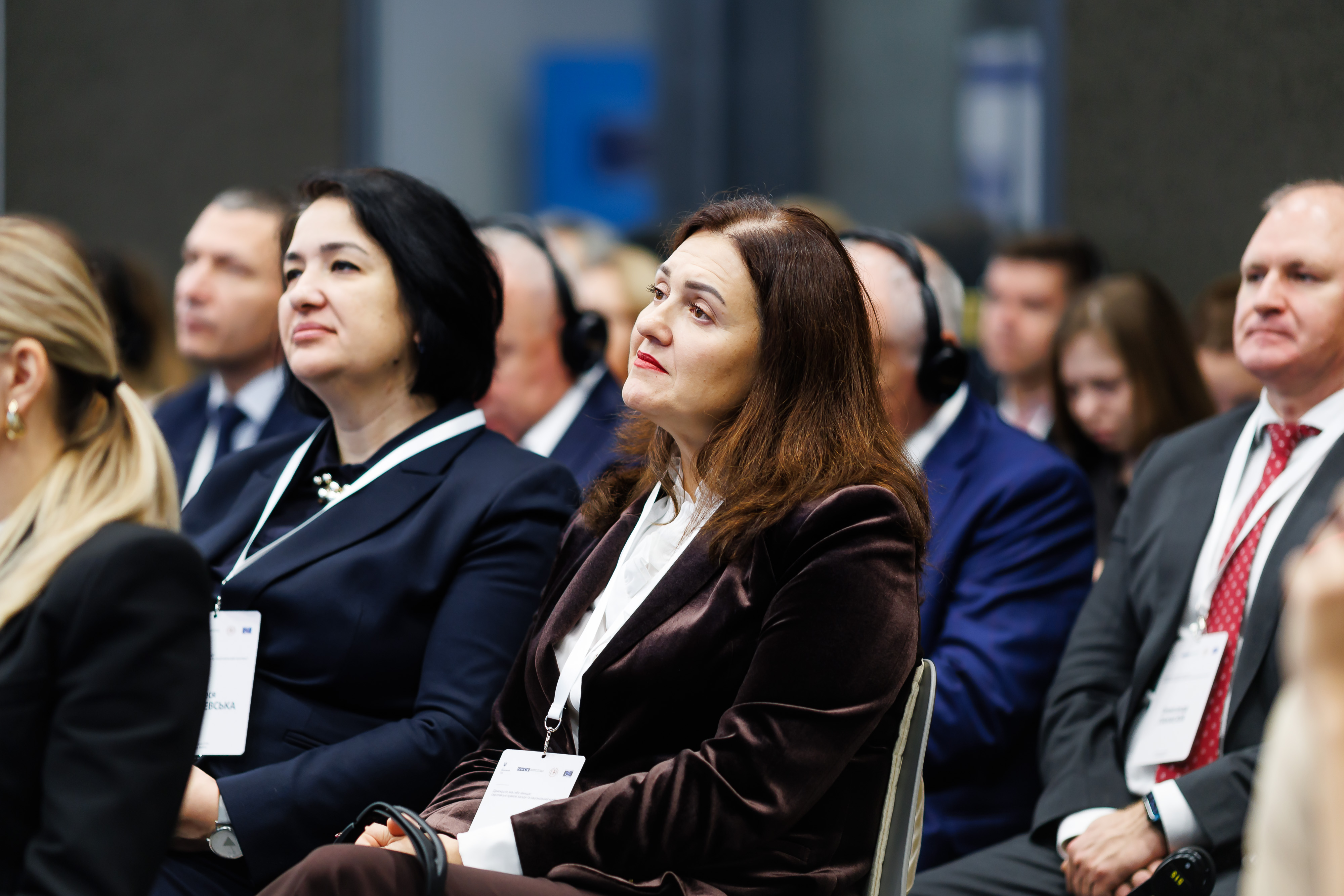
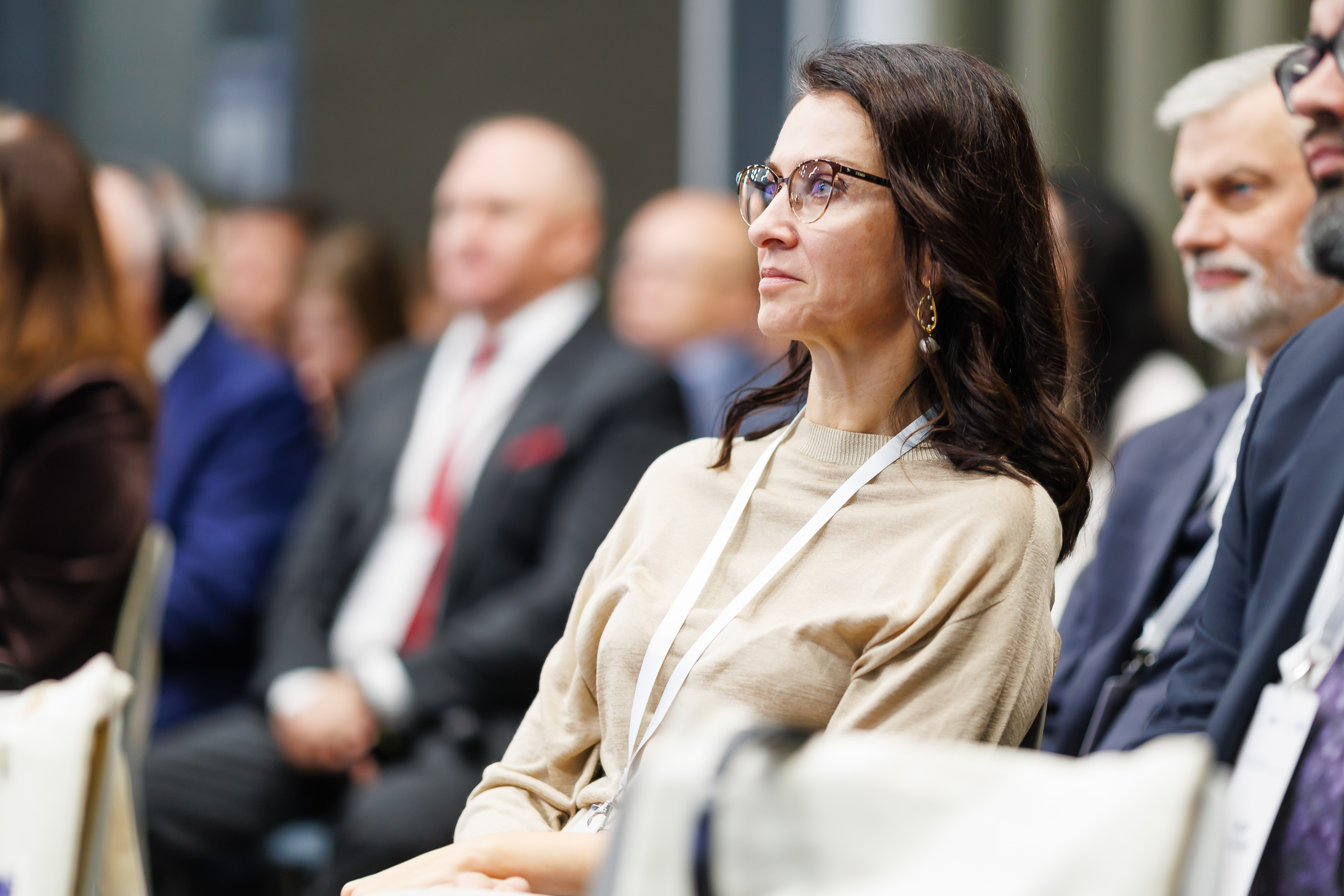
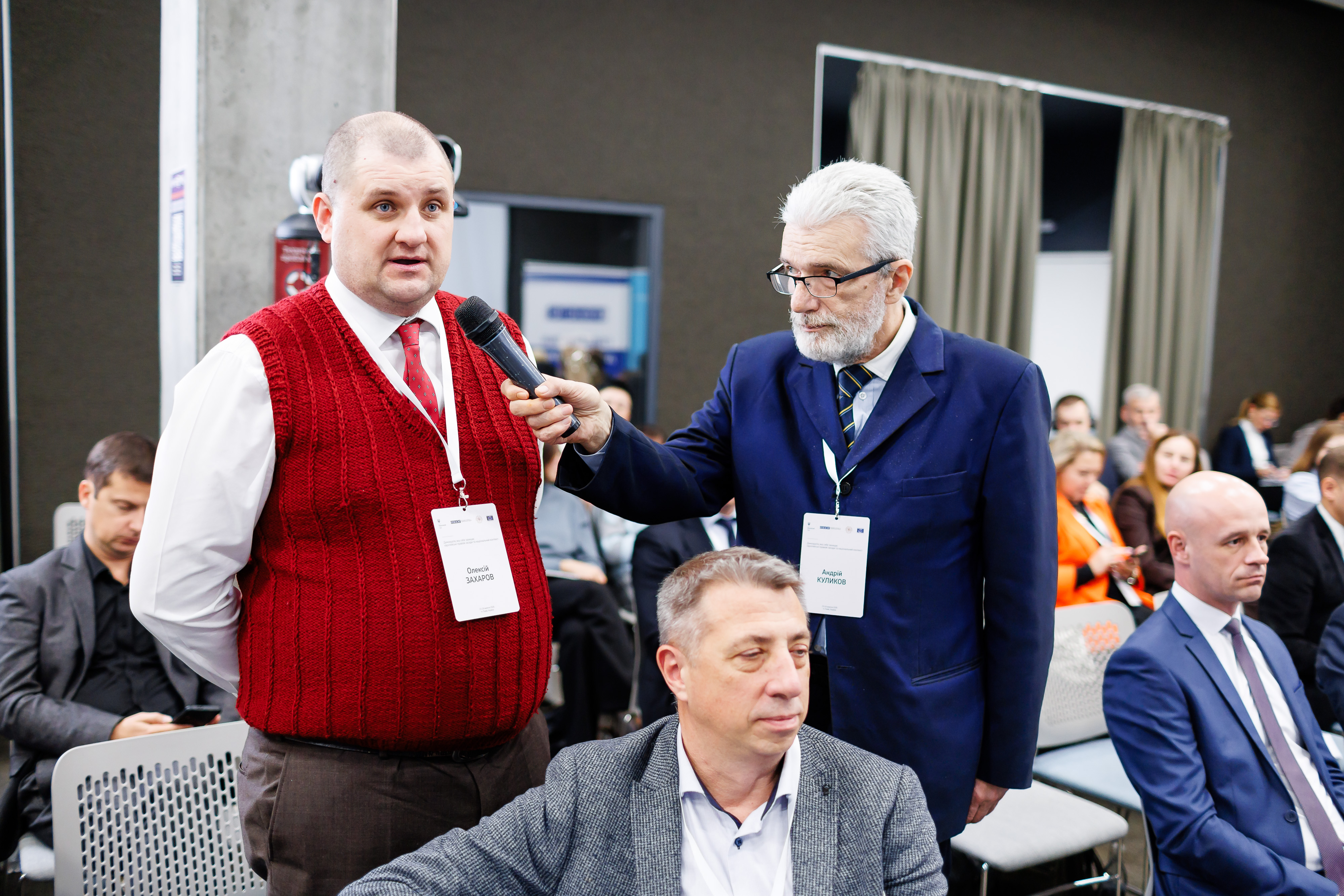
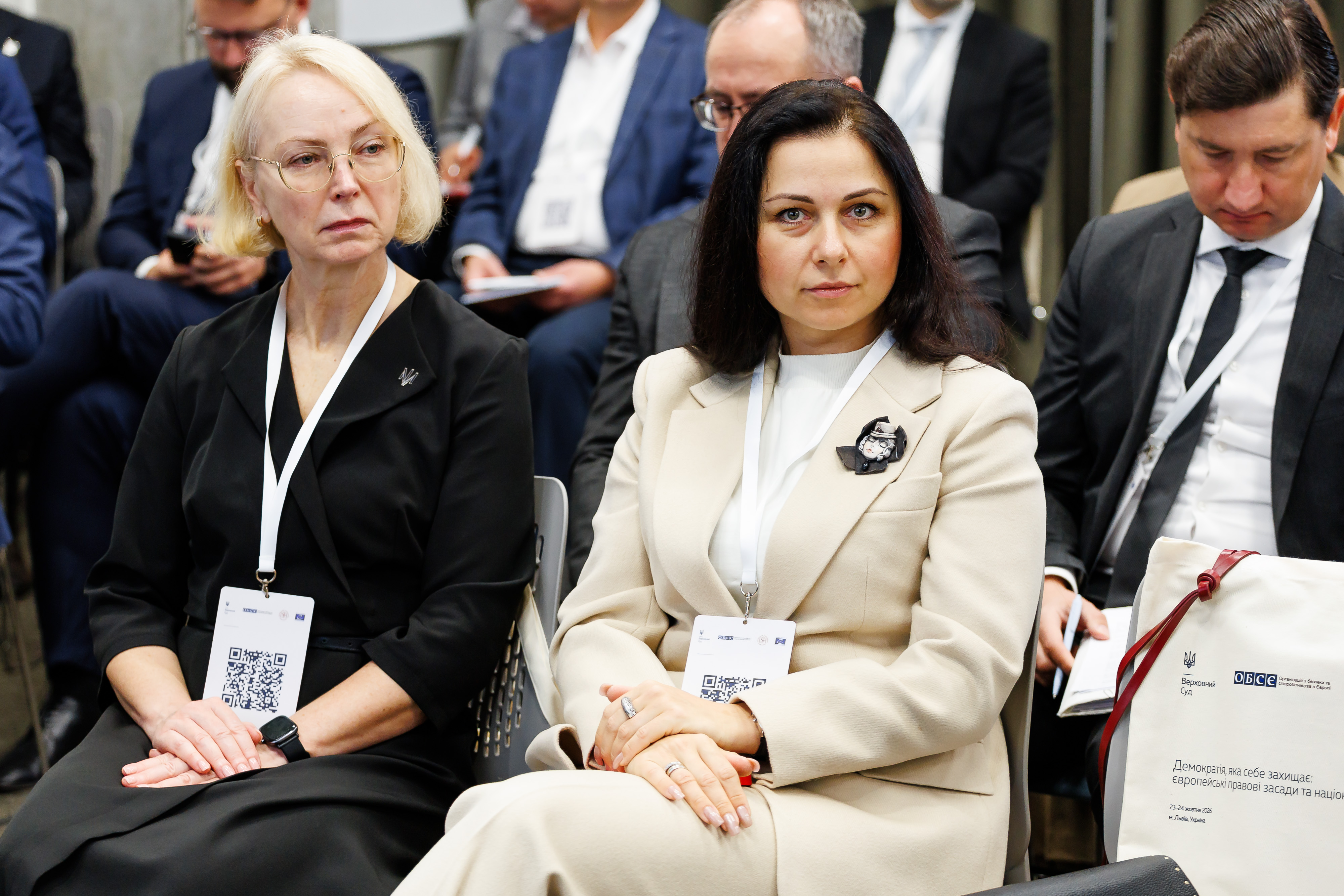
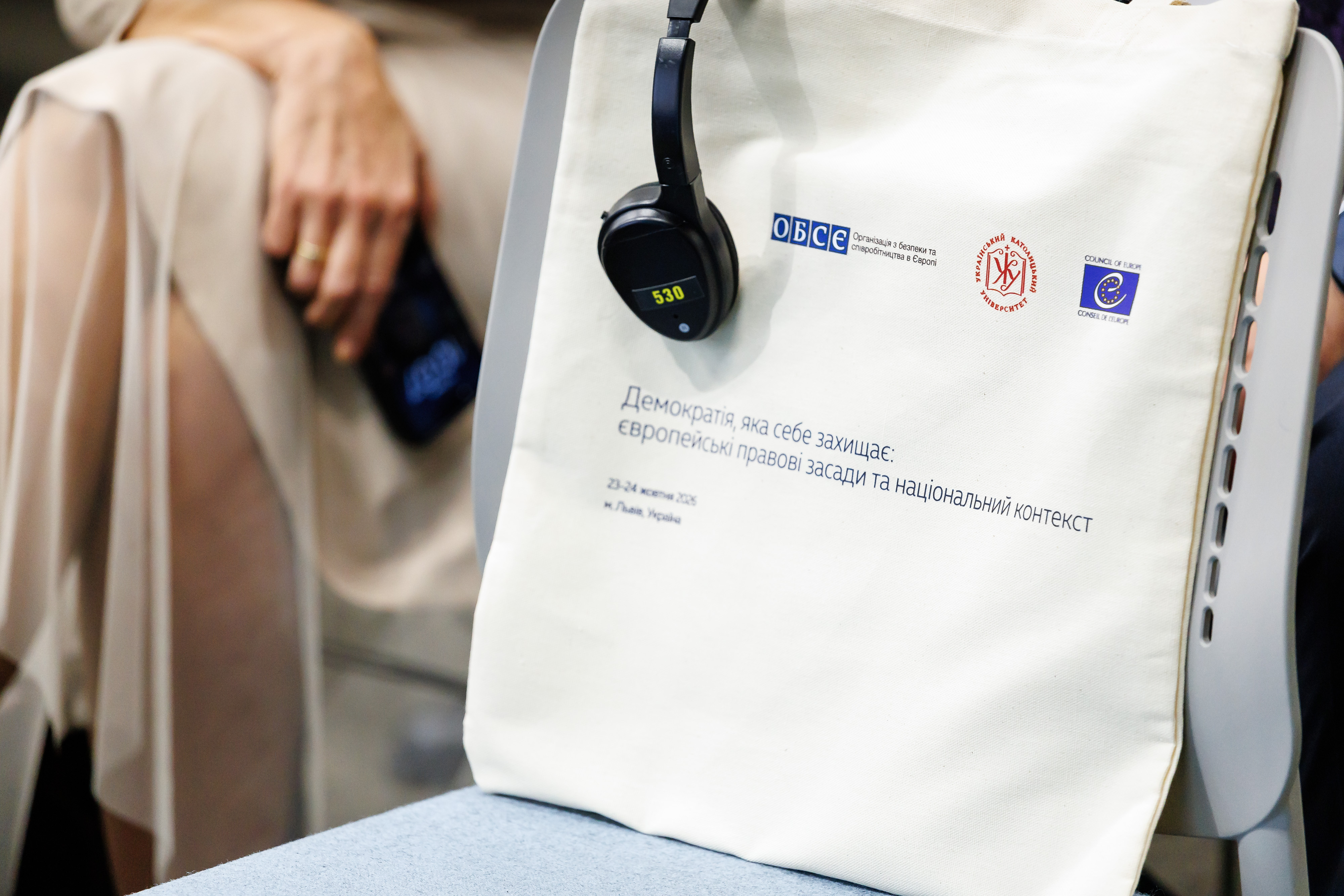
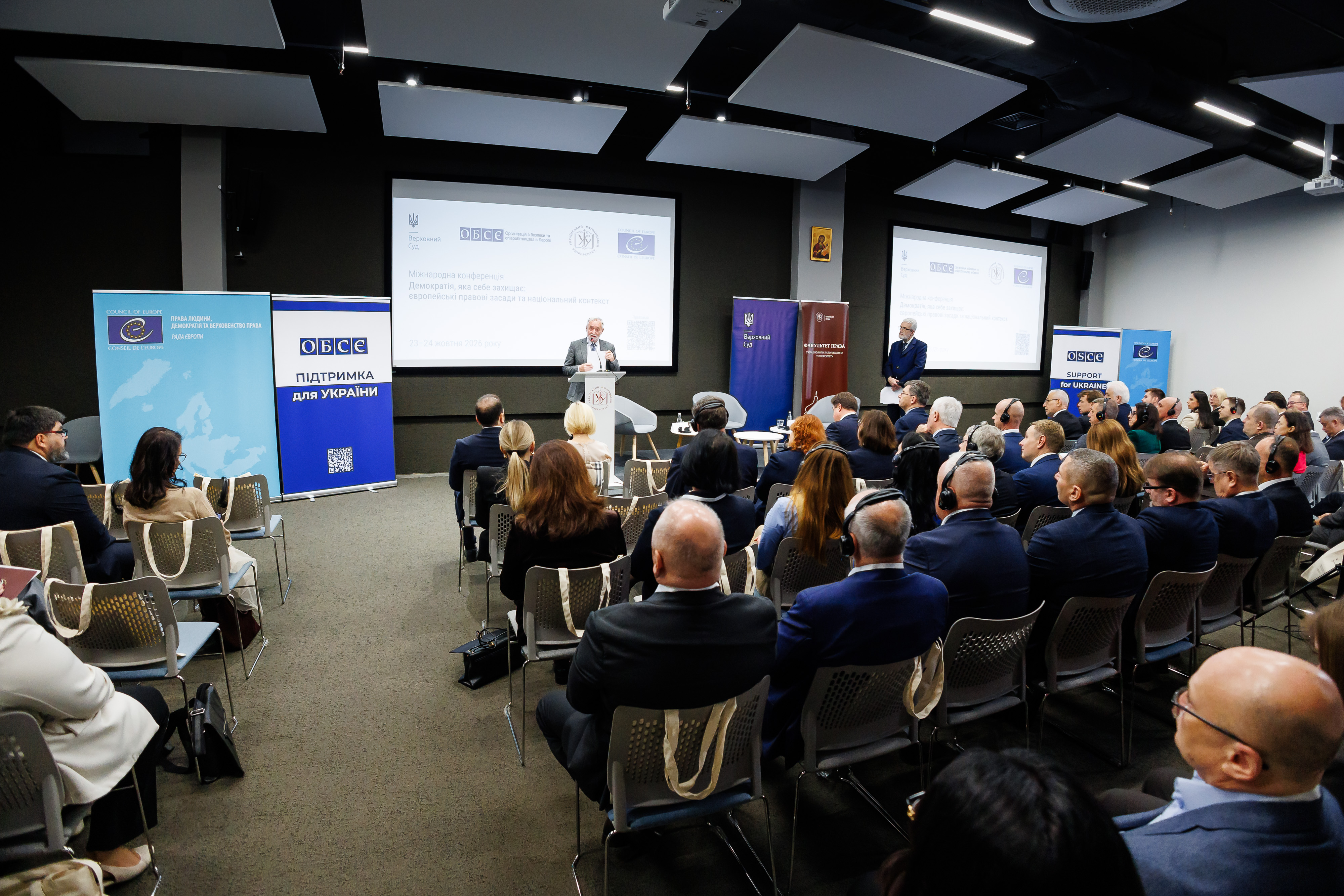
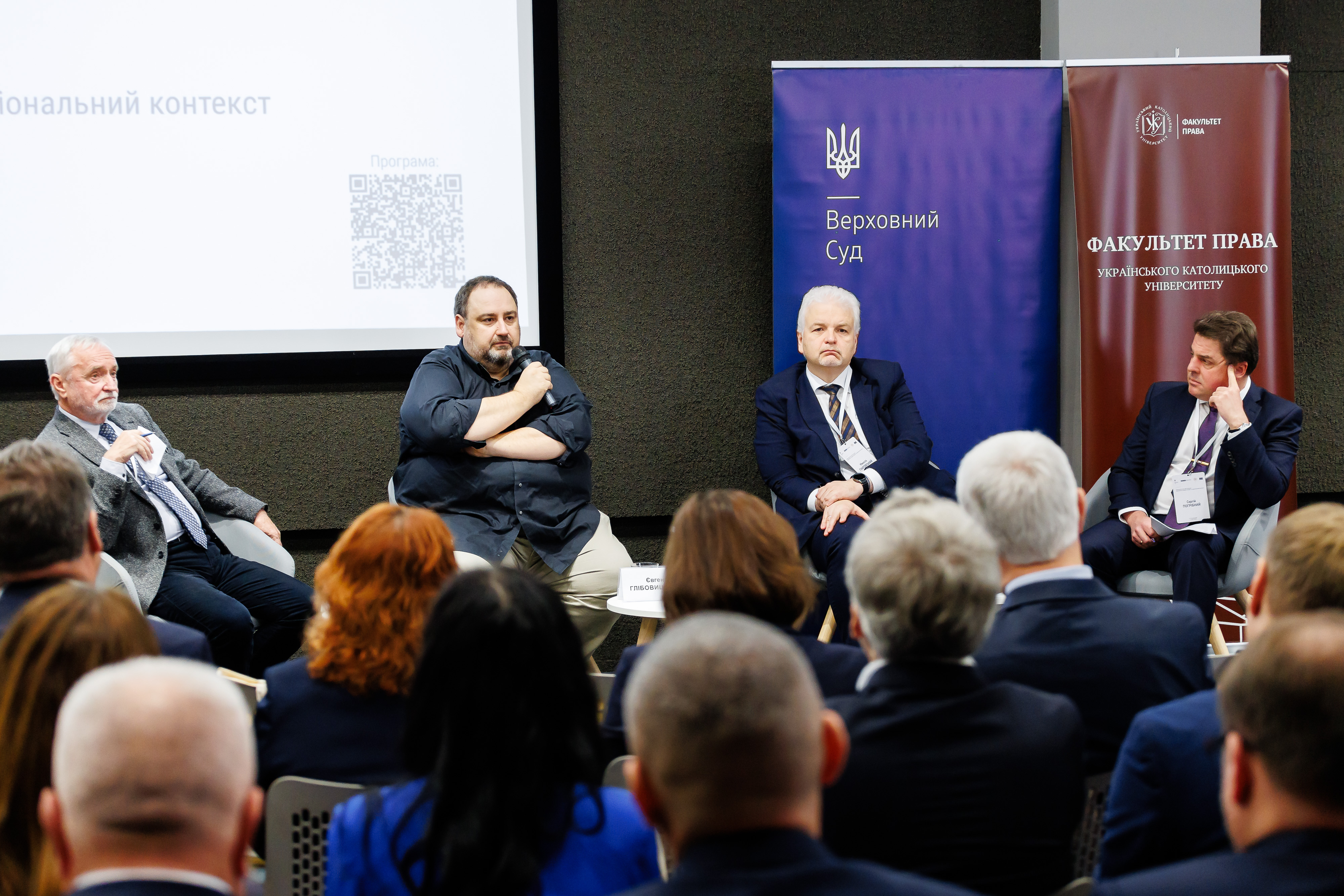
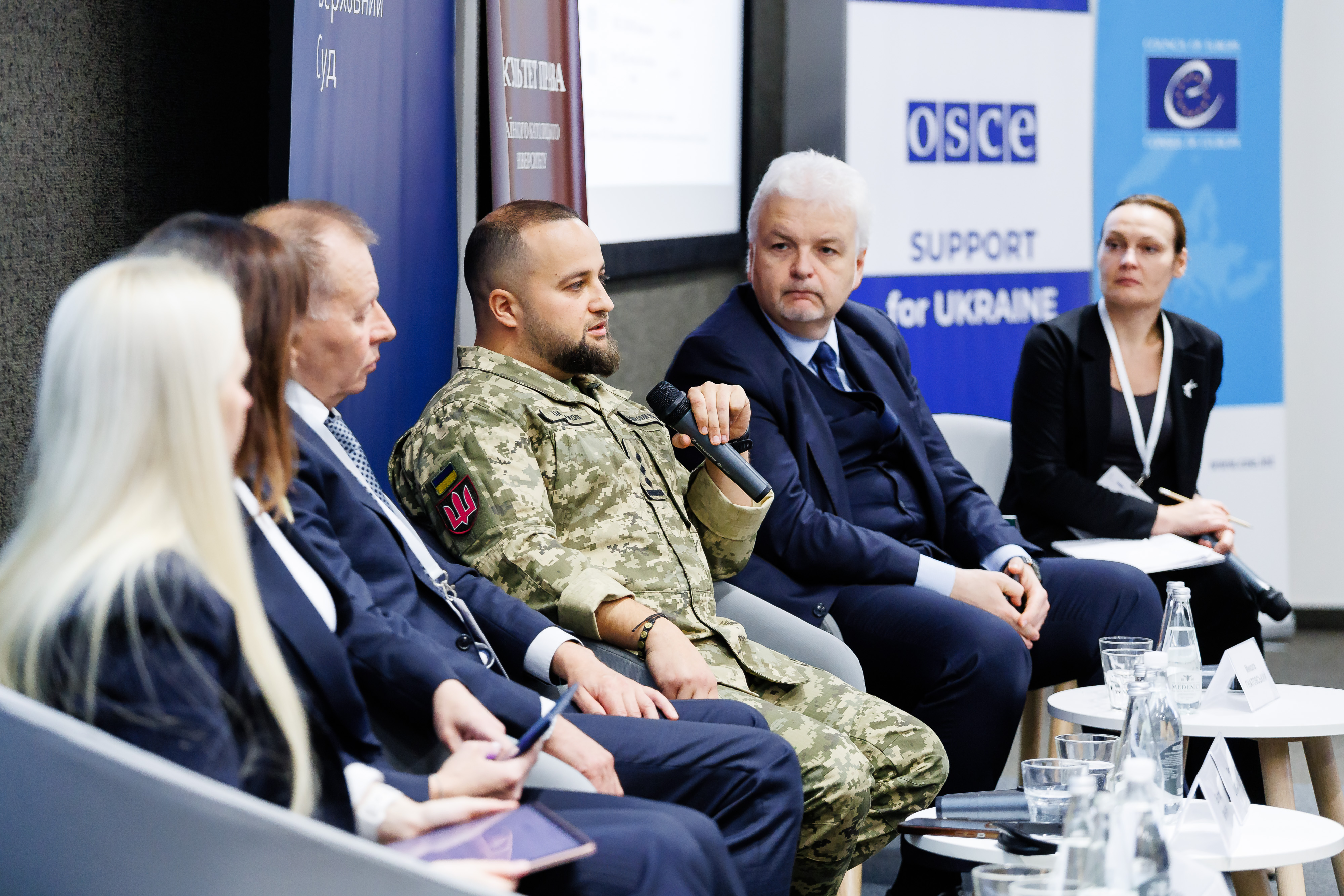
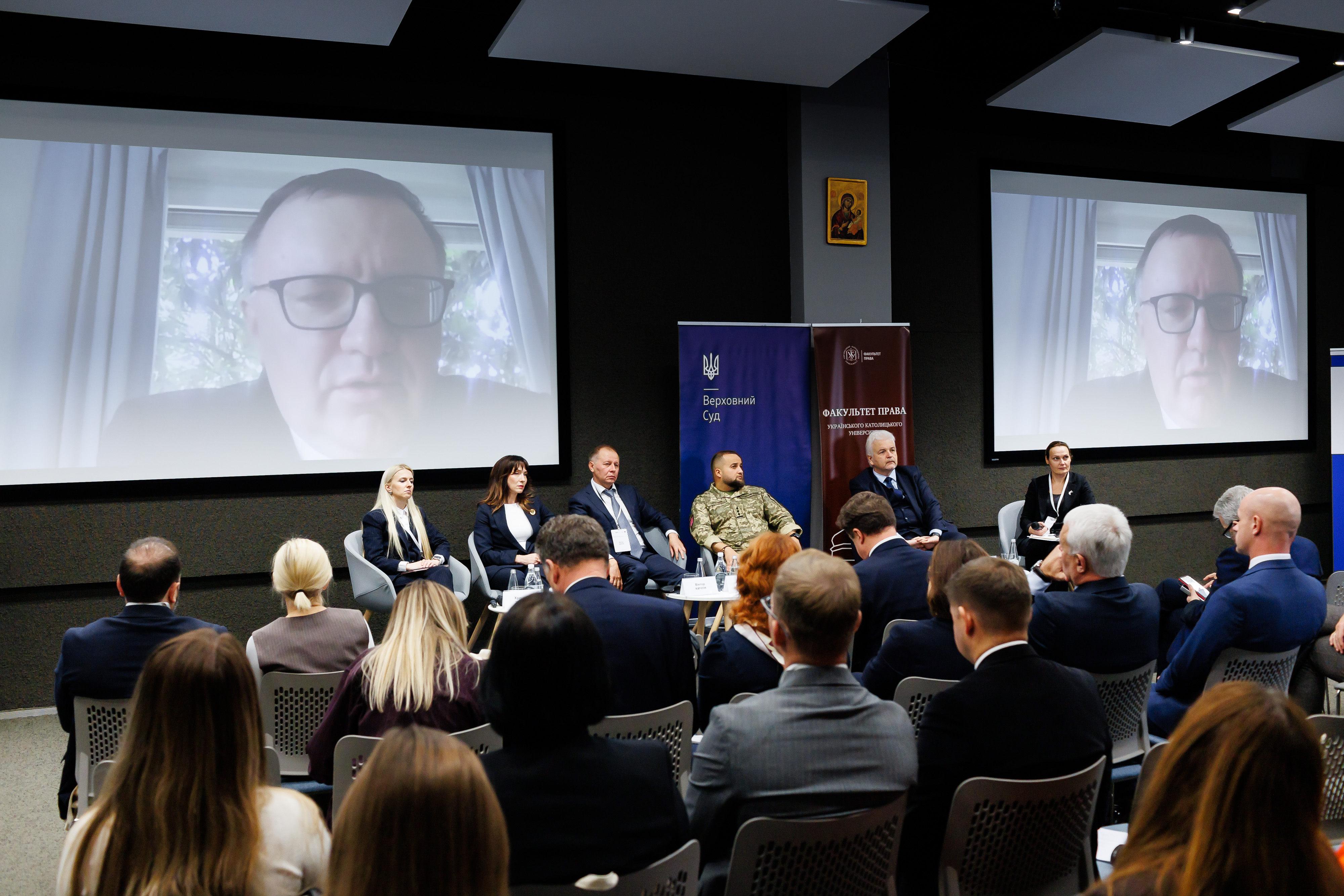
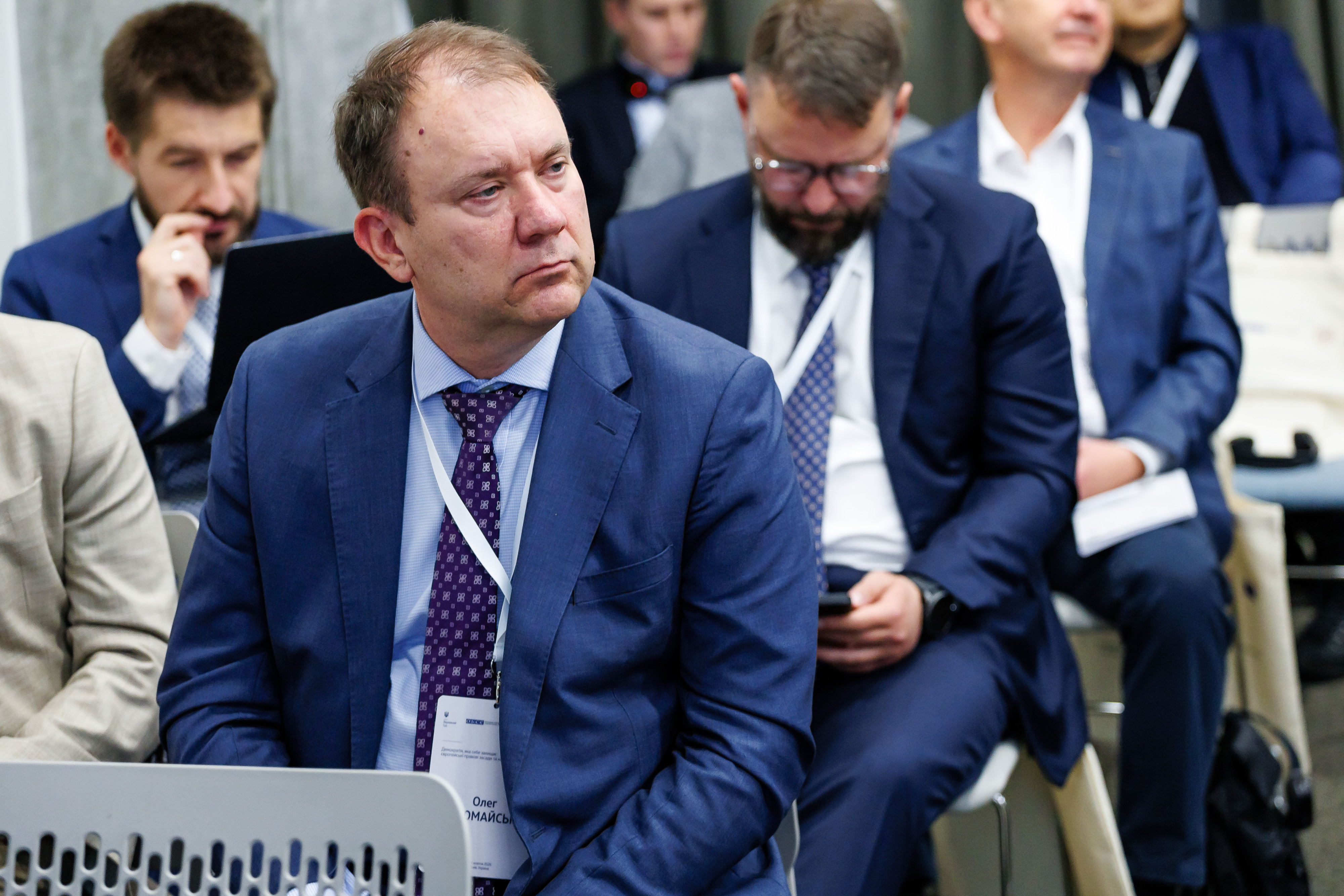
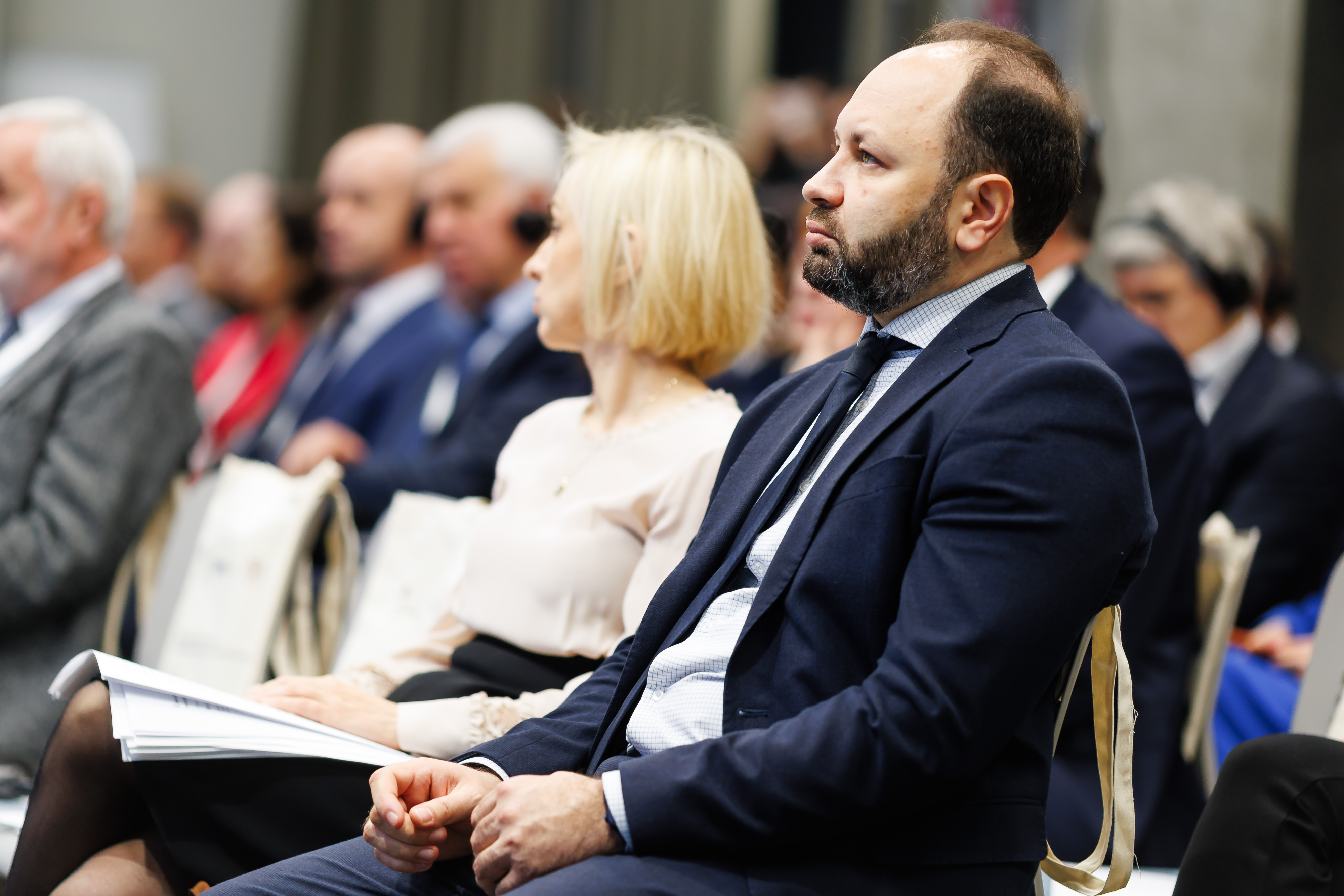
On 23–24 October 2026, the international conference “Defending Democracy: European Legal Frameworks and the National Context” took place in Lviv, Ukraine, with the support of the Council of Europe. The event brought together judges of the European Court of Human Rights, the Supreme Court and the Constitutional Court of Ukraine, as well as representatives of national authorities, international organisations, academia and civil society to discuss pressing challenges related to safeguarding democratic values, the rule of law and human rights in times of war.
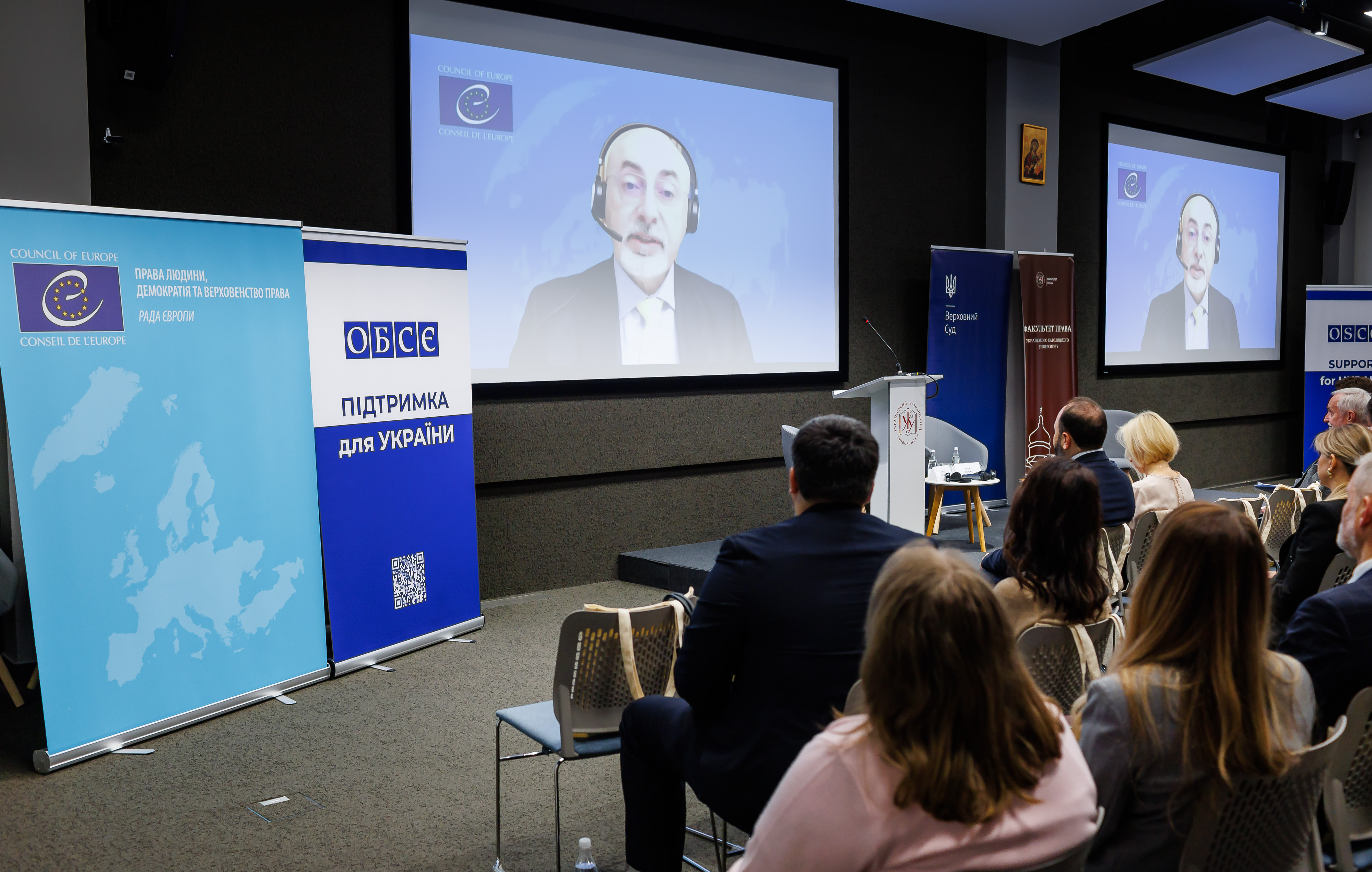
Giovanni Battista Celiento, Head of Division, Directorate of Human Rights, Directorate General Human Rights and Rule of Law, Council of Europe:
“The international conference, which is dedicated to the theme of the principle of «democracy able to defend itself», confirms our shared commitment to justice, democracy and the rule of law, particularly in the face of the unprecedented challenges posed by the ongoing war in Ukraine. The issues that will be raised at the conference fall well within the scope of the recent 2026 Report of the Secretary General of the Council of Europe “The new Democratic Pact for Europe in times of rupture”. In this Report, the questions of democratic resilience and protection of democracy represent points of paramount importance”.
Serhii Pohribnyi, Secretary of the Grand Chamber of the Supreme Court of Ukraine: “Why is the Supreme Court participating in this event in particular? The Court does not take a political position, determine defence strategy, or decide who should be considered a threat. These matters are dealt with by other authorities, and rightly so. However, in any case, every decision and every case ultimately ends up before a court. And that is when the doctrine of ‘democracy capable of defending itself’ becomes a very concrete question: what am I, as a judge, required to examine, and what am I not entitled to touch upon?”
The first day of the conference focused on European legal approaches to safeguarding democracy and democratic institutions. Participants explored the concept of democracy capable of defending itself, its evolution and practical application in today's challenging environment. Particular attention was paid to permissible restrictions on political rights aimed at protecting democratic institutions, freedom of expression in times of war, and freedom of thought, conscience and religion. Discussions centred on striking the right balance between the need to safeguard national security and democratic institutions while ensuring full respect for fundamental human rights and freedoms.
Mykola Gnatovskyy, Judge of the European Court of Human Rights: “Peace, democracy, and human rights are closely interconnected. Human rights, democracy, and the rule of law are Europe’s answer to the question of how to prevent another war after World War II. Clearly, this goal has not been achieved, but these principles remain our cornerstone nonetheless. The idea of the inseparability of peace, democracy, and human rights is the central principle that guided the European Court of Human Rights in the Grand Chamber’s judgment in the case of Ukraine and the Netherlands v. Russia. We strive for a peaceful, stable Europe based on the rule of law and human rights.”
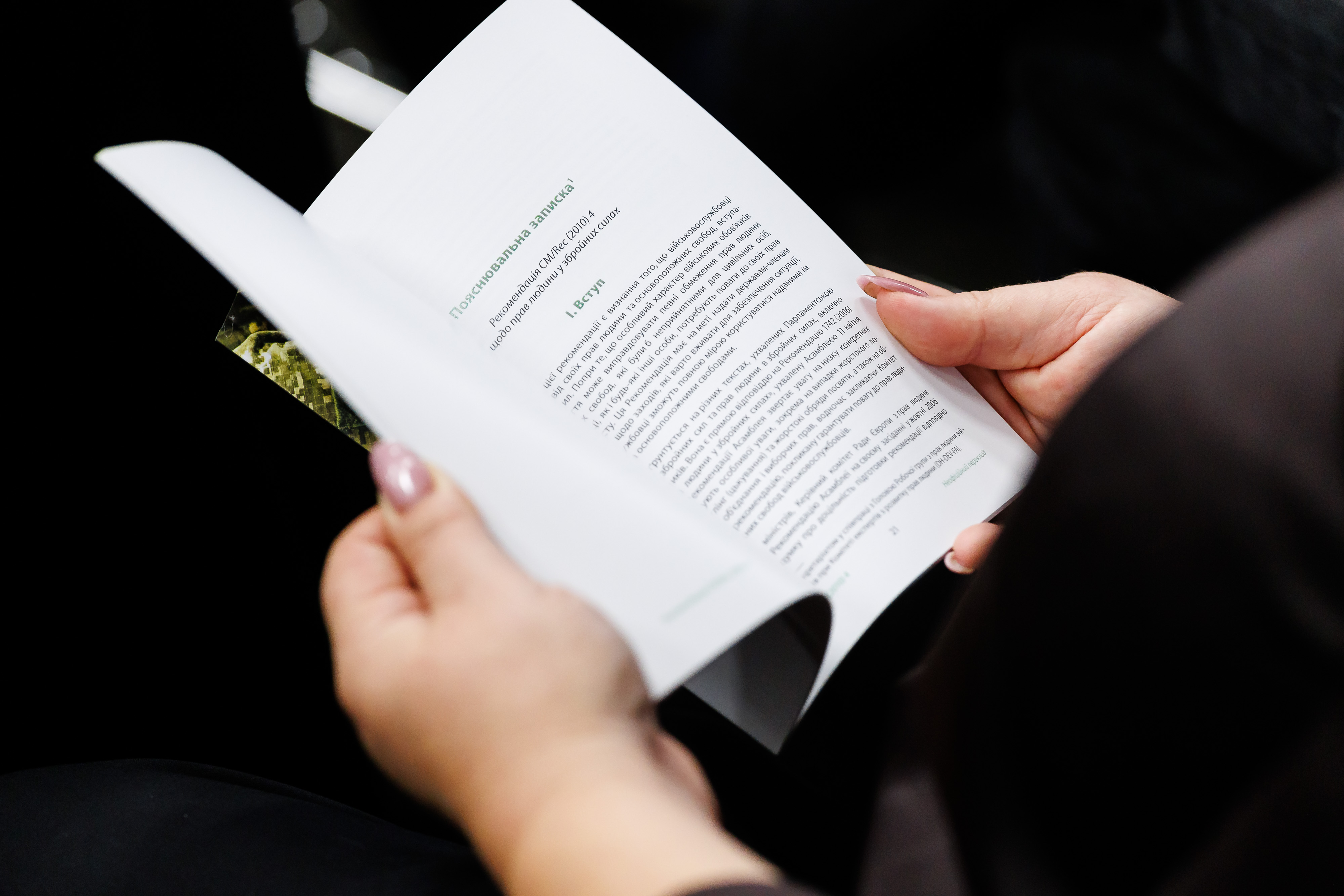
The second day of the conference focused on the protection of the rights of veterans and military personnel. Judges from Ukraine and the European Court of Human Rights, together with representatives of the Office of the Military Ombudsperson, the Council of Europe, academia and civil society organisations, discussed key challenges in safeguarding the rights of veterans and members of the armed forces, the role of national courts in protecting these rights, and the application of European human rights standards in the national context. Particular emphasis was placed on ensuring effective access to justice, strengthening mechanisms for the protection of veterans' and military personnel's rights, and exchanging European and national experiences and good practices.
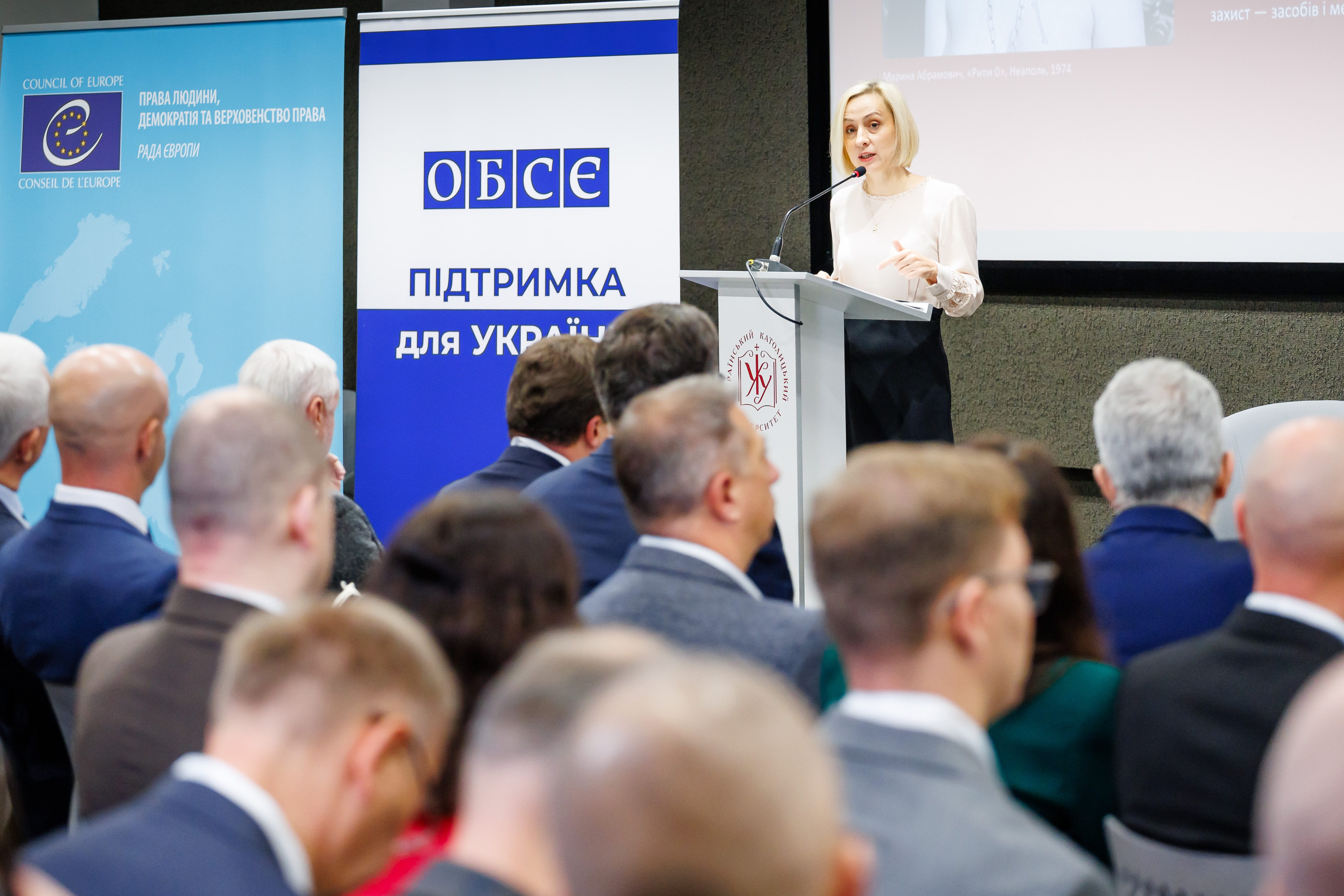
Ivona Kostyna, Head of the NGO “Veteran Hub” emphasised that many of the challenges currently being brought to the forefront by the veteran community are, in fact, broader societal issues. Matters such as accessible parking for persons with disabilities, the creation of a barrier-free environment, and domestic violence extend well beyond the veteran community. However, given the significant number of veterans and military personnel in Ukraine, these longstanding challenges can no longer be overlooked. Although many of these issues existed well before 2014, addressing them requires a comprehensive approach that goes beyond veteran policy and forms part of broader national policies aimed at tackling systemic challenges across society.
Ruslan Tsyhankov, First Deputy Military Ombudsperson of Ukraine: “Ukraine is constantly in search of a difficult balance between supporting defence capabilities and protecting the rights of its defenders, carrying out combat missions while at the same time preserving the rights of military personnel. We want to see compliance with the law and with everything provided for by the Constitution, but in reality, military personnel are precisely those of our fellow citizens who are deprived, more than anyone else, of the democratic foundations and principles guaranteed to them by the state. An even greater problem arises when, in society, the deprivation of military personnel of certain democratic and legal safeguards becomes the norm”.
The conference was organised by the Supreme Court of Ukraine in co-operation with the Ukrainian Catholic University, the Council of Europe projects “Support for Ukraine in Implementing Council of Europe Standards on the Judiciary” and “Rights of Veterans and Personnel of the Armed Forces in Ukraine”, and the OSCE Support Programme for Ukraine project “Improving the Quality of Justice by Strengthening the Role of the Supreme Court in Ensuring Transparent, Accountable and Inclusive Justice”.