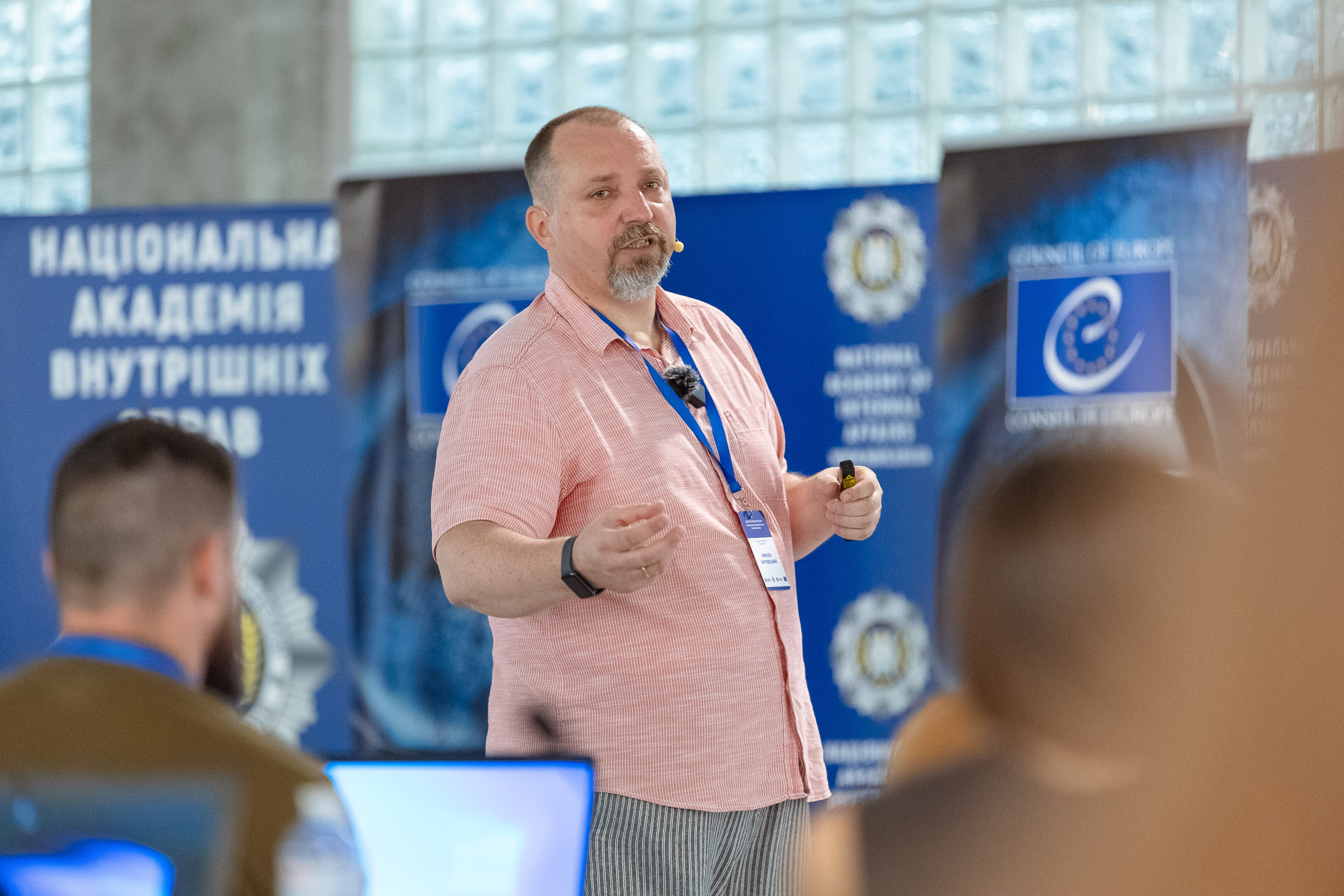
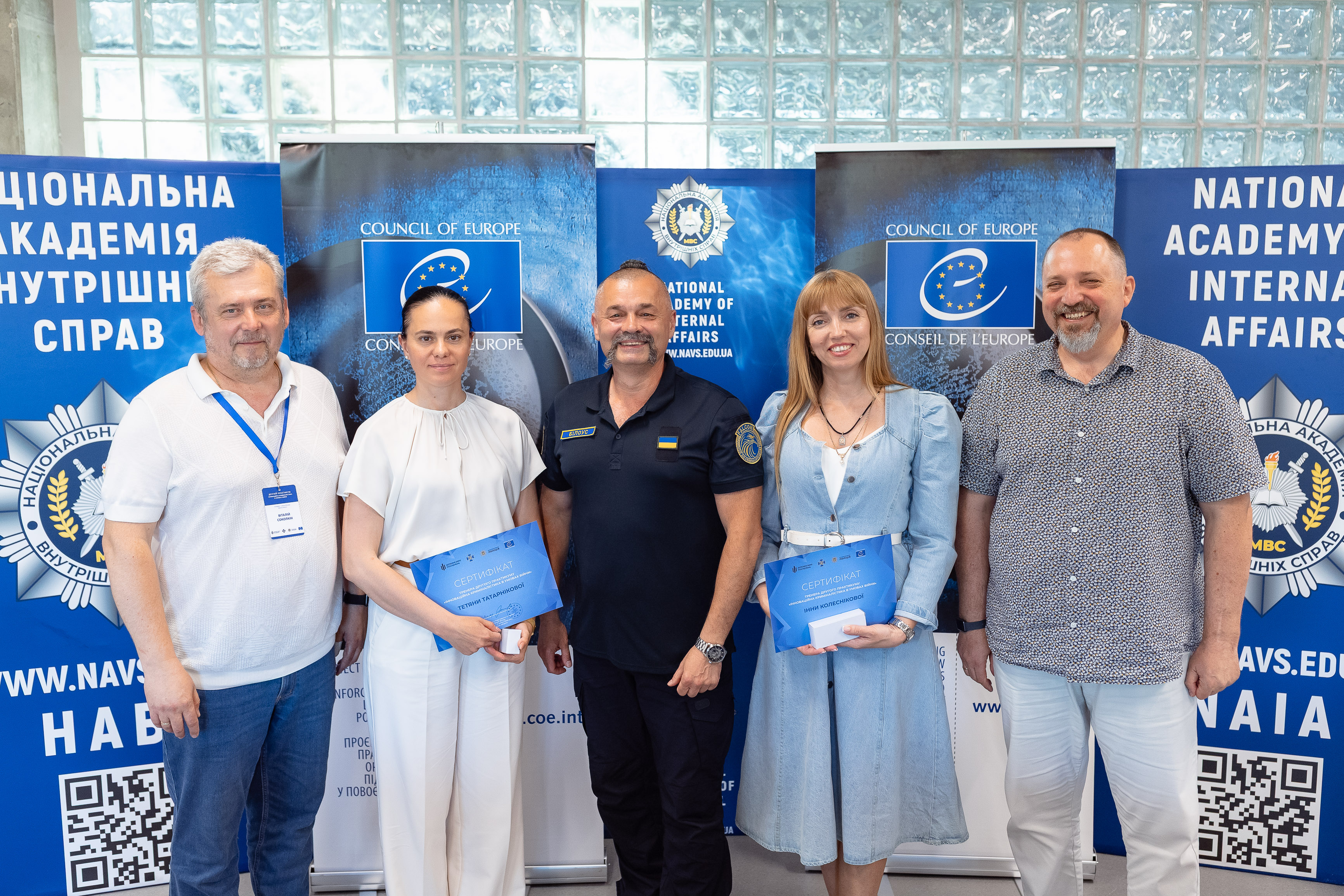
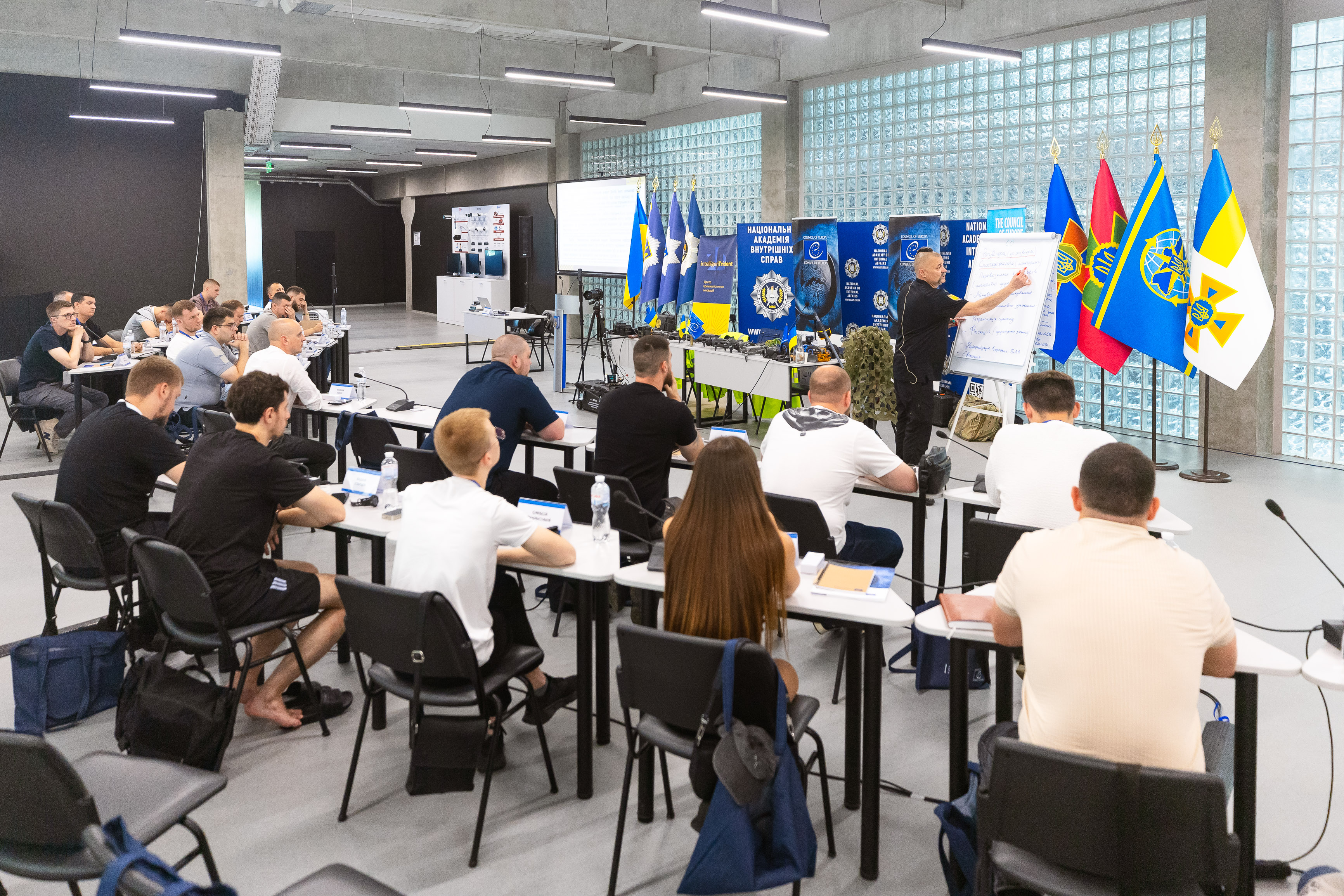
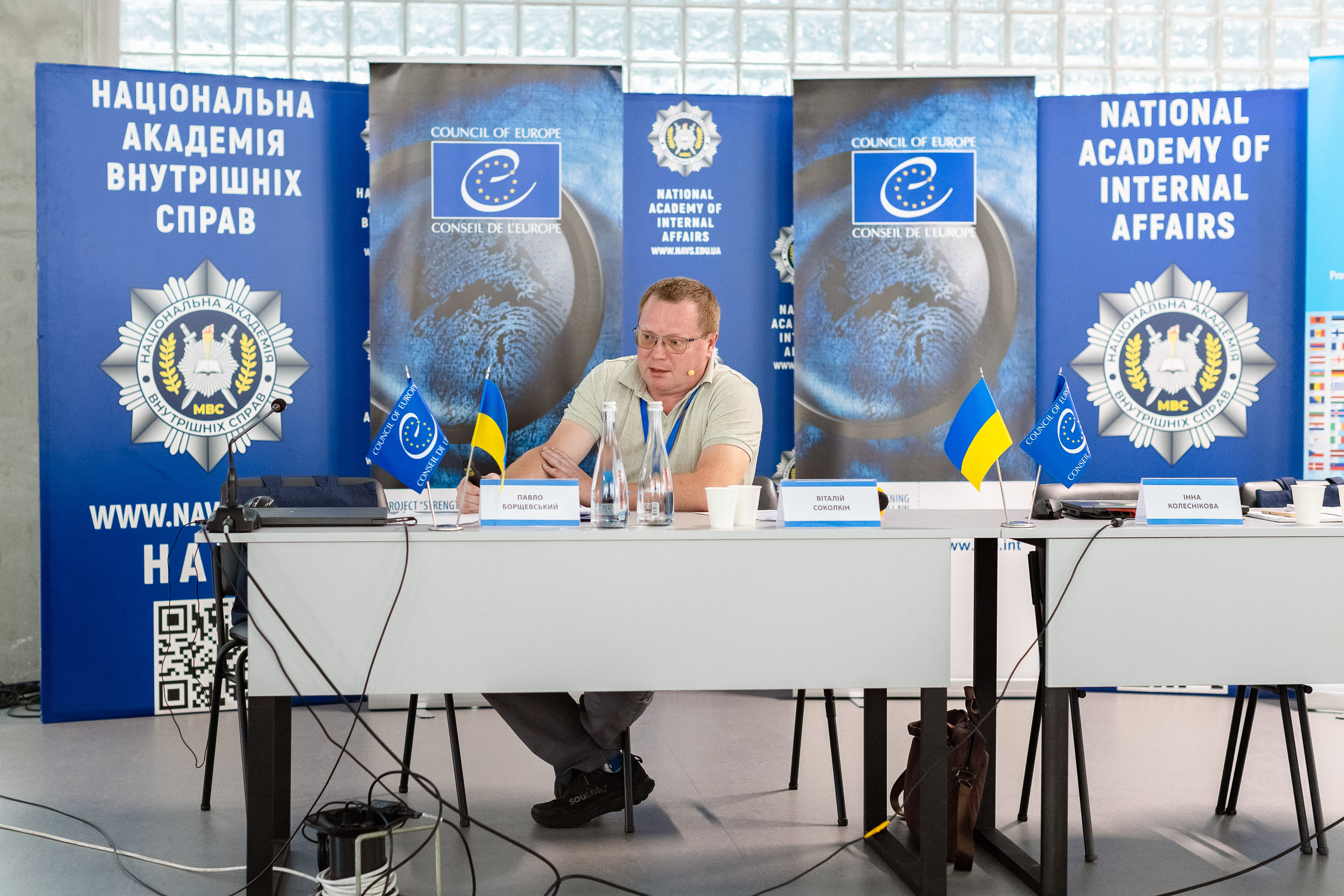
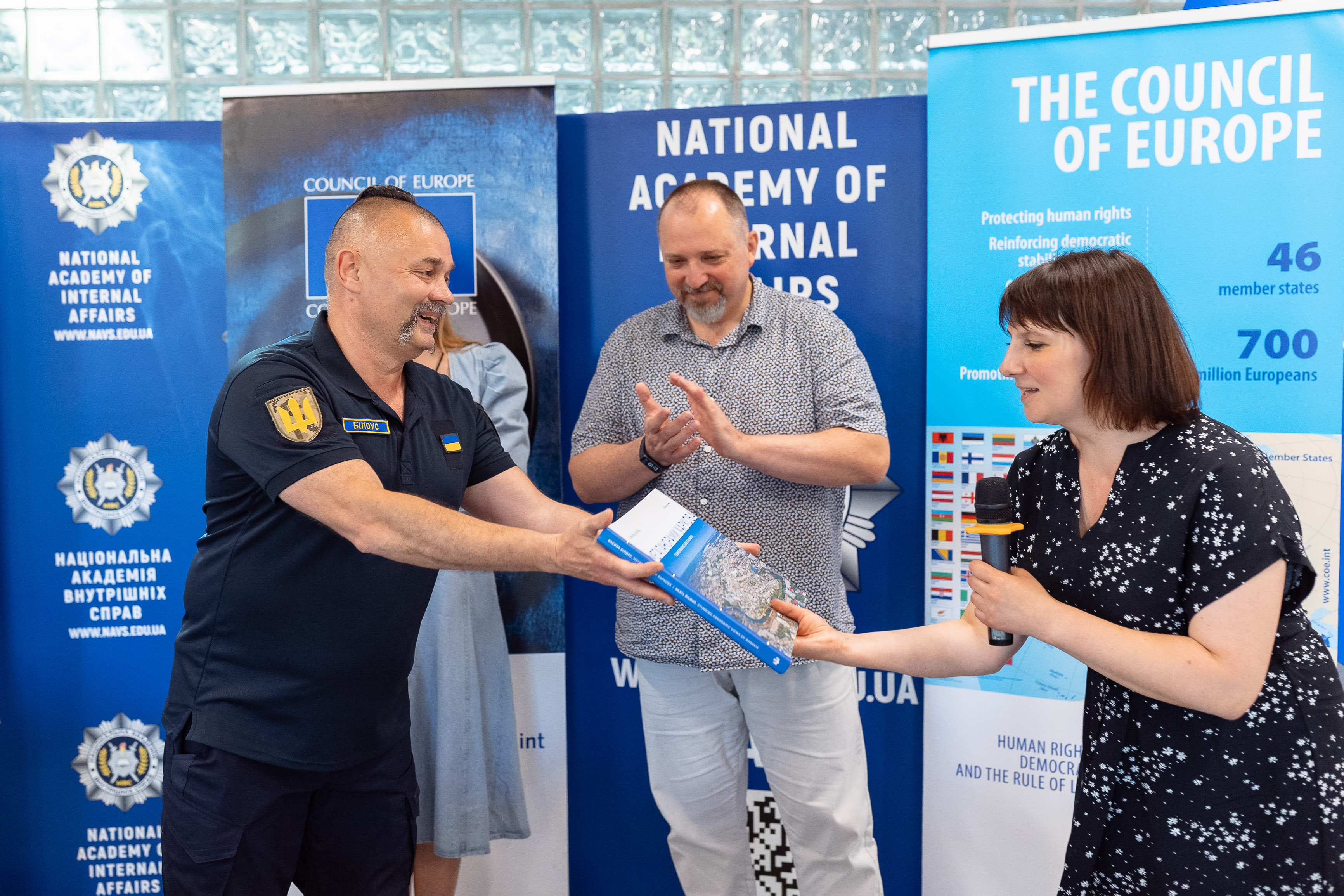
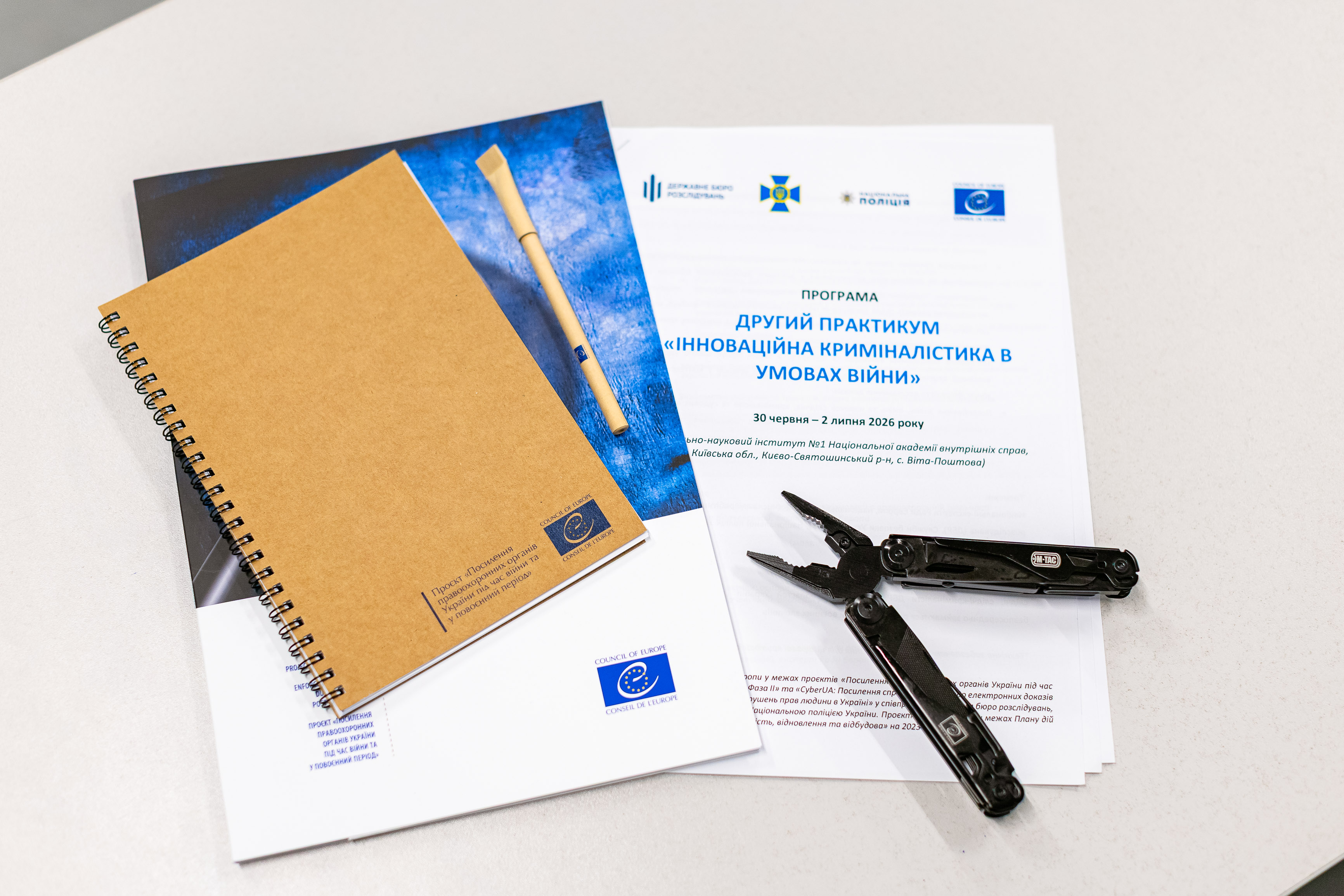
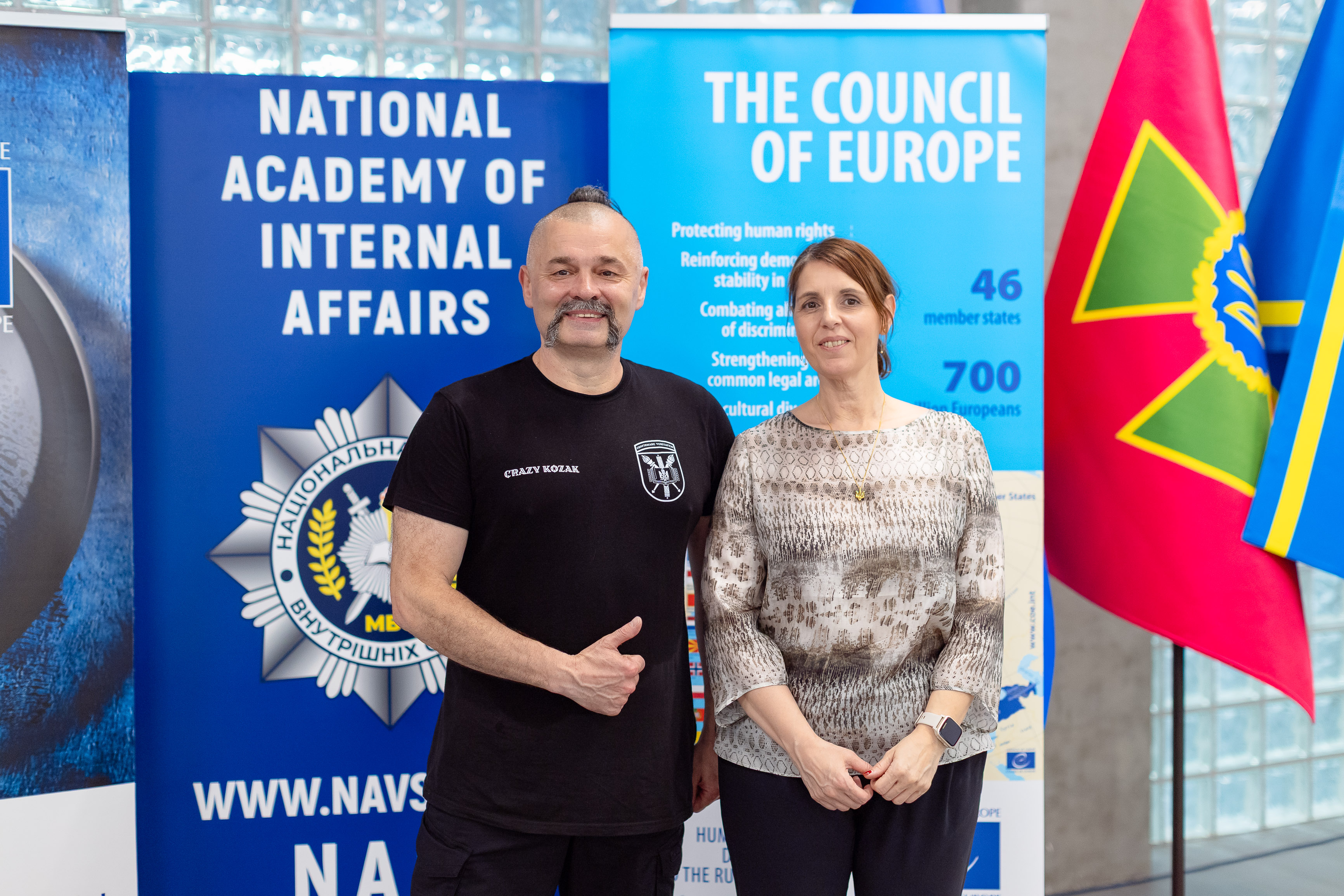
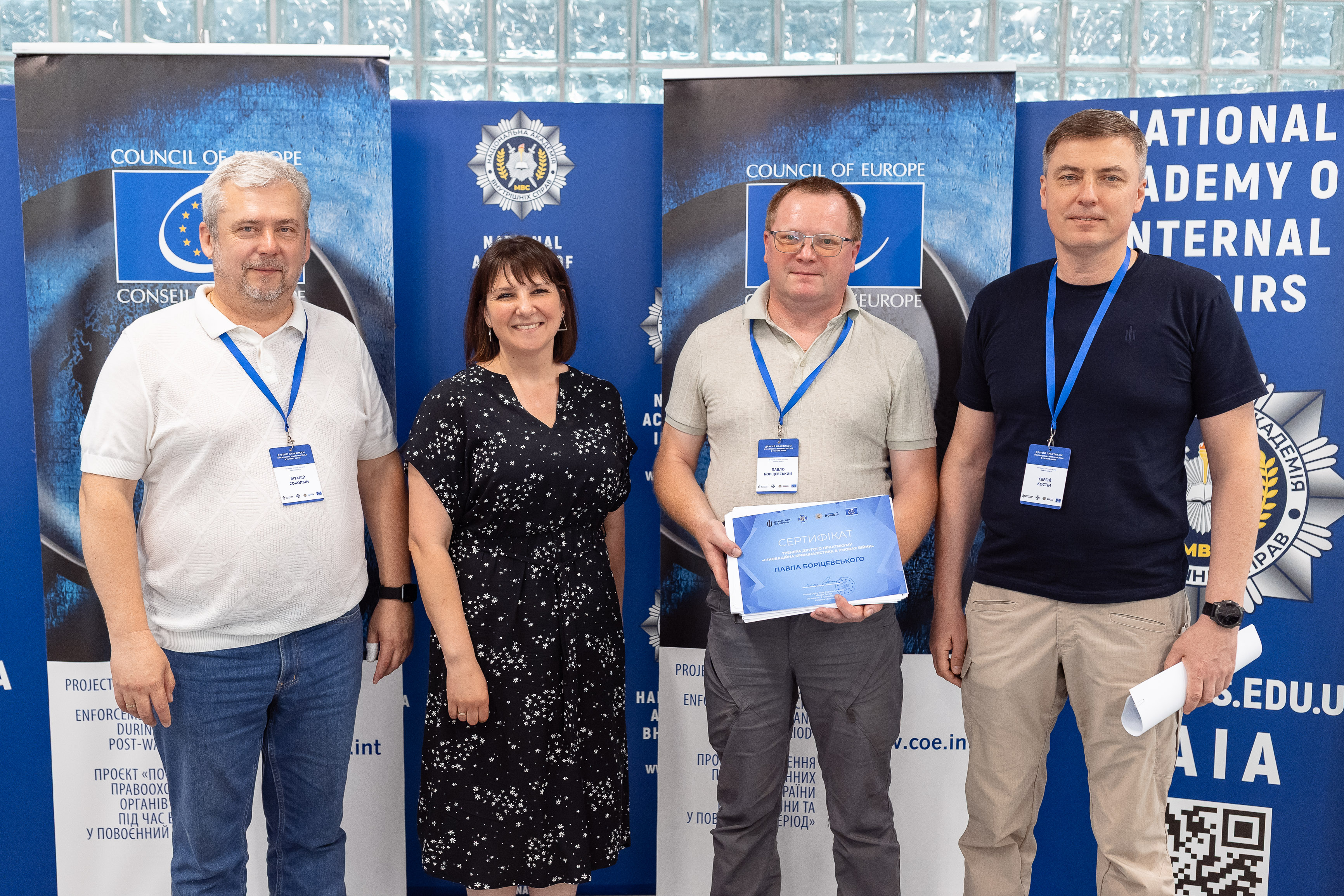
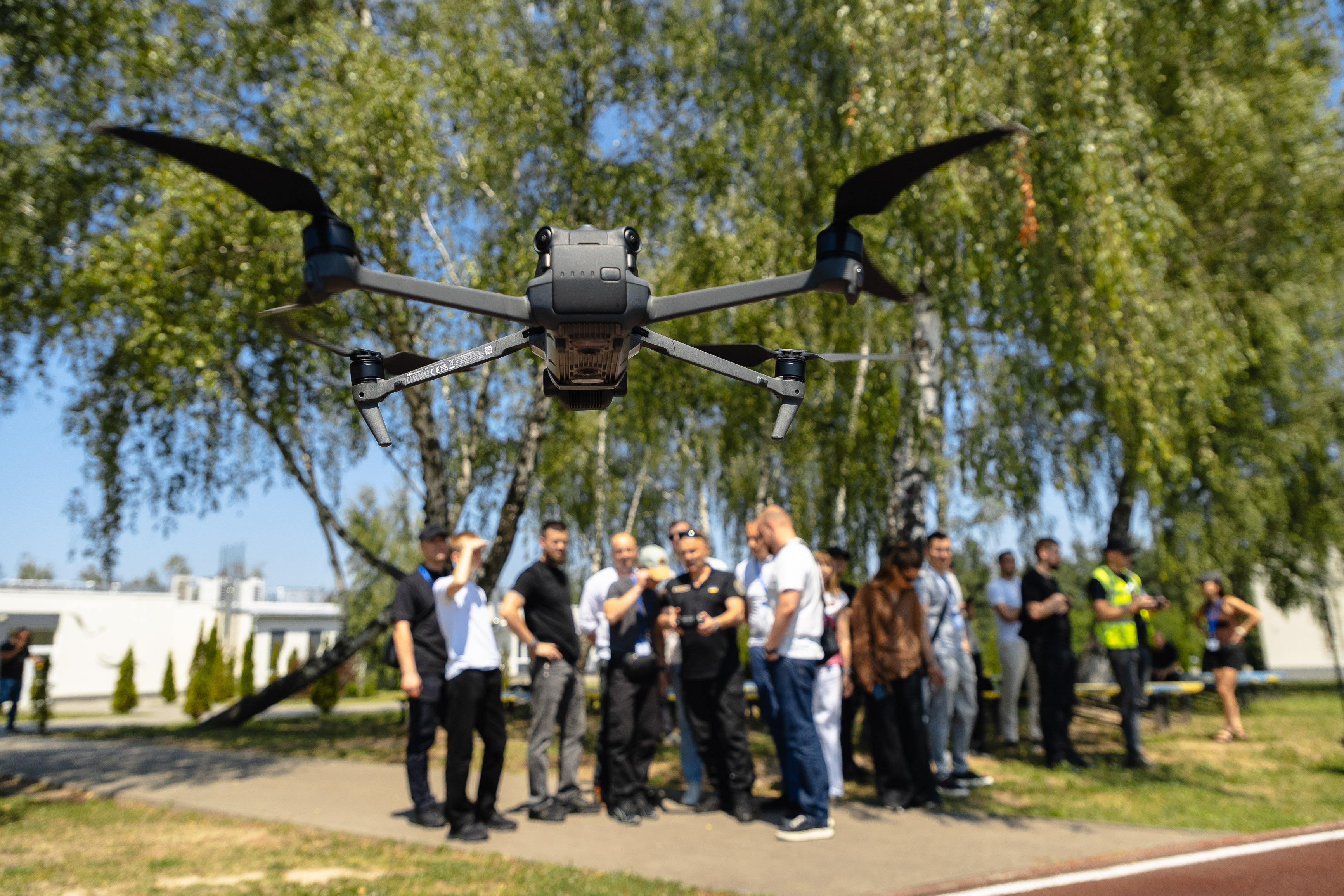
On 30 June - 2 July 2026 the Council of Europe brought together war crimes investigators and forensic specialists of the Security Service of Ukraine, State Bureau of Investigation and the National Police of Ukraine for the second workshop “Innovative criminalistics at the time of war” near Kyiv.
The event formed part of the Council’s ongoing support to law enforcement agencies dealing with war crimes in strengthening their professional capacity and reflects commitment to providing systematic and long-term support to Ukrainian investigators by creating regular opportunities for professional exchange, practical learning and mastering emerging forensic technologies.
As investigations become increasingly complex and technology-driven, investigators and forensic specialists need to continuously update their knowledge and skills. The second edition of the workshop focused on innovative forensic approaches and practical solutions that can enhance the effectiveness, safety, quality and reliability of criminal investigations.
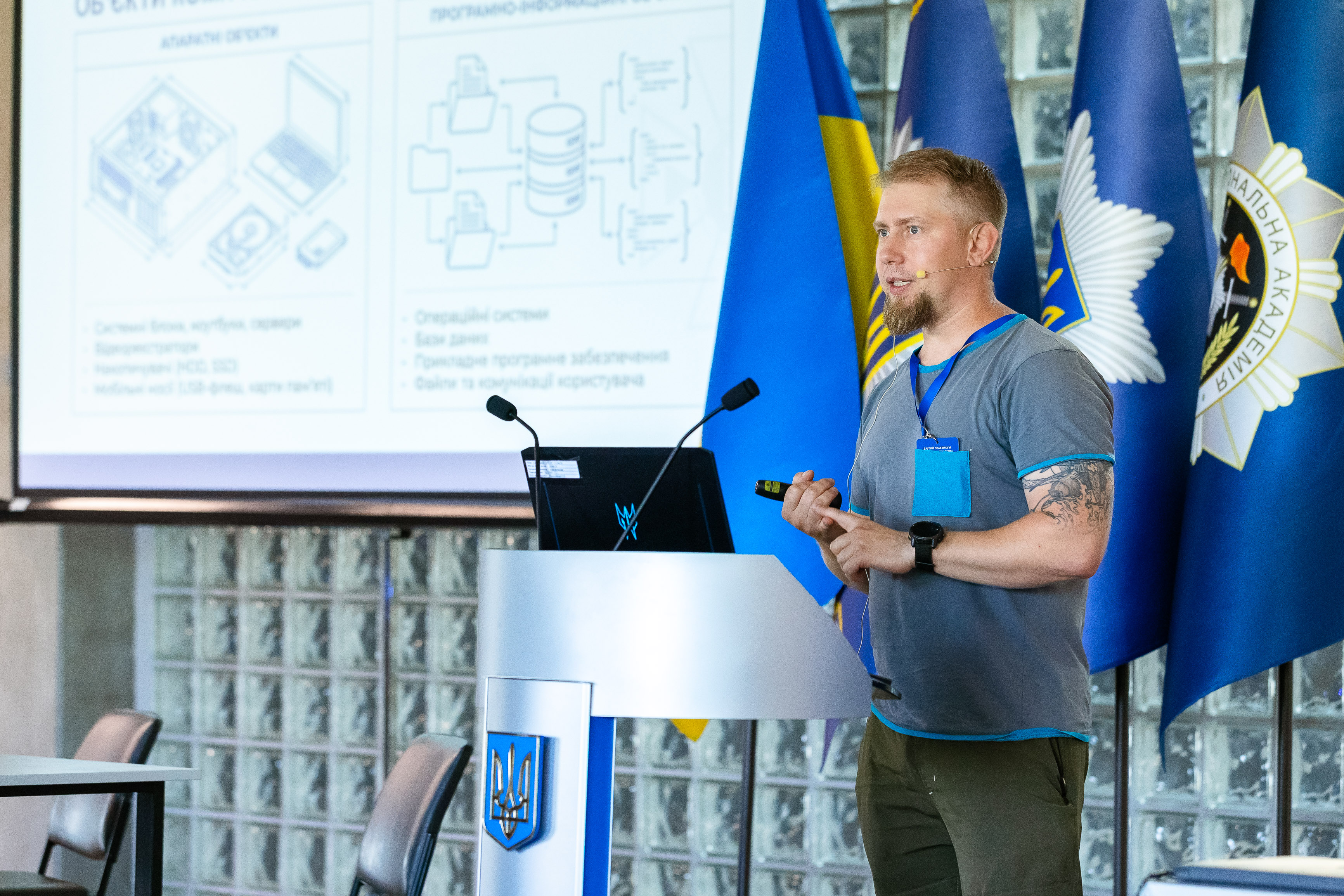
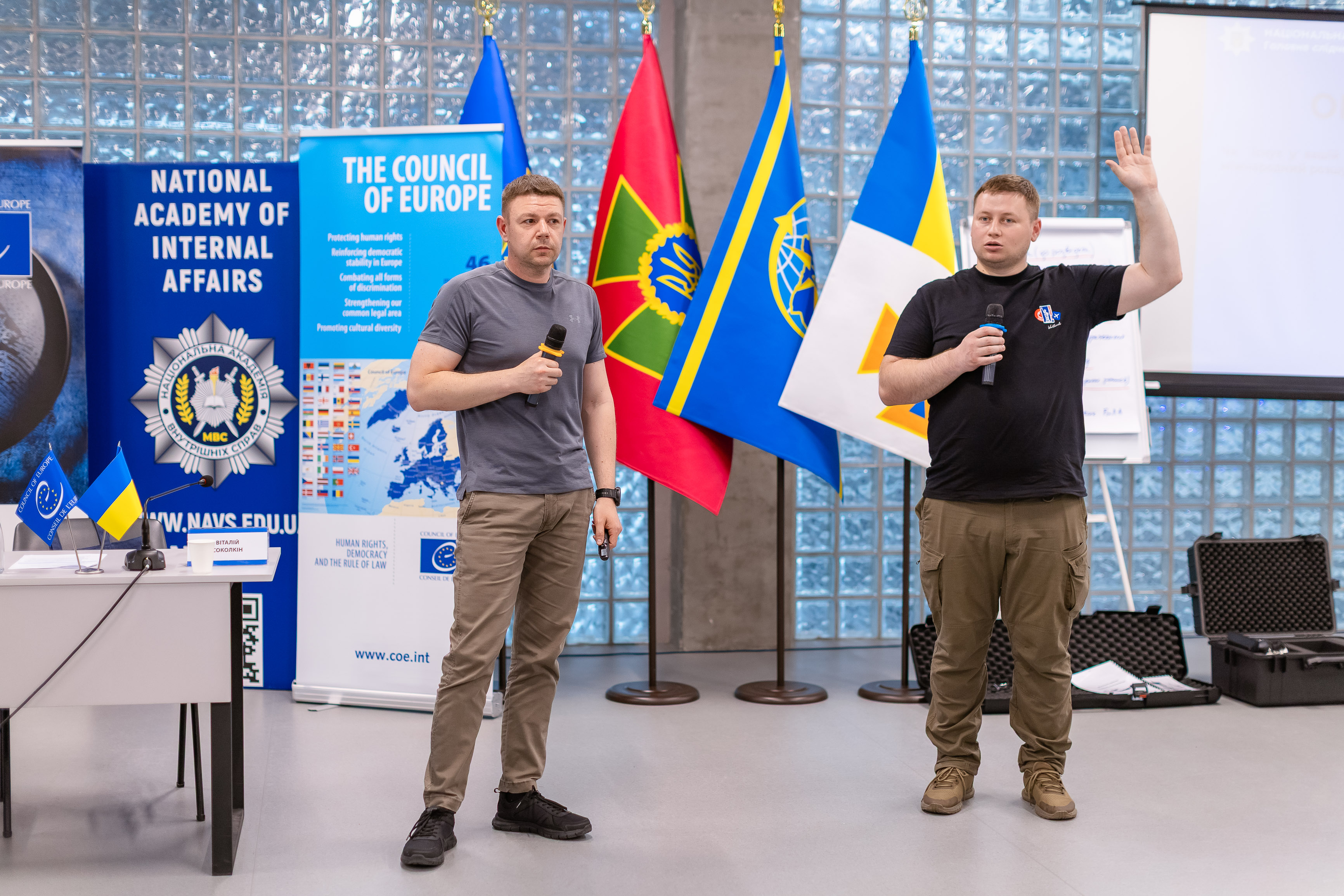
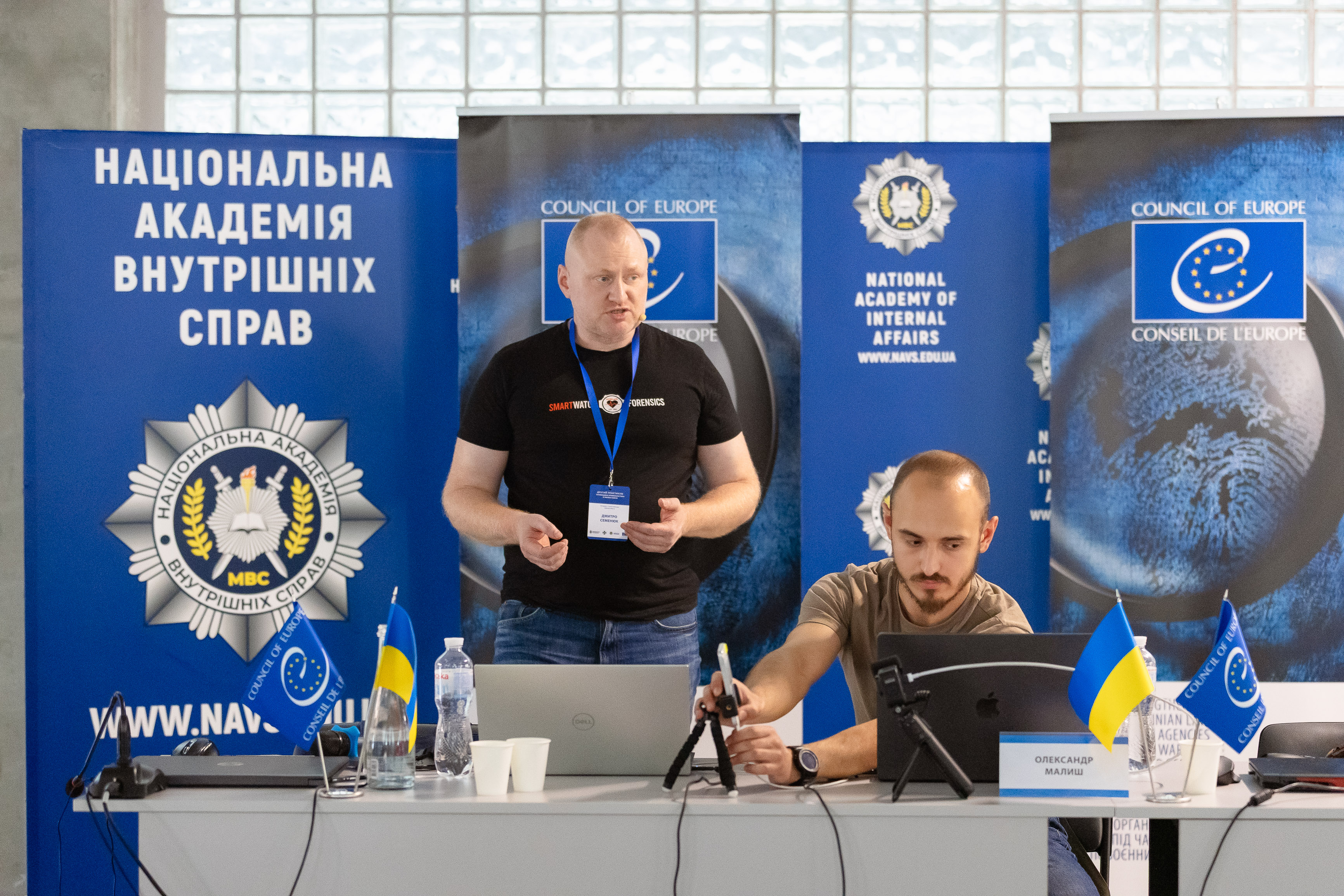
32 investigators and forensic specialists from 12 regions of Ukraine participated in the workshop. Over three days, with facilitation from Council’s and other experts of the Ukrainian law enforcement system, they explored contemporary approaches to digital forensics, electronic evidence, artificial intelligence in investigative work, blockchain analysis, aerial criminalistics, forensic examination of electronic devices, as well as modern methods of collecting, preserving and analysing evidence in war crimes investigations.
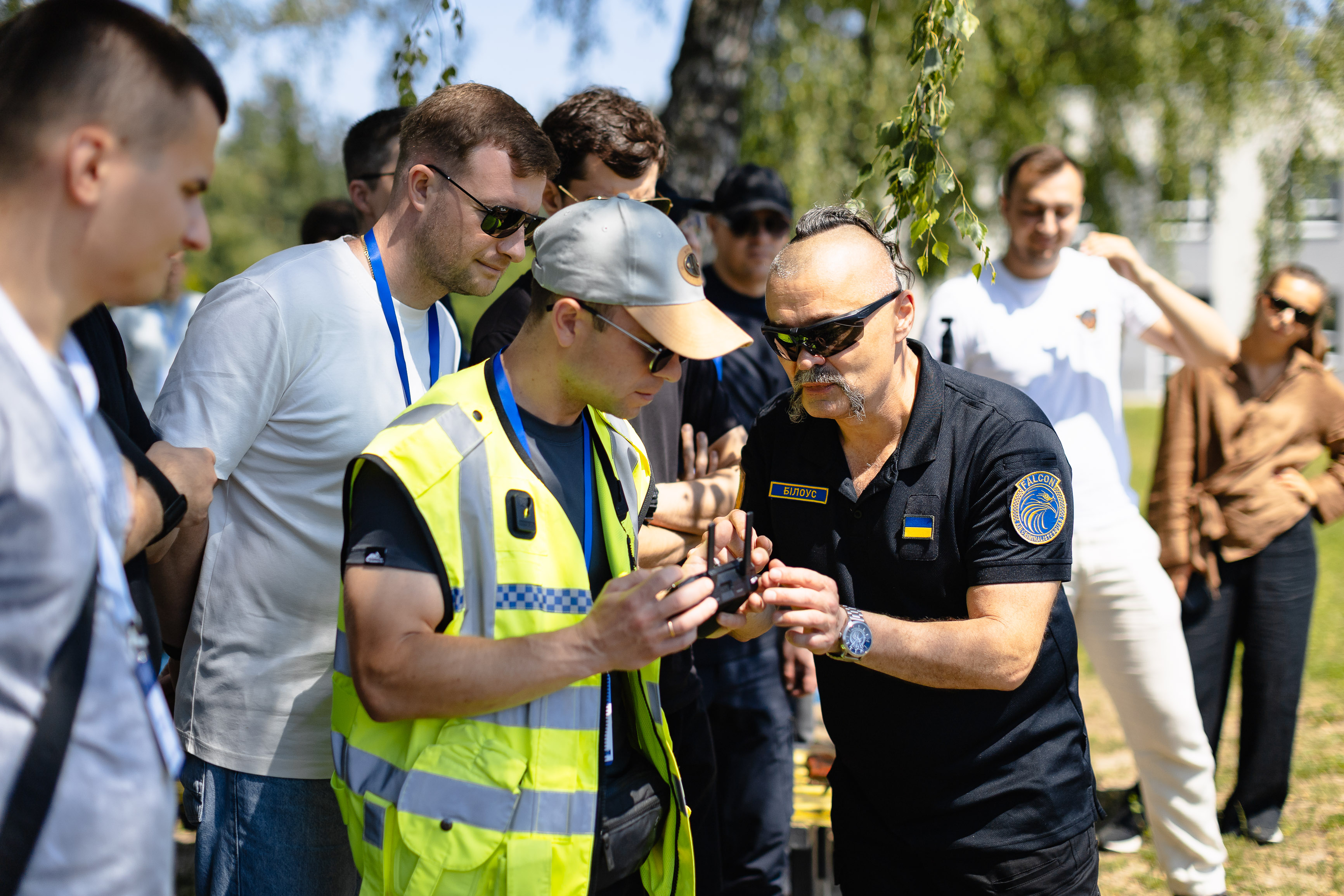
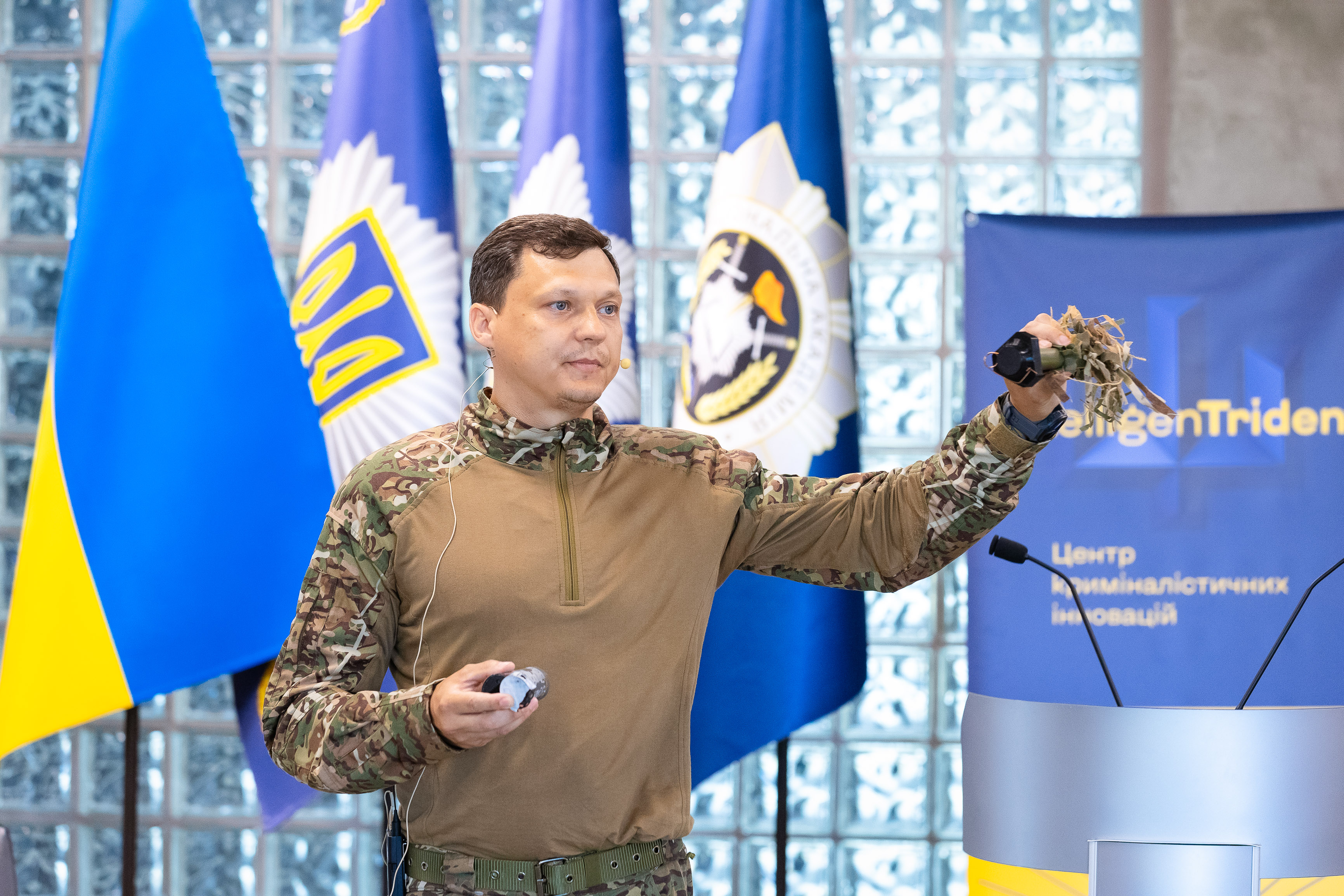
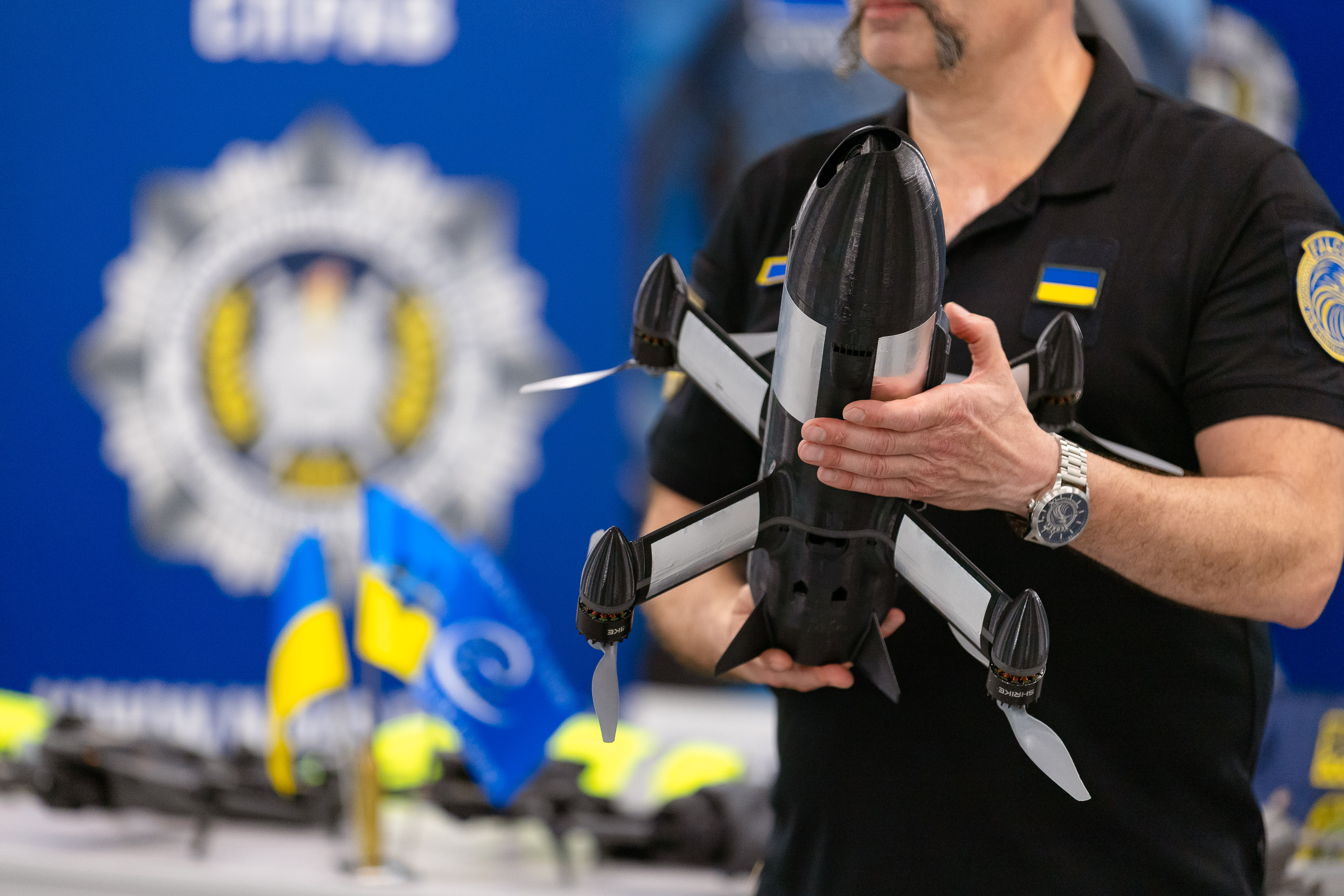
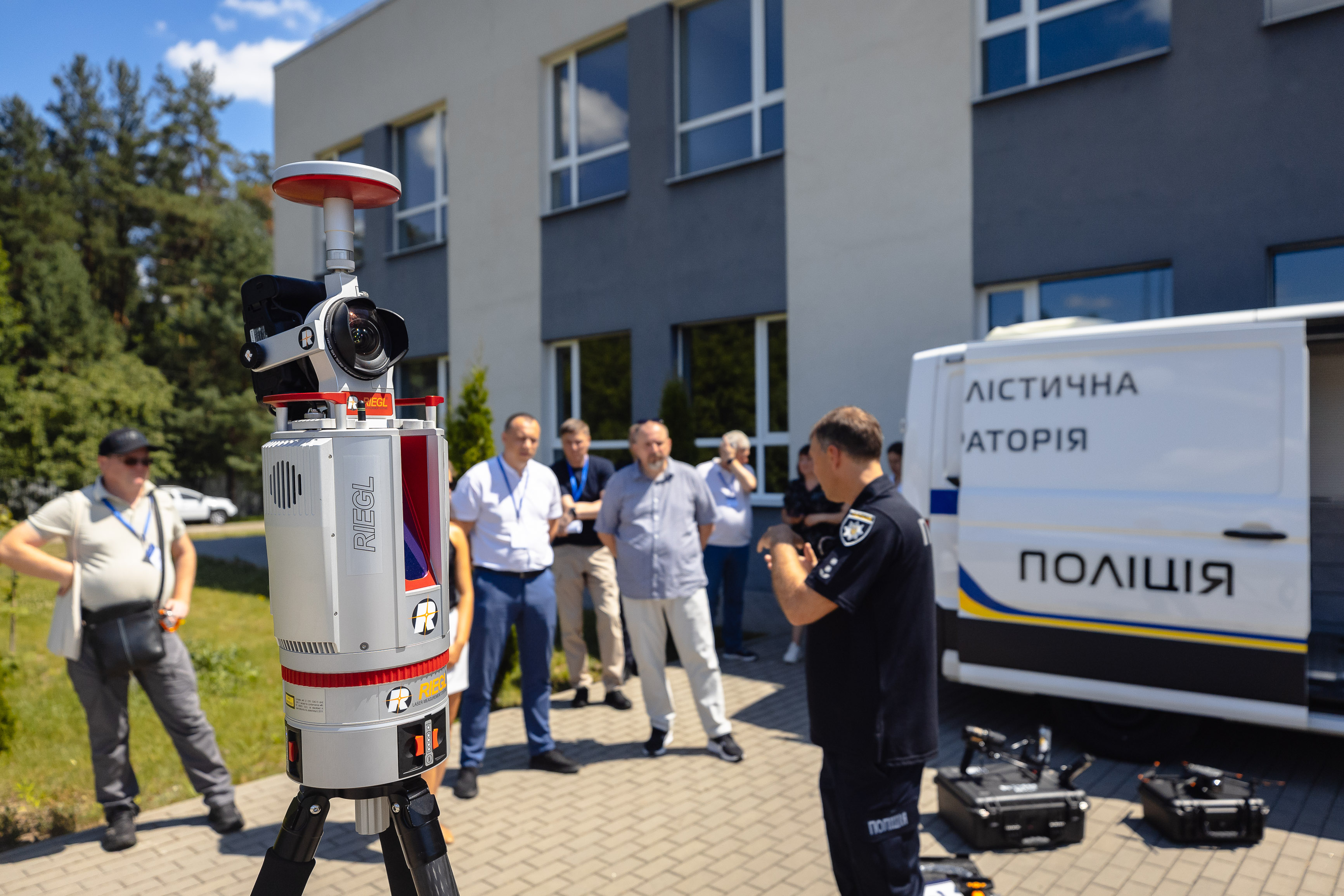
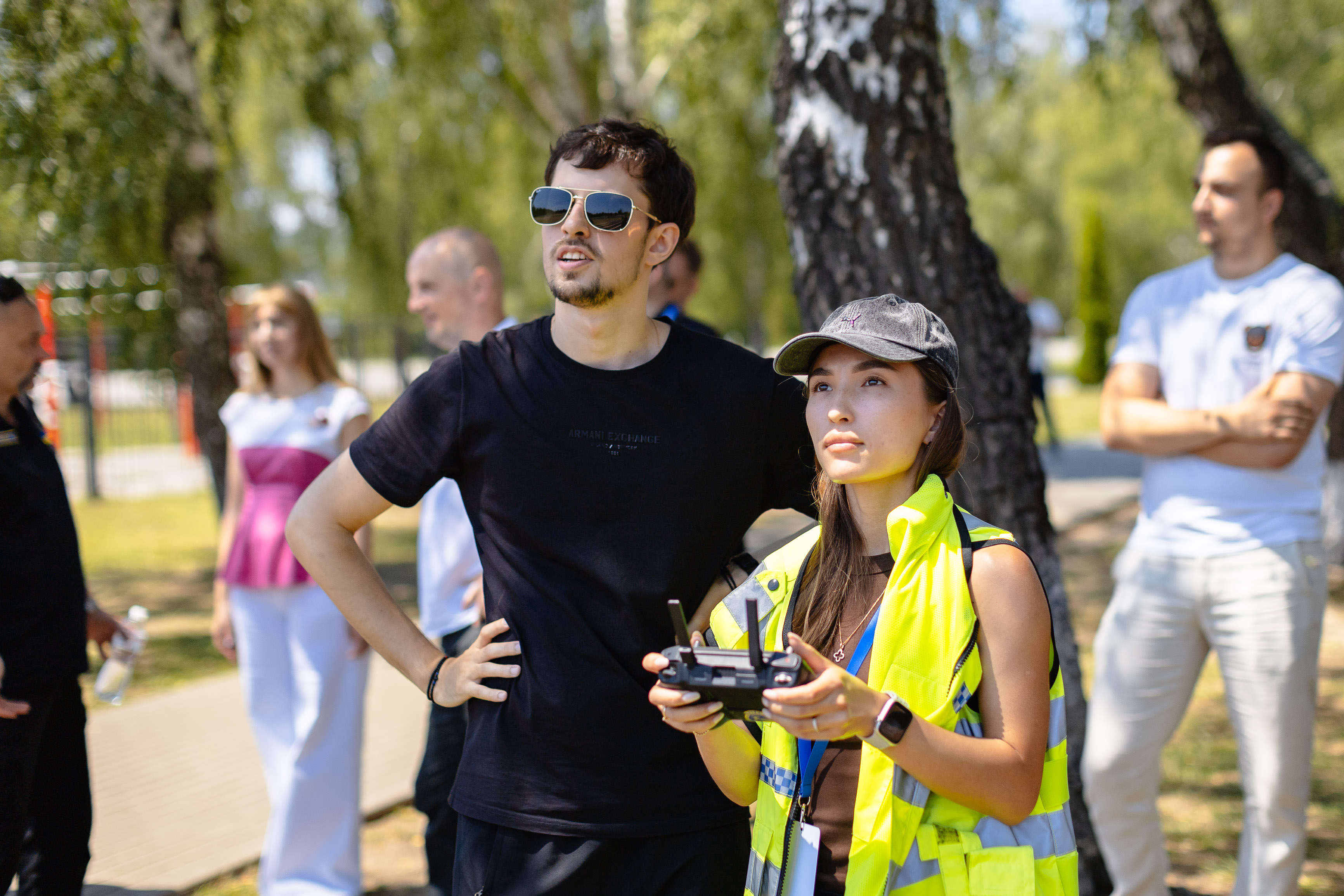
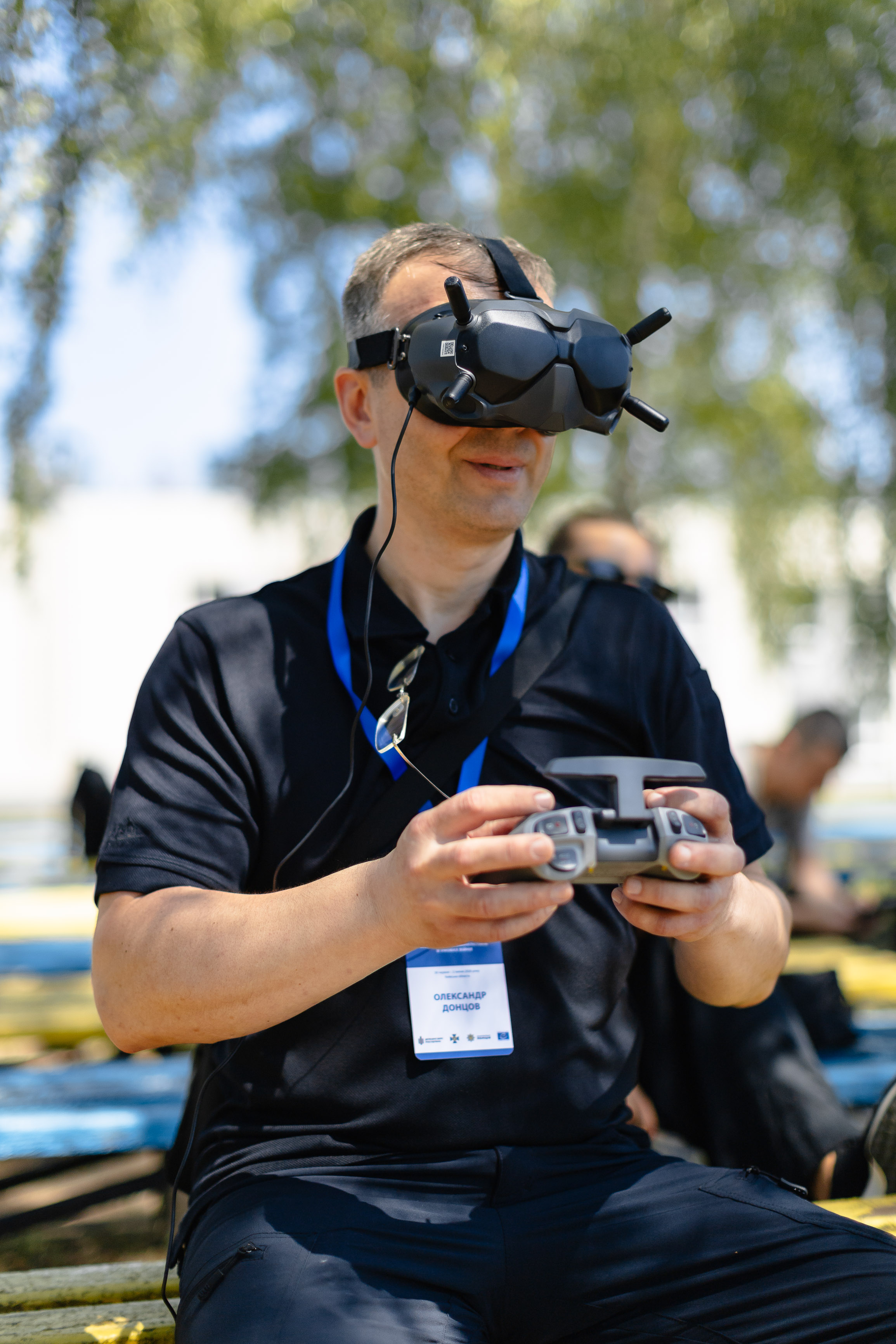
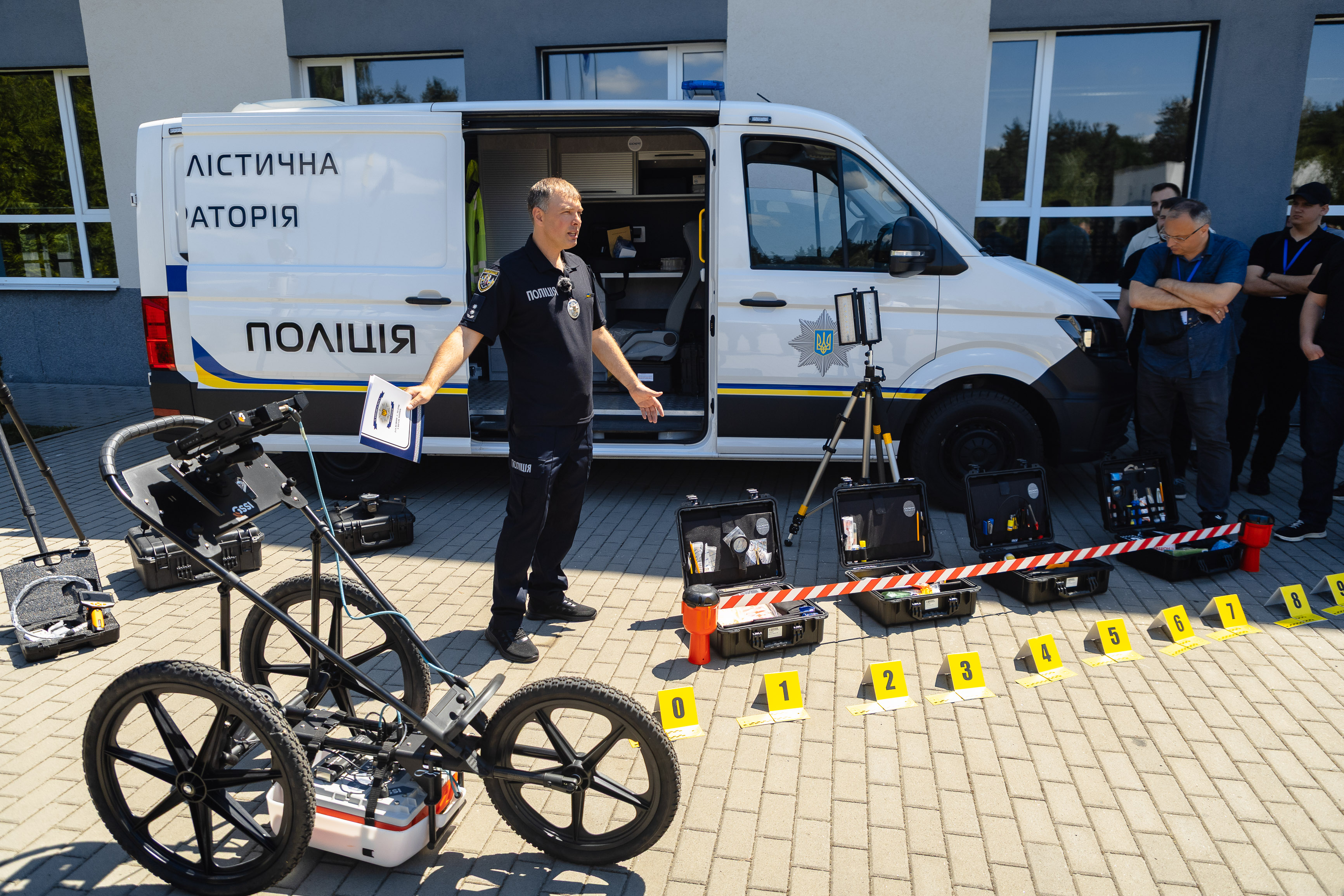
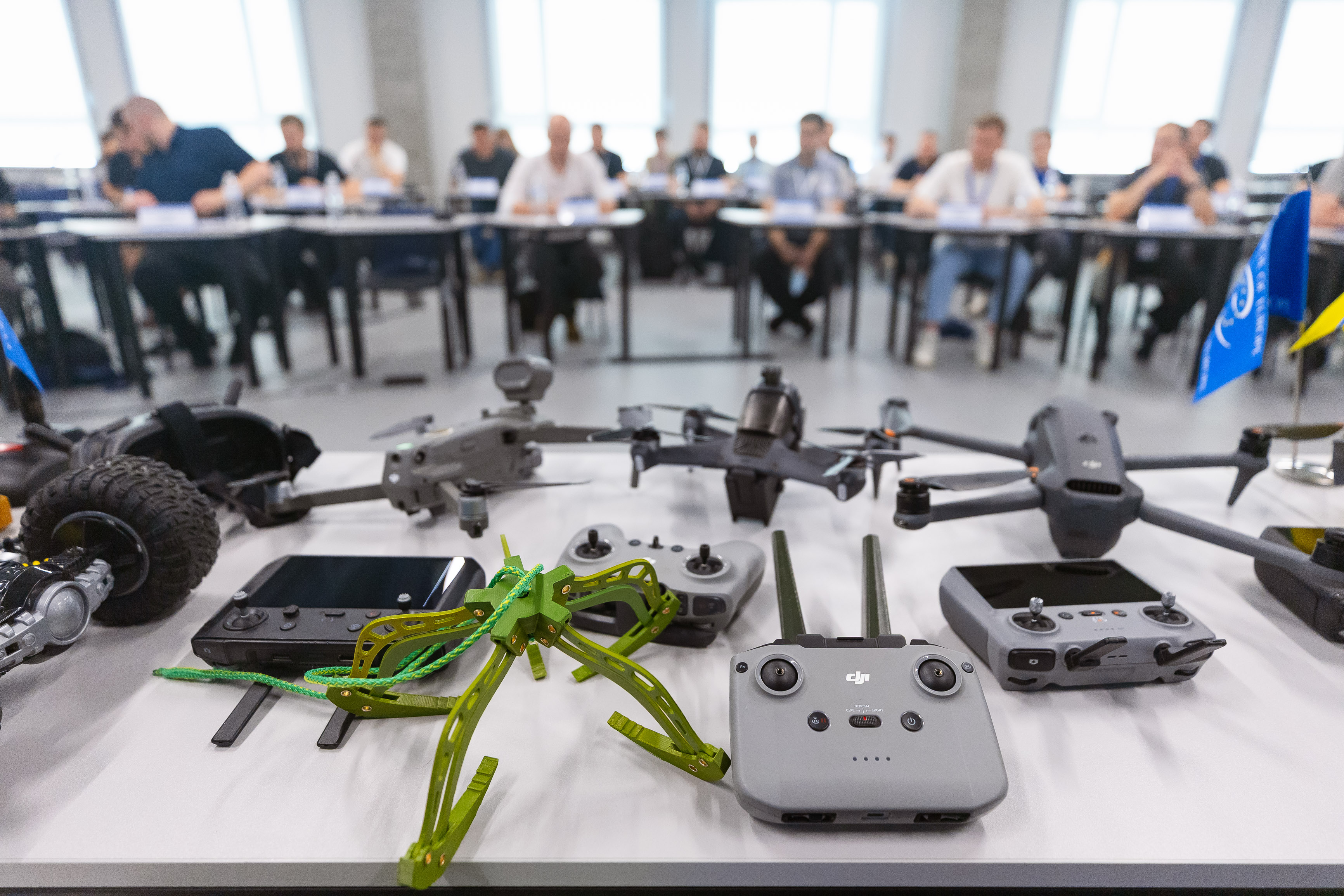
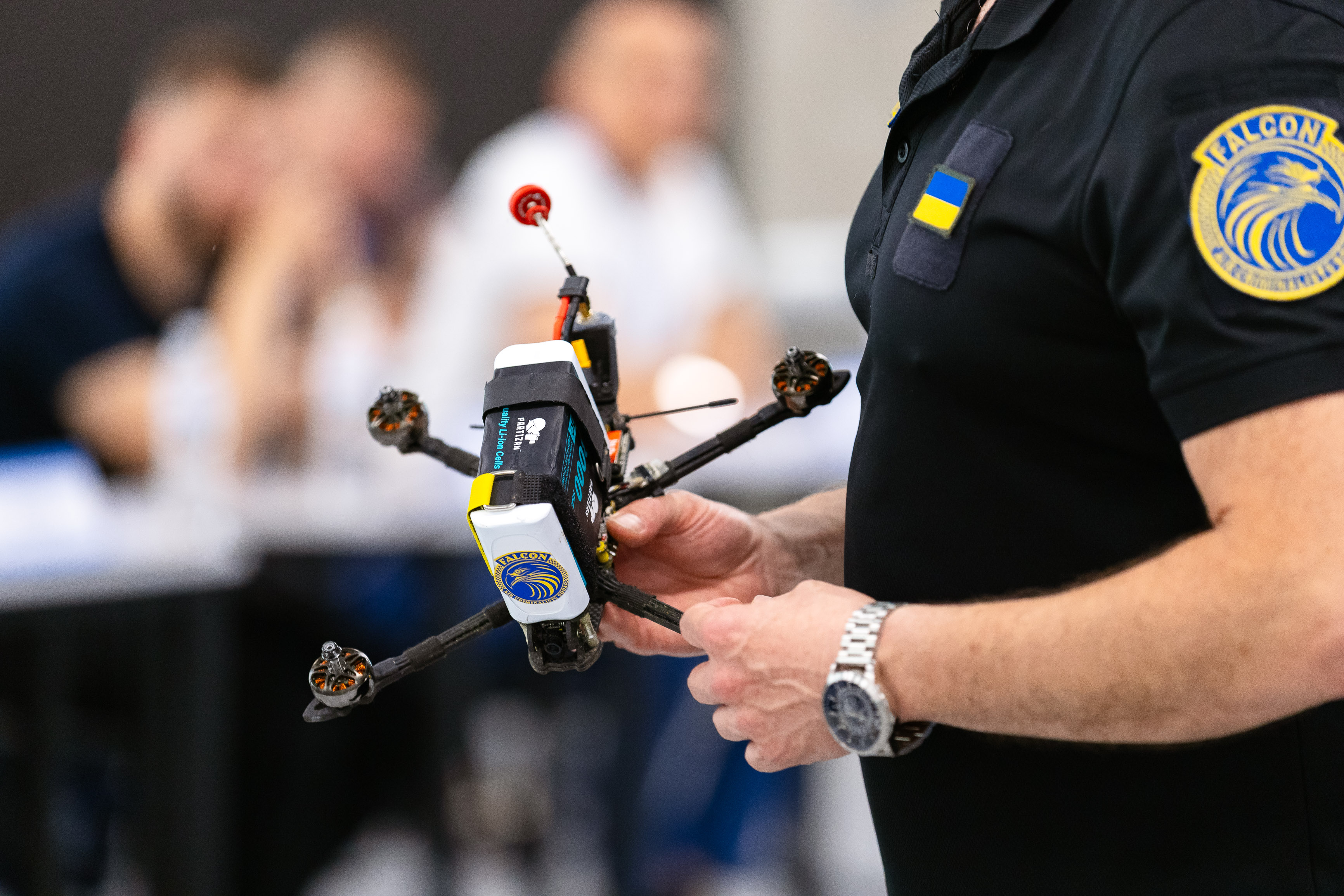
The practical part was covered by hands-on activities and demonstrations of modern forensic equipment, including aerial imaging technologies, digital forensic tools, mobile forensic solutions, 3D scanning technologies and specialised equipment used during crime scene inspections. Participants also discussed practical challenges arising in multidisciplinary cooperation between investigators, forensic specialists and experts, as well as approaches to ensuring safety of investigators operating in hazardous zones.
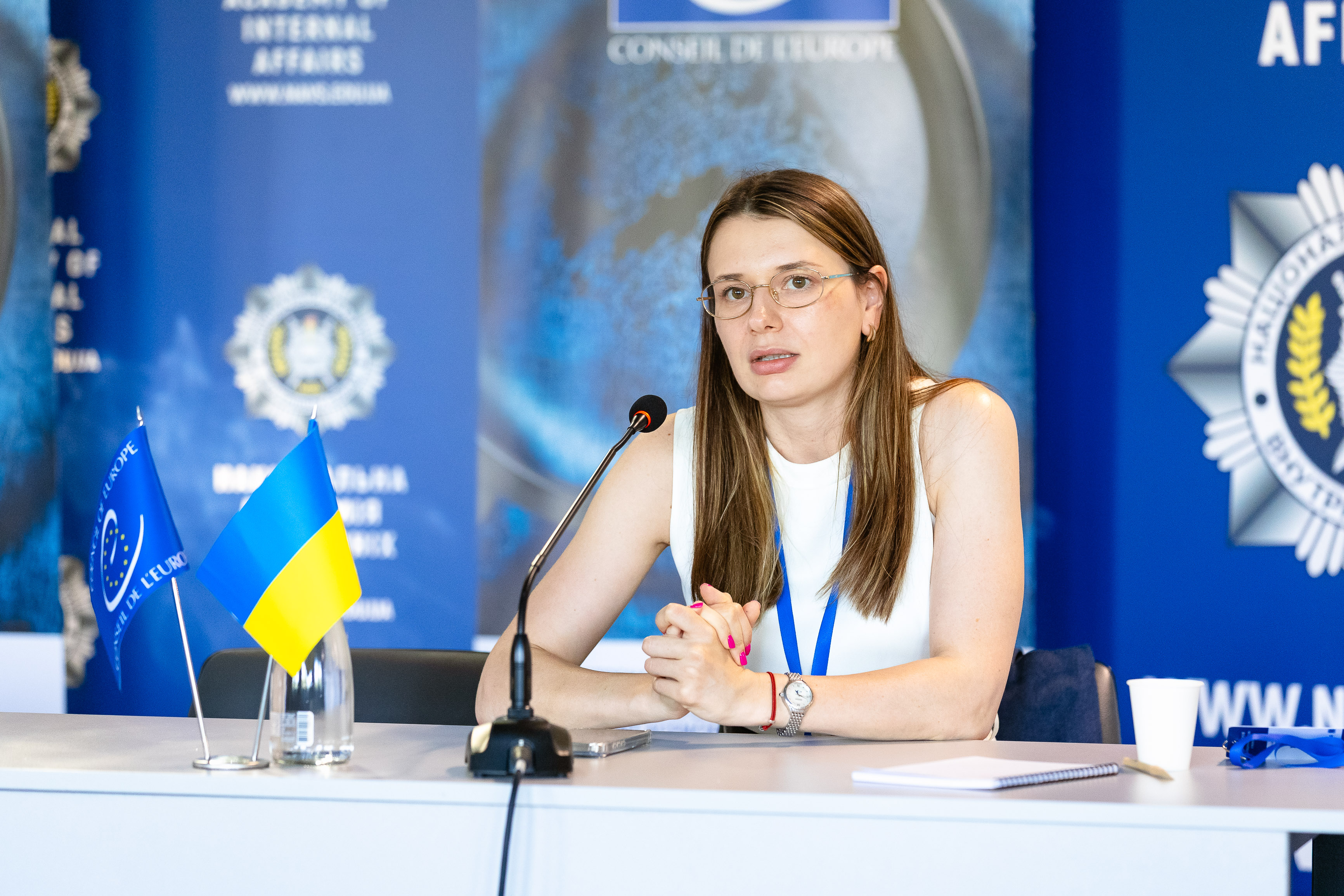
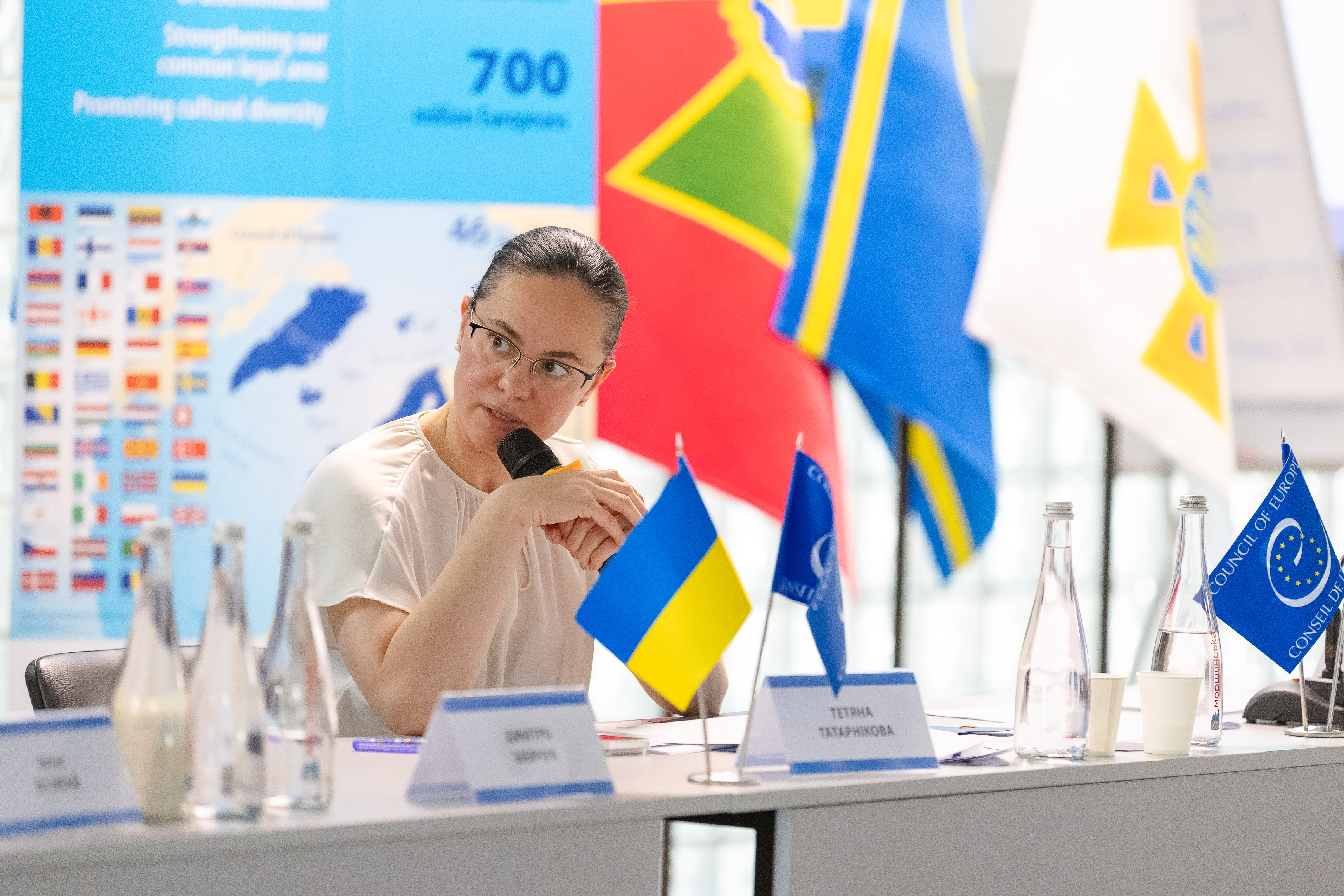
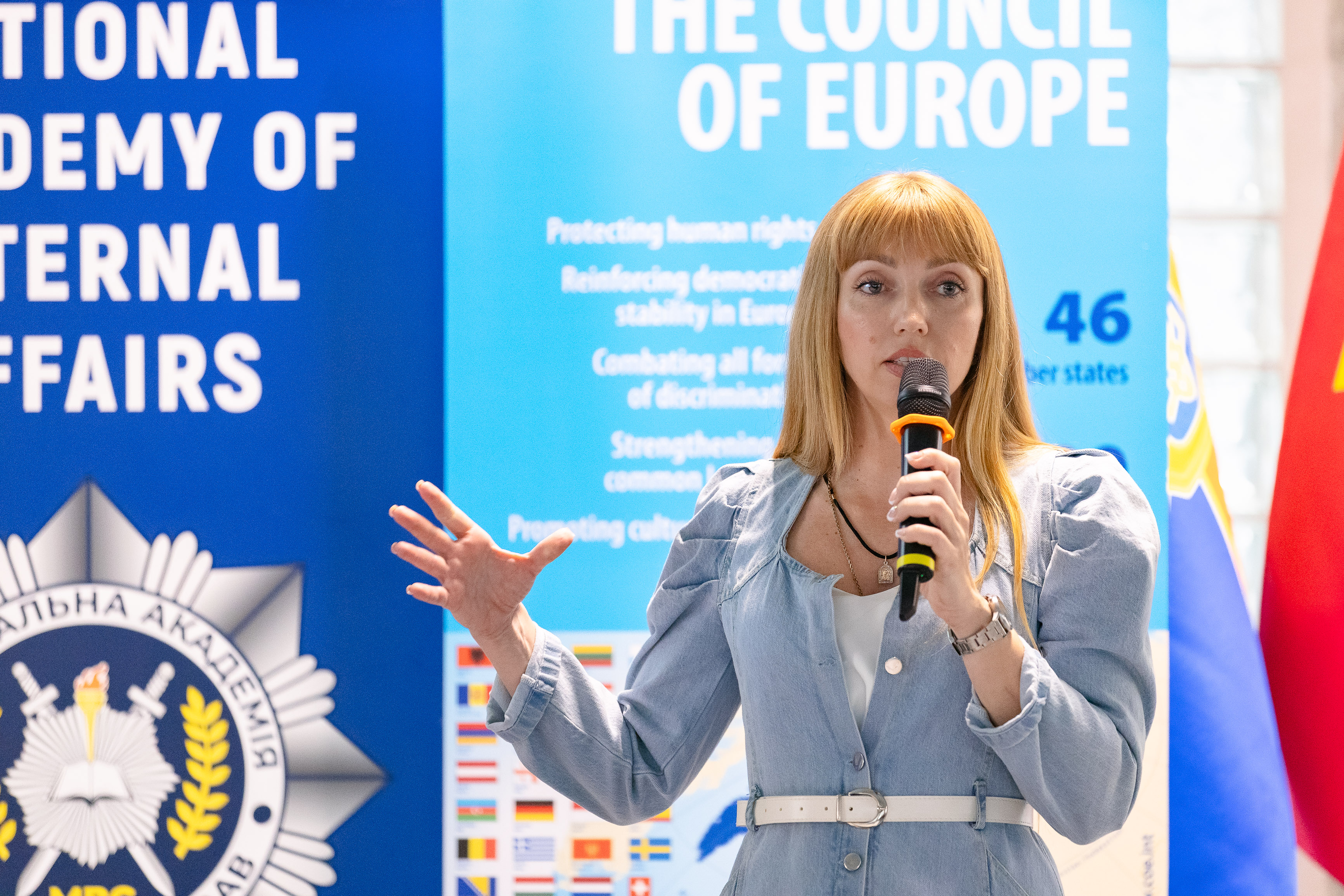
Speaking at the opening of the workshop, Hilde Haug, Deputy Head of the Council of Europe Office in Ukraine, highlighted: “Our support is guided by a very clear principle: innovation must serve justice. It must help investigators and forensic experts act effectively, but always within the framework of legality, proportionality, judicial or independent supervision, human rights and the rule of law.”
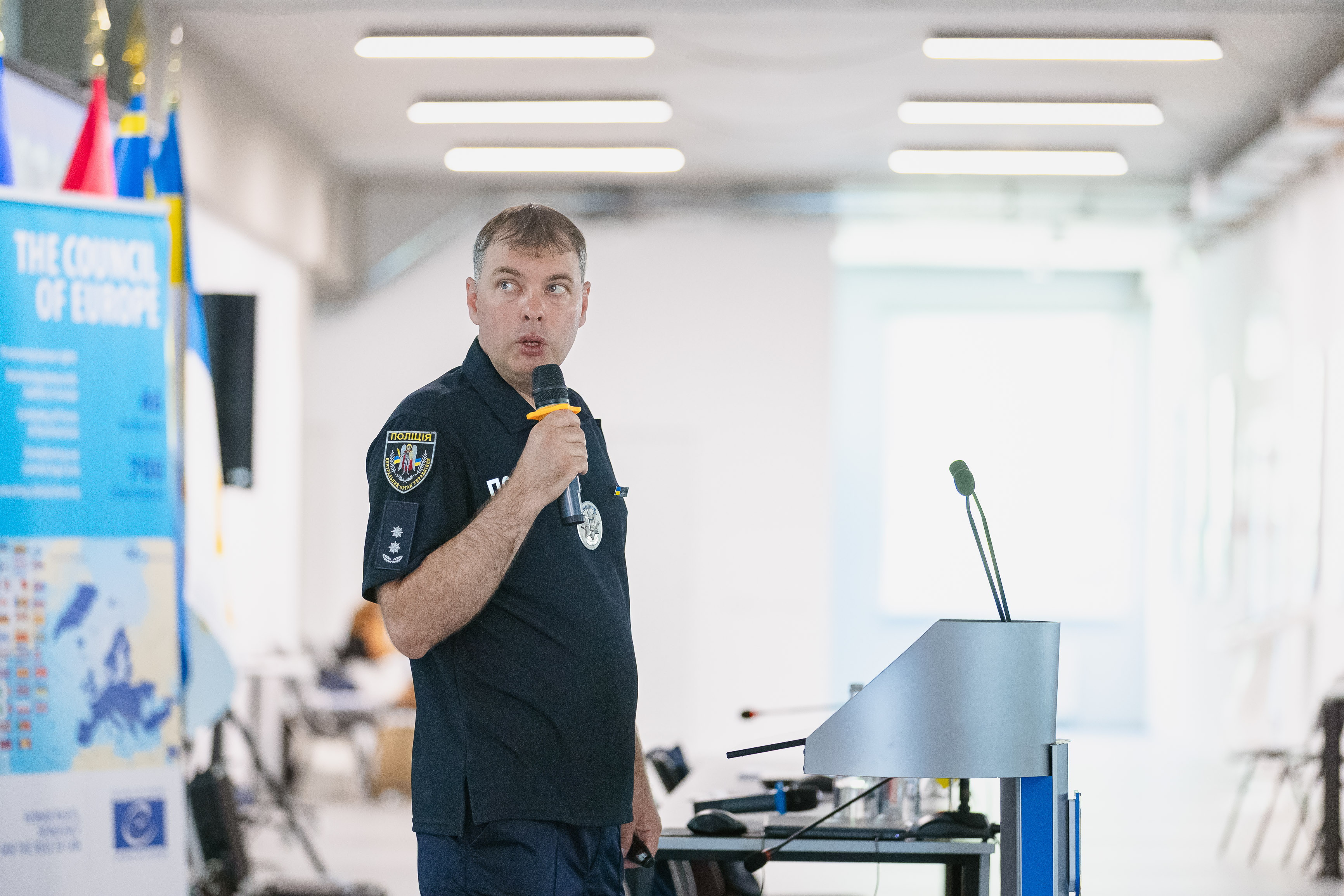
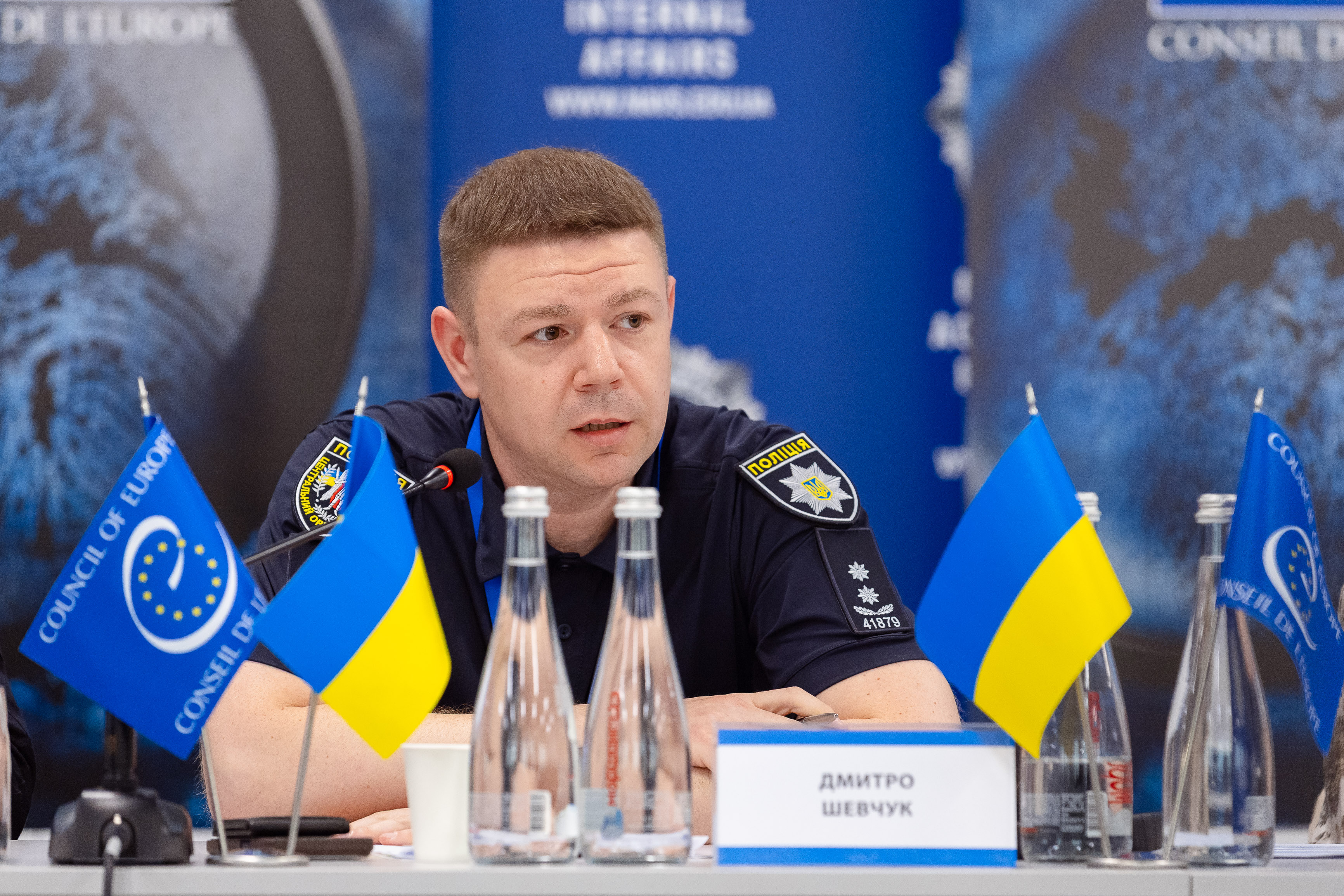
“The war has forced us to rethink our investigative approaches. We are used to working where there is a crime scene, physical evidence, witnesses, and suspects. But the war has changed those rules. A significant portion of the crime scenes remain occupied. Witnesses have fled their homes or been killed. Documents have been destroyed. And those who committed crimes were outside Ukrainian jurisdiction. Under these circumstances, it became clear that traditional sources of evidence were no longer sufficient. That is why one of the first decisions made by the National Police of Ukraine was to rethink the very process of gathering evidence” - noted Dmytro Shevchuk, Deputy Head of National Police of Ukraine’s War Crimes Investigation Division.
Participants particularly valued that the workshop also served as a platform for professional exchange among representatives of different law enforcement agencies and regions of Ukraine as well as it’s practical orientation.
“I am grateful for this opportunity to work with technologies and methodologies that are already being applied in real investigations and to share impressions and experience with colleagues who apply these in other regions or for other forms of crimes” noted a participant of the workshop representing the main investigation department of the Security Service of Ukraine.
The workshop was organised by the Council of Europe within the framework of the projects “Strengthening Ukrainian Law Enforcement Agencies During War and Post-War Period - Phase II” and “CyberUA: Strengthening capacities on electronic evidence of war crimes and gross human rights violations in Ukraine”, in co-operation with the State Bureau of Investigation, the Security Service of Ukraine, the National Police of Ukraine and the National Academy of Internal Affairs. The projects are implemented within the framework of the Council of Europe Action Plan for Ukraine “Resilience, Recovery and Reconstruction” for 2023-2026.