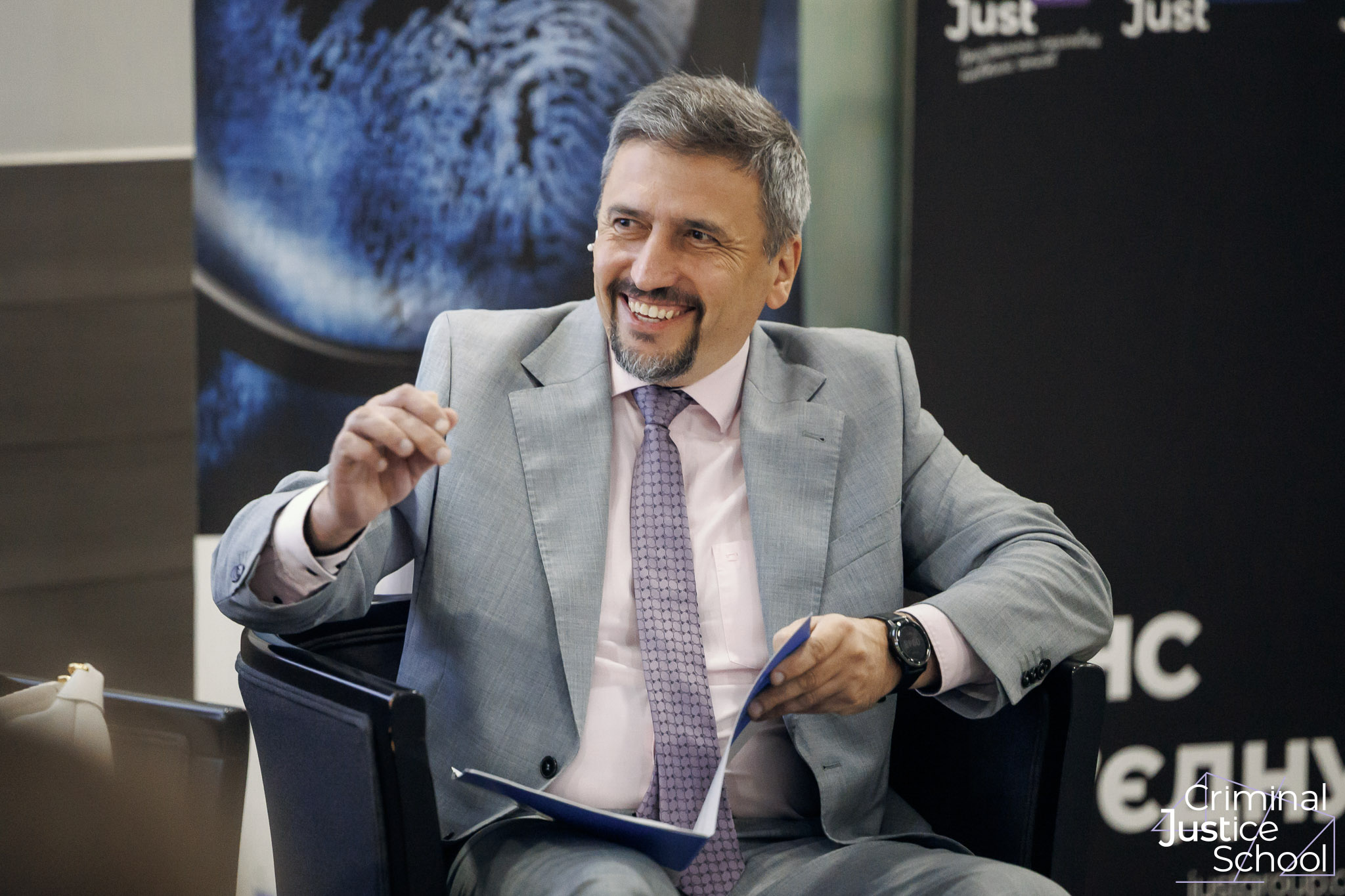
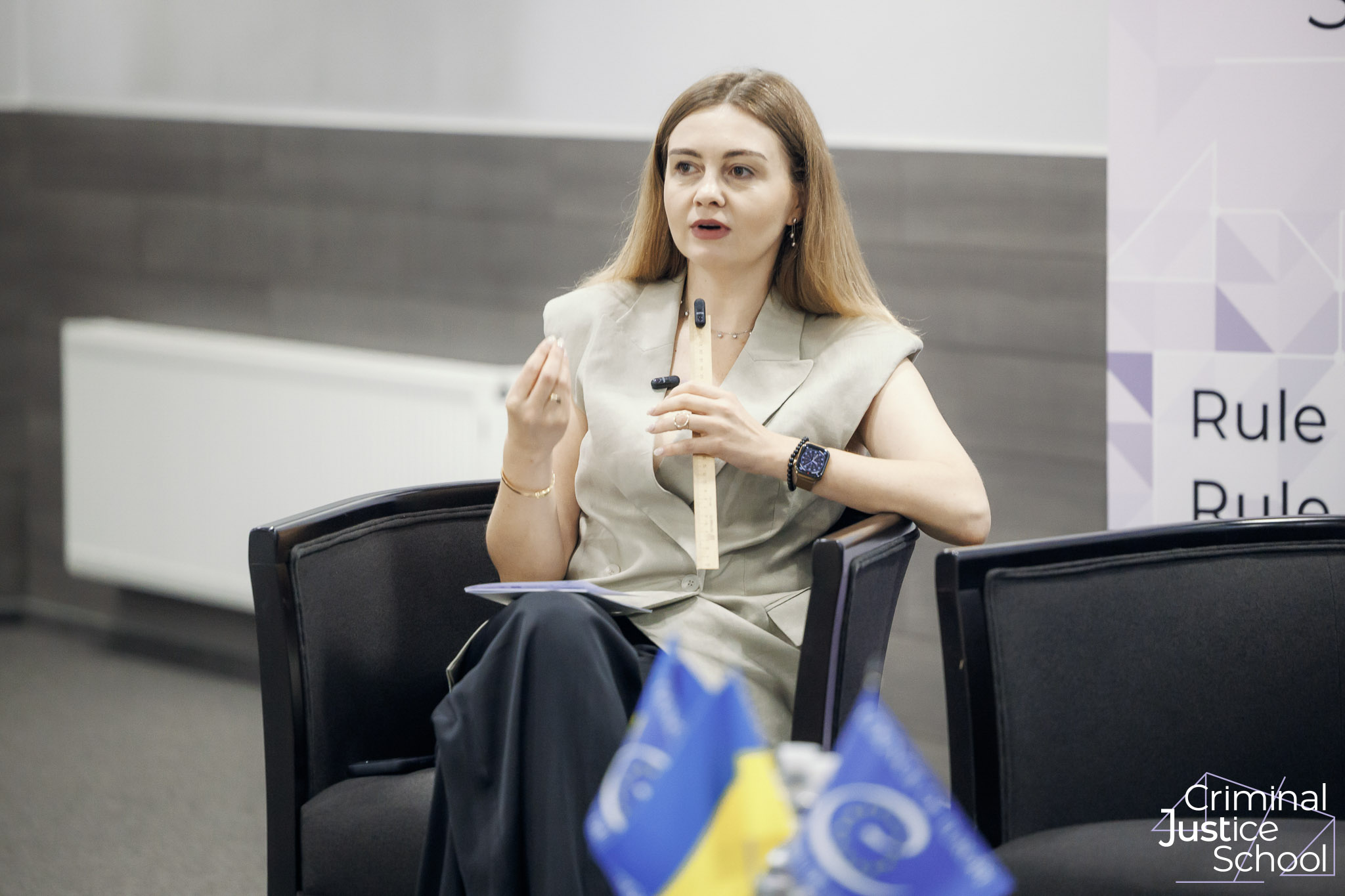
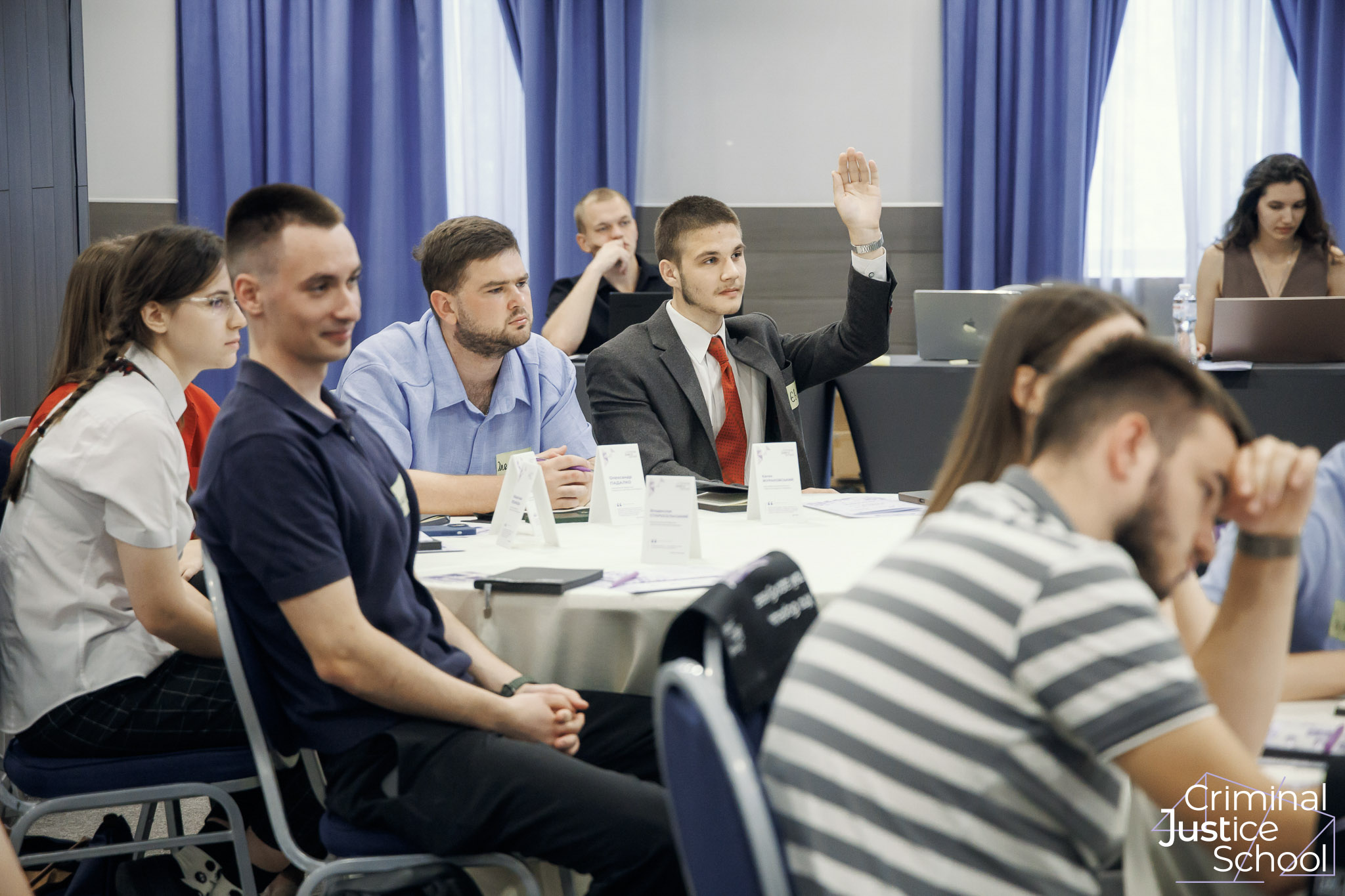
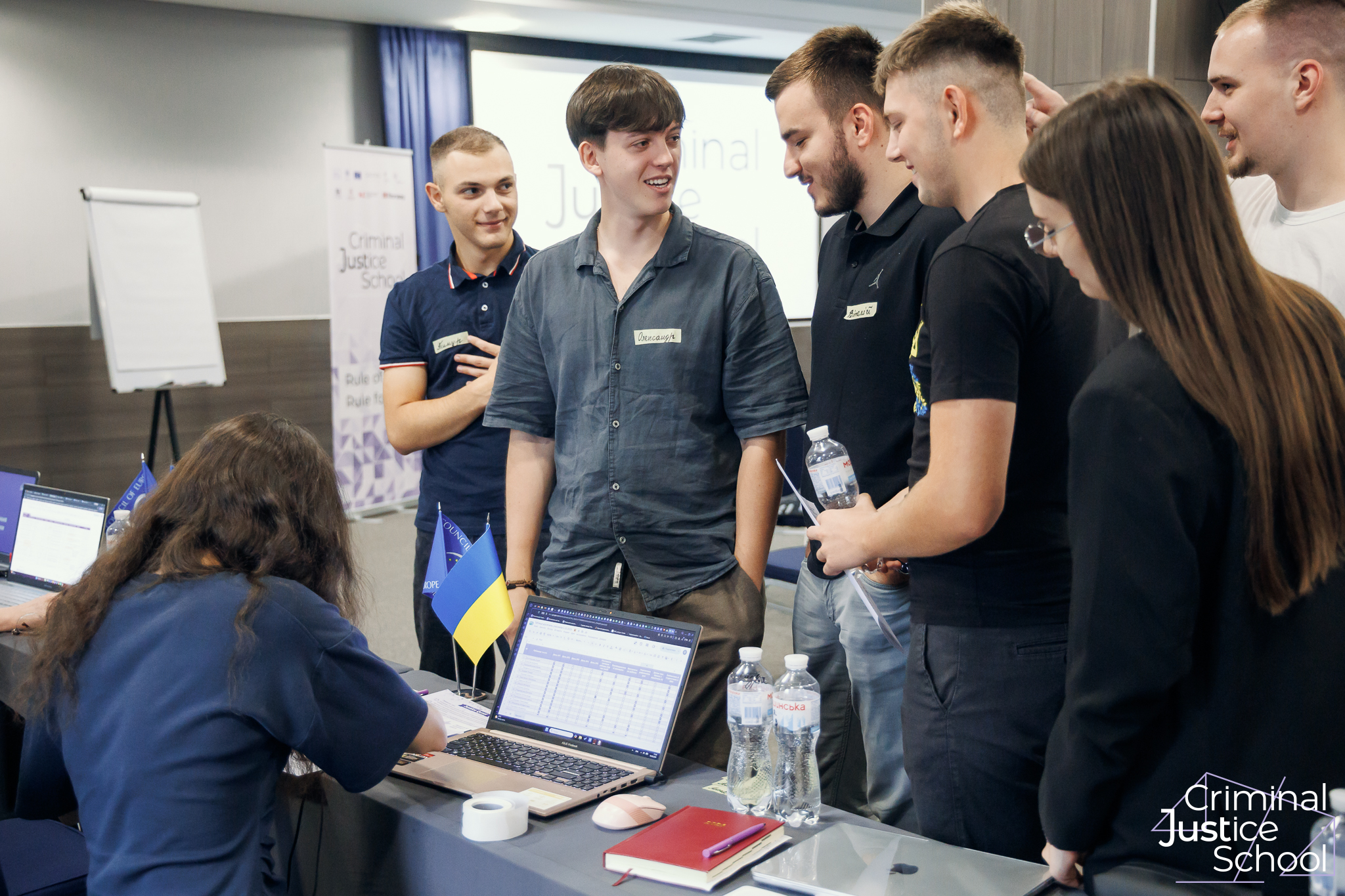
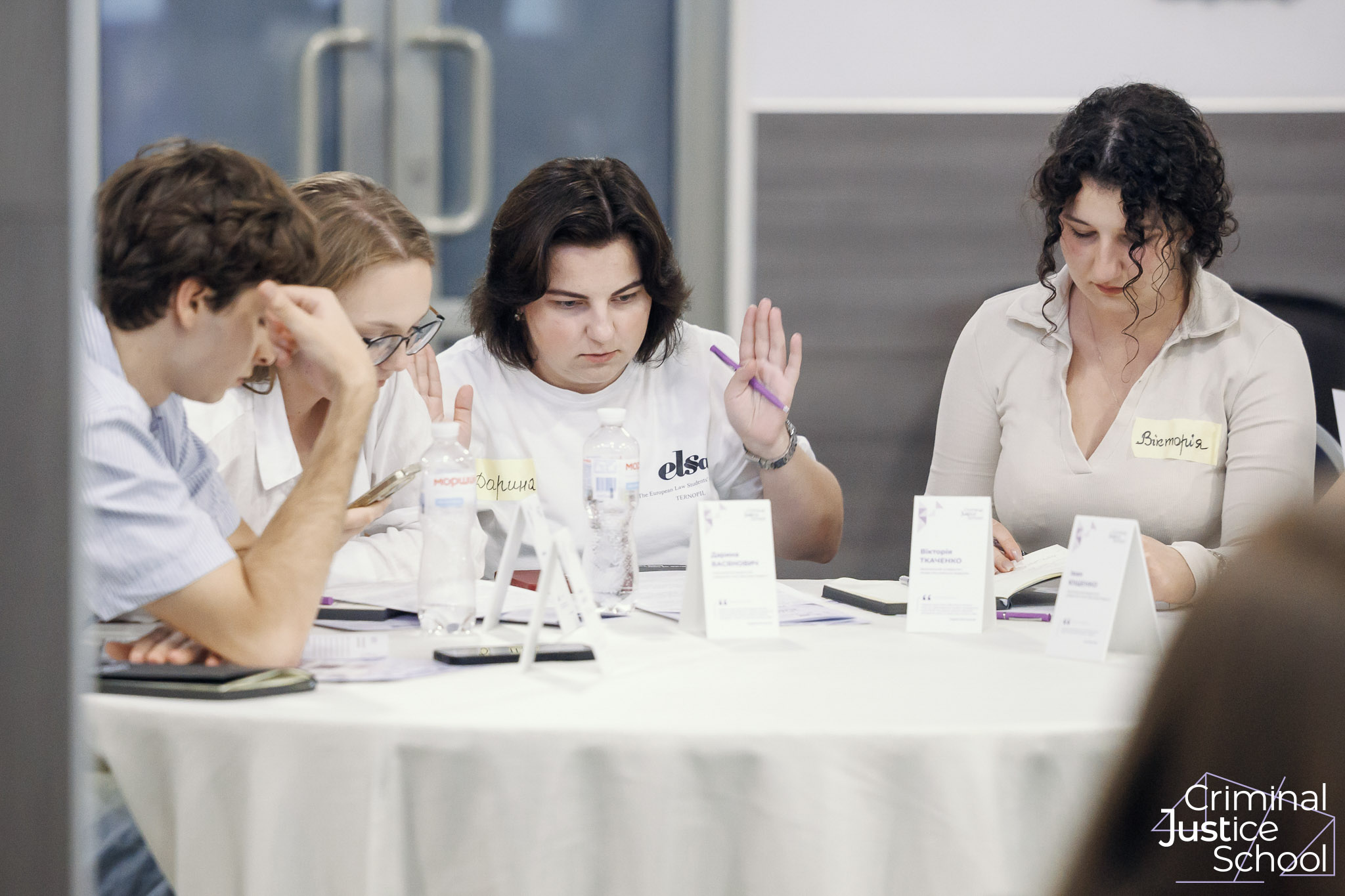
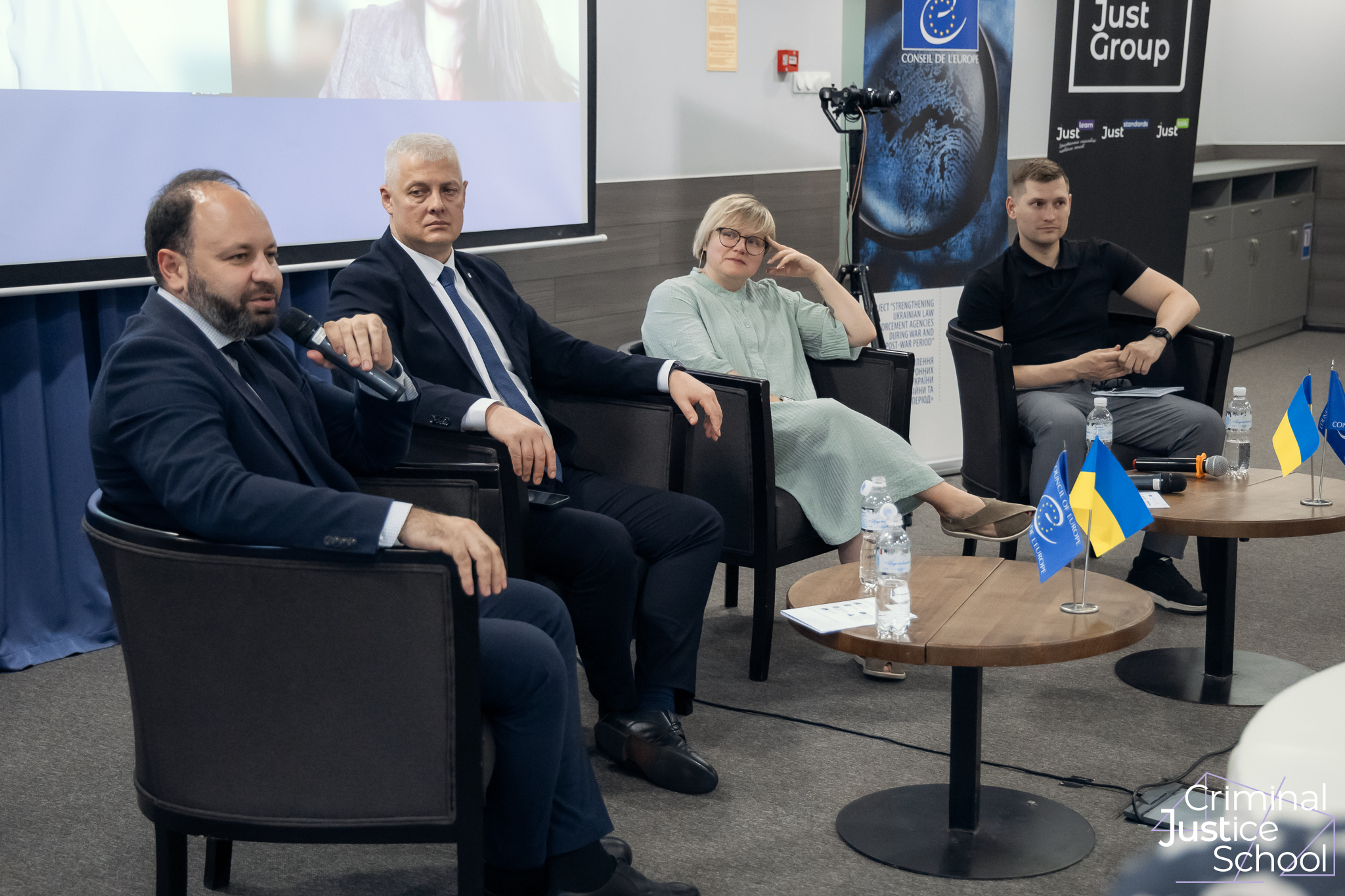
From 17 to 21 August 2026, another edition of the Criminal Justice Summer School brought together future legal professionals and leading criminal justice practitioners in Kyiv to explore some of the most pressing legal and ethical questions facing Ukraine’s criminal justice system today.
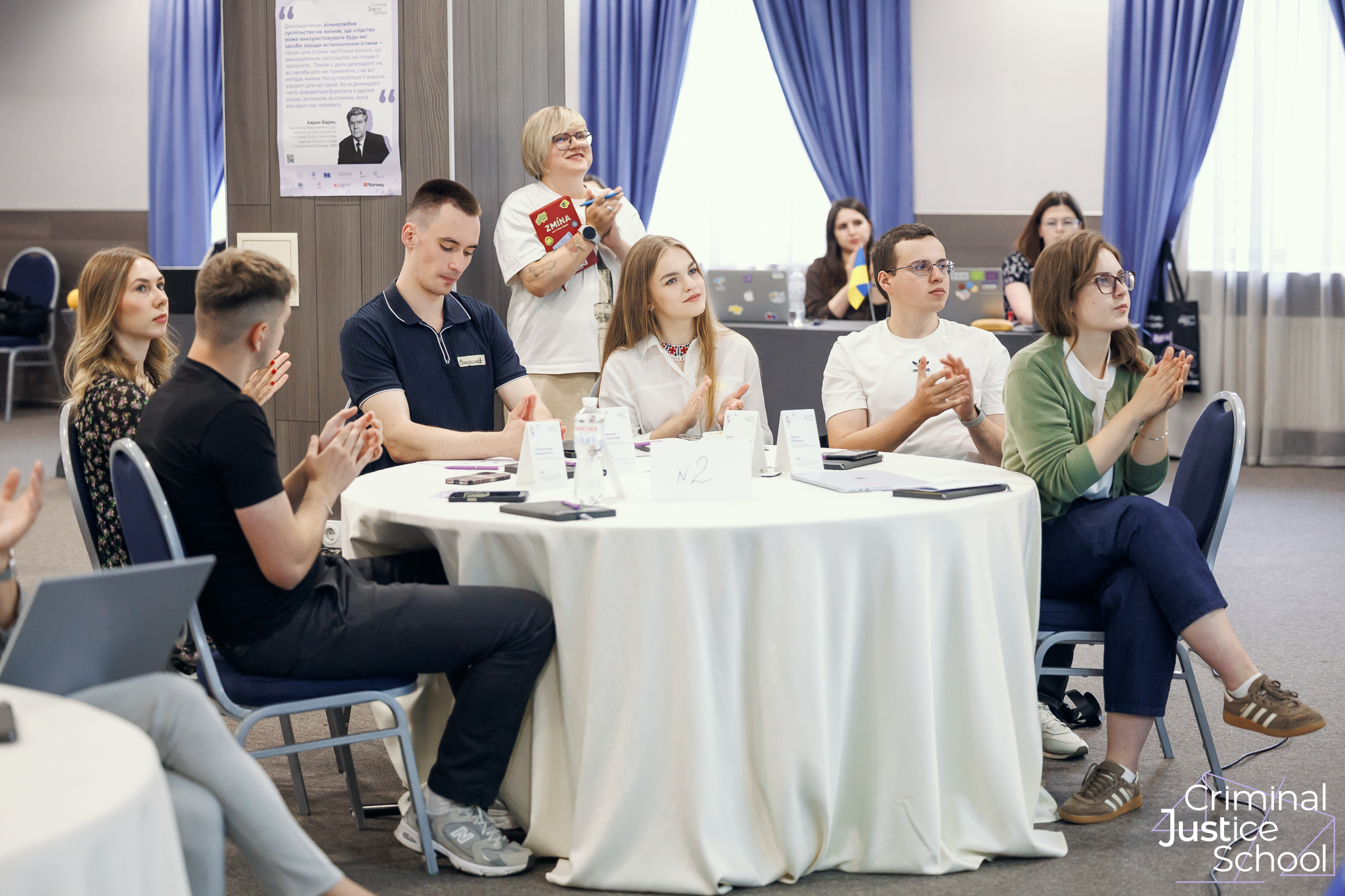
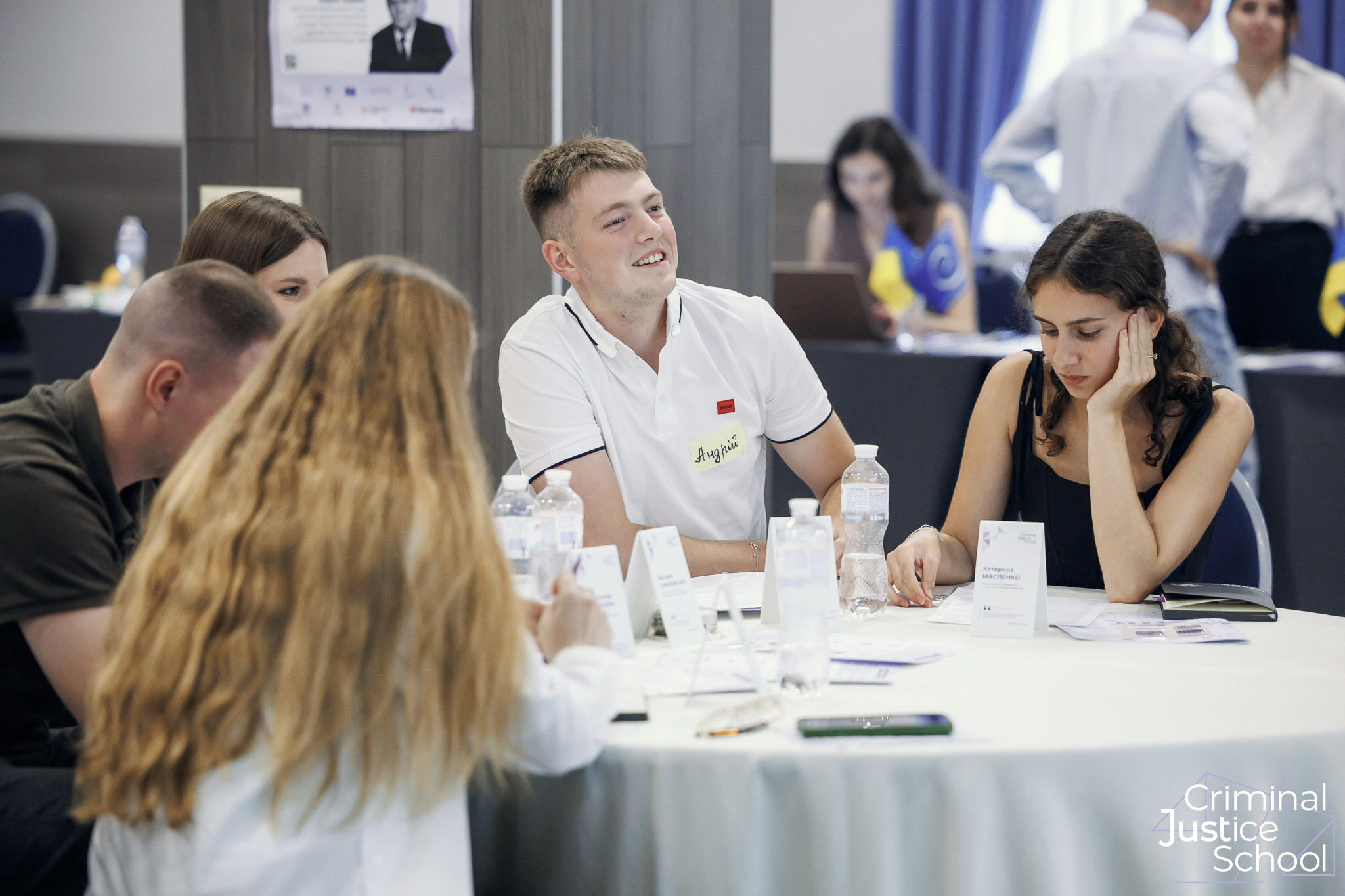
As part of its continued support to the Criminal Justice Summer School, the Council of Europe invests in opportunities for the next generation of legal professionals to engage directly with judges, prosecutors, investigators, lawyers, human rights experts and academics. This year, 25 students were selected through a competitive process, representing 10 higher education institutions and 15 regions of Ukraine.
The School takes place at a time when Ukraine’s criminal justice system is operating under extraordinary pressure caused by the Russian Federation’s war of aggression against Ukraine. Ukraine is pursuing accountability for international crimes and responding to the needs of victims, while at the same time strengthening its democratic institutions and advancing on its European path. The professional standards and practices developed today will therefore have consequences for the justice system long after the war.
The Council of Europe contributes to Ukraine’s broader accountability efforts through, among other things, the Register of Damage Caused by the Aggression of the Russian Federation against Ukraine, work towards a comprehensive compensation mechanism, and the Special Tribunal for the Crime of Aggression against Ukraine. These efforts are underpinned by the principle that accountability and the fight against impunity must go hand in hand with respect for human rights and the rule of law.
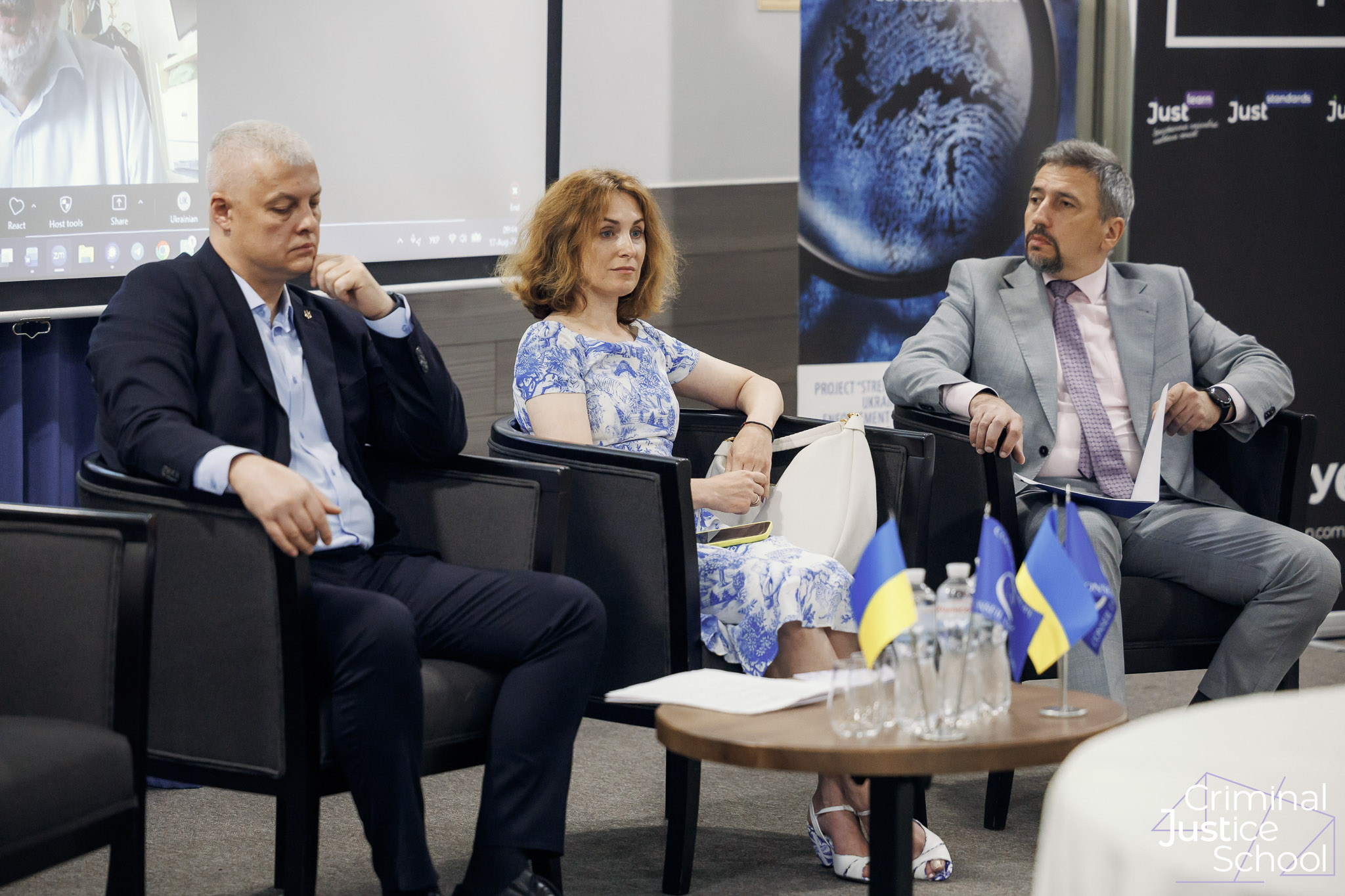
Opening the School, Maciej Janczak, Head of the Council of Europe Office in Ukraine, emphasised the particular responsibility that the next generation of legal professionals will carry: “You will not simply inherit Ukraine’s justice system – many of you will have an opportunity to shape what it becomes. Legal knowledge will be indispensable, but knowledge alone will not be enough. Integrity, independence, professional courage and respect for human dignity will be equally important. The justice system you help build must be capable of ensuring accountability and delivering justice while remaining firmly anchored in human rights, democracy and the rule of law.”
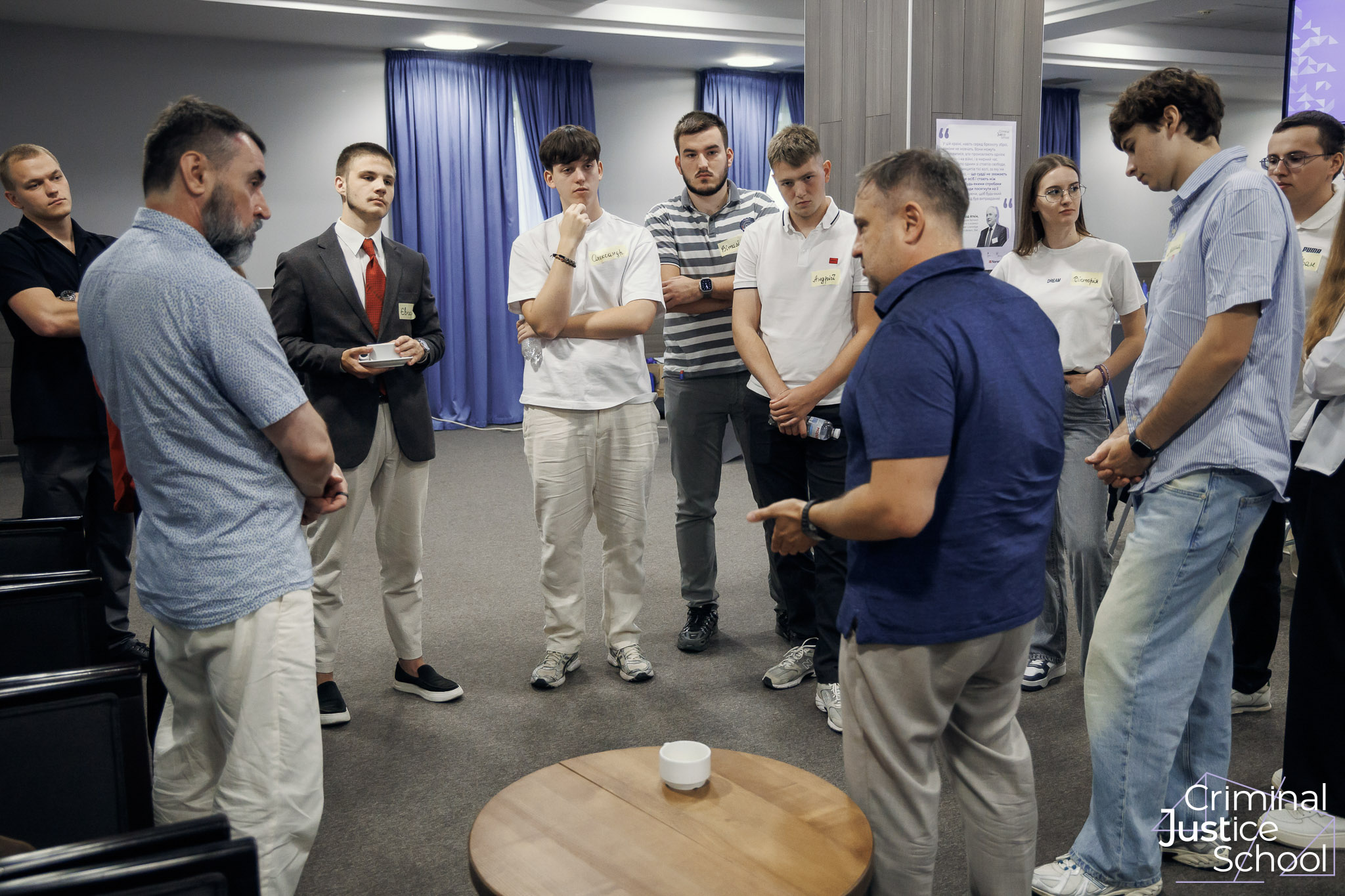
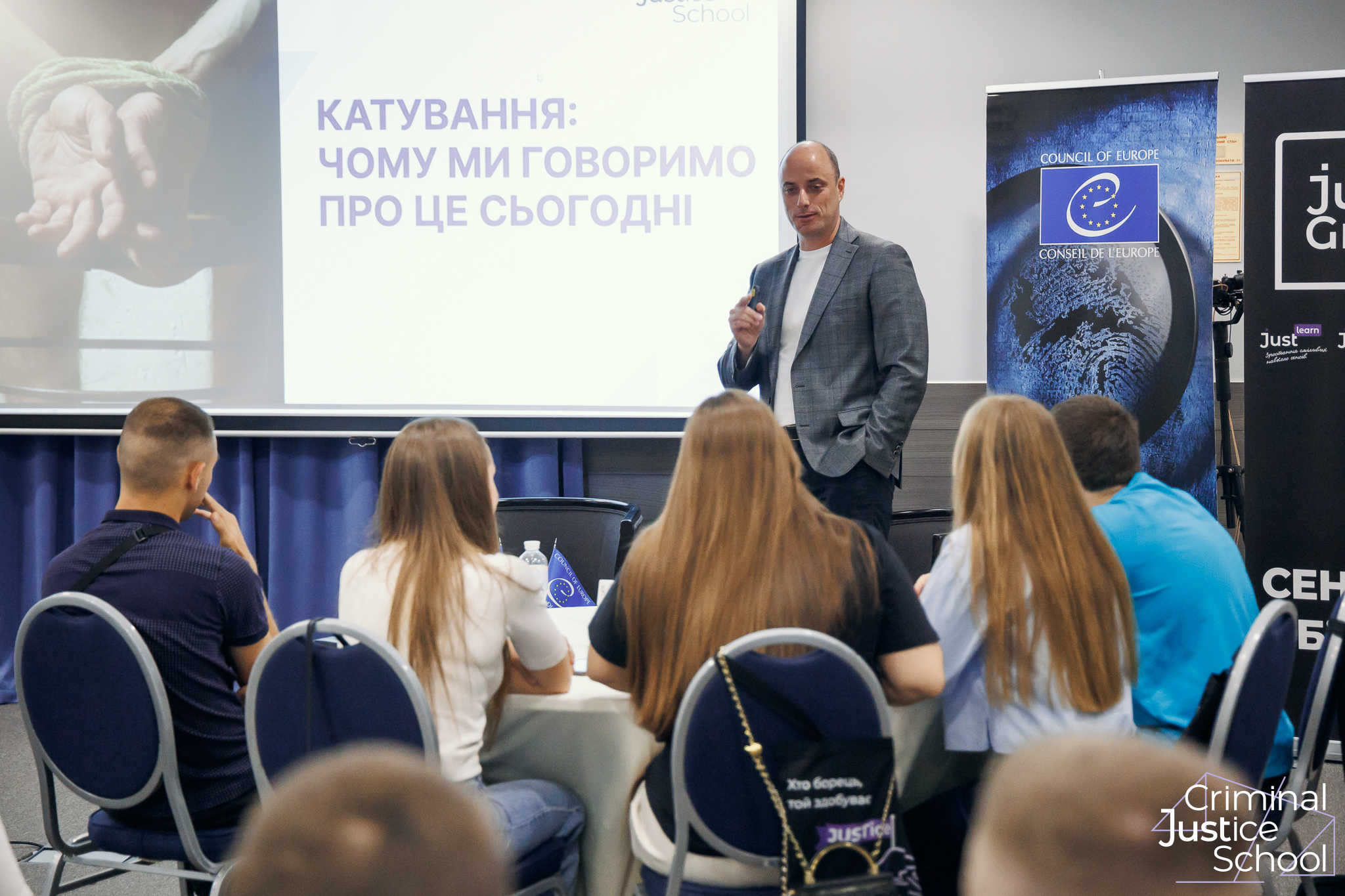
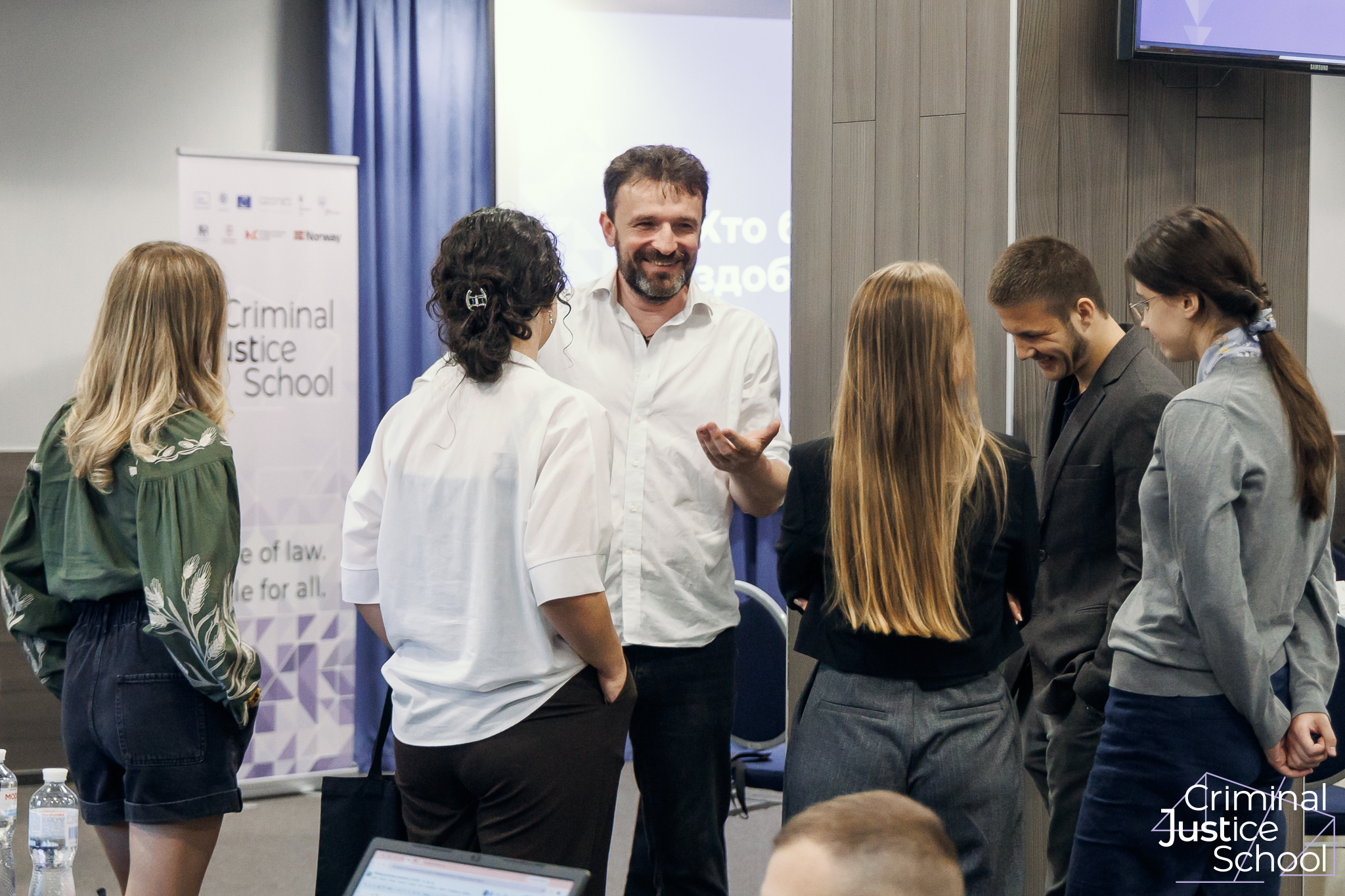
Over five days, participants explored key human rights challenges in criminal justice, from the relationship between international humanitarian law and human rights law and restrictions on rights during wartime to transitional justice and redress for victims of war. The programme also addressed the absolute prohibition of torture and ill-treatment, investigative interviewing, privacy and property rights, the presumption of innocence, the right to a fair trial and the admissibility of evidence. Through discussions, interactive sessions and exchanges with experienced practitioners, students examined how these standards apply in practice and how to balance the interests of criminal investigations with the protection of individual rights.
The 2026 Criminal Justice Summer School is organised by JustGroup with the support of the Council of Europe Office in Ukraine; the International Bar Association (IBA); the Norwegian Directorate for Higher Education and Skills (HK-dir) as part of the Nansen EDU programme, which supports a partnership between JustGroup, the Faculty of Law at NaUKMA, King Danylo University and the University of Oslo; and Azones Law Firm, in partnership with the Supreme Court and the High Anti-Corruption Court.