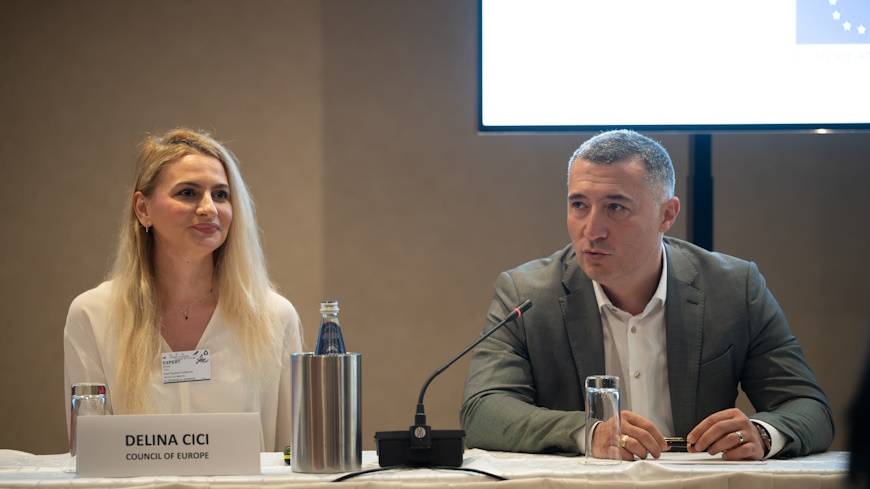
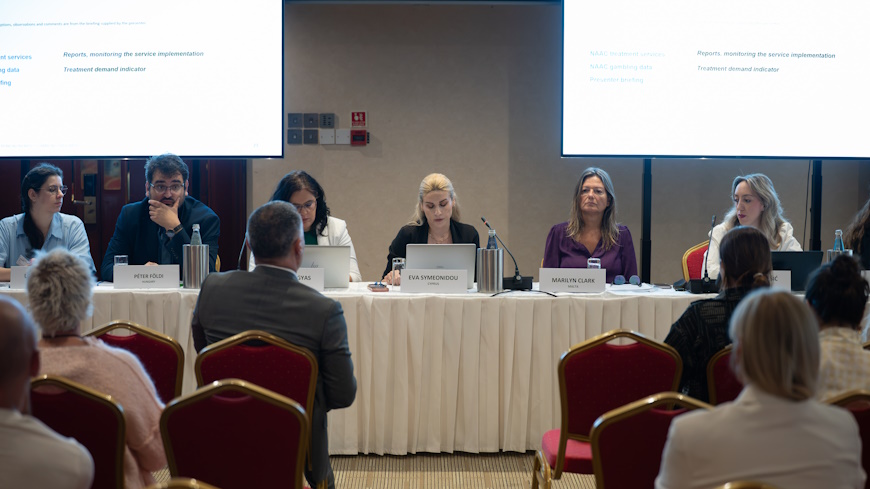
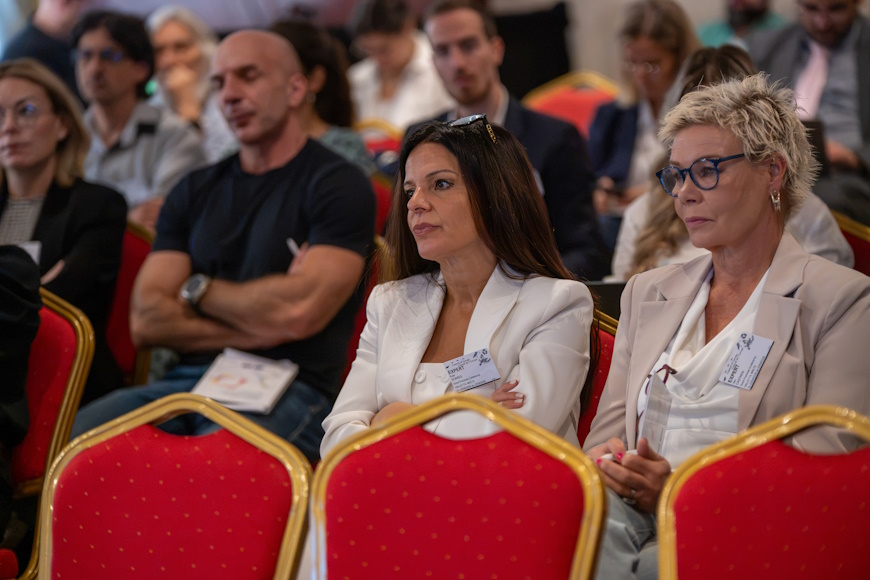
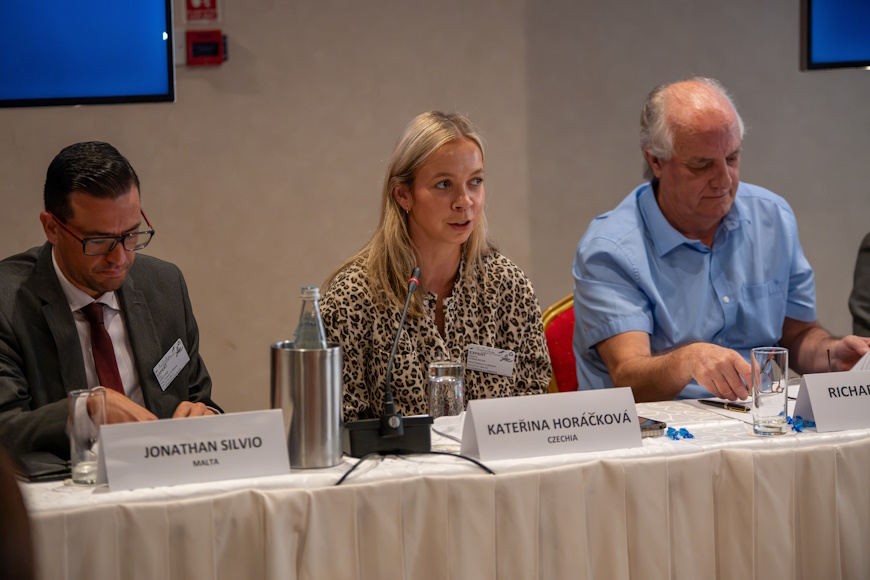
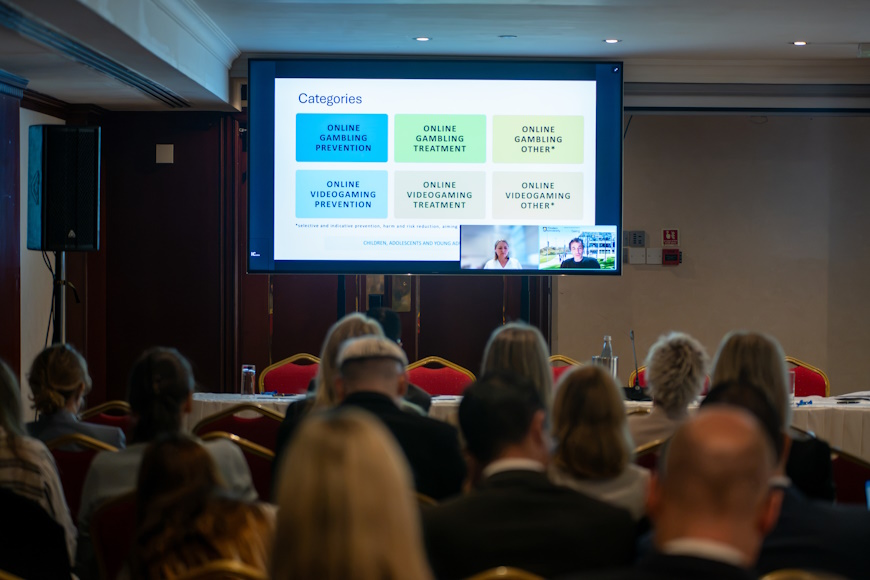
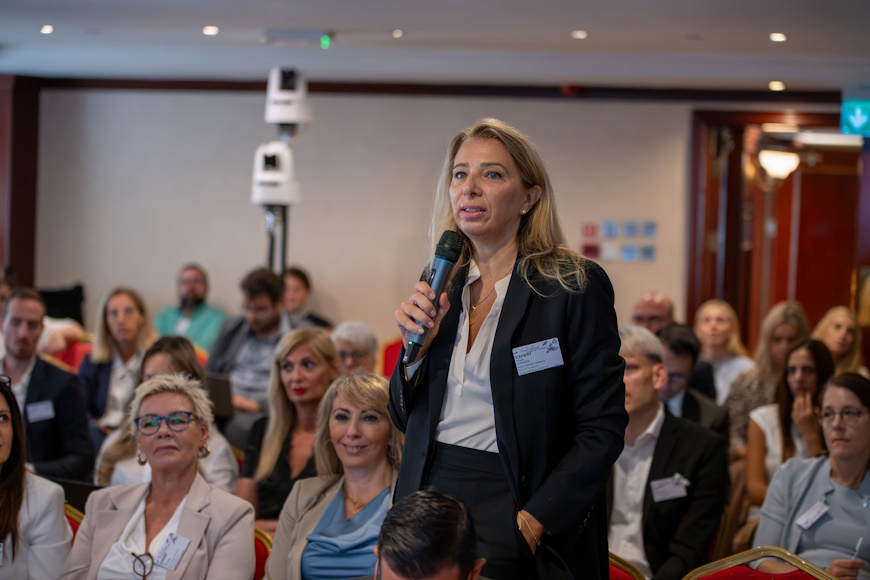
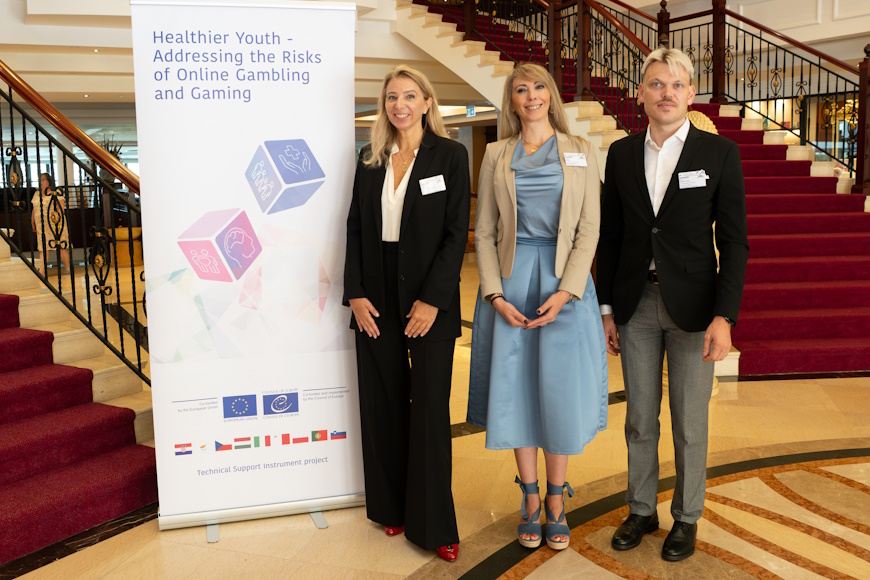
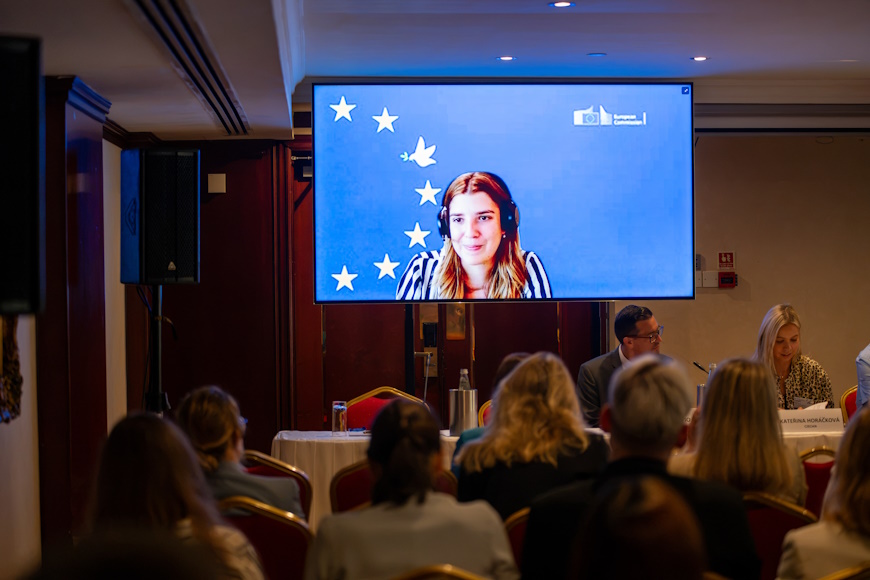
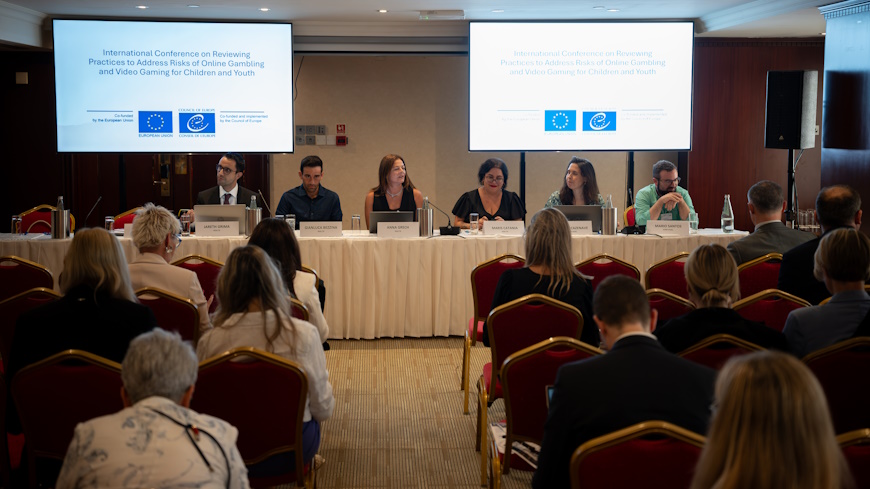
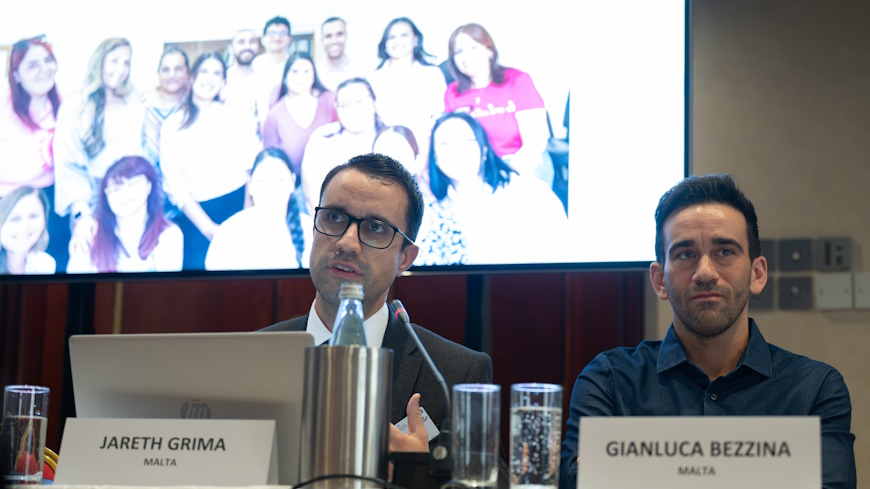
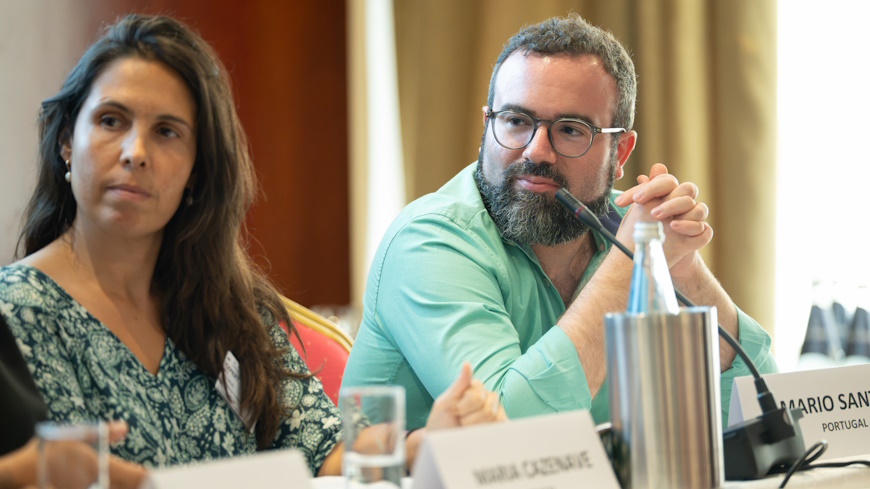
Representatives and experts from 17 countries came together in Malta for the International Conference focused on strengthening responses to the risks and harms associated with online gambling and video gaming among children and young people.
From evidence to practice
Over two days, policymakers, practitioners, researchers and international experts exchanged evidence, policy experience and practical approaches in prevention, treatment, harm reduction.
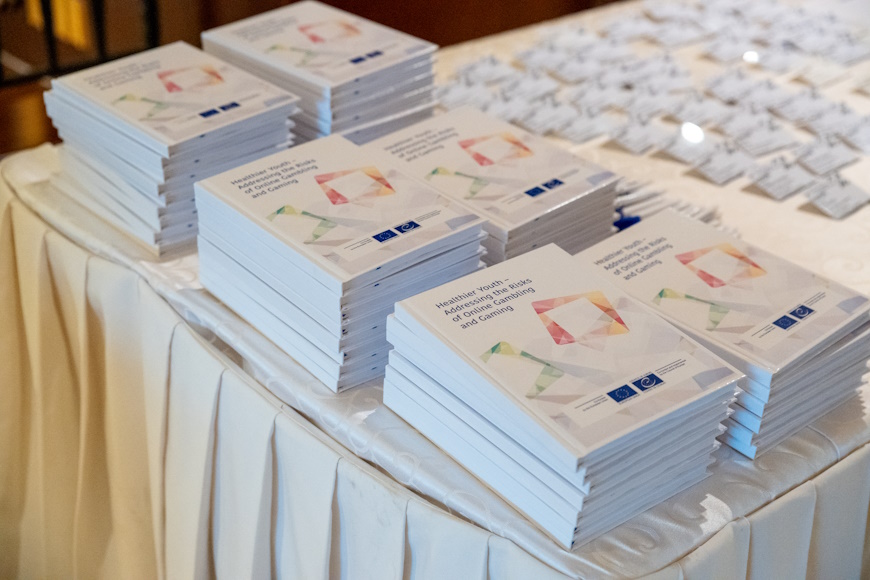
A central part of the conference was the presentation of the findings and recommendations of the Review of International Practices to address the risks of online gambling and video gaming for children and youth, developed under the TSI project. The Review identifies evidence-based and transferable approaches that can support countries in strengthening their national responses.
The conference showcased national and international practices across prevention, treatment, harm reduction, lower-risk gambling, adolescent therapeutic responses, self-exclusion, awareness raising, gaming- and gambling-related harms, and helpline services. Contributions and exchanges drew on experiences from Malta, Portugal, Poland, Finland, Germany, Switzerland, Croatia, Cyprus, Hungary, Slovenia and Denmark.
Participants also examined relevant Council of Europe standards and approaches for a safer digital environment. The discussions addressed benefits of using video games as an education tool, children’s rights in the digital environment, video games regulatory landscape in Europe, sports betting, certain risks present in online games, such as toxic behaviour, hate speech and discrimination, political influence. The respective work of the Council of Europe in these areas was presented:
- Pompidou Group and its Drafting Committee on Risks and Harms of Online and Digital Addictions (BIO-ALN)
- Children Rights Division and Guidelines to respect, protect and fulfil the rights of the child in the digital environment - Recommendation CM/Rec(2018)7 of the Committee of Ministers (2018)
- Countering Hate Speech and the problems of Hate Speech and Toxicity in Online Gaming
- European Audiovisual Observatory and its publication on Legal challenges and market dynamics in the video games sector
- Convention on the Manipulation of Sports Competitions and new threat of Sports Betting Addiction
- Videogame Culture - Education and the two publications of educating for a video game culture, volume 1 and volume 2
From exchange to action
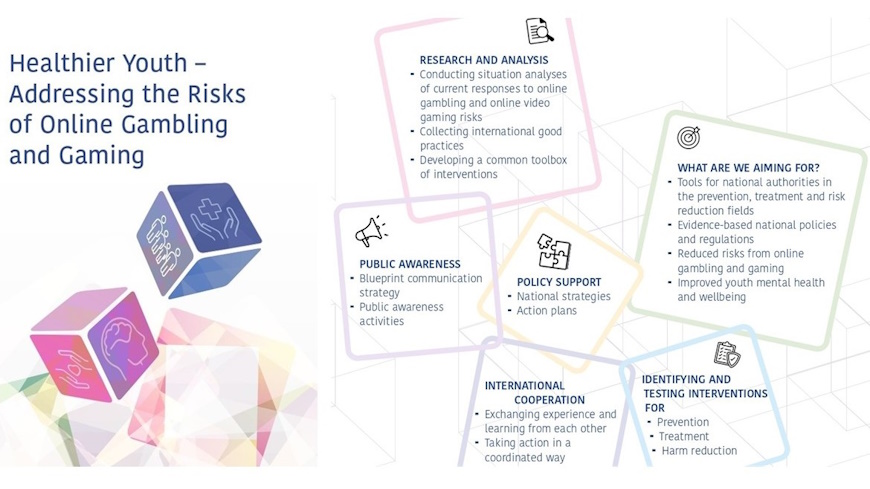
The discussions highlighted the importance of combining evidence, policy experience and transversal practical approaches when developing effective responses to online gambling and video gaming risks.
The exchange will contribute to the development of a toolbox of interventions.
The participating member states are currently conducting feasibility assessments in their national contexts to identify suitable interventions for implementation. Following this process, country-specific interventions will be selected for testing in the coming months.
“I found the conference in Malta highly valuable, particularly as an opportunity for peer learning, knowledge exchange and strengthening cooperation with colleagues from other countries. [...] The timing of the conference was especially important for me, as we are currently undergoing the feasibility and contextual assessment of the identified interventions and moving towards their pre-selection for national implementation.“ said Mia Mardešić, Head of Gambling and Internet Addiction Programmes Unit, Croatian Institute of Public Health.
The international conference was followed by the sixth meeting of the Advisory Group of the TSI project, during which members reviewed the progress, discussed the ongoing national developments and planned next steps.
The conference was organised under the project “Promoting the mental health of children and youth by addressing the risks of online gambling and gaming”, co-funded by the European Union through the Technical Support Instrument and implemented by the Council of Europe in cooperation with the European Commission. It was co-hosted by the Ministry for Social Policy and the Family of the Republic of Malta.