Platform of Dialogue on the Freedom of Artistic Expression

Free to Create | Create to be Free
Strasbourg, 17 November 2026
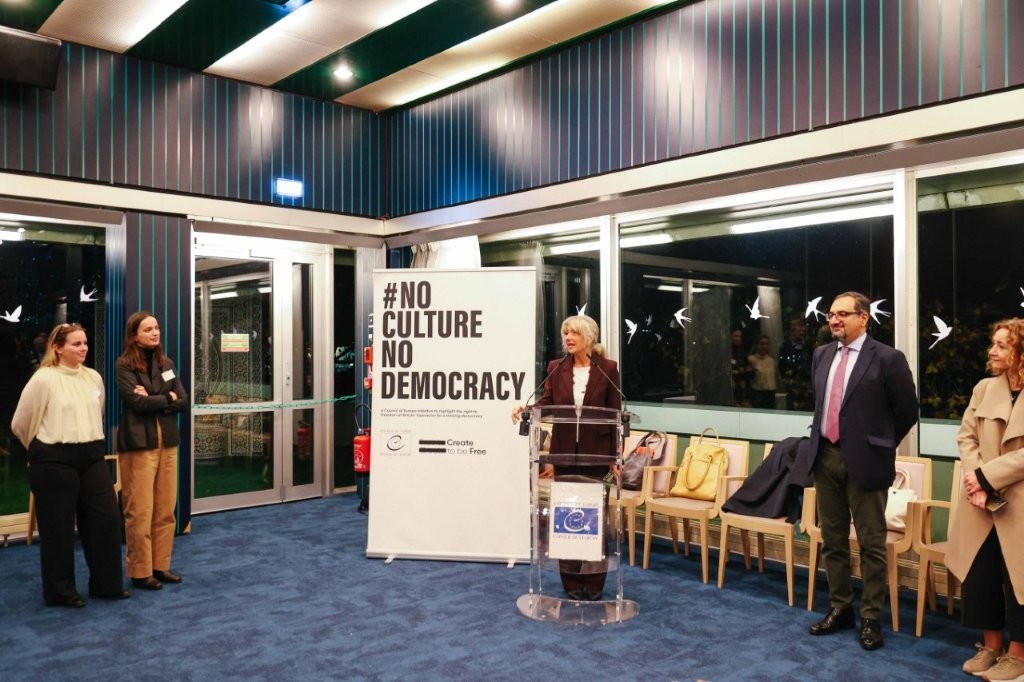
Freedom of artistic expression is a fundamental human right and an essential component of democratic societies. Through its Free to Create | Create to be Free initiative, the Council of Europe continues to promote and protect artistic freedom, recognising its contribution to cultural diversity, democratic participation and the effective enjoyment of freedom of expression, as guaranteed by Article 10 of the European Convention on Human Rights.
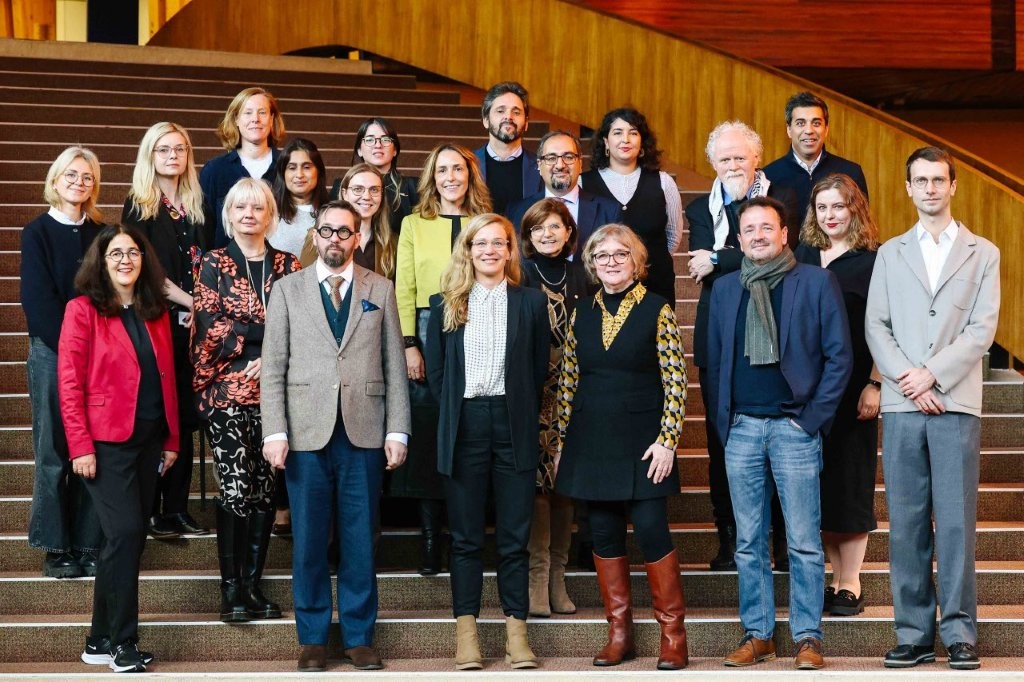
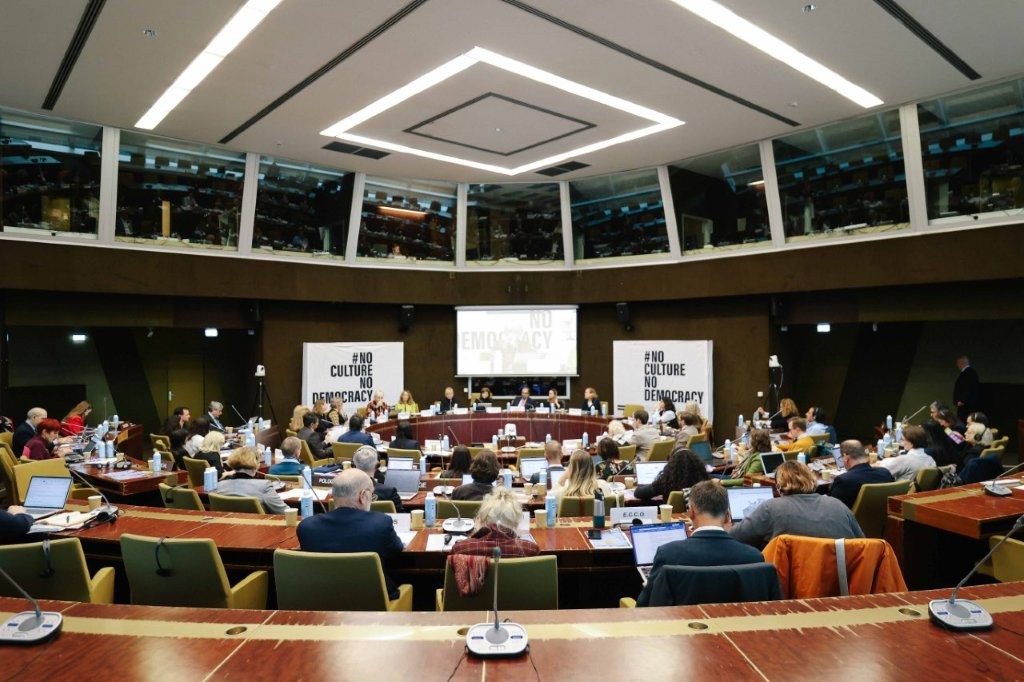
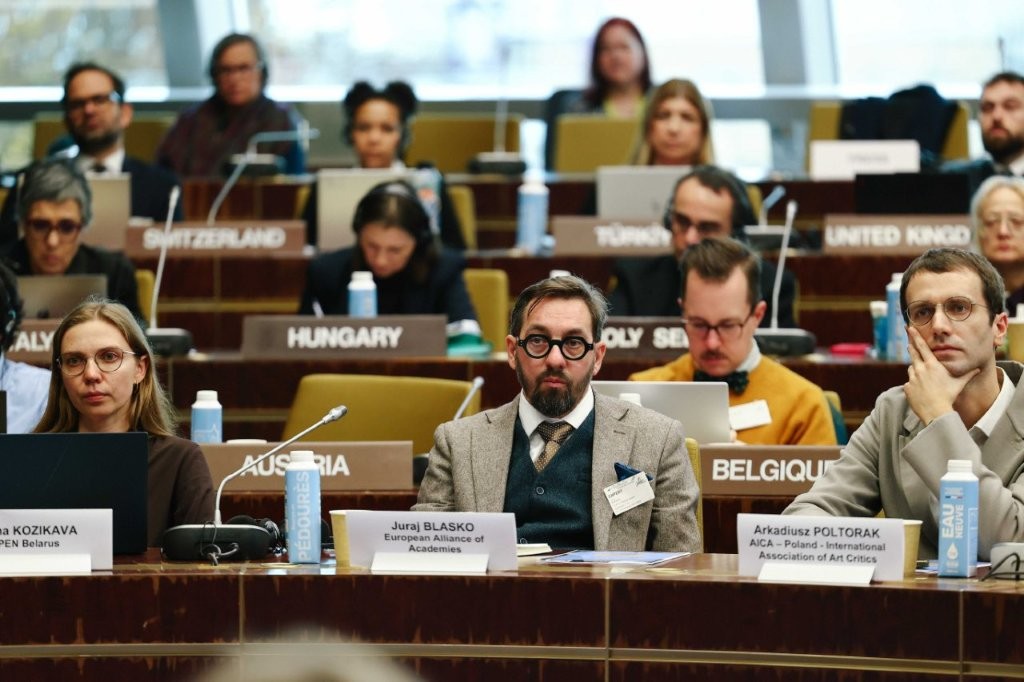
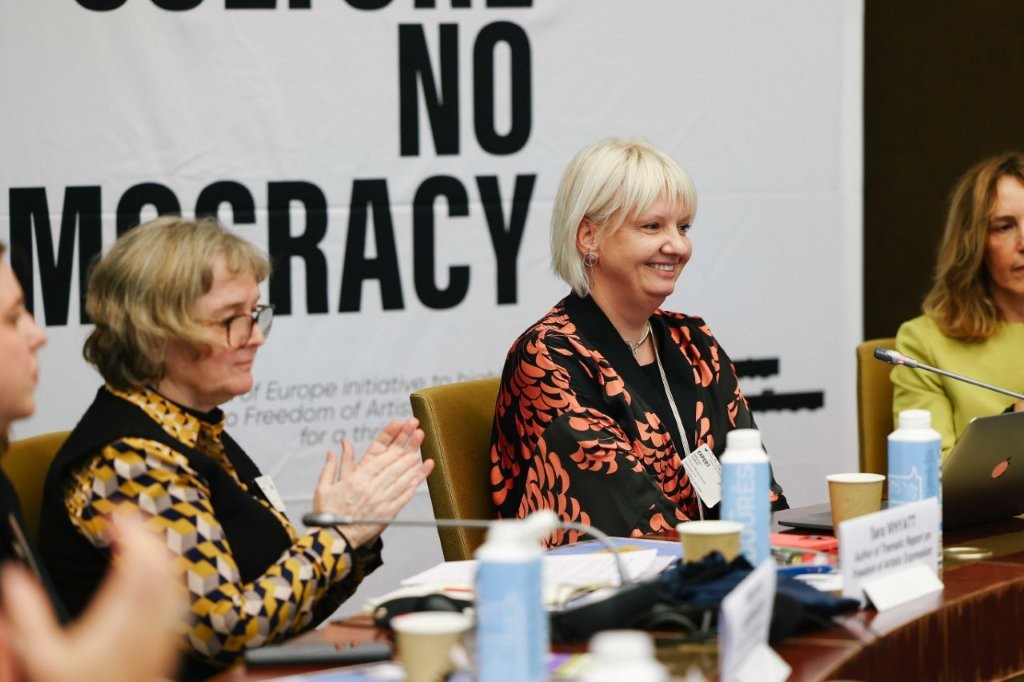
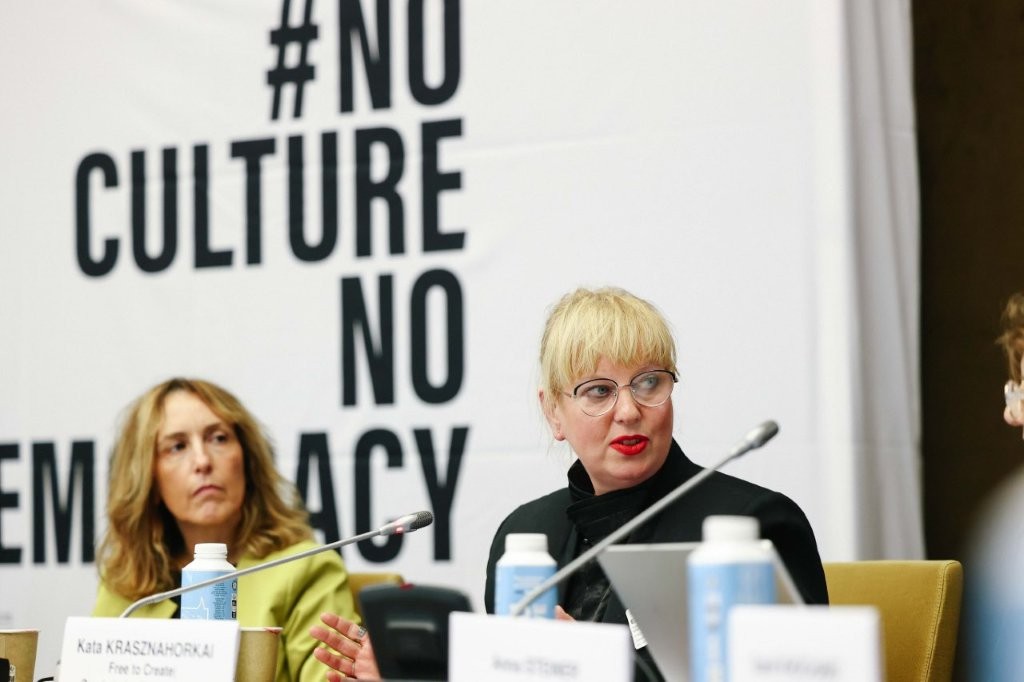
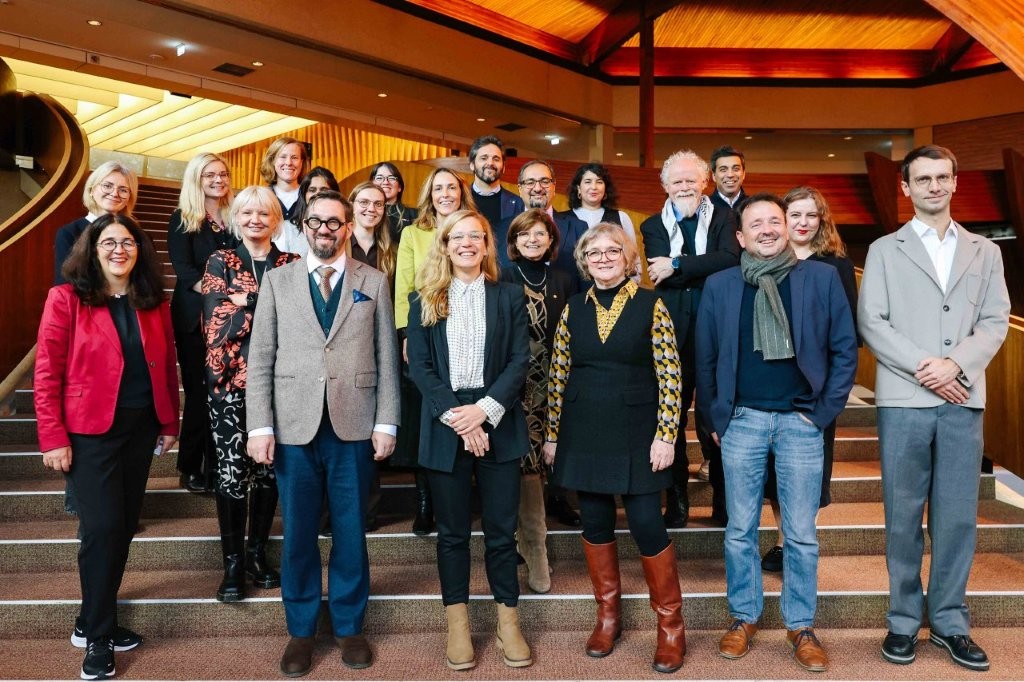
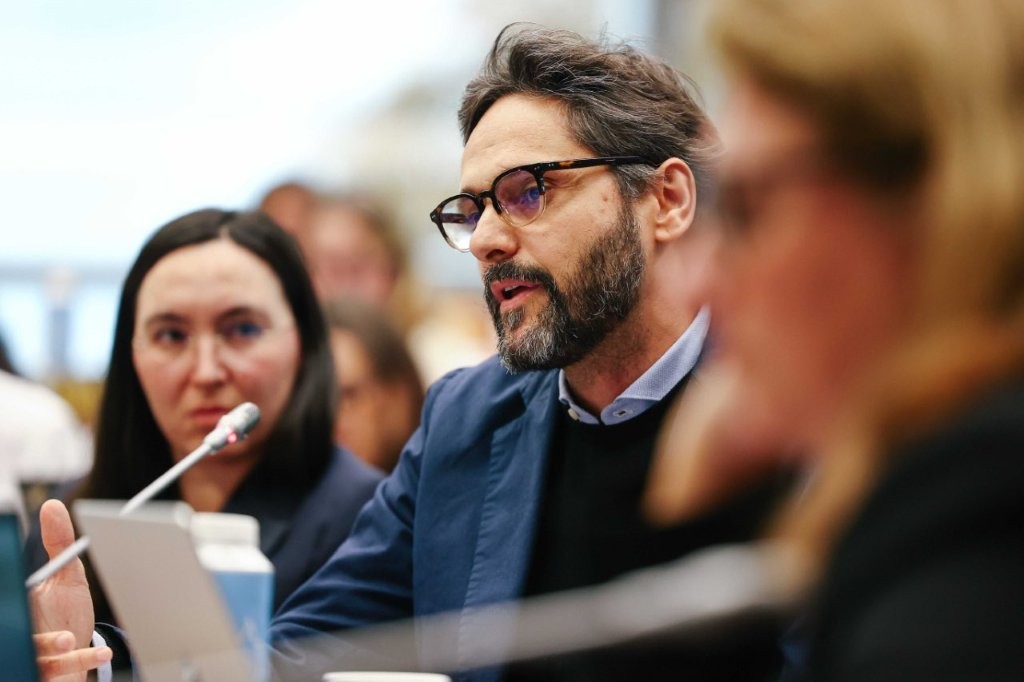
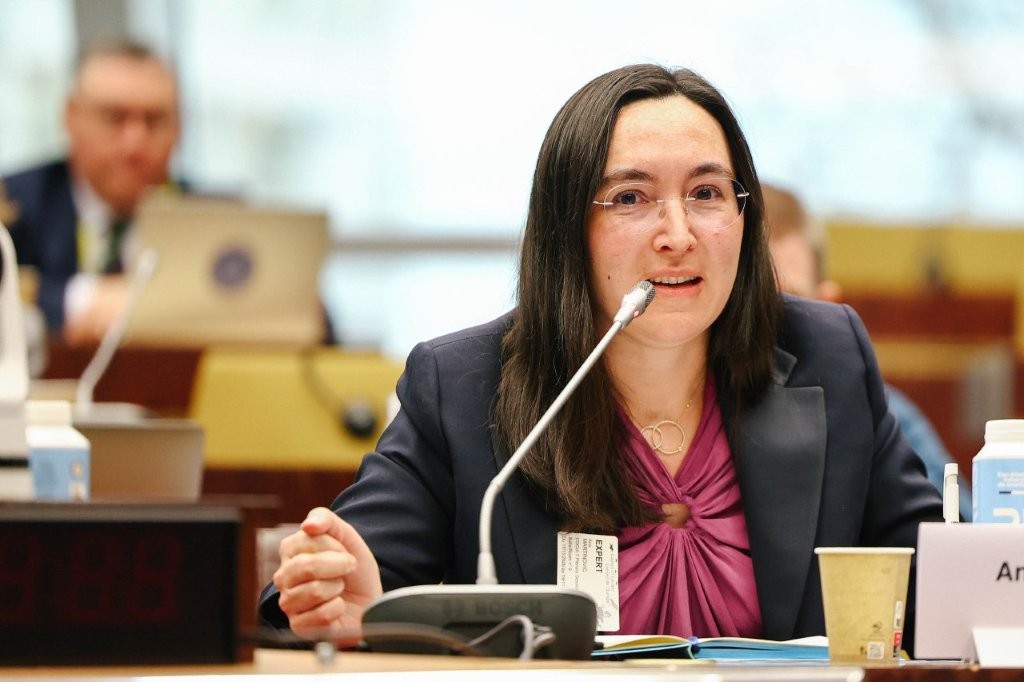
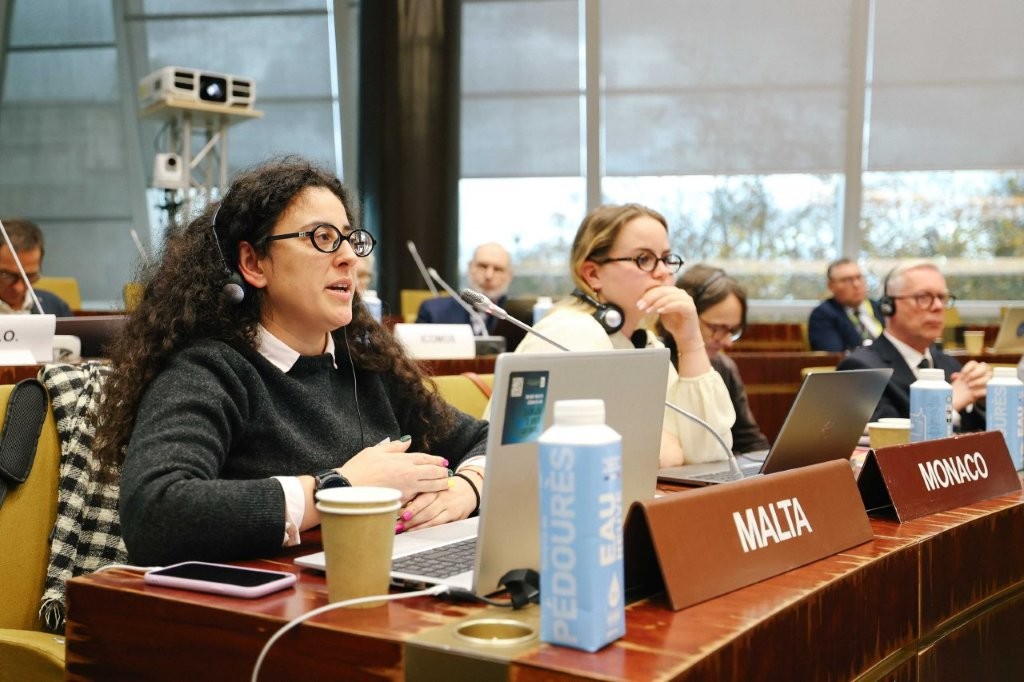
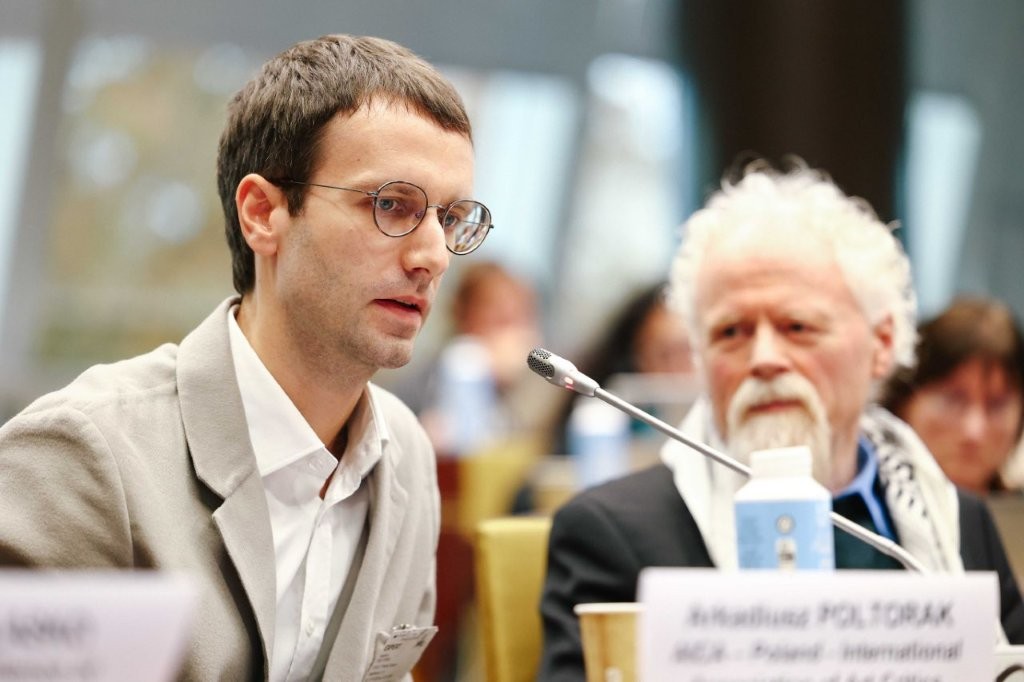
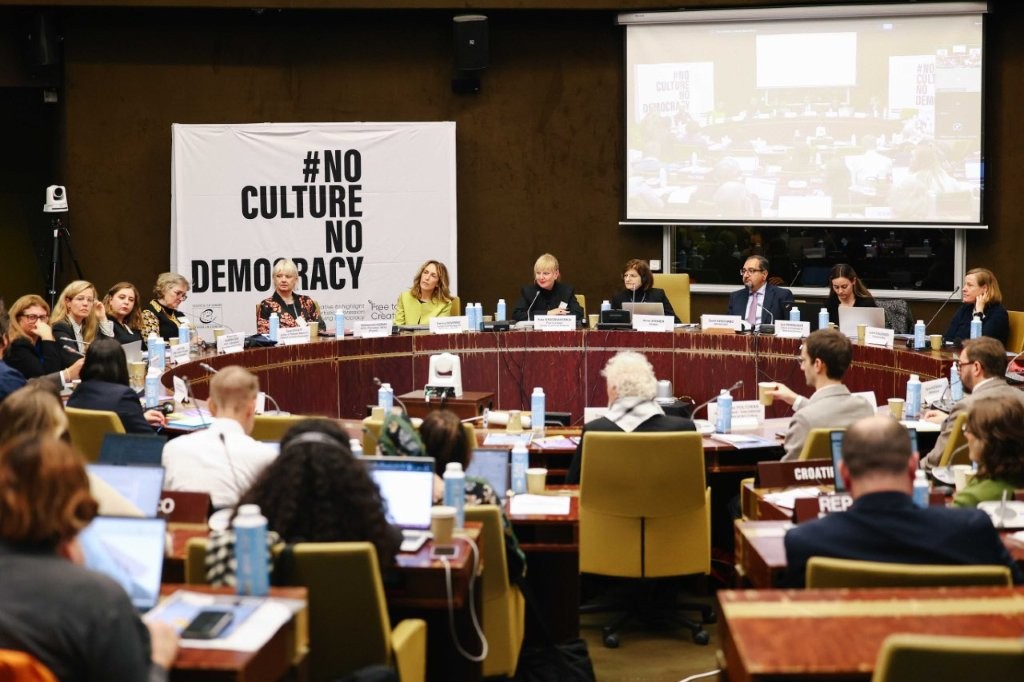
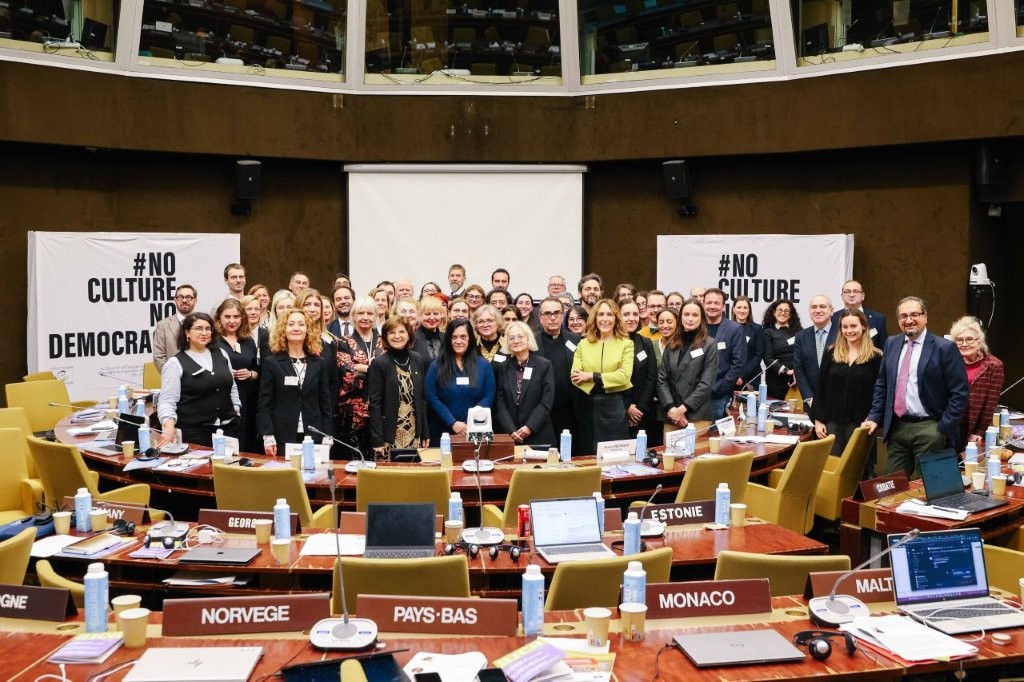
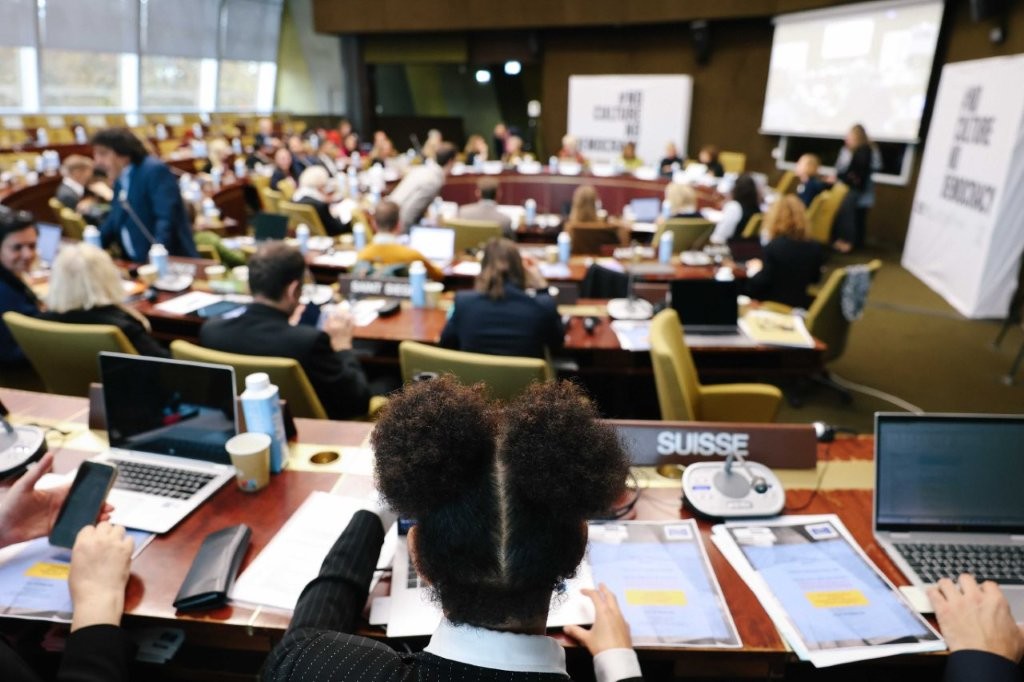
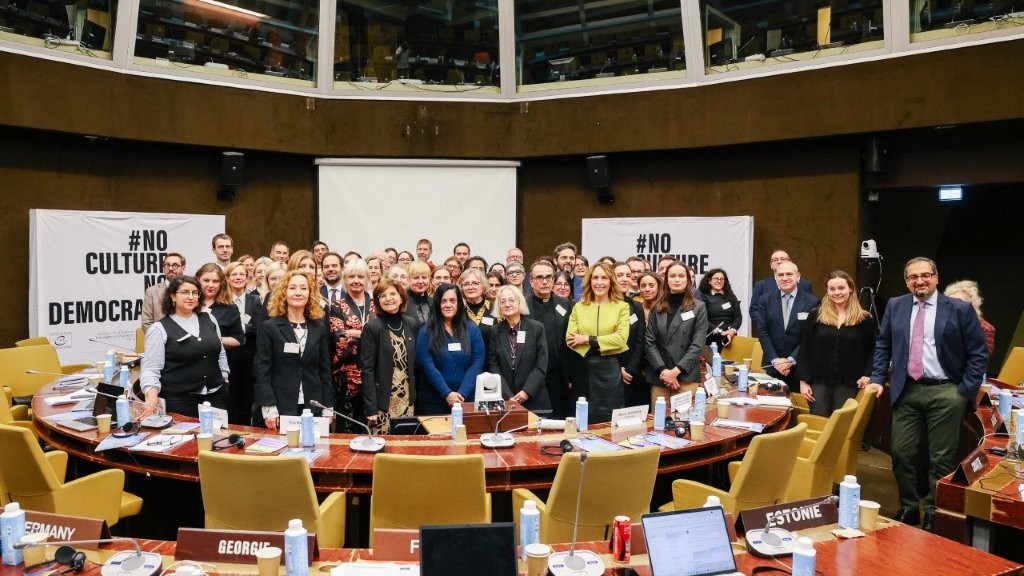
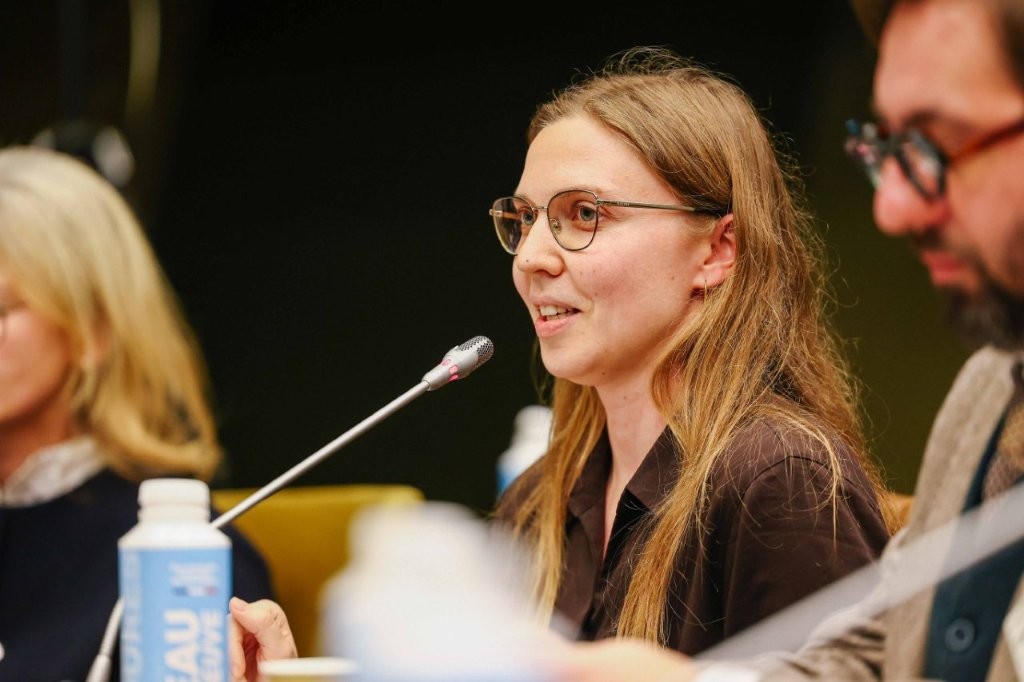
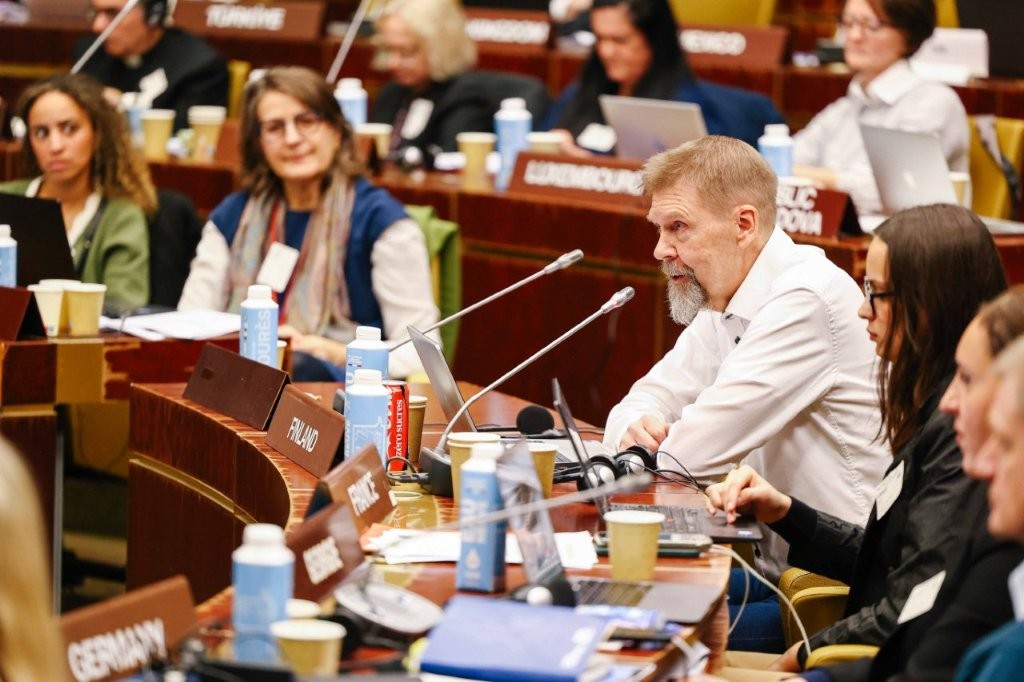
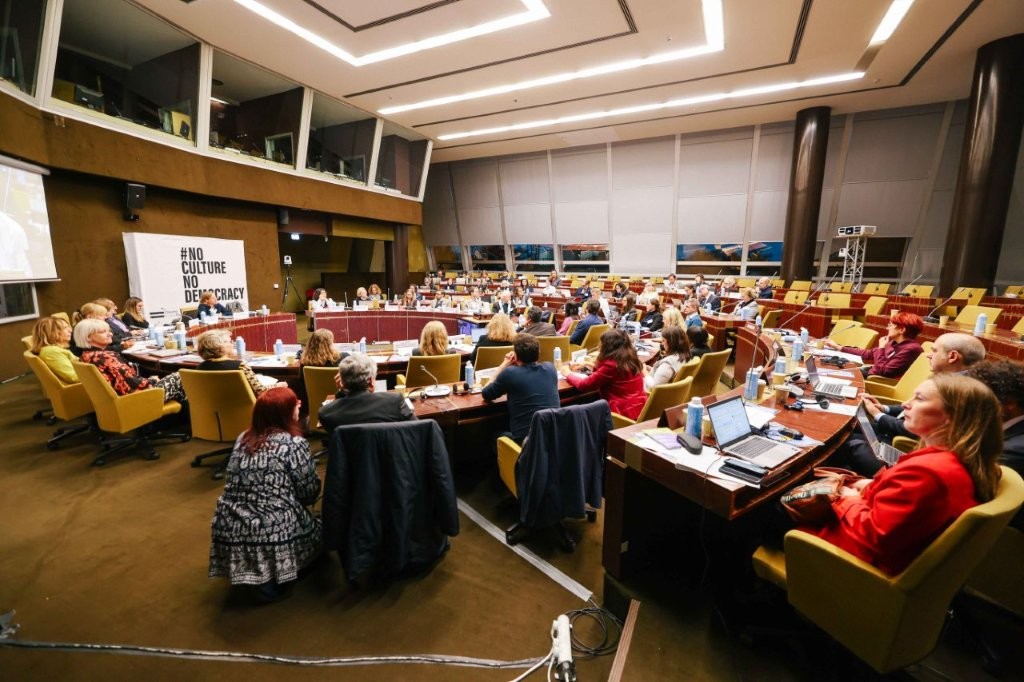
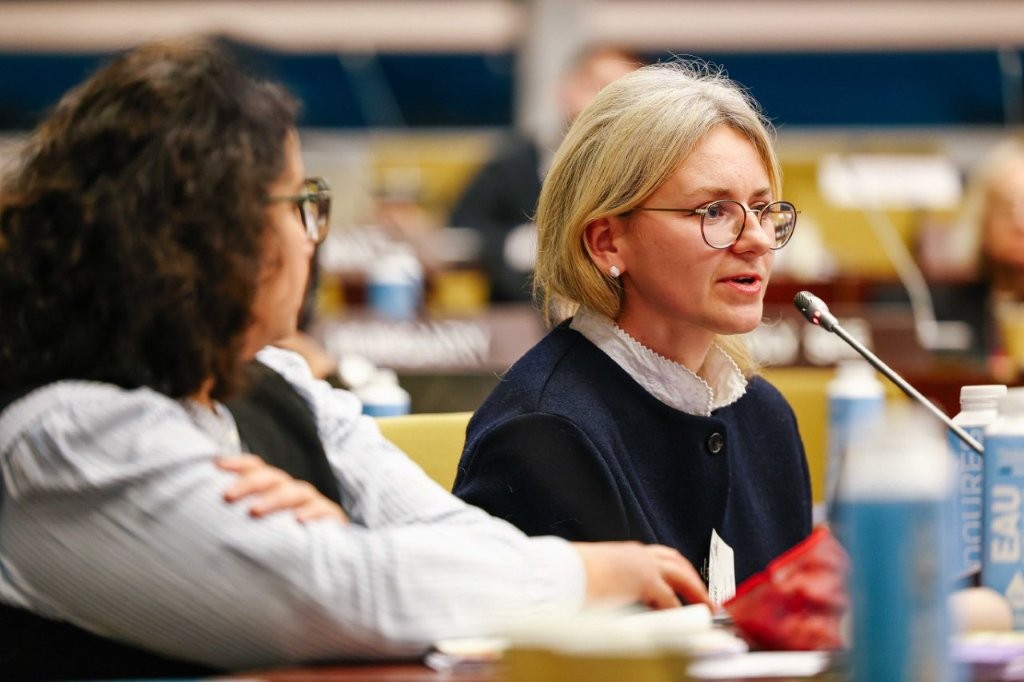
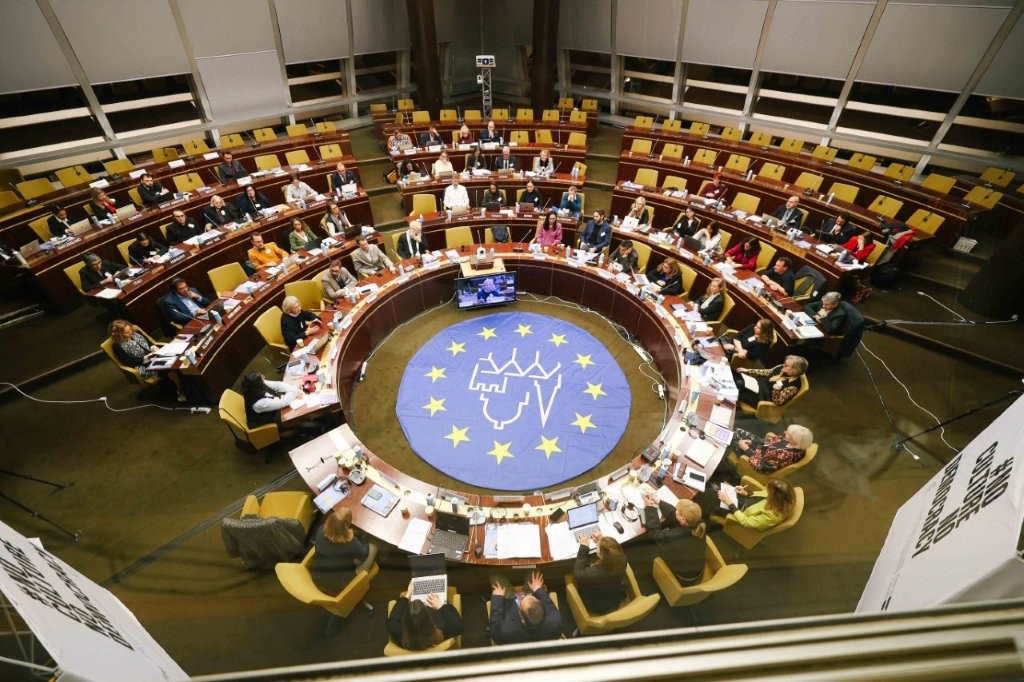
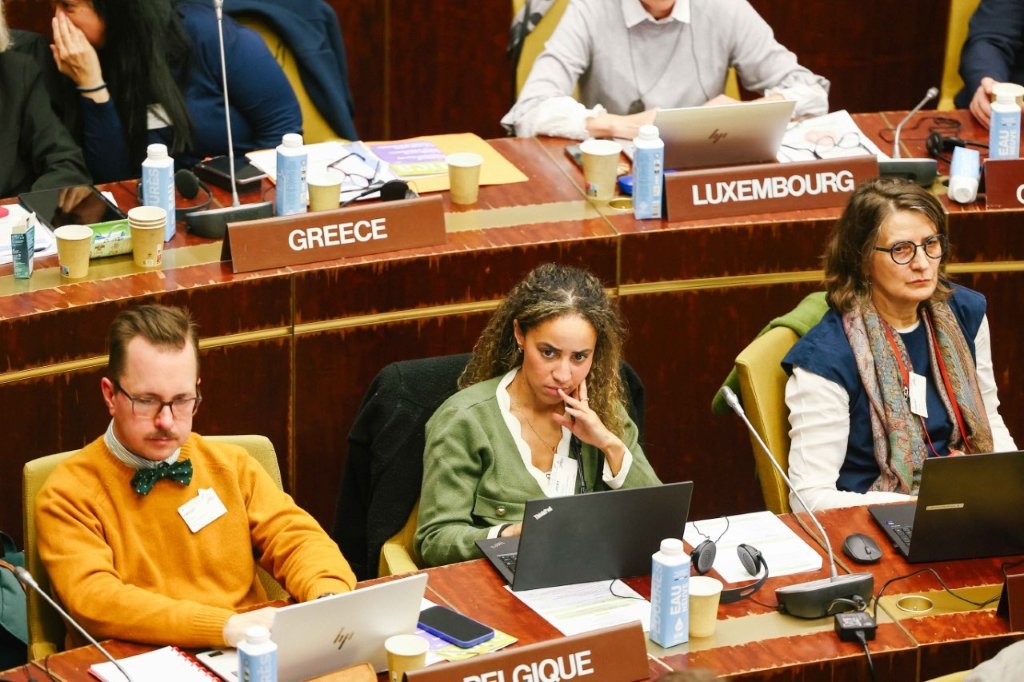
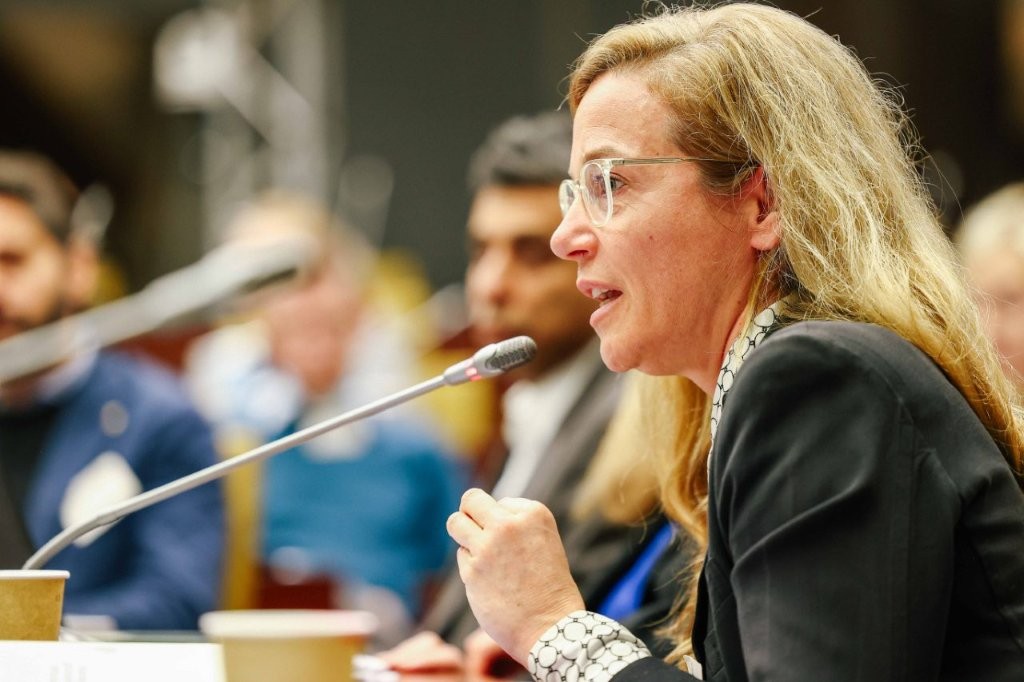
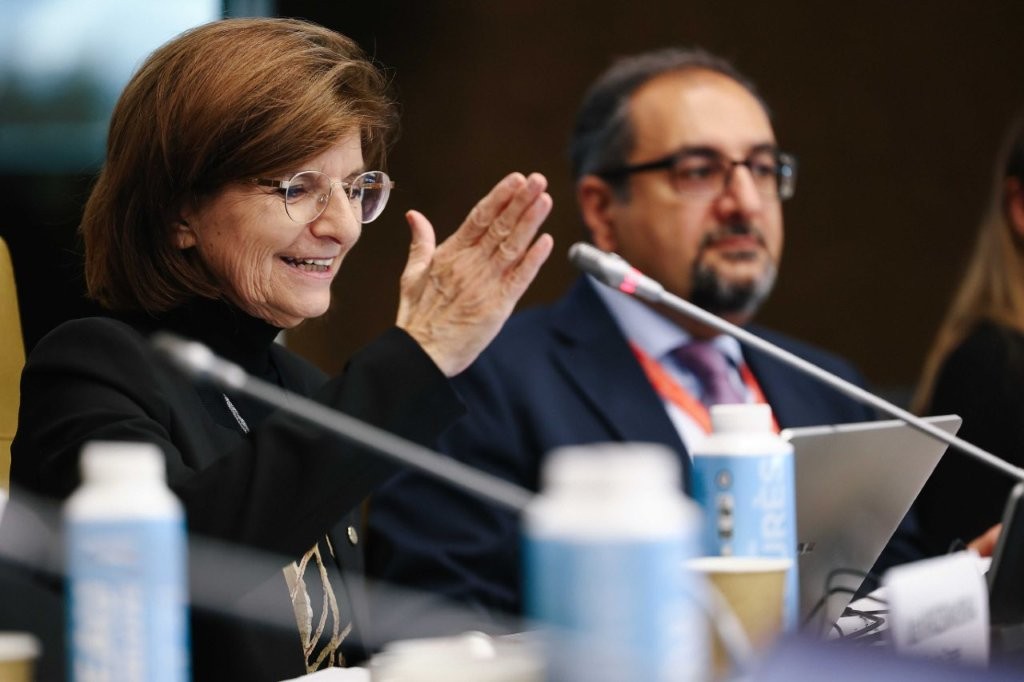
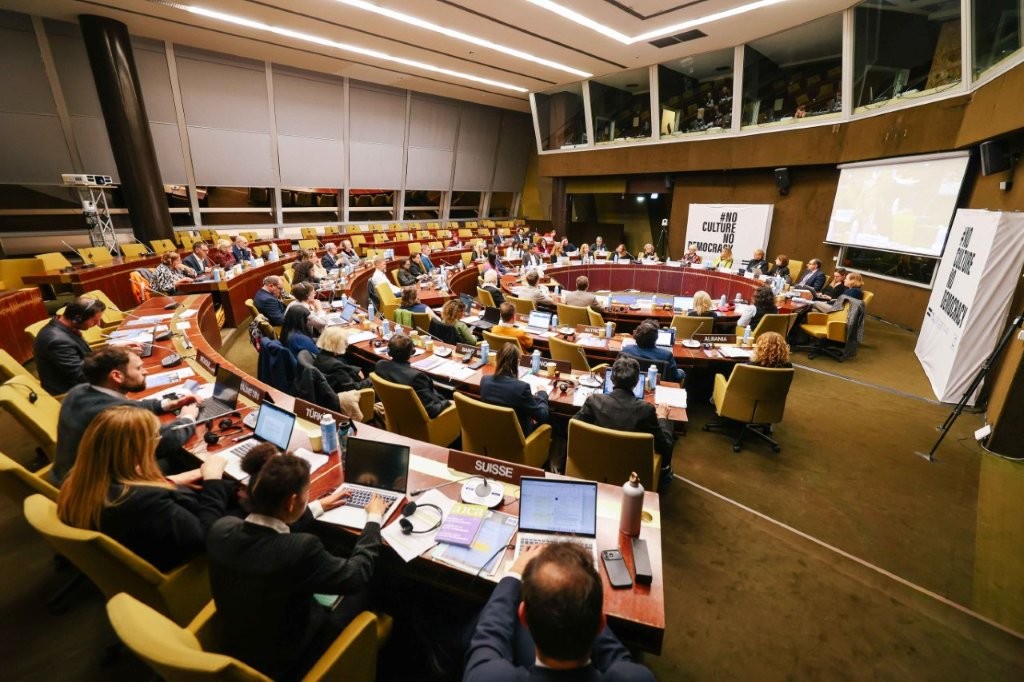
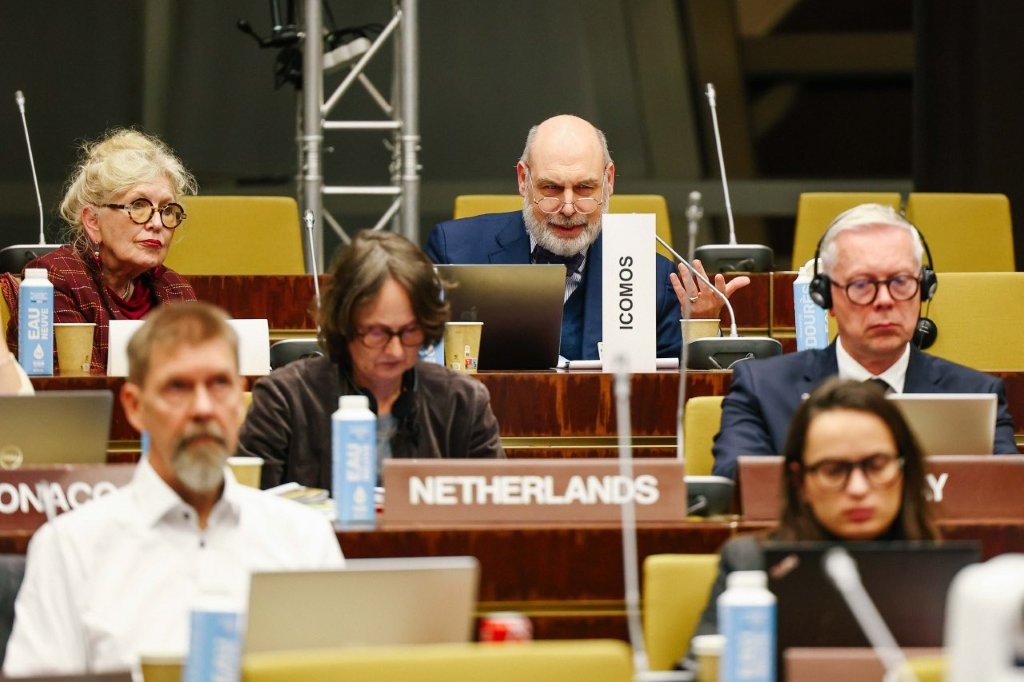
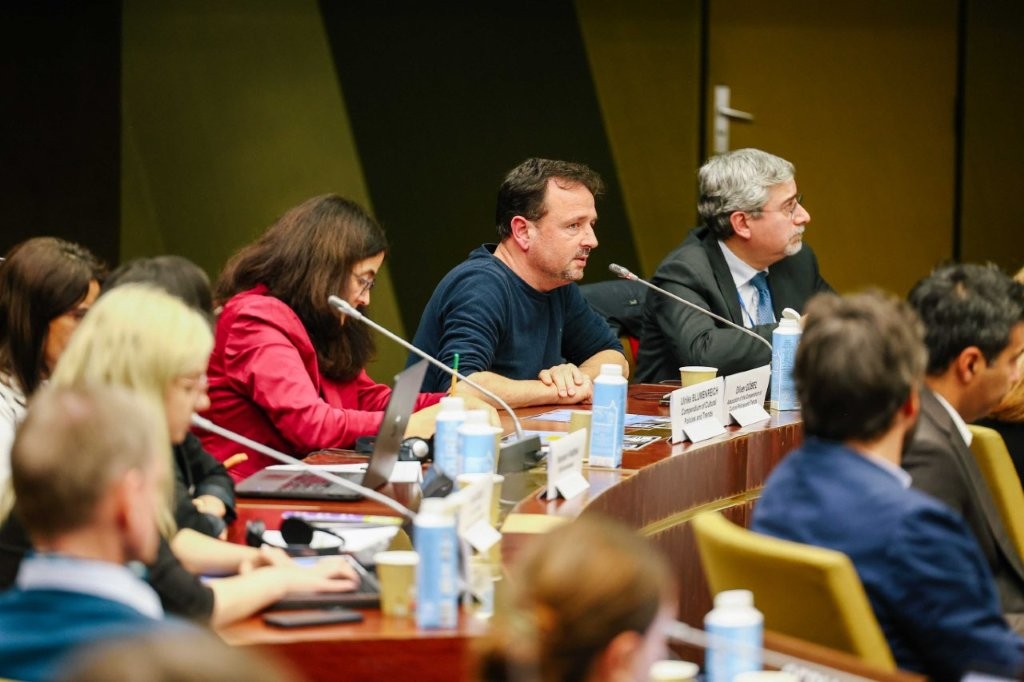
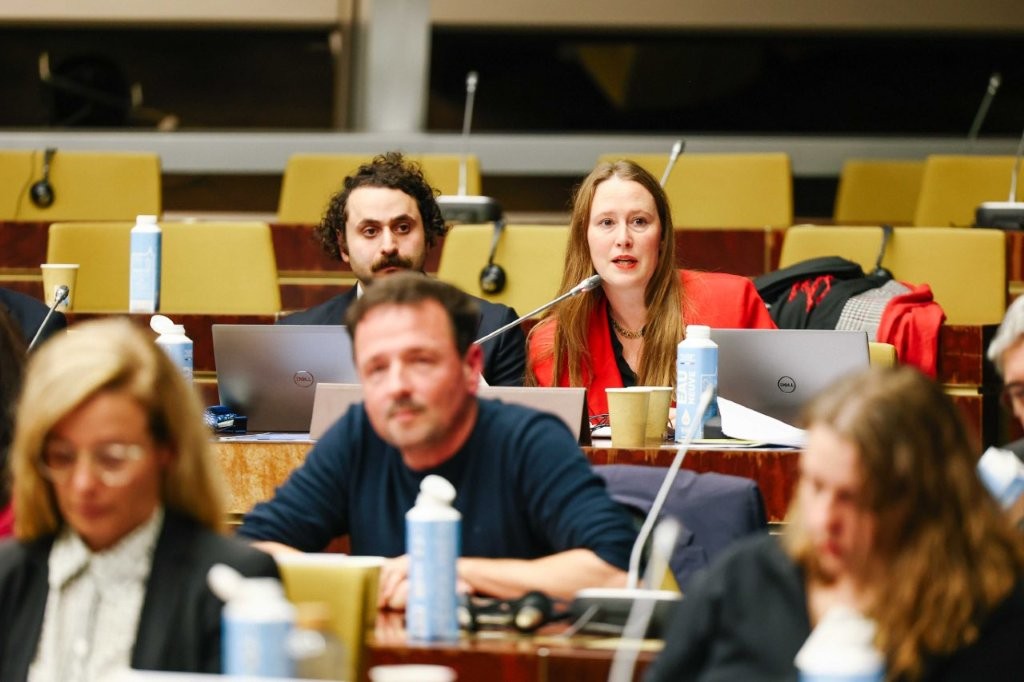
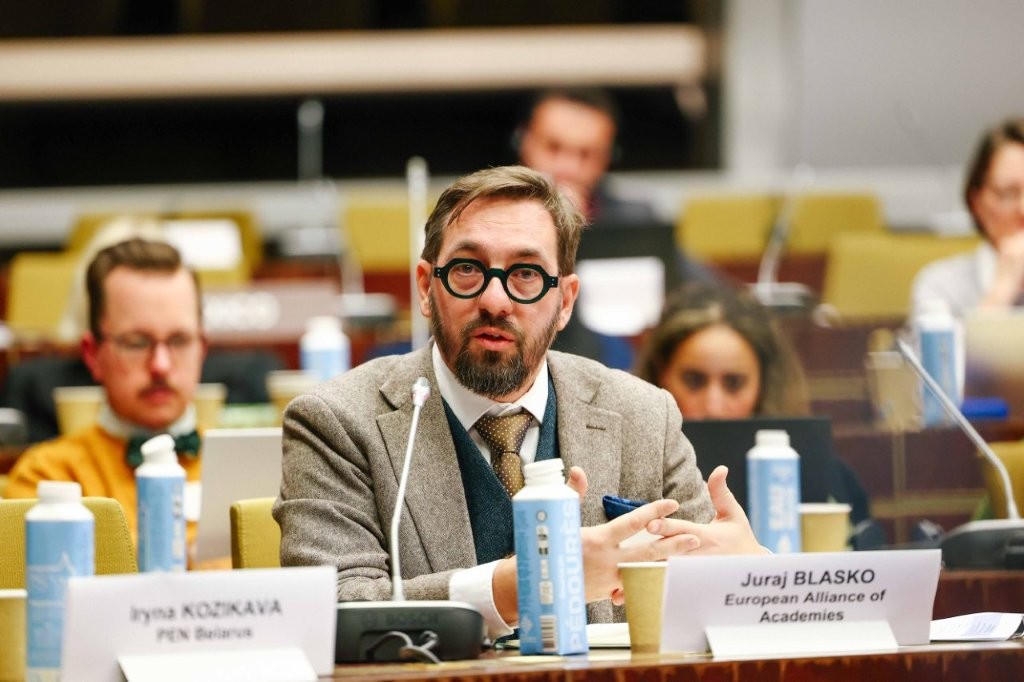
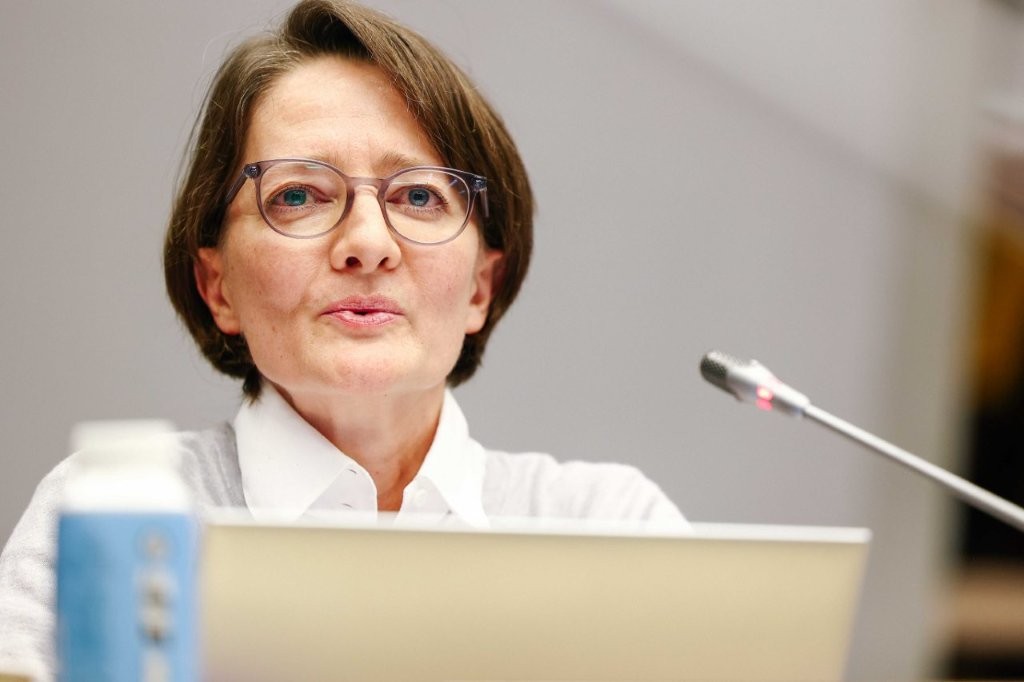
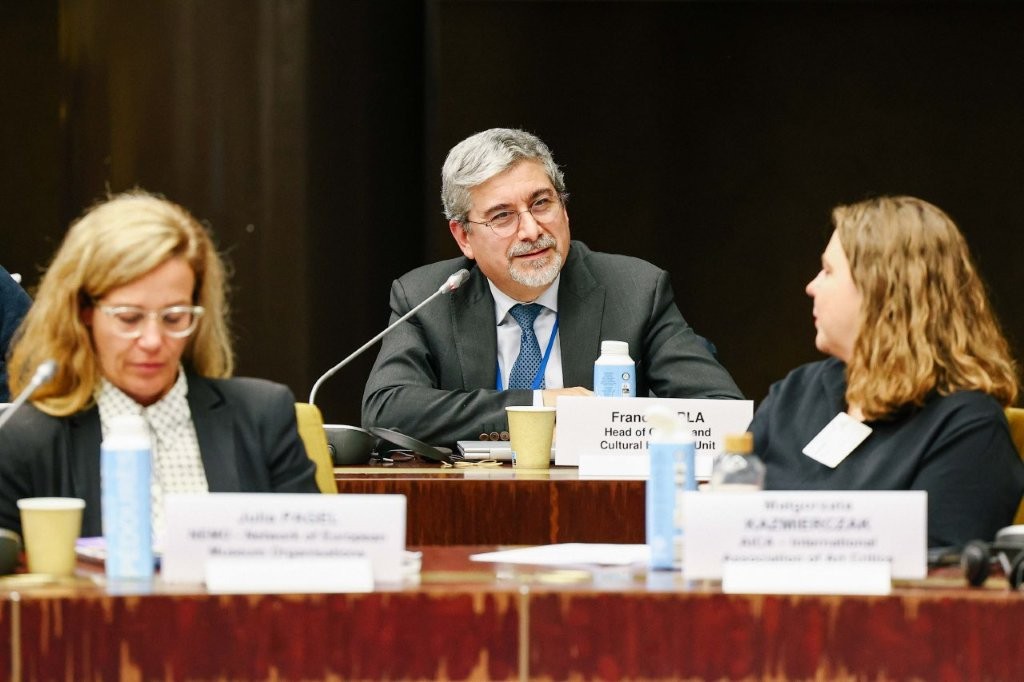
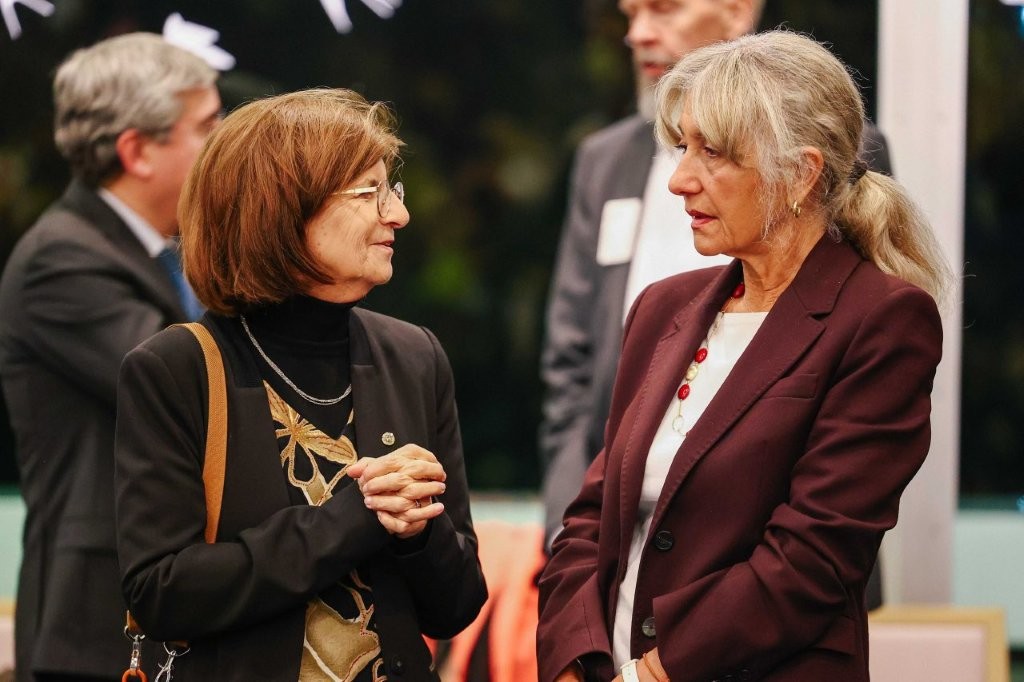
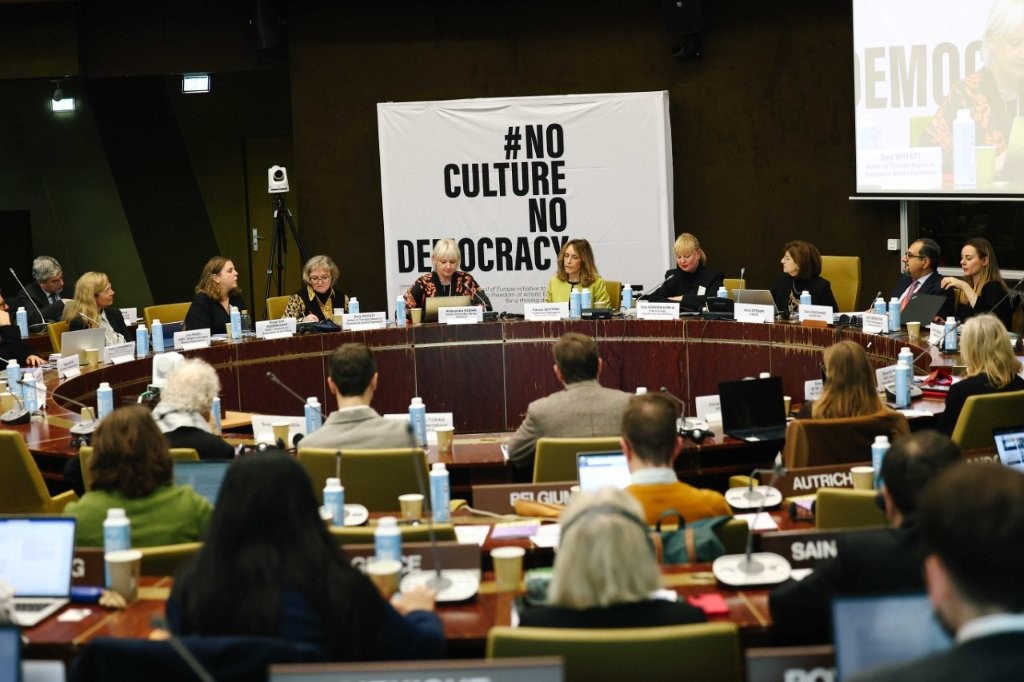
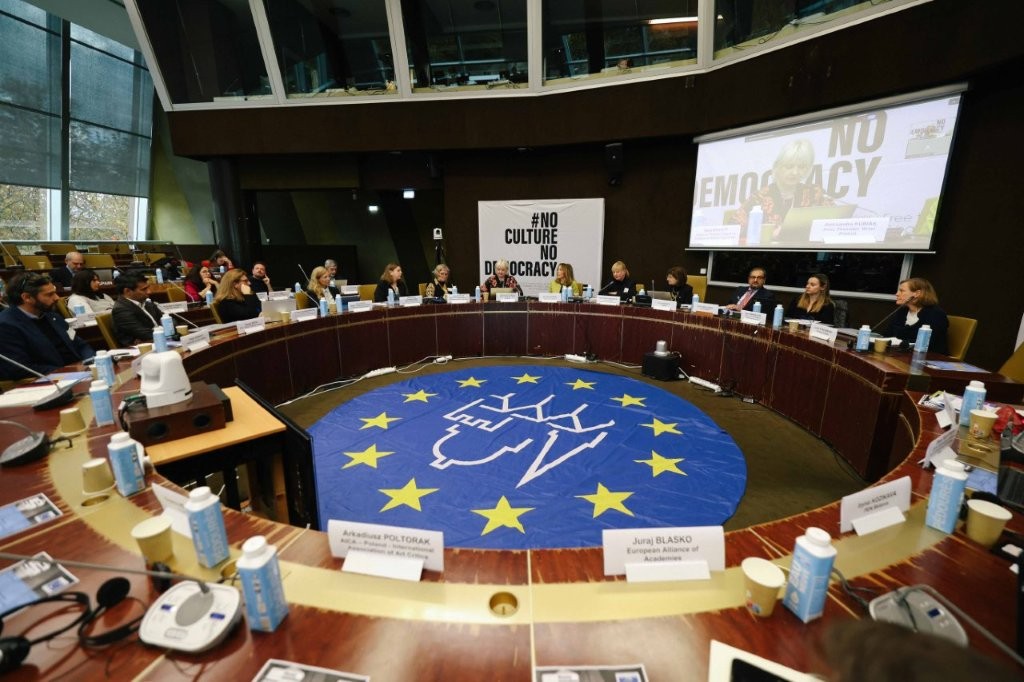
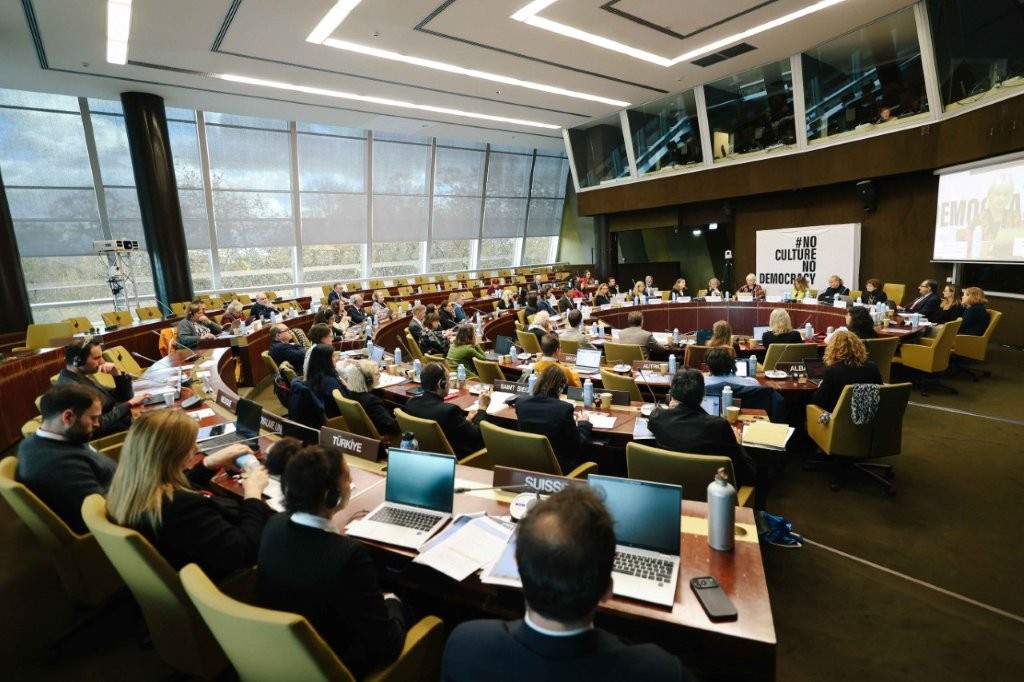
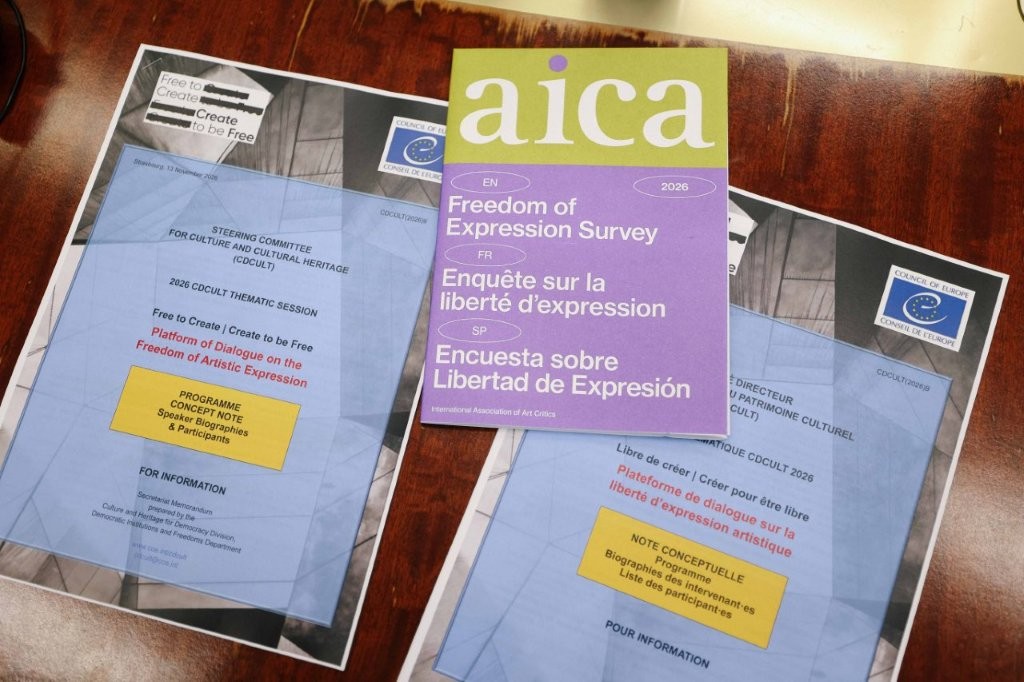
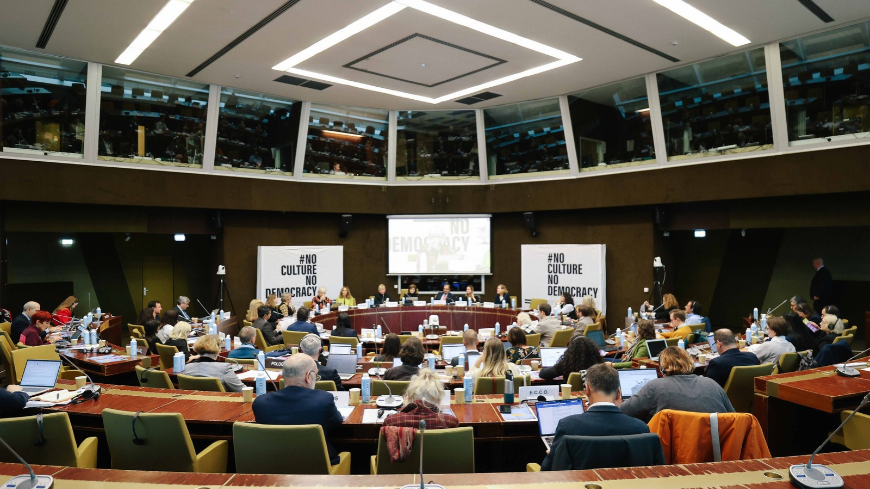
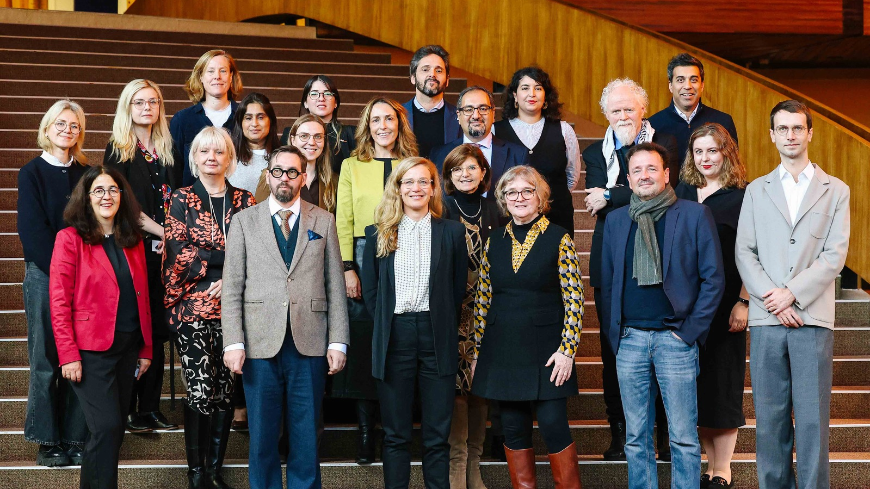
On 17 November 2026, within the framework of its plenary session, the Steering Committee for Culture and Cultural Heritage (CDCULT) convened a Platform of Dialogue on the Freedom of Artistic Expression, bringing together representatives of member States, artists, experts, and European cultural organisations, including representatives of cultural organisations - members of the Platform’s Advisory Board.
Building on the Council of Europe’s previous work, dialogue with artists and cultural actors in Ljubljana and thematic discussions, the Platform was organised on the occasion of the presentation of the Second General Report on the State of Freedom of Artistic Expression in Europe.
The session aimed to foster an open, forward-looking, and action-oriented dialogue on how the report’s findings and recommendations could inform cultural policies, strengthen the protection of artistic freedom and guide future Council of Europe action in cooperation with member States and cultural stakeholders.
Key issues addressed
The thematic session focused on the following priorities:
- The main findings and recommendations of the Second General Report considering the experiences of artists and cultural organisations across Europe.
- Emerging challenges, gaps in protection and priorities requiring further attention at national and European levels.
- The role of existing Council of Europe standards and the case-law of the European Court of Human Rights in safeguarding freedom of artistic expression.
- The translation of European principles and standards into effective national policies and practices.
- Opportunities for strengthened cooperation between public authorities, cultural institutions, artists, and civil society.
- Possible future Council of Europe action, including policy guidance, standard-setting, sustained dialogue with cultural stakeholders and initiatives to support effective implementation on the ground.
Speakers and contributors
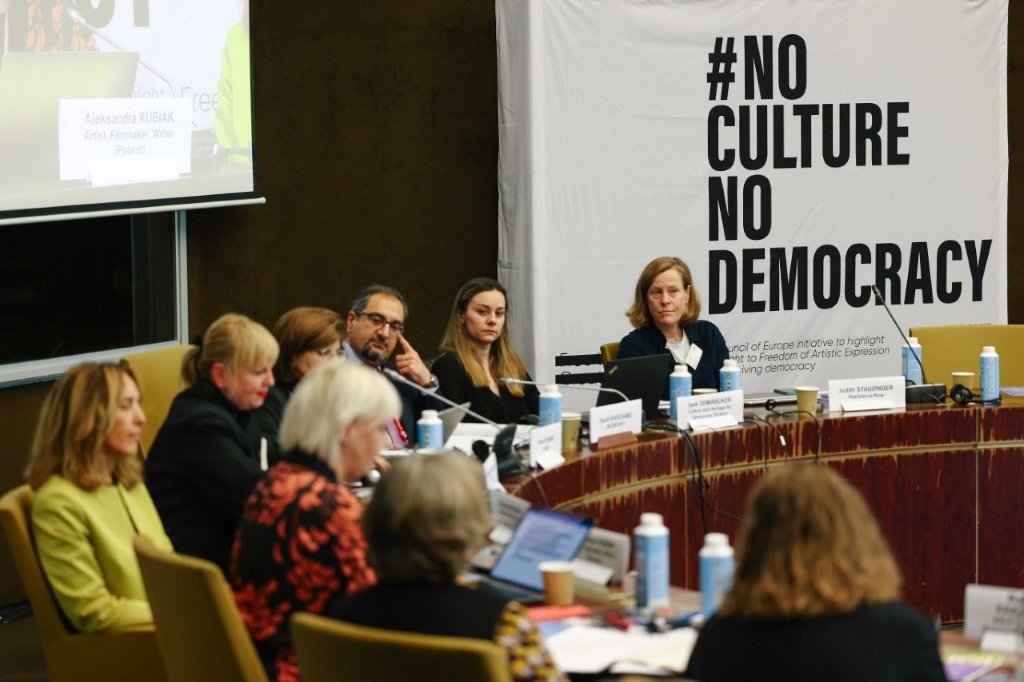
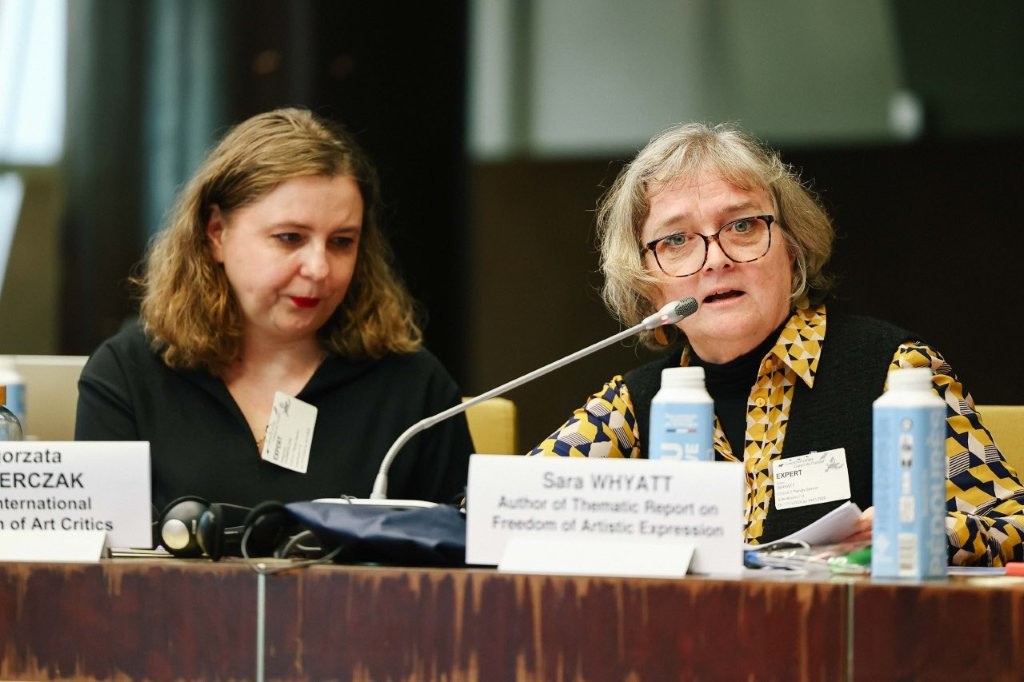
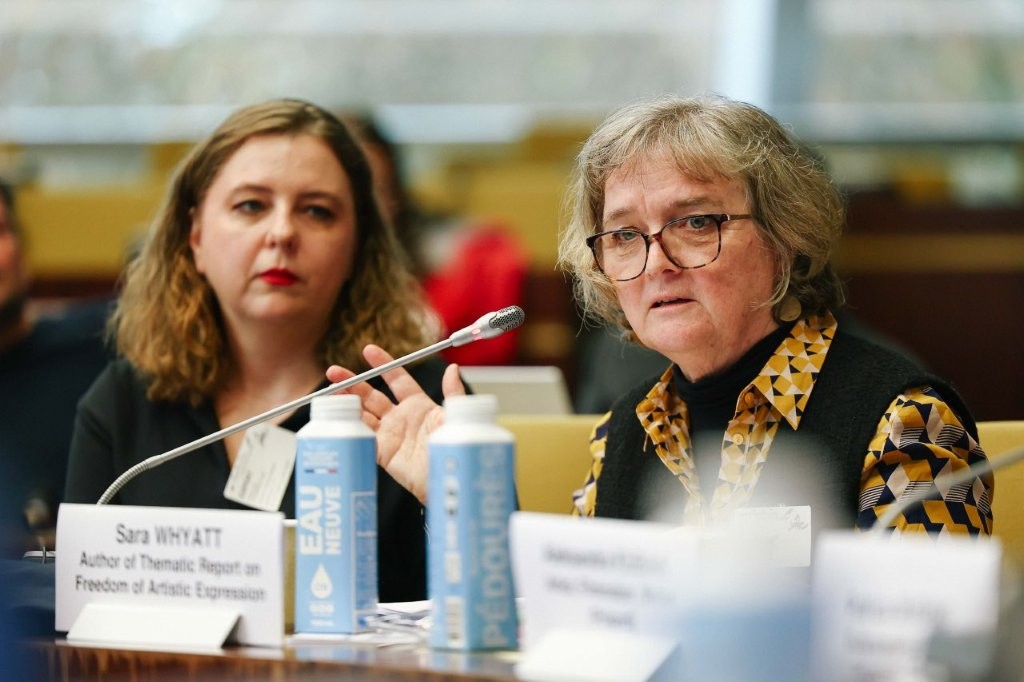
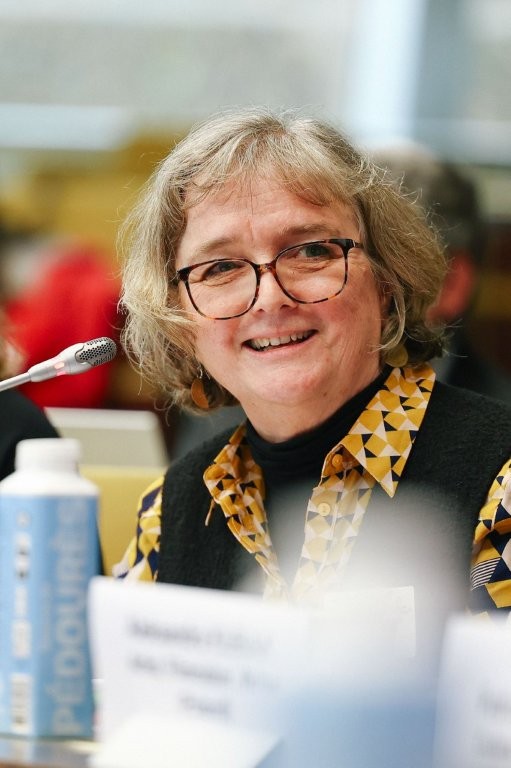
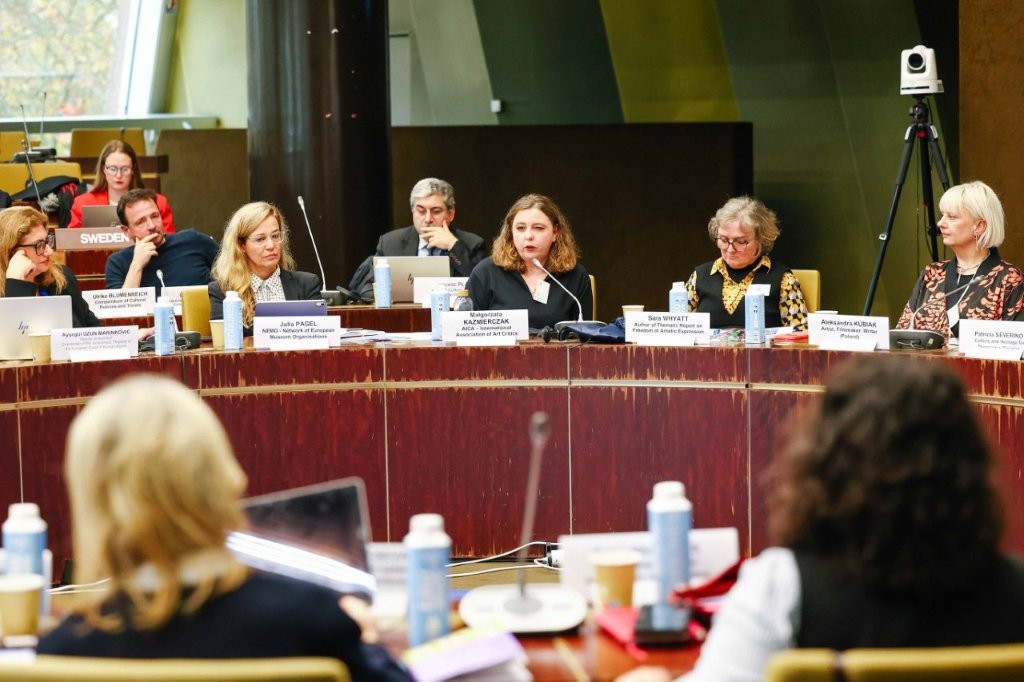
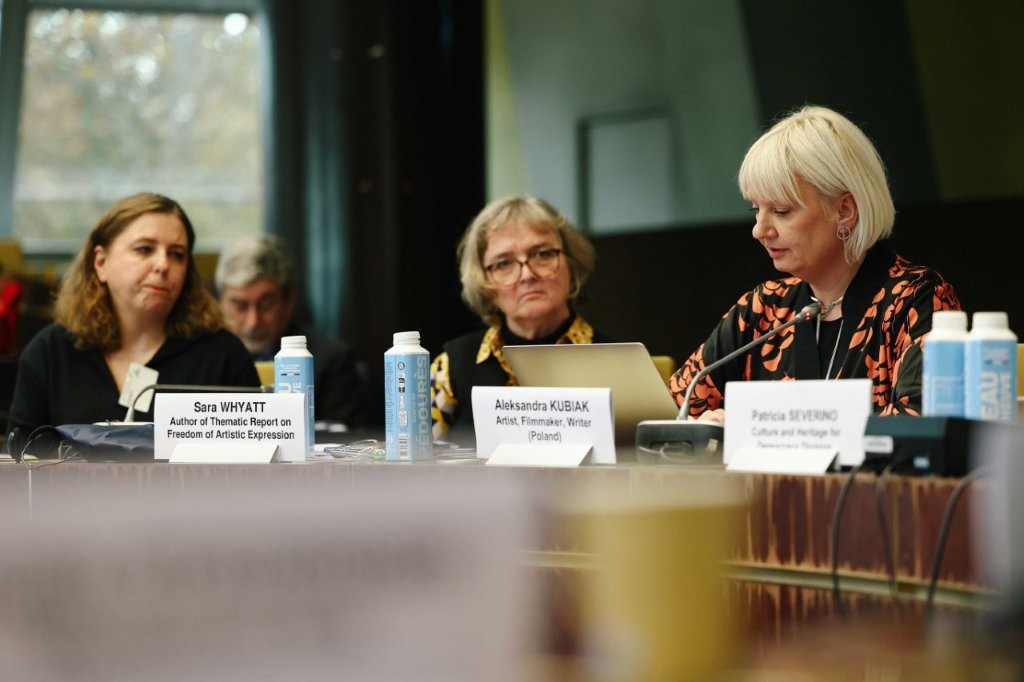
The session opened with an address by Aleksandra Kubiak, Polish visual and performance artist, filmmaker, and writer, followed by the presentation of the Second General Report by Sara Whyatt, Lead Consultant and Author.
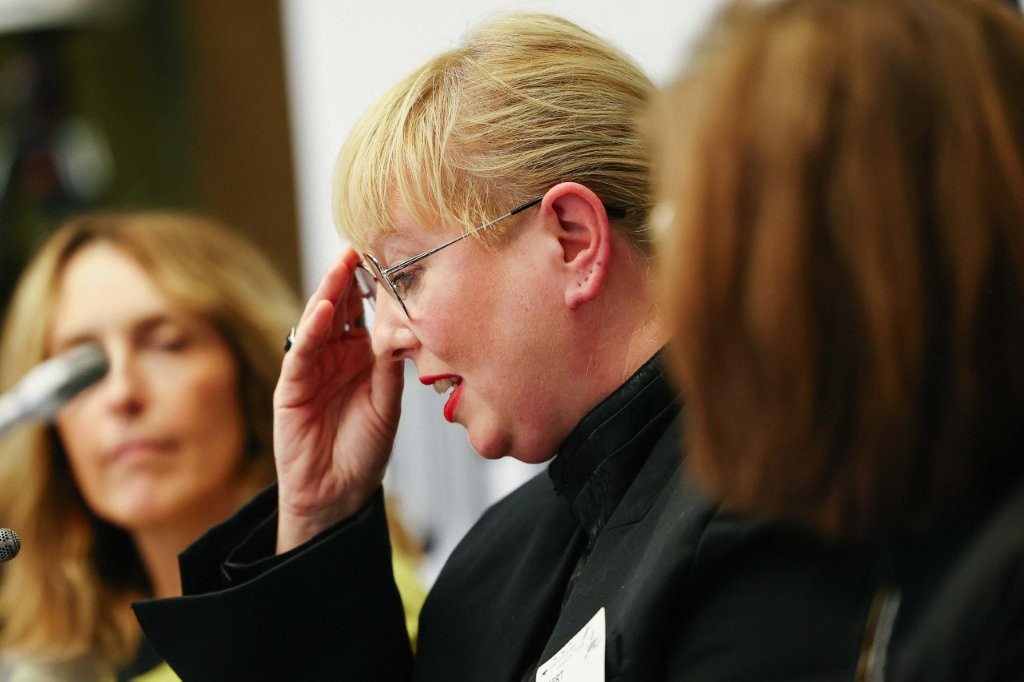
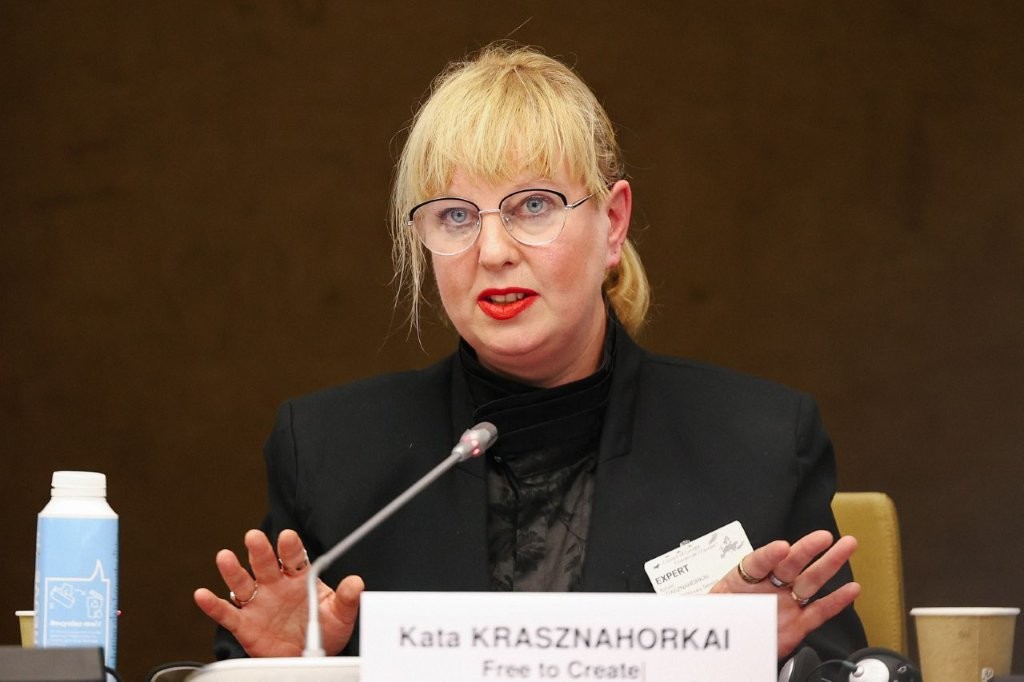
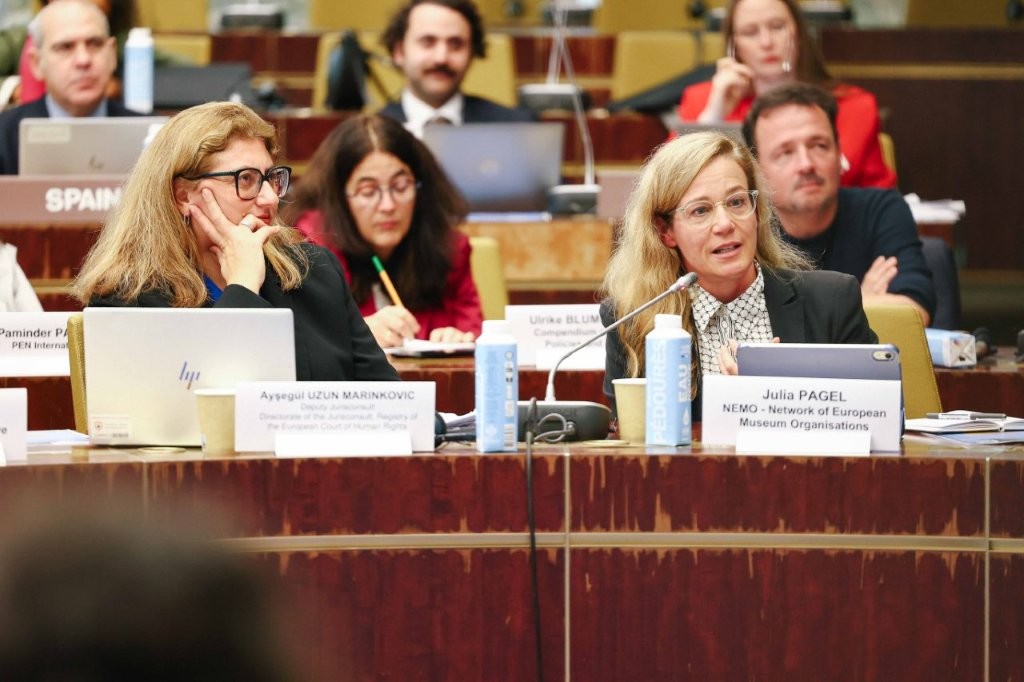
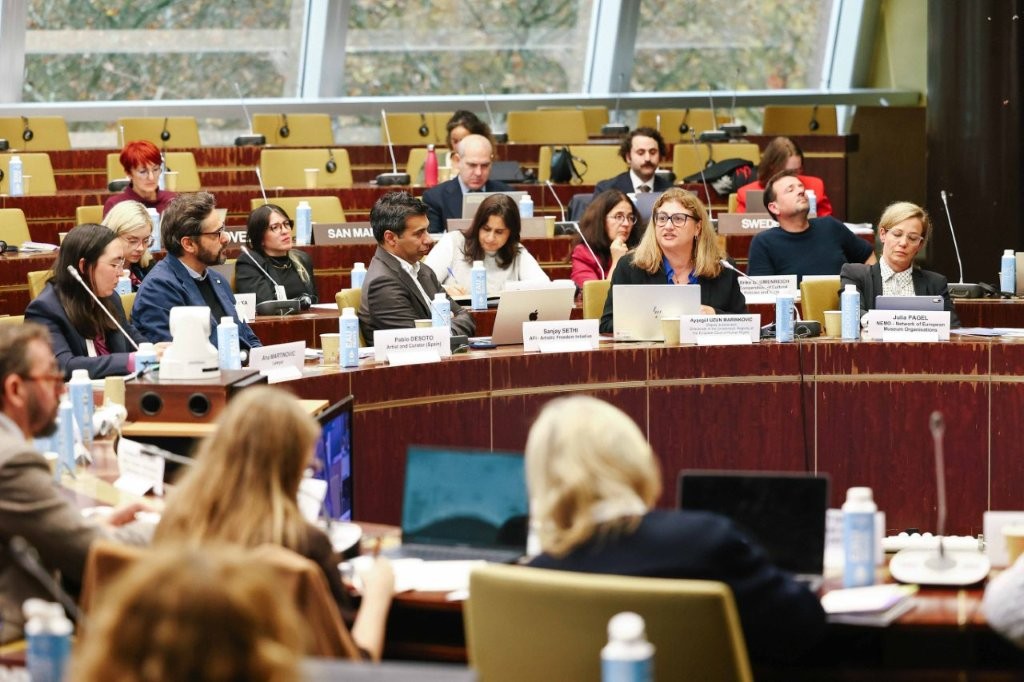
A moderated panel discussion, led by Dr Katalin Krasznahorkai, Lead Expert for the Free to Create | Create to be Free initiative, brought together representatives of European cultural organisations, legal experts, and cultural practitioners:
- Małgorzata Kaźmierczak, President of the International Association of Art Critics (AICA International).
- Julia Pagel, Secretary General of the Network of European Museum Organisations (NEMO).
- Ayşegül Uzun Marinković, Deputy Jurisconsult, Registry of the European Court of Human Rights.
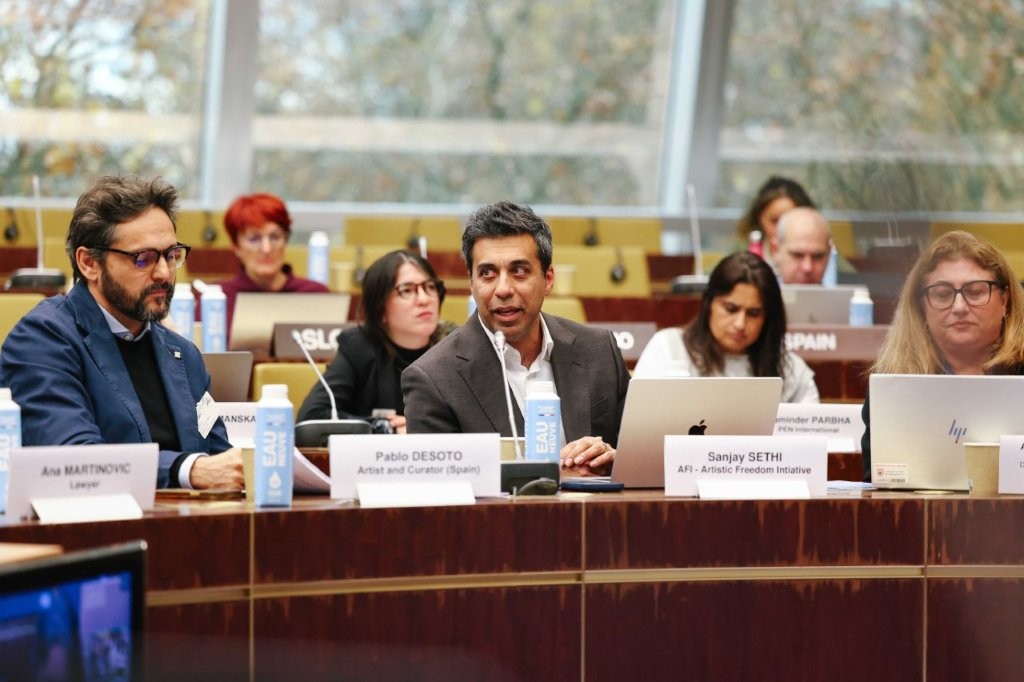
- Sanjay Sethi, Co-Executive Director of the Artistic Freedom Initiative (AFI).
- Pablo de Soto, artist, curator and researcher in art and technology.
- Ana Martinović, human rights lawyer and consultant.
The panel was followed by an open exchange with CDCULT national delegations, members of the Advisory Board and representatives of cultural organisations, providing an opportunity to identify shared concerns and explore practical responses. The programme also included an interactive presentation by Ana Martinović of the Council of Europe’s e-learning course on the legal aspects of freedom of artistic expression, contributing to the dissemination and practical application of relevant human rights standards.
Towards future action
The Platform sought to identify concrete priorities and possible avenues for future action, drawing on the report’s recommendations and the contributions of member States, artists, and cultural organisations. The exchanges were intended to inform further reflection within the CDCULT on appropriate policy responses, potential standard-setting activities, and mechanisms for sustained cooperation with cultural stakeholders, reinforcing the Council of Europe’s commitment to artistic freedom as a cornerstone of human rights and democratic life.

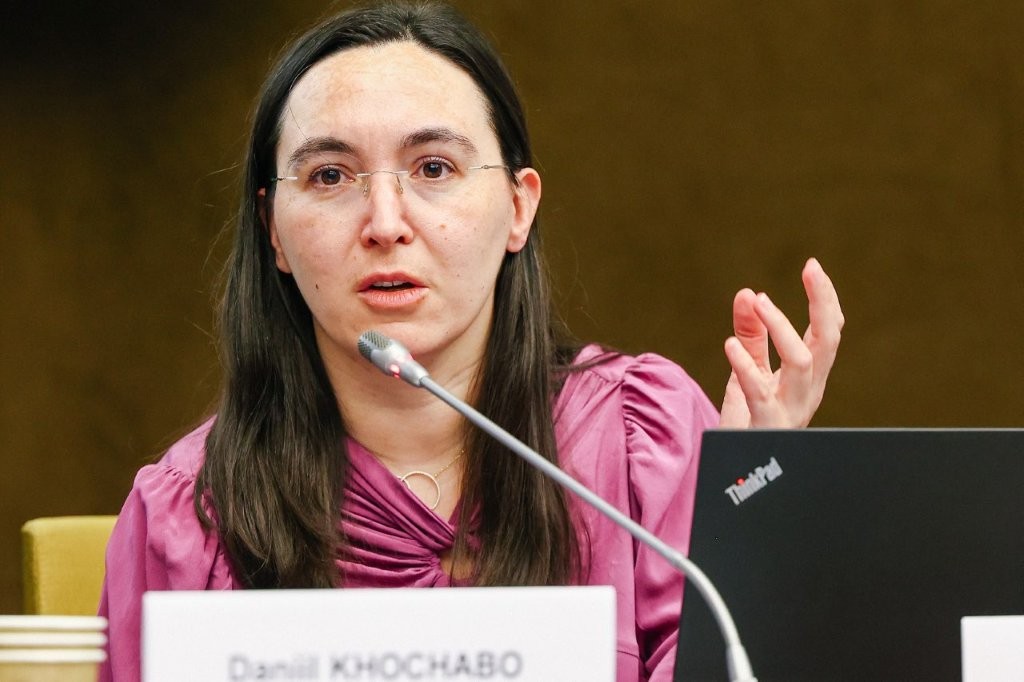
- Daniil KHOCHABO
- Gillian FRENCH