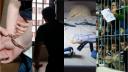
The preliminary observations are particularly critical of the situation of persons on remand, highlighting that they are subjected to poor treatment and appalling conditions of detention. They are often confined to their cells for 23 hours per day and, in some instances, are offered only 2.5 m2 of living space each. Reference is also made to systemic problems regulating the use of remand detention in Montenegro, where 56% of the prison population are on remand, and the delegation met several persons who had been stuck in pre-trial detention for over six years. Strict limitations remain in place for persons held on remand, resulting in reduced contact with the outside world and minimal access to any purposeful activities or work. The bare essentials required for a decent and dignified existence – such as toilet paper, hygiene products and bed linen – are not provided regularly by the authorities, leaving prisoners dependent on their families for provision of these most basic items. Despite the Committee’s repeated recommendations over the years, no action has been taken to improve the dire situation of persons held in remand detention.
The situation regarding psychiatric patients at Dobrota Psychiatric Hospital has not improved since the previous CPT visit in 2017. Key concerns remain regarding overcrowding, with a significant number of patients still having to sleep on mattresses on the floor as the facility continues to provide care for a variety of patient categories. These include forensic patients, so-called ‘social patients’ who do not require further hospitalisation and even children, despite the opening of a children's psychiatric ward at the Clinical Centre of Montenegro. With regard to social care homes, the Committee has noted some improvements since its previous visit, most notably at the Komanski Most Institution. However, the Committee remains concerned by the understaffing of orderlies, as well as the challenges related to the management of agitated residents, particularly those affected by severe forms of autism spectrum disorder, which requires specific skills and training.
By letter of 22 January 2026, the authorities of Montenegro responded to the various matters raised in the preliminary observations made by the Committee’s delegation.
The report on the November 2025 visit will be sent to the Montenegrin authorities in July 2026.
The preliminary observations and the response are published with the agreement of the authorities of Montenegro.
- Read the preliminary observations and the response of the authorities in English, in Montenegrin
- The CPT and Montenegro