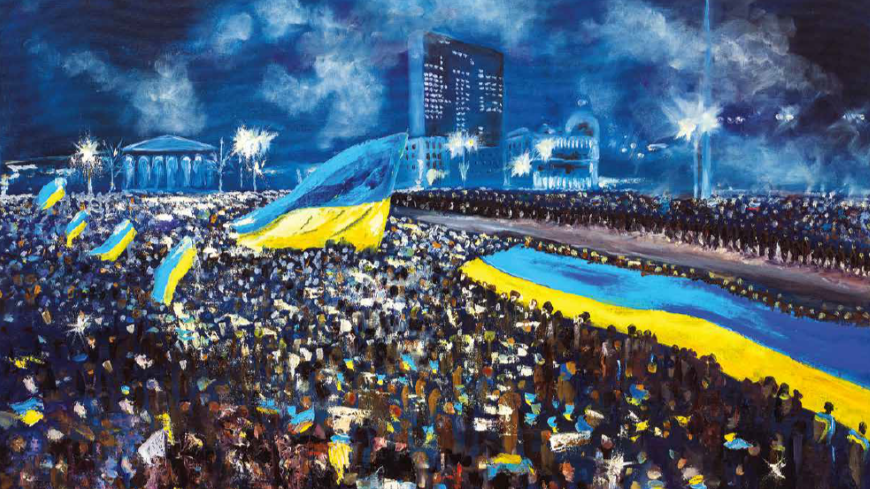
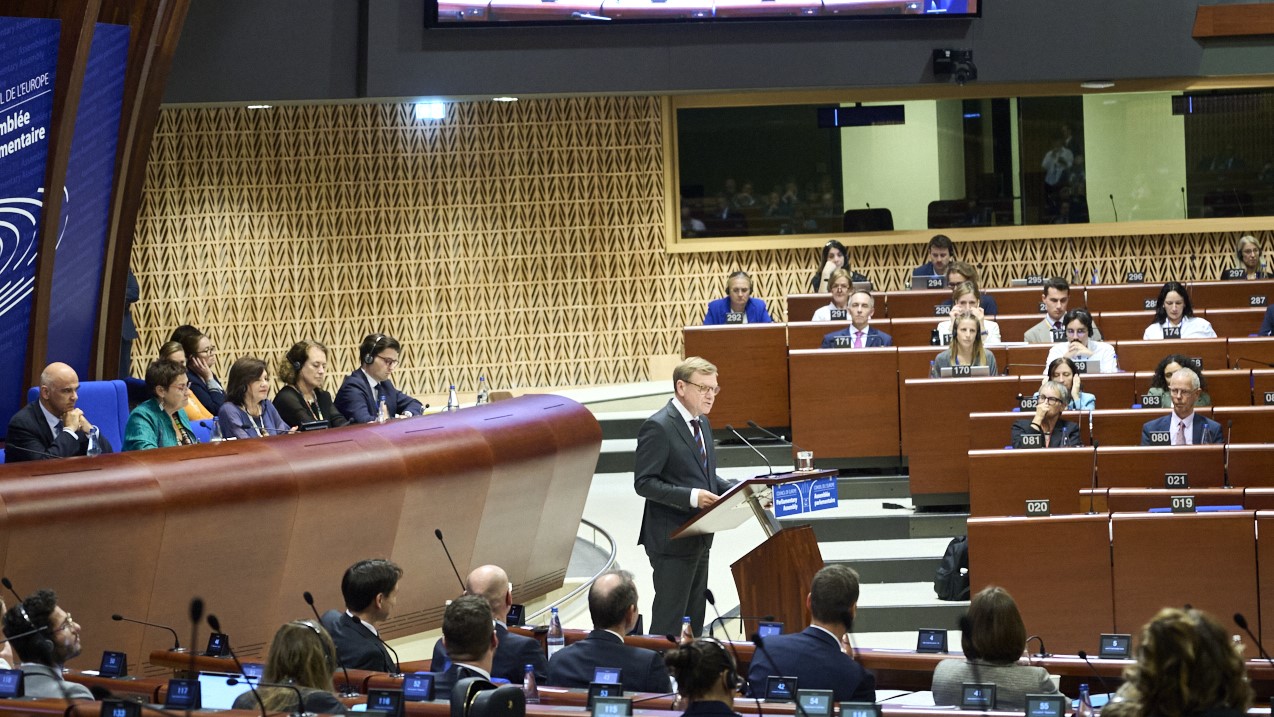
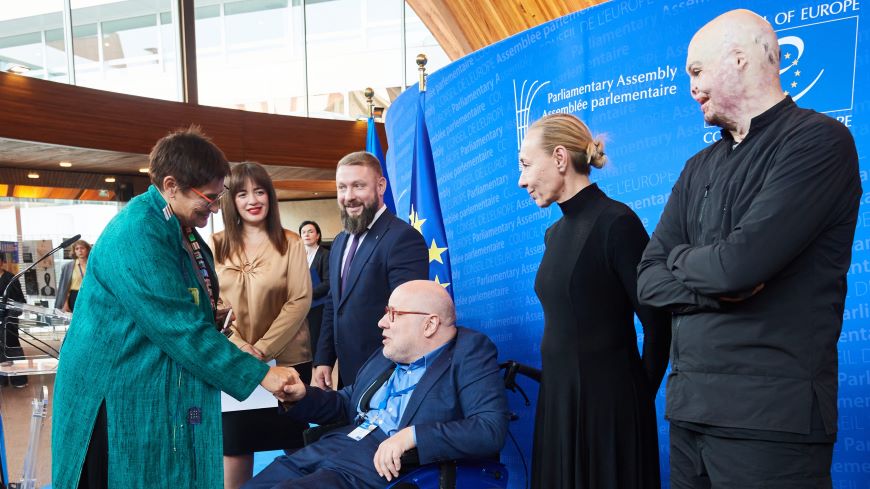
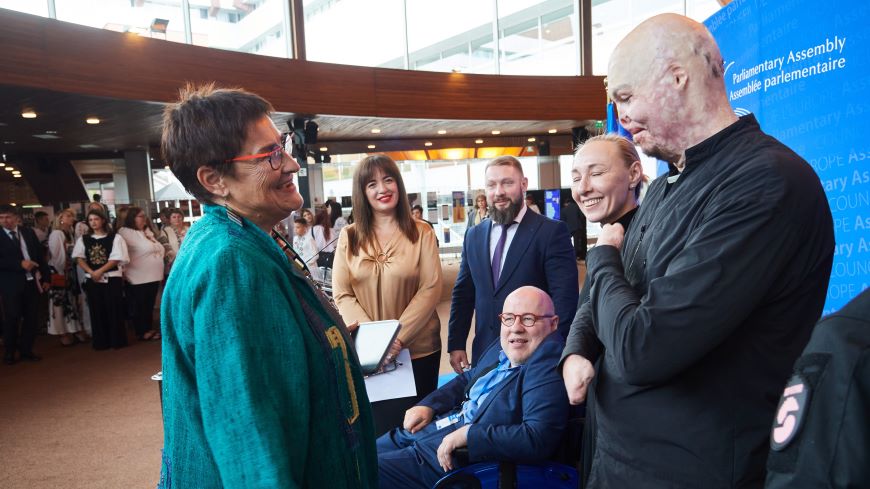
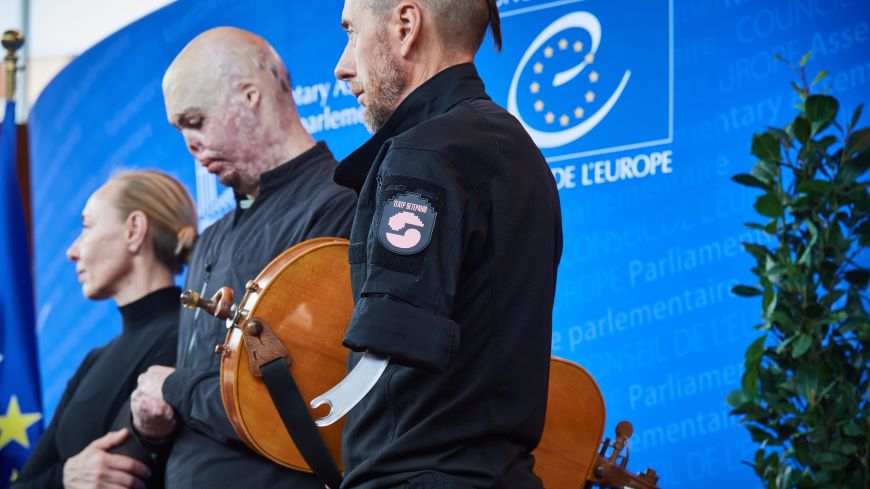
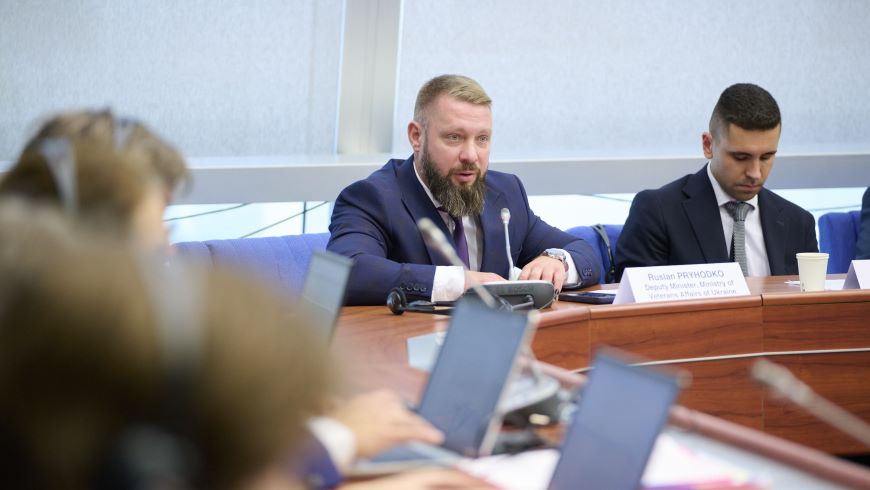
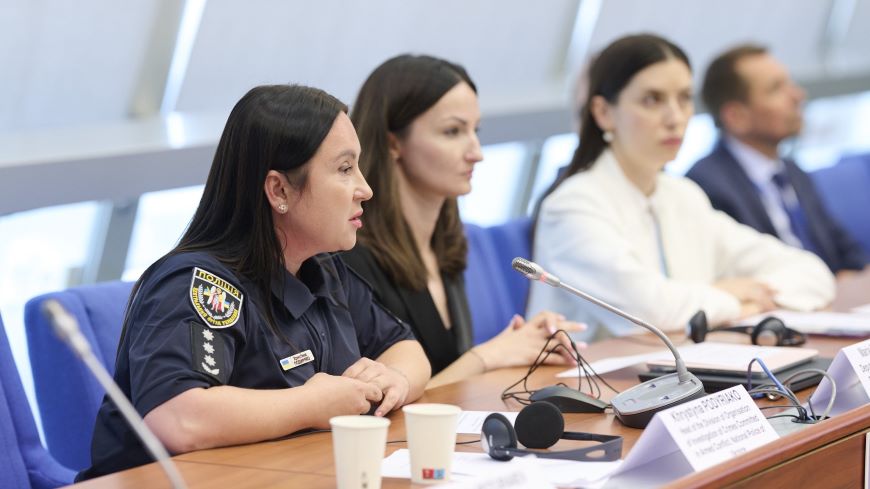
The importance of coherent policies for veterans in Europe, and the need for systemic support to Ukrainian soldiers who became disabled as a result of Russia’s war against Ukraine were at the centre of discussions today at the Parliamentary Assembly of the Council of Europe.
Europe is facing its largest cohort of veterans since the Second World War
Adopting two resolutions following a joint debate, based on reports by parliamentarians Jan Filip Libicki and Lesia Zaburanna, the Parliamentary Assembly stressed that rehabilitation should be “a continuous process of returning to independent living”. It also pointed out that Europe is facing its largest cohort of veterans since the Second World War, with more than two million veterans in Ukraine as a result of the Russian Federation’s full-scale war of aggression.
The Parliamentary Assembly called on European countries to earmark at least 10% of their national funds allocated to the reconstruction of Ukraine for the rehabilitation and social reintegration of veterans and civilians with disabilities. It urged the Ukrainian authorities, with the support of member states, to develop a single, transparent pathway to benefits and services, combining long-term rehabilitation, psychological support, home-based care, adaptation of living environments, professional reintegration and accessible infrastructure.
More broadly, the Council of Europe body called for a comprehensive minimum support package for veterans covering physical and mental health, rehabilitation, employment, education, housing and social protection, including at least three years of enhanced, coordinated support following discharge from military service.
It also urged member states to make veterans’ rights portable across borders, strengthen support for families and former prisoners of war, and assist Ukraine in consolidating its veteran support system.
Ukrainian veterans part of the Council of Europe’s action plan
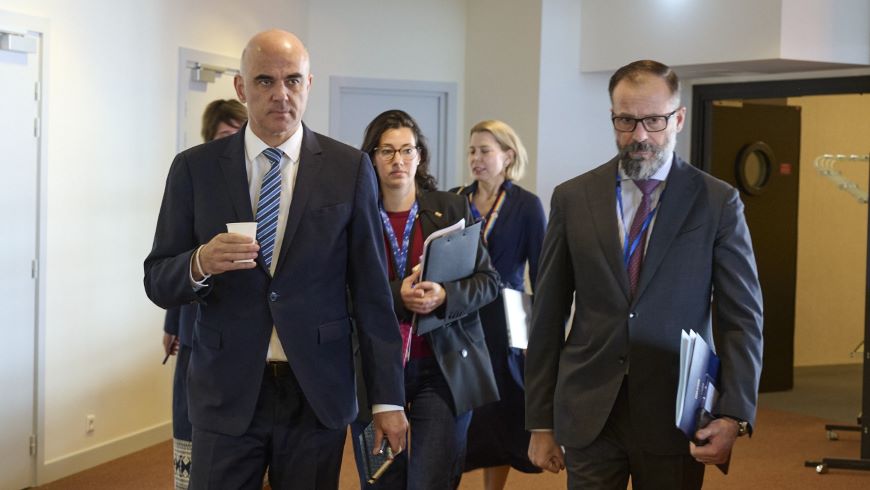
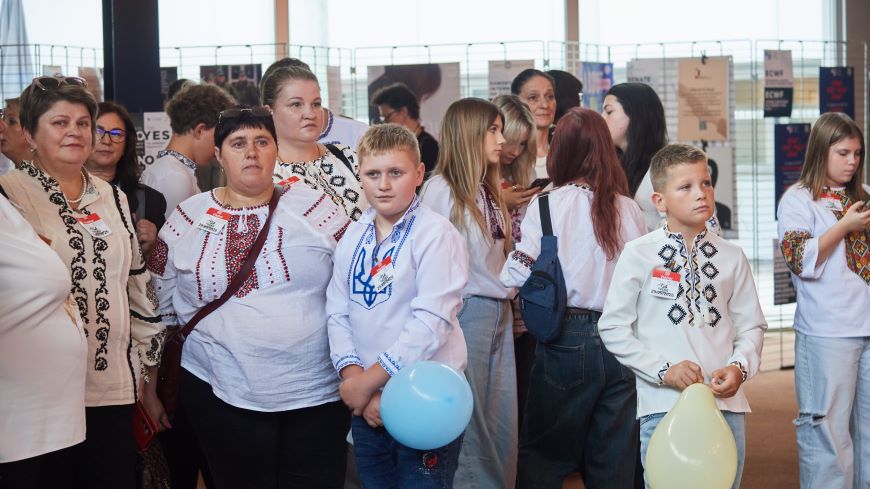
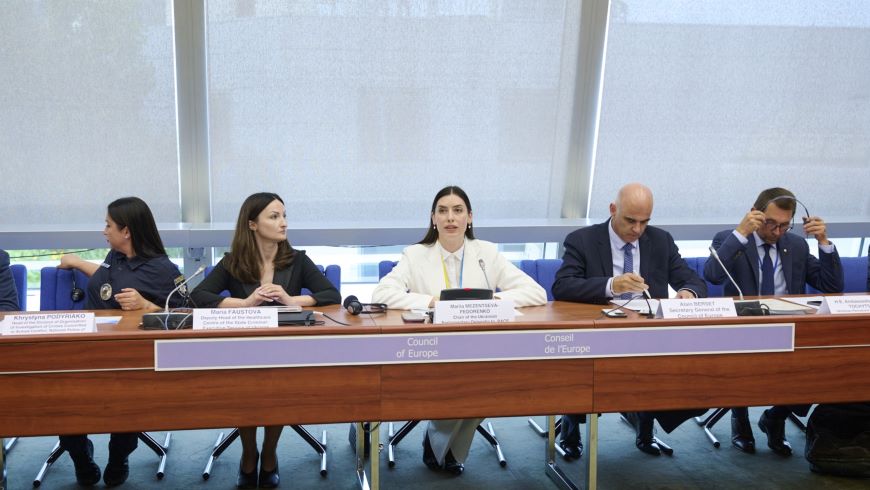
Social inclusion and supporting veterans, along with protecting minorities and women, and helping Ukrainian children return home, are among the key priorities of the Council of Europe’s new Action Plan for Ukraine 2027-30 that was presented today by the Secretary General Alain Berset to participants of the “Voices from Ukraine” event, which took place on the margins of the autumn Parliamentary Assembly session.
Democratic security for Ukraine that the plan will focus on, “does not replace military security”, the Secretary General argued. “Ukraine needs weapons and air defence; it’s a question of survival, and it is also why Europe is rearming”.
“Democratic security is what makes every other form of security sustainable and accountable, and no peace in Ukraine will hold without it”, Alain Berset stressed.
The new action plan seeks to strengthen Ukraine’s democratic resilience through good governance, the rule of law and human rights. The other key areas of the plan, in addition to the social inclusion issues, cover, firstly, accountability via evidence-based investigations of war crimes, secondly, strengthening democratic institutions, local governance and information integrity, and, finally, advancing independent justice, including fight against corruption.
Berset also reiterated the political work the Council of Europe is doing for Ukraine, including on minority rights in the Transcarpathia region, where it offers its good offices to the Ukrainian and Hungarian ombudspersons, as well as its efforts on raising awareness of the situation of children of Ukraine, and of people living in its temporarily occupied territories.
 How does the Council of Europe support Ukraine
The Parliamentary Assembly of the Council of Europe
Read more about the Parliamentary Assembly debates on Ukraine