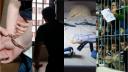
The main objective of the visit was to assess the treatment and conditions of persons deprived of their liberty in prisons and forensic psychiatric centres (FPCs). To this end, the delegation visited five prisons in Brussels, Flanders and Wallonia, as well as the FPCs in Antwerp and Ghent.
Despite measures taken to mitigate the effects of prison overcrowding, the Committee notes that the prison population continues to rise. An increasing number of prisoners and internees were forced to sleep on mattresses on the floor and many had less than 4 m2 of personal space. This longstanding structural issue in Belgian prisons adversely affected both detained persons and prison staff, resulting inter alia in accelerated deterioration of detention and working conditions, increased tensions, and serious issues in accessing individualised healthcare and psychosocial services.
Alan Mitchell, President of the CPT, notes that "the nefarious consequences of prison overcrowding are getting worse. In the 14 months since the CPT visit, the prison population has risen by nearly 4% and the number of people sleeping on a mattress on the floor has more than doubled. The deteriorating prison conditions in Belgium not only might expose persons in prison to inhuman and degrading treatment but also risk undermining the wider criminal justice system.”
Due to understaffing, the legally required minimum service was rarely guaranteed during days of industrial action and was often unattainable even under ordinary conditions. Prisoners were frequently confronted with waiting times and cancellations preventing them from attending medical consultations and court hearings, or from participating in activities. The limited staffing also adversely affected the quality and range of activities available to prisoners, reduced opportunities for the development of positive staff-prisoner relations and preparation for reintegration into the community, and generally contributed to an insecure environment for both prisoners and staff alike.
While several prisoners and patients spoke with respect about staff, the CPT was struck by the increased number of allegations of physical ill-treatment and verbal abuse it received during this 2025 visit as compared to previous visits. Allegations usually consisted of slaps, punches or kicks by custodial officers during the course of an intervention. The delegation received some allegations of ill-treatment by police staff, for instance, in Turnhout Prison. Some of the allegations were under investigation at the time of the visit. The Committee recommends that the authorities act decisively against violence, including by independent investigation of all complaints. In addition, inter-prisoner and inter-patient violence, resulting in injuries, was a problem in all the establishments visited, with prisoners refusing to leave their cells out of fear of violence. The exception was in prison units holding women.
Several deficiencies were observed regarding healthcare provision, notably as regards addictions and psychiatry, where staff shortages and lack of proper coordination between healthcare services effectively render adequate care impossible. The CPT once again reiterates that persons with severe mental health disorders, particularly where associated with acute suicidal intention, should not be kept in a standard prison setting but should be immediately referred to a civil psychiatric hospital or a dedicated psychiatric facility within the prison system. There is also a need to train staff on working with patients with a mental illness and to develop a programme of structured, purposeful activities, including therapeutic, recreational and work, for all internees.
In forensic psychiatric centres, further efforts are needed to ensure the application of adequate safeguards as regards involuntary treatment and effective complaints mechanisms.
The detention conditions at the Courthouse in Brussels, including the Portalis building, appeared to have deteriorated since 2017. The CPT calls upon the authorities to ensure adequate maintenance and hygiene of the cell blocks without delay, and that detained persons obtain ready access to drinking water and are given food at appropriate times.
In their response, the Belgian authorities provide information on the measures taken or envisaged to implement the recommendations made by the Committee in the report.
- Read the report (in French, in English)
- Read the executive summary (in French, in English)
- Read the response of the Belgian Government (in French only)
- Read the visit’s newsflash
- The CPT and Belgium