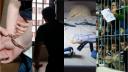
The CPT noted that certain reforms to improve the situation in Irish prisons had been implemented since the Committee’s previous visit in 2019. For example, infrastructure has improved, particularly in the women’s estate, and the use of segregation for security reasons has decreased significantly, supported by better record-keeping and oversight. The scope of temporary release has expanded, and “slopping-out” practices have been almost eradicated.
However, several entrenched issues of concern remain: pervasive overcrowding, worsening safety in men’s prisons, inadequate mental healthcare, poor treatment of prisoners held on protection regimes, and gaps in legal protections for some of the most vulnerable persons including mentally ill prisoners and young people in detention. In its report, the CPT calls for the Irish authorities to take concrete actions to address these critical issues.
The CPT found that physical safety in male prisons has deteriorated sharply. Allegations of prisoner abuse by staff have increased since 2019, particularly in Cloverhill and Limerick Prisons. Incidents included slaps, punches, kicks and other violence in places without CCTV coverage, such as escort vans and reception areas. The CPT also received several allegations of excessive force during control and restraint interventions and relocations, some corroborated by medical findings and independent enquiries. Meanwhile, inter-prisoner violence remains widespread, with drug-related conflict and contraband smuggling driving much of the violence.
Equally concerning was a pattern of some preventable deaths in custody, notably among prisoners suspected of concealing drugs inside their bodies. The absence of rigorous critical incident reviews means that similar tragedies recur without institutional learning or corrective action.
Overcrowding remains a chronic issue. In most facilities visited, many cells were packed with three or four inmates in single or double-occupancy cells. Some persons were forced to sleep on camp beds or mattresses on the floor, sometimes in squalid conditions. Such overcrowding exacerbated the situation for prisoners held in restricted segregation for protection reasons, who often spend up to 22 or even 23 hours a day locked in their cells, sometimes for extended periods, without meaningful activities. Such conditions, in the CPT’s view, may amount to inhuman and degrading treatment.
The Committee also remains critical of the widespread use of closed observation cells whereby segregated prisoners in need of increased supervision are subjected to practices such as being stripped naked and placed in thin, small ponchos without any individual risk assessment. Confinement to cells with no access to daily fresh air and no therapeutic care for at-risk individuals could be considered degrading.
The provision of mental healthcare across prisons remains critically deficient. Overcrowding and an embedded reliance on imprisonment for severely mentally ill prisoners exacerbate the problem.
High-Support Units offer little care beyond confinement; they do not meet the standards promised either in name or in function. The CPT underscores, once again, that prisons are fundamentally inappropriate for those with severe mental illness and they should not serve as substitutes for medical institutions.
The CPT’s 2024 visit to the Central Mental Hospital was its first since the facility’s relocation to Portrane in late 2022. The CPT remained concerned about the delays in transferring severely ill prisoners from prisons to the hospital. While the hospital now offers expanded bed capacity and modern infrastructure, key operational challenges persist, including legal obstacles to eventual hospital discharge.
Many patients remain in hospital well beyond clinical necessity due to the absence of onward placement options, resulting in care that the CPT described as restrictive and, in some cases, degrading.
Despite these constraints, patients consistently spoke positively of their interactions with staff, who were commended for their professionalism and commitment, even under pressure. The hospital maintains high standards of cleanliness, and provides individualised care through pharmacotherapy and comprehensive occupational and psychosocial programmes delivered by multidisciplinary teams. Nevertheless, the CPT recommended expanding the range of therapeutic and recreational activities, particularly for patients in the High Security Unit.
Seclusion was used as a last resort and under the supervision of consultant psychiatrists, which aligns with CPT standards. However, concerns remain about the prolonged duration of some seclusion cases and their at times inadequate documentation.
The CPT identified serious deficiencies in legal protections for legally incapacitated patients, such as those classified as “wards of court.” Although relevant legislation has been enacted, these patients enjoy fewer safeguards than those detained under Mental Health legislation or Criminal Law. The Committee is critical of cases where patients’ detention orders had been revoked or sentences had expired, yet their detention continued. It also identified shortcomings in the legal framework for consent to treatment.
Regarding children and young adults, the 2024 visits to Oberstown Children Detention Campus and Ballydowd Special Care Unit revealed both challenges and promise. Staff at both sites were praised for their child-centred approach, and young people reported largely positive experiences. However, critical structural issues remain unresolved. Most notably, Ireland lacks sufficient capacity in special care units, resulting in prolonged detention for young persons awaiting appropriate placement.
Although reintegration efforts are evident, notably Oberstown’s structured educational and mental health interventions, these gains are undermined by the absence of step-down or temporary release programs. Without community re-entry opportunities, progress made in detention risks being lost following release. The CPT recommends urgent investment in reintegration pathways to help these young persons transition successfully back into the community.
The use of physical or mechanical restraint generally aligned with internal policy, and was used as a last resort and under supervision. Nonetheless, record-keeping around single separation episodes was inadequate, making oversight difficult. Comprehensive training in de-escalation and safe restraint techniques is essential to uphold professionalism and prevent excessive interventions.
The Irish authorities have provided a detailed response outlining how they intend to address the recommendations made by the Committee in each of the areas covered by the report including prisons, children’s establishments and the Central Mental Hospital. The Committee will be engaging in constructive dialogue with the Irish authorities on these matters going forward.