


Georgian National Agency for Cultural Heritage Preservation / კულტურული მემკვიდრეობის დაცვის ეროვნული სააგენტო
- Itinerario cultural
-
- Caminos del arte rupestre prehistórico
- Itinerario europeo de los jardines históricos
- País
-
- Georgia
- Categoría de miembro
-
- Autoridad nacional
- Sitio patrimonial
- Estatus del miembro
- Individual
- Año de adhesión
- 2019
- Información de contacto
- Krtsanisi Street 58 (კრწანისის ქუჩა 58)
GE-0105 Tbilisi
Tel: +995 59 100 6962 / +995 59 161 4007
Website: www.heritagesites.ge
Email: info[at]heritagesites.ge
National Botanical Garden of Georgia (საქართველოს ეროვნული ბოტანიკური ბაღი)
Botanikuri Street 1 (ბოტანიკურის ქუჩა 1)
GE-0105 Tbilisi
Tel: +995 322 72 43 06
Website: www.nbbg.ge
Email: info[at]nbbg.ge
Batumi Botanical Garden (ბათუმის ბოტანიკური ბაღი)
Green Cape (მწვანე კონცხი)
GE-6411 Batumi
Tel: +995 422 27 00 33 / +995 422 24 62 33
Website: www.bbg.ge
Email: info[at]bbg.ge
Tsinandali Estate (წინანდლის მამული)
GE-2200 Tsinandali
Tel: +995 570 70 43 89
Website: www.tsinandali.ge
Email: info[at]tsinandali.com
- Persona de contacto
- Gvantsa TURMANIDZE / Nikoloz JIBUTI
- Ciudad/Región de la sede
- Tbilisi
- Ciudad/Región del sitio
- Trialeti (Tsalka, Kvemo Kartli) / Tbilisi /Batumi (Adjara) / Tsinandali (Telavi, Kakheti)
- Ubicación GPS de la sede
- 41.674026, 44.815591
- Ubicación GPS del sitio
- 41.589433, 43.973615 / 41.685673, 44.802899 / 41.694552, 41.707491 / 41.896519, 45.567183
- Lista del patrimonio mundial UNESCO
- N/D
- Sello de patrimonio europeo
- N/D
- Otros sellos patrimonales
- N/D
- Descripción
- The National Agency for Cultural Heritage Preservation of Georgia (est. 2008) is the Georgian government agency responsible for preservation, protection, research and promotion of the cultural heritage of the country. It brings under its umbrella several major heritage monument complexes of national and global significance in Georgia.
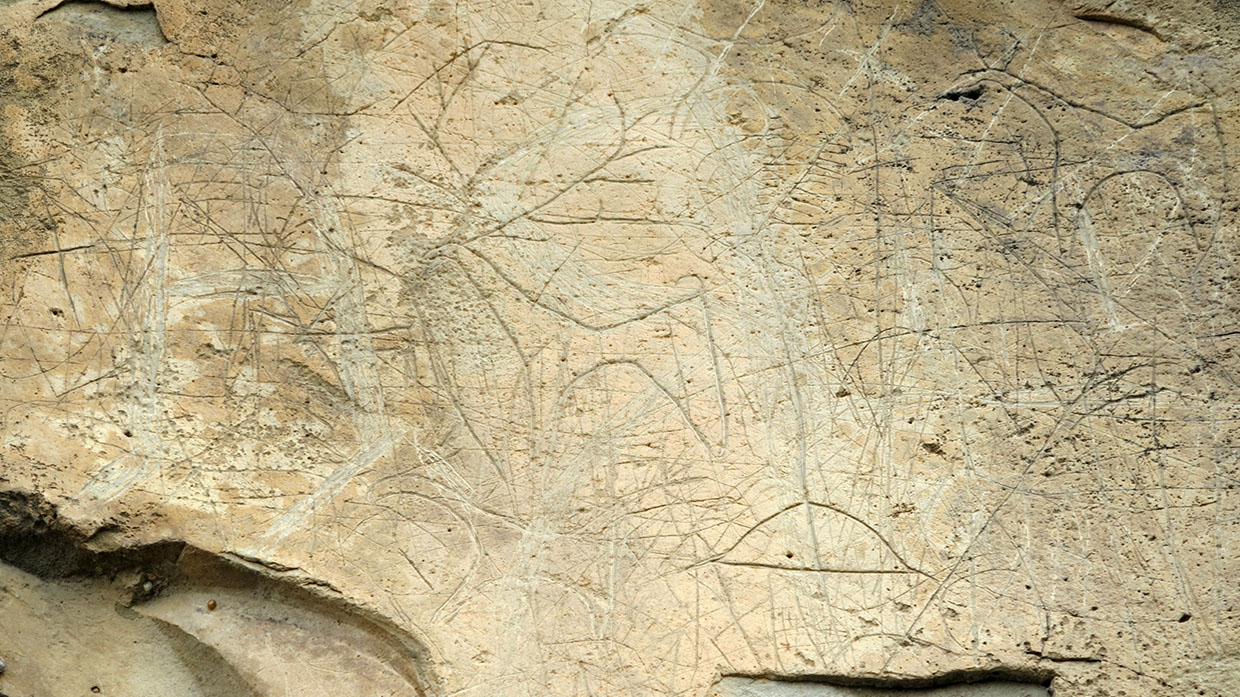
Georgia is represented along the Prehistoric Rock Art Trails with the complex of ancient rock petroglyphs found in Trialeti (თრიალეთის პეტროგლიფები). These images carved into stone depict local fauna including horses and deer as well as images of snakes, birds and hybrid forms. Geometric figures including the sun, crosses and square grids are also part of the ancient artwork (www.prehistour.eu/carp-guide/trialeti-patara-khrami-petroglyphs).
The Agency represents Georgia along the European Route of Historic Gardens.
The National Botanical Garden of Georgia has a long history going on for about four centuries, described for the first time by European travellers in 1671. The Botanical Garden features today 3,500 plant species from Georgia and other parts of the world. The Garden is constantly creating collections of exotic and local flora for scientific and educational purposes, and carries out conservation of rare and extinct plants of Georgia (www.europeanhistoricgardens.eu/en/portfolio-item/national-botanical-garden-georgia).
The Batumi Botanical Garden was founded in the 1880s by the Russian geographer and botanist Andrei Krasnov and was inaugurated in 1912. The main purpose of the garden was the acclimatization of subtropical plants for their cultivation in the southern regions of Russia. After the installation of Soviet power, the Batumi Botanical Garden continued to develop and became a scientific establishment for the development of subtropical plants in the Caucasian region along the Black Sea shores. Today, the garden is divided into nine floristic sectors from different parts of the world (www.europeanhistoricgardens.eu/en/portfolio-item/batumi-botanical-garden).
Tsinandali garden was built by Prince Alexander Chavchavadze (1786-1846) in early 19th century. Prince Alexander invited Italian landscape designers to reimagine the gardens into something European. Soon Tsinandali Garden became well-known throughout Caucasus region (www.europeanhistoricgardens.eu/en/portfolio-item/tsinandali-museum-garden).
- Logos/Imágenes
-

LOGOTIPO DE CERTIFICACIÓN


Con el apoyo de:

SEDE DEL APA | IEIC

Luxemburgo


